U.S.-Israeli War Disrupts Business Financial Outlooks
Written by Emily J. Thompson, Senior Investment Analyst
Updated: 6 days ago
0mins
Source: Newsfilter
- Cost Pressure: AkzoNobel (AKZO.AS) anticipates a nearly 20% increase in raw material costs due to disruptions in the Strait of Hormuz, and although it exceeded market expectations through price hikes and cost savings, it still faces supply chain pressures impacting financial performance over the next two quarters.
- Supply Chain Disruption: Danone (DANO.PA) reported first-quarter sales growth that exceeded expectations but slowed sharply due to war-related supply chain disruptions and a baby formula recall, highlighting the vulnerability of global supply chains.
- Tourism Sector Struggles: German tourism group TUI (TUI1n.DE) cut its full-year operating profit forecast and suspended revenue guidance due to ongoing conflict and uncertainty in the Middle East, reflecting a decline in consumer confidence and overall industry weakness.
- Resource Company Strain: South32 (S32.AX) lowered its full-year forecast for its Australia Manganese unit due to adverse weather and Middle East tensions, indicating rising raw material prices and transportation costs are exerting pressure on its operations.
Trade with 70% Backtested Accuracy
Stop guessing "Should I Buy UAL?" and start using high-conviction signals backed by rigorous historical data.
Sign up today to access powerful investing tools and make smarter, data-driven decisions.
Analyst Views on UAL
Wall Street analysts forecast UAL stock price to rise
16 Analyst Rating
15 Buy
1 Hold
0 Sell
Strong Buy
Current: 91.900

Low
115.00
Averages
139.07
High
156.00
Current: 91.900
Low
115.00
Averages
139.07
High
156.00
About UAL
United Airlines Holdings, Inc. is a holding company. The Company transports people and cargo throughout North America and to destinations in Asia, Europe, Africa, the Pacific, the Middle East and Latin America. The Company, through United Airlines, Inc., and its regional carriers, operates across over six continents, with hubs at Chicago O'Hare International Airport (ORD), Denver International Airport (DEN), George Bush Intercontinental Airport (IAH), Los Angeles International Airport (LAX), Newark Liberty International Airport (EWR), San Francisco International Airport (SFO), Washington Dulles International Airport (IAD) and A.B. Won Pat International Airport (GUM). Its hub and spoke system allow it to transport passengers between a large number of destinations with frequent services. The Company has contractual relationships with various regional carriers to provide regional aircraft service branded as United Express. It provides freight and mail transportation services (Air Cargo).
About the author

Emily J. Thompson
Emily J. Thompson, a Chartered Financial Analyst (CFA) with 12 years in investment research, graduated with honors from the Wharton School. Specializing in industrial and technology stocks, she provides in-depth analysis for Intellectia’s earnings and market brief reports.

US Stocks Fluctuate Slightly, Tech Stocks Reach New All-Time Highs


- Tech Stock Surge: The S&P 500 and Nasdaq 100 indices rose by 0.12% and 0.01% respectively on Monday, reaching all-time highs, reflecting strong market optimism regarding AI infrastructure demand, which is expected to boost technology earnings.
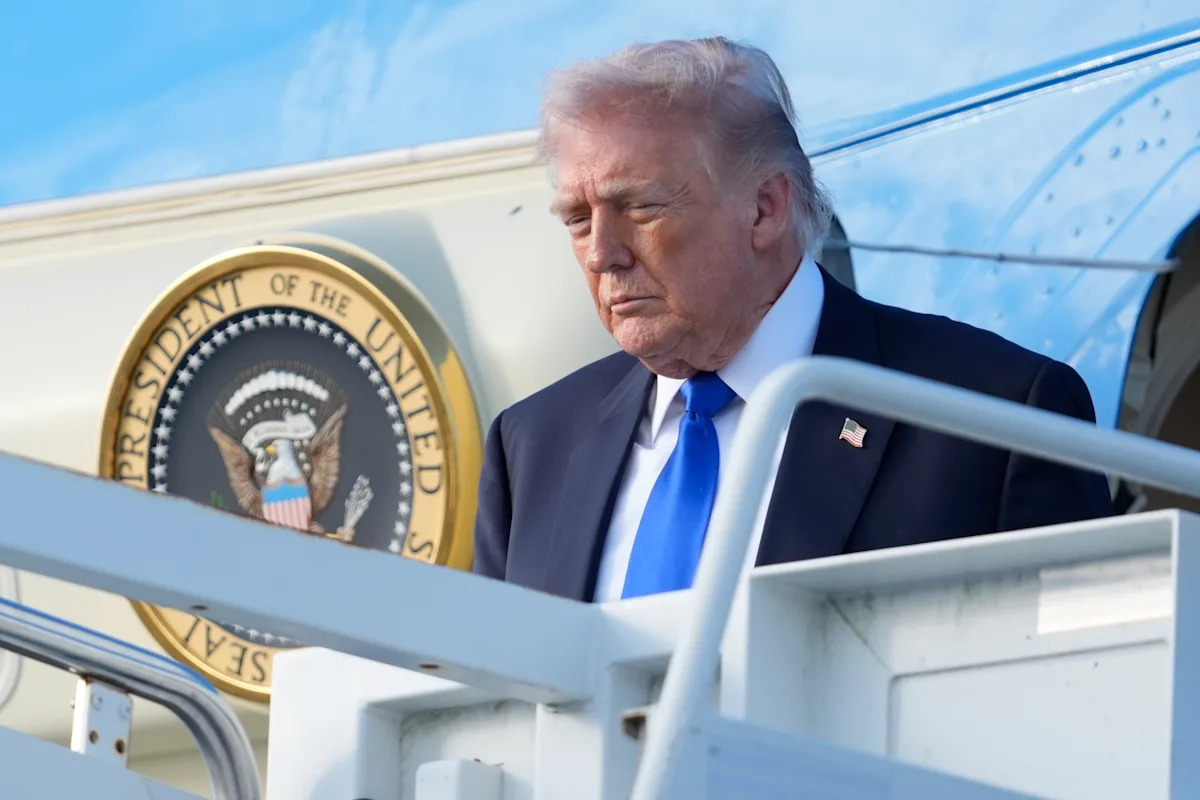
- Oil Price Impact: WTI crude oil prices surged over 2%, exerting downward pressure on the market as President Trump canceled negotiations with Iran, raising inflation expectations that could affect the broader economic landscape.
- Rising Treasury Yields: The 10-year Treasury yield increased to 4.337% due to rising inflation expectations from higher oil prices, with markets anticipating the Fed will keep rates unchanged this week while awaiting further developments in oil prices and inflation.
- Health Insurance Stocks Rally: Health insurance stocks such as Centene, Elevance Health, and Humana all rose over 3% on Monday, providing support to the overall market and demonstrating resilience in the sector amid the current economic environment.
See More

US Stocks Dip as Rising Oil Prices Pressure Markets
- Oil Price Impact: WTI crude oil prices surged over 2%, contributing to a 0.12% drop in the S&P 500, a 0.14% decline in the Dow Jones, and a 0.30% fall in the Nasdaq 100, indicating the direct influence of oil price fluctuations on the stock market.
- US-Iran Tensions: President Trump canceled negotiations with Iran, escalating market concerns over Middle Eastern tensions, as Iranian President stated they would not negotiate under threats, potentially exacerbating the global energy crisis.
- Tech Stock Divergence: Despite the overall market decline, news of Qualcomm collaborating with OpenAI and MediaTek to develop smartphone processors buoyed chip and AI infrastructure stocks, with Micron and SanDisk receiving buy ratings, showcasing resilience in the tech sector.
- Economic Data Influence: The German consumer confidence index fell to a 3.25-year low, indicating signs of economic weakness, while markets expect the Fed to keep rates unchanged this week, reflecting a cautious outlook on future economic developments.
See More
United Airlines CEO Confirms End of Merger Talks with American Airlines
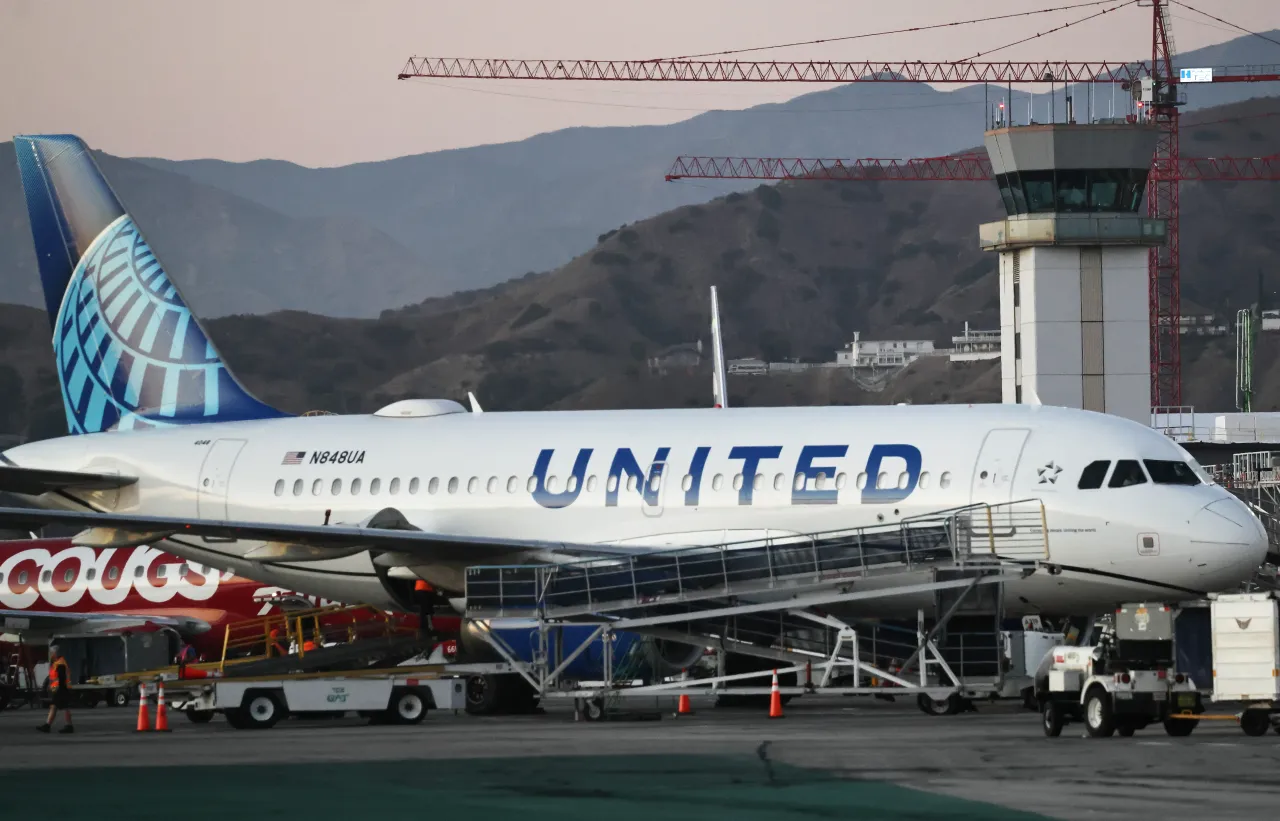
- Merger Talks Ended: United Airlines CEO Scott Kirby confirmed that discussions with American Airlines regarding a merger have concluded, despite his belief that such a combination would significantly benefit customers and communities; American Airlines declined to engage further, highlighting strategic differences between the two companies.
- Market Competition Insight: Kirby noted that foreign-flagged airlines account for 65% of long-haul flights into the U.S., with only 40% of those passengers being foreign citizens, suggesting that a merger would enhance market competitiveness by increasing economy seat availability rather than restricting capacity.
- Analyst Rating Upgrades: UBS analyst raised United Airlines' price target from $135 to $139 while maintaining a 'Buy' rating, indicating optimistic market expectations for United's future performance, even as its shares have fallen over 17% year-to-date.
- Retail Trader Sentiment: On Stocktwits, sentiment surrounding United Airlines remains 'extremely bullish', while American Airlines also enjoys 'extremely bullish' sentiment, reflecting investor confidence in the airline industry's recovery prospects, despite both companies experiencing stock price declines.
See More
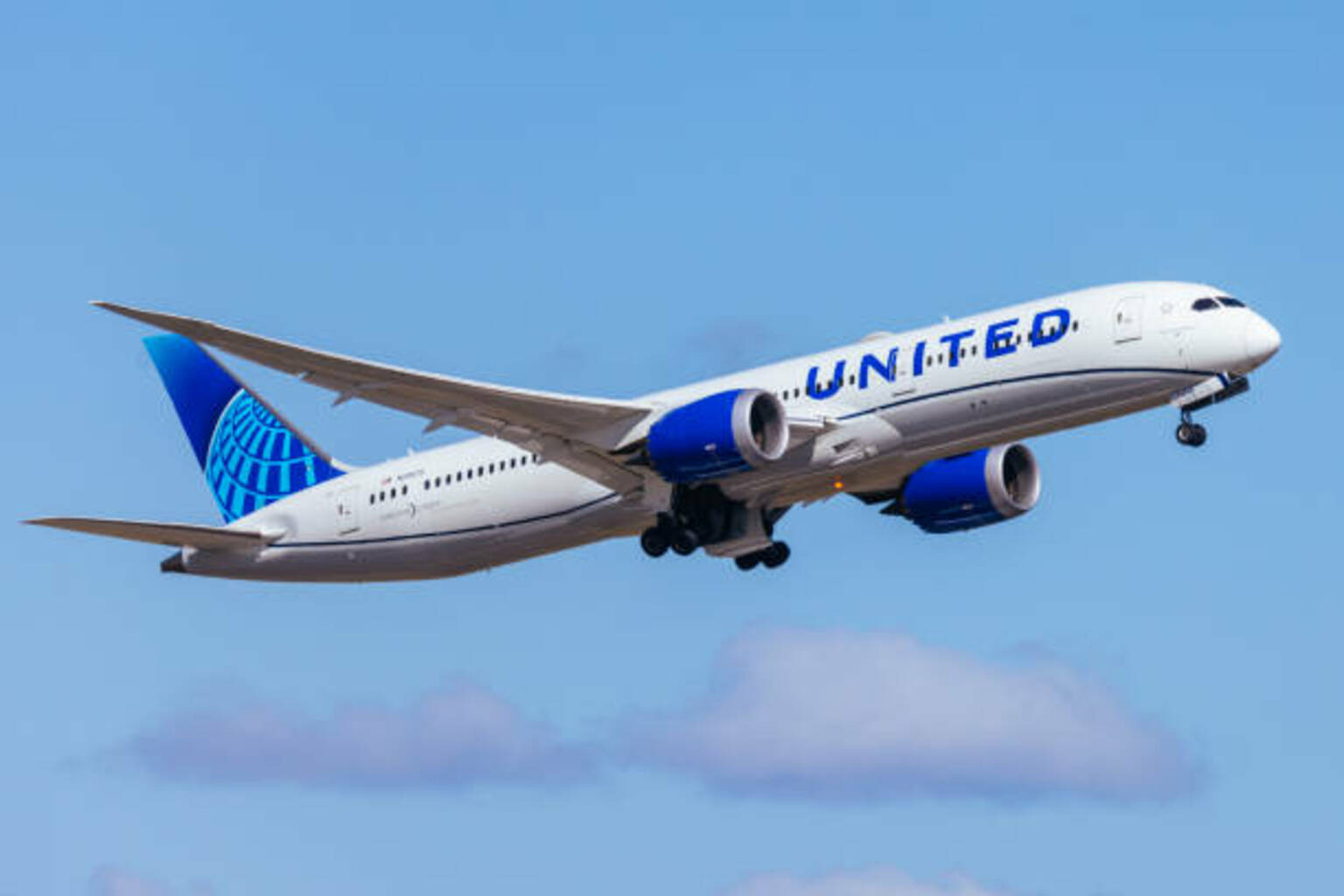
United Airlines CEO Confirms Merger Talks with American Airlines Ended
- Merger Talks Confirmed: United Airlines CEO Scott Kirby confirmed that he approached American Airlines about a merger in the past two weeks, and although American declined to engage further, Kirby believes that a merger would greatly benefit customers, reflecting his positive outlook on industry consolidation.
- Market Potential Outlook: Kirby emphasized that a merger between United and American would create a new, globally leading U.S. airline with enhanced competitive strength, capable of unlocking unprecedented opportunities for customers, employees, and the communities served, showcasing his confidence in the future of the aviation industry.
- Strong Stock Performance: United Airlines' shares have risen 34.7% over the past 52 weeks, while American Airlines has increased by 25.9%, with the Dow Jones U.S. Airlines Index up 40.0%, indicating a robust recovery in the airline sector and investor optimism.
- Clear Strategic Goals: Despite the end of talks with American Airlines, Kirby reiterated United's commitment to building the greatest airline in aviation history, demonstrating the company's firm resolve in pursuing growth and market leadership.
See More
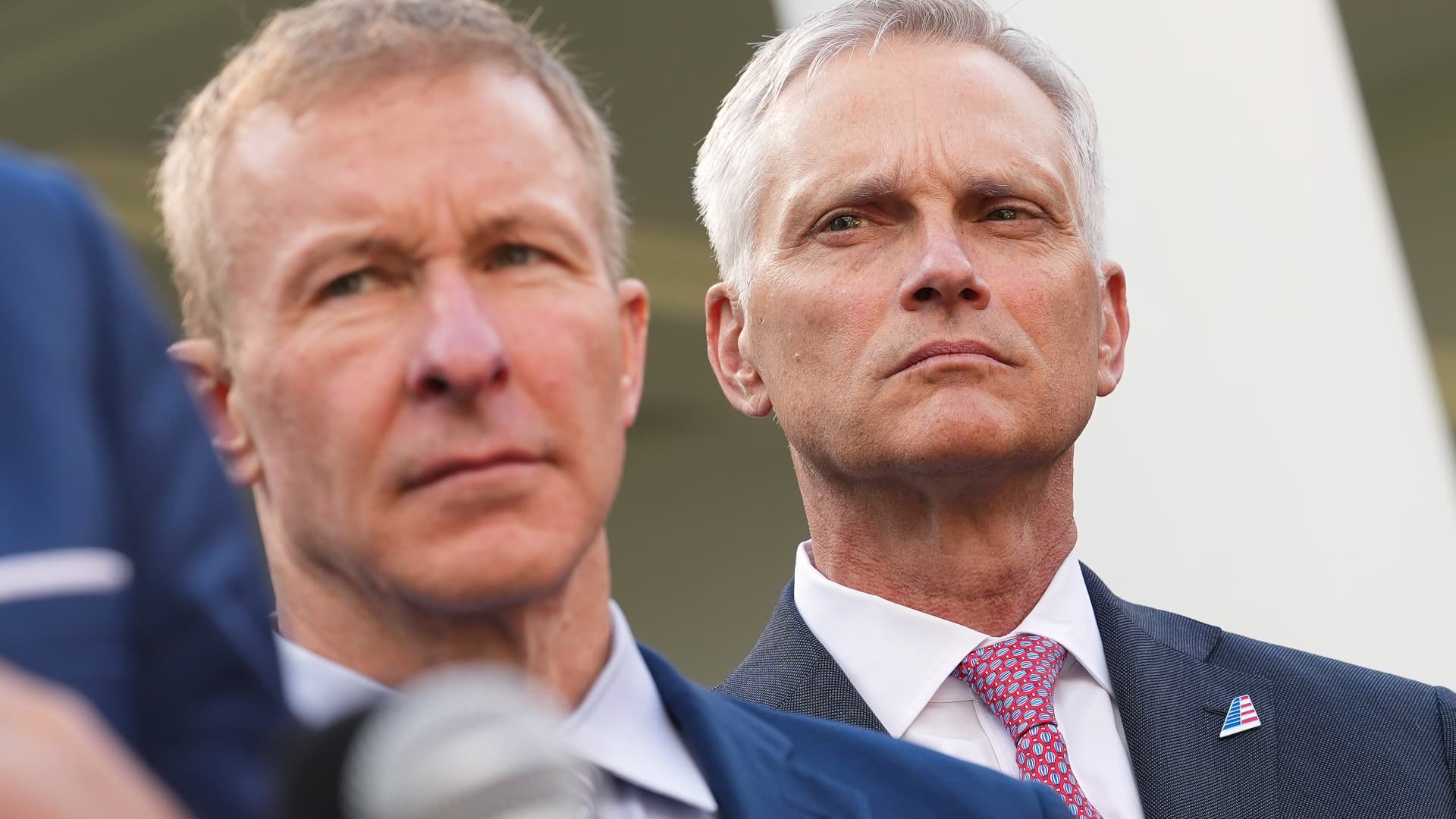
United Airlines Merger Proposal with American Airlines Rejected
- Merger Proposal Rejected: United Airlines CEO Scott Kirby confirmed he approached American Airlines about a merger, which was rejected; Kirby aimed to enhance customer service, while American Airlines CEO Robert Isom deemed it detrimental to customers and anti-competitive.
- Regulatory Approval Confidence: Kirby had pitched the merger idea to the Trump administration, believing it would create a stronger global airline to compete with foreign rivals, yet American Airlines' rejection did not deter his confidence in regulatory approval.
- Market Competition Pressure: Kirby highlighted that a merger between United and American would better position them against foreign airlines, which currently dominate over half of the long-haul seat market in the U.S., indicating significant competitive pressures in the domestic airline industry.
- Trump Opposes Merger: President Trump expressed his opposition to the merger last week, although he showed interest in a potential acquisition of struggling discount carrier Spirit, reflecting the government's complex stance on airline industry consolidation.
See More
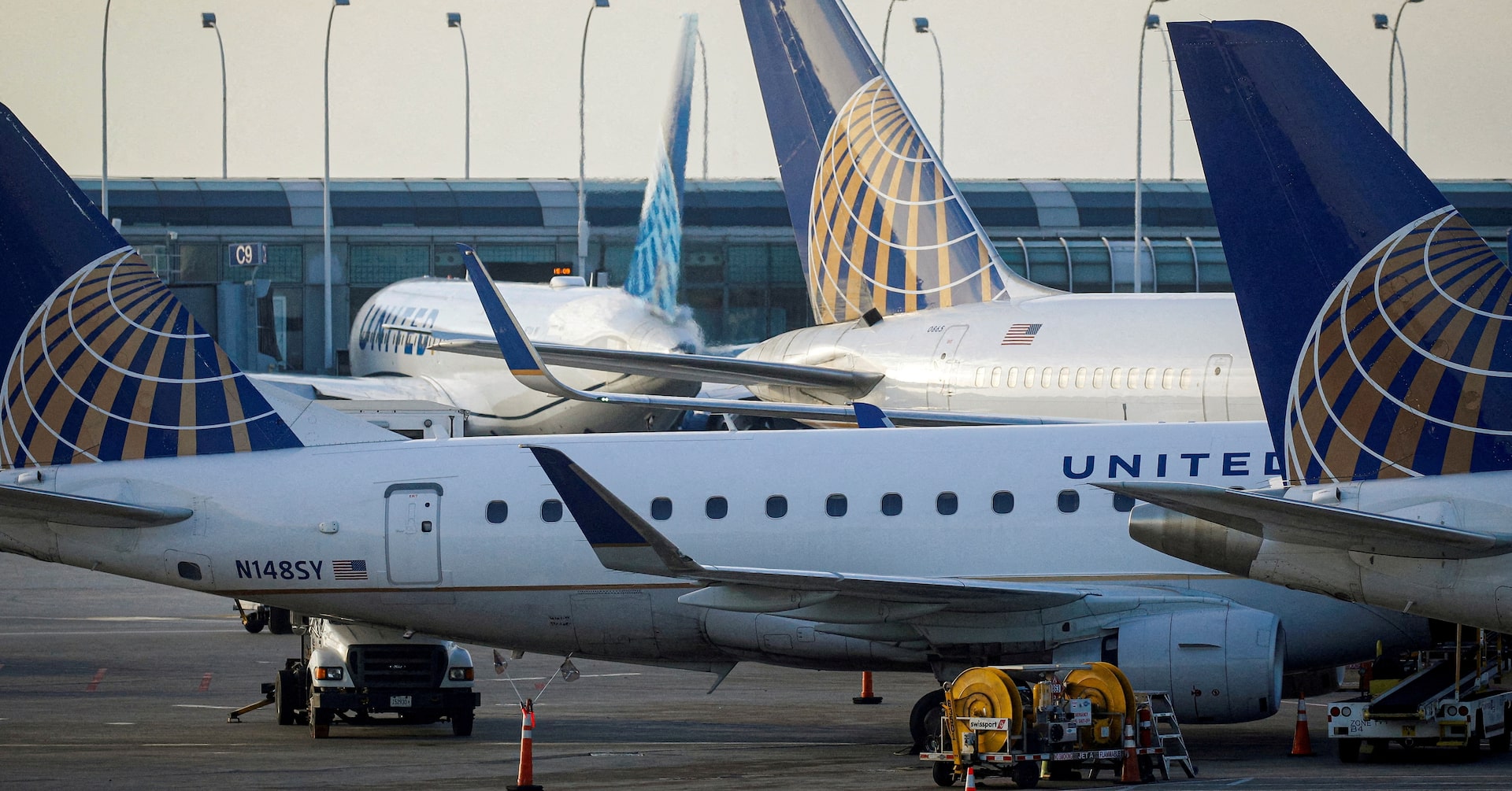
United Airlines CEO Confirms Merger Talks with American Airlines
- Merger Talks Confirmed: United Airlines CEO Scott Kirby confirmed on Monday that he has approached American Airlines regarding a potential merger, indicating an acceleration in industry consolidation that could reshape market dynamics and enhance competitiveness for both companies.
- Market Reaction Anticipated: This news has drawn market attention, with investors expressing optimism about the prospects of consolidation in the airline industry, which may impact the performance of related airline stocks, especially against the backdrop of rising fuel prices.
- Flight Layout Adjustments: United Airlines is adjusting its flight layouts by introducing new stripped-down Polaris business class fares aimed at attracting more premium customers while addressing the growing demand for air travel.
- Industry Dynamics Shift: American Airlines is seriously considering bringing back seat-back screens to its narrow-body fleet, reflecting the airline's efforts to enhance passenger experience, which could influence future competitive strategies in the market.
See More
US Stocks Fluctuate Slightly, Tech Stocks Reach New All-Time Highs
- Tech Stock Surge: The S&P 500 and Nasdaq 100 indices rose by 0.12% and 0.01% respectively on Monday, reaching all-time highs, reflecting strong market optimism regarding AI infrastructure demand, which is expected to boost technology earnings.
- Oil Price Impact: WTI crude oil prices surged over 2%, exerting downward pressure on the market as President Trump canceled negotiations with Iran, raising inflation expectations that could affect the broader economic landscape.
- Rising Treasury Yields: The 10-year Treasury yield increased to 4.337% due to rising inflation expectations from higher oil prices, with markets anticipating the Fed will keep rates unchanged this week while awaiting further developments in oil prices and inflation.
- Health Insurance Stocks Rally: Health insurance stocks such as Centene, Elevance Health, and Humana all rose over 3% on Monday, providing support to the overall market and demonstrating resilience in the sector amid the current economic environment.
See More
US Stocks Dip as Rising Oil Prices Pressure Markets
- Oil Price Impact: WTI crude oil prices surged over 2%, contributing to a 0.12% drop in the S&P 500, a 0.14% decline in the Dow Jones, and a 0.30% fall in the Nasdaq 100, indicating the direct influence of oil price fluctuations on the stock market.
- US-Iran Tensions: President Trump canceled negotiations with Iran, escalating market concerns over Middle Eastern tensions, as Iranian President stated they would not negotiate under threats, potentially exacerbating the global energy crisis.
- Tech Stock Divergence: Despite the overall market decline, news of Qualcomm collaborating with OpenAI and MediaTek to develop smartphone processors buoyed chip and AI infrastructure stocks, with Micron and SanDisk receiving buy ratings, showcasing resilience in the tech sector.
- Economic Data Influence: The German consumer confidence index fell to a 3.25-year low, indicating signs of economic weakness, while markets expect the Fed to keep rates unchanged this week, reflecting a cautious outlook on future economic developments.
See More
United Airlines CEO Confirms End of Merger Talks with American Airlines
- Merger Talks Ended: United Airlines CEO Scott Kirby confirmed that discussions with American Airlines regarding a merger have concluded, despite his belief that such a combination would significantly benefit customers and communities; American Airlines declined to engage further, highlighting strategic differences between the two companies.
- Market Competition Insight: Kirby noted that foreign-flagged airlines account for 65% of long-haul flights into the U.S., with only 40% of those passengers being foreign citizens, suggesting that a merger would enhance market competitiveness by increasing economy seat availability rather than restricting capacity.
- Analyst Rating Upgrades: UBS analyst raised United Airlines' price target from $135 to $139 while maintaining a 'Buy' rating, indicating optimistic market expectations for United's future performance, even as its shares have fallen over 17% year-to-date.
- Retail Trader Sentiment: On Stocktwits, sentiment surrounding United Airlines remains 'extremely bullish', while American Airlines also enjoys 'extremely bullish' sentiment, reflecting investor confidence in the airline industry's recovery prospects, despite both companies experiencing stock price declines.
See More
United Airlines CEO Confirms Merger Talks with American Airlines Ended
- Merger Talks Confirmed: United Airlines CEO Scott Kirby confirmed that he approached American Airlines about a merger in the past two weeks, and although American declined to engage further, Kirby believes that a merger would greatly benefit customers, reflecting his positive outlook on industry consolidation.
- Market Potential Outlook: Kirby emphasized that a merger between United and American would create a new, globally leading U.S. airline with enhanced competitive strength, capable of unlocking unprecedented opportunities for customers, employees, and the communities served, showcasing his confidence in the future of the aviation industry.
- Strong Stock Performance: United Airlines' shares have risen 34.7% over the past 52 weeks, while American Airlines has increased by 25.9%, with the Dow Jones U.S. Airlines Index up 40.0%, indicating a robust recovery in the airline sector and investor optimism.
- Clear Strategic Goals: Despite the end of talks with American Airlines, Kirby reiterated United's commitment to building the greatest airline in aviation history, demonstrating the company's firm resolve in pursuing growth and market leadership.
See More
United Airlines Merger Proposal with American Airlines Rejected
- Merger Proposal Rejected: United Airlines CEO Scott Kirby confirmed he approached American Airlines about a merger, which was rejected; Kirby aimed to enhance customer service, while American Airlines CEO Robert Isom deemed it detrimental to customers and anti-competitive.
- Regulatory Approval Confidence: Kirby had pitched the merger idea to the Trump administration, believing it would create a stronger global airline to compete with foreign rivals, yet American Airlines' rejection did not deter his confidence in regulatory approval.
- Market Competition Pressure: Kirby highlighted that a merger between United and American would better position them against foreign airlines, which currently dominate over half of the long-haul seat market in the U.S., indicating significant competitive pressures in the domestic airline industry.
- Trump Opposes Merger: President Trump expressed his opposition to the merger last week, although he showed interest in a potential acquisition of struggling discount carrier Spirit, reflecting the government's complex stance on airline industry consolidation.
See More
United Airlines CEO Confirms Merger Talks with American Airlines
- Merger Talks Confirmed: United Airlines CEO Scott Kirby confirmed on Monday that he has approached American Airlines regarding a potential merger, indicating an acceleration in industry consolidation that could reshape market dynamics and enhance competitiveness for both companies.
- Market Reaction Anticipated: This news has drawn market attention, with investors expressing optimism about the prospects of consolidation in the airline industry, which may impact the performance of related airline stocks, especially against the backdrop of rising fuel prices.
- Flight Layout Adjustments: United Airlines is adjusting its flight layouts by introducing new stripped-down Polaris business class fares aimed at attracting more premium customers while addressing the growing demand for air travel.
- Industry Dynamics Shift: American Airlines is seriously considering bringing back seat-back screens to its narrow-body fleet, reflecting the airline's efforts to enhance passenger experience, which could influence future competitive strategies in the market.
See More