U.S. Consumer Sentiment Index Hits All-Time Low
Written by Emily J. Thompson, Senior Investment Analyst
Updated: May 14 2026
0mins


Source: Newsfilter
- Consumer Confidence Collapse: The University of Michigan's consumer sentiment index hit an all-time low in May, indicating that American consumers have not regained confidence in the economy since the COVID-19 pandemic, highlighting the fragility of economic recovery.
- Inflation's Lasting Impact: Although the annual inflation rate has cooled, consumers remain scarred by years of rapid price increases, leading to a pessimistic outlook on future economic conditions, which in turn affects their spending behavior.
- Frequent Economic Shocks: Economists note that consumers lack the time to recover from a series of economic shocks, preventing confidence from rebounding, especially amid rising geopolitical conflicts and increasing trade tariffs.
- Strong Consumer Spending: Despite low confidence, consumer spending remains robust, with companies like Uber and Disney reporting strong customer spending, indicating a shift in the traditional relationship between sentiment and consumption.
Trade with 70% Backtested Accuracy
Stop guessing "Should I Buy GOOGL?" and start using high-conviction signals backed by rigorous historical data.
Sign up today to access powerful investing tools and make smarter, data-driven decisions.
Analyst Views on GOOGL
Wall Street analysts forecast GOOGL stock price to rise
33 Analyst Rating
26 Buy
7 Hold
0 Sell
Strong Buy
Current: 363.790

Low
305.00
Averages
374.25
High
400.00
Current: 363.790
Low
305.00
Averages
374.25
High
400.00
About GOOGL
Alphabet Inc. is a holding company. The Company's segments include Google Services, Google Cloud, and Other Bets. The Google Services segment includes products and services such as ads, Android, Chrome, devices, Google Maps, Google Play, Search, and YouTube. The Google Cloud segment includes infrastructure and platform services, collaboration tools, and other services for enterprise customers. Its Other Bets segment is engaged in the sale of healthcare-related services and Internet services. Its Google Cloud provides enterprise-ready cloud services, including Google Cloud Platform and Google Workspace. Google Cloud Platform provides access to solutions such as artificial intelligence (AI) offerings, including its AI infrastructure, Vertex AI platform, and Gemini for Google Cloud; cybersecurity, and data and analytics. Google Workspace includes cloud-based communication and collaboration tools for enterprises, such as Calendar, Gmail, Docs, Drive, and Meet.
About the author

Emily J. Thompson
Emily J. Thompson, a Chartered Financial Analyst (CFA) with 12 years in investment research, graduated with honors from the Wharton School. Specializing in industrial and technology stocks, she provides in-depth analysis for Intellectia’s earnings and market brief reports.

U.S.-Iran Deal: Economic Benefits Tied to Compliance

- Clear Conditions: Vice President Vance emphasized that Iran's economic benefits are contingent upon full compliance with the agreement, a stance aimed at countering criticisms that the Trump administration has made excessive concessions to Iran, reflecting a tough negotiating position from the U.S.
- Impact of Sanction Lifting: Vance noted that lifting sanctions does not represent a major concession since Iran has been selling oil despite sanctions, and this move is expected to enhance U.S. visibility into Iran's financial activities, thereby increasing strategic transparency for the U.S.
- Potential Middle East Relations: Vance stated that if Iran alters its behavior, it could lead to a transformative relationship with the Middle East, indicating the strategic significance of the agreement in reshaping regional geopolitics.
- Congressional Briefing Plans: Vance revealed that the Trump administration plans to provide a formal briefing to Congress soon, indicating confidence in executing the agreement, even suggesting that some sanctions could be temporarily lifted without congressional approval, showcasing the administration's assertive approach.
See More

SpaceX IPO Sparks Investment Frenzy


- Record-Breaking IPO: SpaceX raised approximately $85 billion in its June 12 IPO, achieving a valuation close to $1.8 trillion, marking it as one of the largest IPOs in U.S. history and reflecting strong market interest in the space economy.
- Strong Stock Performance: On its IPO day, SpaceX's stock opened at $135 and closed at $161, representing a 19% gain, with the stock peaking at $229.40 shortly thereafter, indicating investor confidence in its growth potential.
- Revenue Growth Potential: SpaceX's revenue is expected to more than double due to recent compute deals with Anthropic and Alphabet, while Starlink's revenue grew by 50% year-over-year in 2025, boasting a 63% adjusted EBITDA margin, highlighting significant market opportunities.
- Valuation Controversy: Despite optimism about SpaceX's future, its market cap trading at over 100 times trailing revenue raises concerns about valuation, with Morningstar estimating its fair value at only $780 billion, suggesting potential risks for a stock price correction.
See More
SpaceX Stock Soars Nearly 40% Post-IPO Amid Valuation Debate
- IPO Fundraising Scale: SpaceX raised approximately $85 billion in its June 12 IPO, achieving a valuation close to $1.8 trillion, marking the largest IPO in U.S. history and demonstrating strong market confidence in its growth potential.
- First Day Trading Performance: The stock opened at $150 on IPO day and closed at $161, representing a 19% gain, with a peak of $229.40 shortly thereafter, surpassing Microsoft's market cap, reflecting investor optimism about its future prospects.
- Revenue Growth Potential: SpaceX's revenue is expected to more than double due to recent compute deals with Anthropic and Alphabet, while Starlink achieved a 50% year-over-year growth in 2025 with a 63% adjusted EBITDA margin, indicating significant untapped market opportunities.
- Valuation Controversy: Despite substantial stock gains, SpaceX trades at over 100 times its trailing revenue, with Morningstar estimating its fair value at only $780 billion, highlighting a significant divergence in market expectations and the need for investors to carefully assess risks.
See More
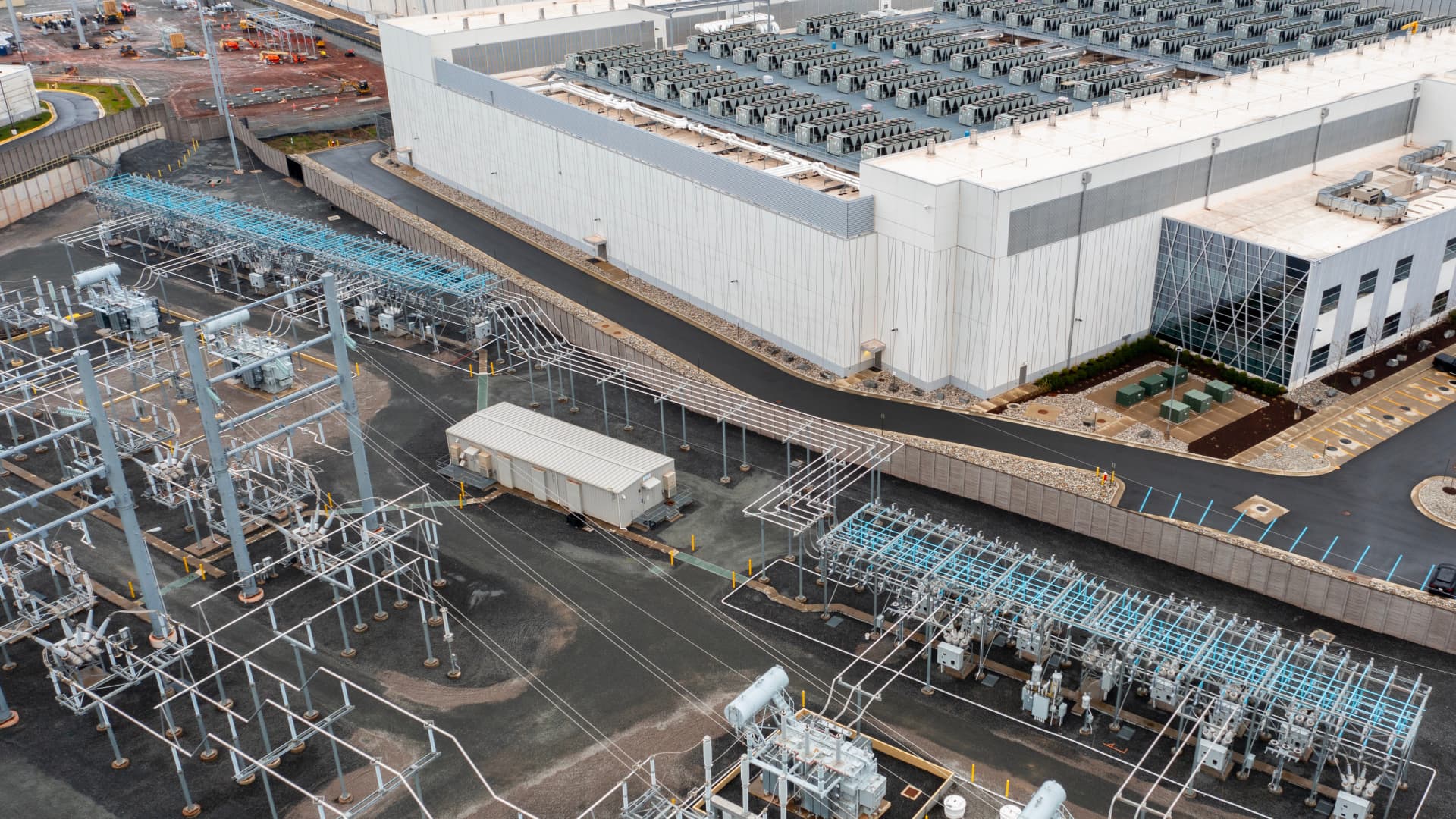
Tech Companies Face Rising Debt Risks Amid AI Expansion

- Increased Debt Financing Demand: With tech giants like Amazon, Google, Microsoft, and Meta projected to invest $750 billion in AI infrastructure by 2026, the demand for debt financing has surged, particularly as rising interest rates increase borrowing costs, impacting the present value of future cash flows.
- Cash Flow Strain: An anticipated capital expenditure of up to $920 billion poses a risk of negative free cash flow for many tech companies, with Amazon expected to report negative cash flow, indicating that these firms are facing challenges similar to traditional capital-intensive industries.
- Heightened Rate Impact: Fed Chairman Kevin Warsh's indication of a potential rate hike in 2026 has triggered equity sell-offs and rising rates, with the 10-year Treasury yield nearing 4.45%, placing greater pressure on tech companies that rely on future profits, especially smaller firms.
- Shifting Market Reactions: Investors are beginning to pay attention to interest rates and inflation data, requiring tech investors to adapt to a new market environment, where debt financing has become a critical strategy for expansion in the high-risk AI investment sector, despite facing higher borrowing costs.
See More

Tech Giants Face Rising Debt Amid Cash Flow Strains

- Rising Debt Burden: Tech giants are significantly increasing debt for data center expansions, with a potential rate hike in 2026 leading to equity sell-offs and higher borrowing costs, intensifying pressure on smaller tech firms.
- Surge in Capital Expenditure: Goldman Sachs projects capital expenditures to approach $920 billion in 2023, with capital spending as a percentage of cash flow at its highest since the dot-com era, indicating a sharp rise in funding needs for tech companies.
- Cash Flow Volatility: Amazon is expected to report negative free cash flow this year, highlighting the challenges faced by tech firms in capital-intensive sectors, prompting investors to monitor access to debt and equity markets for financing.
- Individual Company Risk Assessment: Despite sector-wide pressures, Nvidia's free cash flow surged to $48.5 billion in the latest quarter, showcasing its strong cash reserves that provide financing flexibility and alleviate concerns over debt risks.
See More
Broadcom's Rapid Growth in the AI Market


- Surge in AI Chip Sales: In fiscal 2025, Broadcom's AI chip sales soared by 65% to $20 billion, accounting for 31% of its total revenue, with projections indicating this could rise to at least $100 billion by fiscal 2027, representing over 58% of revenue, highlighting its robust growth potential in the AI sector.
- Rising Customer Demand: As the AI market expands, Broadcom's hyperscale customers are expected to ramp up chip purchases, enabling them to reduce infrastructure costs by installing more custom ASICs, thereby decreasing long-term dependence on Nvidia and enhancing competitive positioning.
- Diverse Product Portfolio: Broadcom also offers a wide range of non-AI chips across mobile, data center, and networking sectors; while these segments are not growing as rapidly, bundling products can lock in customers and widen its competitive moat across various markets.
- Attractive Investment Value: Analysts forecast Broadcom's revenue and EPS to grow at CAGRs of 53% and 66% from fiscal 2025 to 2028, yet it trades at just 25 times next year's earnings, indicating a compelling investment opportunity relative to its growth rate in the booming AI market.
See More
U.S.-Iran Deal: Economic Benefits Tied to Compliance
- Clear Conditions: Vice President Vance emphasized that Iran's economic benefits are contingent upon full compliance with the agreement, a stance aimed at countering criticisms that the Trump administration has made excessive concessions to Iran, reflecting a tough negotiating position from the U.S.
- Impact of Sanction Lifting: Vance noted that lifting sanctions does not represent a major concession since Iran has been selling oil despite sanctions, and this move is expected to enhance U.S. visibility into Iran's financial activities, thereby increasing strategic transparency for the U.S.
- Potential Middle East Relations: Vance stated that if Iran alters its behavior, it could lead to a transformative relationship with the Middle East, indicating the strategic significance of the agreement in reshaping regional geopolitics.
- Congressional Briefing Plans: Vance revealed that the Trump administration plans to provide a formal briefing to Congress soon, indicating confidence in executing the agreement, even suggesting that some sanctions could be temporarily lifted without congressional approval, showcasing the administration's assertive approach.
See More
SpaceX IPO Sparks Investment Frenzy
- Record-Breaking IPO: SpaceX raised approximately $85 billion in its June 12 IPO, achieving a valuation close to $1.8 trillion, marking it as one of the largest IPOs in U.S. history and reflecting strong market interest in the space economy.
- Strong Stock Performance: On its IPO day, SpaceX's stock opened at $135 and closed at $161, representing a 19% gain, with the stock peaking at $229.40 shortly thereafter, indicating investor confidence in its growth potential.
- Revenue Growth Potential: SpaceX's revenue is expected to more than double due to recent compute deals with Anthropic and Alphabet, while Starlink's revenue grew by 50% year-over-year in 2025, boasting a 63% adjusted EBITDA margin, highlighting significant market opportunities.
- Valuation Controversy: Despite optimism about SpaceX's future, its market cap trading at over 100 times trailing revenue raises concerns about valuation, with Morningstar estimating its fair value at only $780 billion, suggesting potential risks for a stock price correction.
See More
SpaceX Stock Soars Nearly 40% Post-IPO Amid Valuation Debate
- IPO Fundraising Scale: SpaceX raised approximately $85 billion in its June 12 IPO, achieving a valuation close to $1.8 trillion, marking the largest IPO in U.S. history and demonstrating strong market confidence in its growth potential.
- First Day Trading Performance: The stock opened at $150 on IPO day and closed at $161, representing a 19% gain, with a peak of $229.40 shortly thereafter, surpassing Microsoft's market cap, reflecting investor optimism about its future prospects.
- Revenue Growth Potential: SpaceX's revenue is expected to more than double due to recent compute deals with Anthropic and Alphabet, while Starlink achieved a 50% year-over-year growth in 2025 with a 63% adjusted EBITDA margin, indicating significant untapped market opportunities.
- Valuation Controversy: Despite substantial stock gains, SpaceX trades at over 100 times its trailing revenue, with Morningstar estimating its fair value at only $780 billion, highlighting a significant divergence in market expectations and the need for investors to carefully assess risks.
See More
Tech Companies Face Rising Debt Risks Amid AI Expansion
- Increased Debt Financing Demand: With tech giants like Amazon, Google, Microsoft, and Meta projected to invest $750 billion in AI infrastructure by 2026, the demand for debt financing has surged, particularly as rising interest rates increase borrowing costs, impacting the present value of future cash flows.
- Cash Flow Strain: An anticipated capital expenditure of up to $920 billion poses a risk of negative free cash flow for many tech companies, with Amazon expected to report negative cash flow, indicating that these firms are facing challenges similar to traditional capital-intensive industries.
- Heightened Rate Impact: Fed Chairman Kevin Warsh's indication of a potential rate hike in 2026 has triggered equity sell-offs and rising rates, with the 10-year Treasury yield nearing 4.45%, placing greater pressure on tech companies that rely on future profits, especially smaller firms.
- Shifting Market Reactions: Investors are beginning to pay attention to interest rates and inflation data, requiring tech investors to adapt to a new market environment, where debt financing has become a critical strategy for expansion in the high-risk AI investment sector, despite facing higher borrowing costs.
See More
Tech Giants Face Rising Debt Amid Cash Flow Strains
- Rising Debt Burden: Tech giants are significantly increasing debt for data center expansions, with a potential rate hike in 2026 leading to equity sell-offs and higher borrowing costs, intensifying pressure on smaller tech firms.
- Surge in Capital Expenditure: Goldman Sachs projects capital expenditures to approach $920 billion in 2023, with capital spending as a percentage of cash flow at its highest since the dot-com era, indicating a sharp rise in funding needs for tech companies.
- Cash Flow Volatility: Amazon is expected to report negative free cash flow this year, highlighting the challenges faced by tech firms in capital-intensive sectors, prompting investors to monitor access to debt and equity markets for financing.
- Individual Company Risk Assessment: Despite sector-wide pressures, Nvidia's free cash flow surged to $48.5 billion in the latest quarter, showcasing its strong cash reserves that provide financing flexibility and alleviate concerns over debt risks.
See More
Broadcom's Rapid Growth in the AI Market
- Surge in AI Chip Sales: In fiscal 2025, Broadcom's AI chip sales soared by 65% to $20 billion, accounting for 31% of its total revenue, with projections indicating this could rise to at least $100 billion by fiscal 2027, representing over 58% of revenue, highlighting its robust growth potential in the AI sector.
- Rising Customer Demand: As the AI market expands, Broadcom's hyperscale customers are expected to ramp up chip purchases, enabling them to reduce infrastructure costs by installing more custom ASICs, thereby decreasing long-term dependence on Nvidia and enhancing competitive positioning.
- Diverse Product Portfolio: Broadcom also offers a wide range of non-AI chips across mobile, data center, and networking sectors; while these segments are not growing as rapidly, bundling products can lock in customers and widen its competitive moat across various markets.
- Attractive Investment Value: Analysts forecast Broadcom's revenue and EPS to grow at CAGRs of 53% and 66% from fiscal 2025 to 2028, yet it trades at just 25 times next year's earnings, indicating a compelling investment opportunity relative to its growth rate in the booming AI market.
See More