U.S. Banks Rush to Fix IT Vulnerabilities Exposed by Mythos AI
Written by Emily J. Thompson, Senior Investment Analyst
Updated: 4 days ago
0mins

Source: Newsfilter
- IT Vulnerability Fixes: Major U.S. banks are urgently addressing dozens of IT system vulnerabilities flagged by Anthropic's Mythos AI tool, necessitating software upgrades and potentially disrupting customer services.
- Pressure for Tech Upgrades: Mythos AI's ability to chain low-risk vulnerabilities into high-risk ones forces banks to fix hundreds to thousands of vulnerabilities at unprecedented speeds, with some patches needing to be completed in days instead of weeks.
- Challenges for Smaller Banks: Smaller banks face dual barriers of technology costs and processing power limitations, and while larger banks share findings, they still struggle to gain direct access to Mythos.
- Normalization of AI Testing: As banks test Mythos, rapid AI product testing has become the new norm, with regulators warning that cyber risks are evolving at machine speed while bank defenses remain at human speed.
Trade with 70% Backtested Accuracy
Stop guessing "Should I Buy JPM?" and start using high-conviction signals backed by rigorous historical data.
Sign up today to access powerful investing tools and make smarter, data-driven decisions.
Analyst Views on JPM
Wall Street analysts forecast JPM stock price to rise
19 Analyst Rating
11 Buy
7 Hold
1 Sell
Moderate Buy
Current: 299.910

Low
260.00
Averages
341.38
High
400.00
Current: 299.910
Low
260.00
Averages
341.38
High
400.00
About JPM
JPMorgan Chase & Co. is a financial holding company. The Company is engaged in investment banking, financial services for consumers and small businesses, commercial banking, financial transaction processing and asset management. The Company operates through three segments: Consumer & Community Banking (CCB), Commercial & Investment Bank (CIB), and Asset & Wealth Management (AWM). Its CCB segment offers products and services to consumers and small businesses through bank branches, ATMs, digital and telephone banking. Its CIB segment consists of banking and payments and markets and securities services, and offers a suite of investment banking, lending, payments, market-making, financing, custody and securities products and services to a global base of corporate and institutional clients. AWM segment offers investment and wealth management solutions. It offers multi-asset investment management solutions, retirement products and services, brokerage, custody, estate planning, and others.
About the author

Emily J. Thompson
Emily J. Thompson, a Chartered Financial Analyst (CFA) with 12 years in investment research, graduated with honors from the Wharton School. Specializing in industrial and technology stocks, she provides in-depth analysis for Intellectia’s earnings and market brief reports.
Analysis of Investor Sentiment and Market Strategies

- Fear of Market Peaks: Despite the S&P 500 reaching all-time highs, many investors hesitate due to concerns about timing; however, since 1950, the index has hit new highs on about 7% of trading days, and in a third of those instances, it did not decline, indicating that waiting for dips can lead to missed opportunities.
- Emotion-Driven Decisions: Investors often sell in panic during market downturns, yet studies show that the largest gains typically follow significant declines, highlighting the importance of maintaining composure in volatile markets to avoid underperformance.
- Risks of Chasing Hot Stocks: Investors frequently chase stocks that are rising rapidly due to fear of missing out, but over the long term, valuations matter, and buying into already inflated stocks can lead to losses, resulting in what are derogatorily termed 'bag holders'.
- Advantages of Dollar-Cost Averaging: By consistently investing a fixed amount into index-based ETFs like the Vanguard S&P 500 ETF and Invesco QQQ Trust, investors can average their cost basis over time, which helps build wealth with reduced emotional stress in fluctuating markets.
See More

Berkshire Hathaway's Major Portfolio Overhaul Under Greg Abel


- Portfolio Restructuring: Under Greg Abel's leadership, Berkshire Hathaway's equity portfolio underwent significant changes in the first three months, adding Delta Air Lines and Macy's, indicating a renewed focus on the airline and retail sectors.
- Massive Alphabet Stake Increase: Berkshire increased its stake in Google's parent company Alphabet by 224% in Q1, making it the company's seventh-largest holding with a market value of $16.6 billion, and the stock has rallied 38% since, showcasing the success of this decision.
- Reduction in Holdings: Abel dramatically cut the number of companies in the portfolio, selling off major stakes including Amazon and Visa, with Amazon's shares reduced from 10 million to 2.3 million, reflecting a significant strategic shift in investment focus.
- Return to Delta Airlines: Berkshire purchased 39.8 million shares of Delta Air Lines in Q1, currently valued at $2.8 billion, marking the company's first return to airline stocks since 2020, demonstrating confidence in the recovery of the airline industry.
See More

Market Volatility Heightens, Investors Eye Three Key Financial Stocks
- Berkshire Hathaway Cash Reserves: Under new CEO Greg Abel, Berkshire Hathaway's cash reserves have surged to $397 billion, generating nearly $24 billion in free cash flow over the past year, showcasing its robust cash-generating ability and long-term investment value despite market volatility.
- JPMorgan Chase Industry Leadership: As the largest bank in the U.S. with over $3.7 trillion in assets, JPMorgan Chase reported a net income of $16.5 billion in Q1, with a sustainable 23% return on tangible common equity (ROTCE) indicating strong market performance, particularly with a 28% growth in investment banking fees.
- BlackRock Asset Management Edge: As the world's largest asset manager with nearly $14 trillion in assets under management, BlackRock recorded $130 billion in inflows in Q1, driving an 8% growth in base fees, reflecting its strong performance amid rising demand for passive management ETFs and solidifying its market leadership.
- Investment Opportunities Amid Market Correction: In light of increasing market volatility, Berkshire Hathaway, JPMorgan Chase, and BlackRock are viewed as top stocks for investors to consider during potential market corrections, as their strong financial foundations and adaptability provide relatively safe investment options.
See More
Berkshire Hathaway Restructures Portfolio with $2.65 Billion Delta Investment

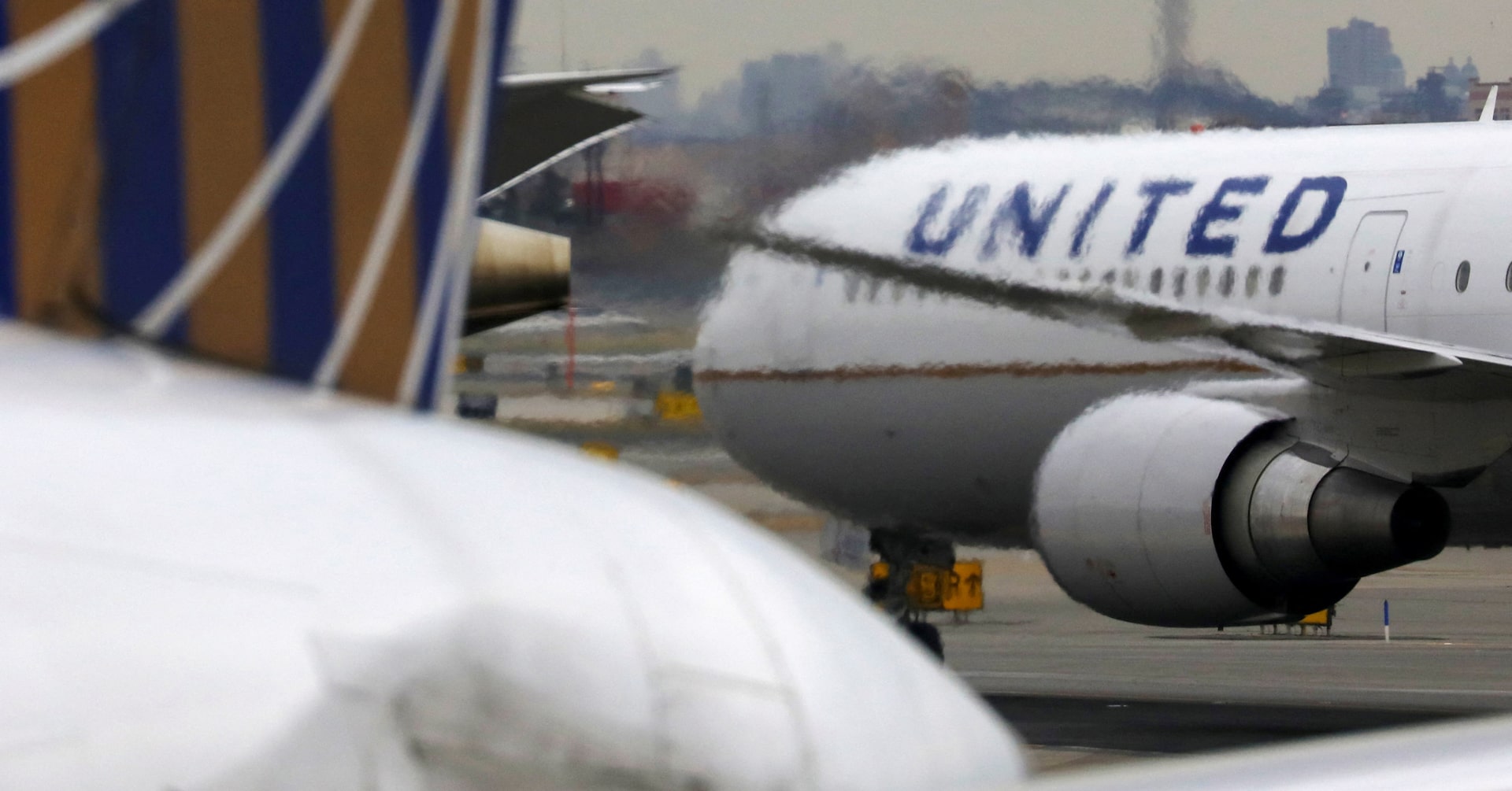
- New Investment Moves: Berkshire Hathaway disclosed a $2.65 billion investment in Delta Air Lines, indicating confidence in the airline industry's recovery and laying a foundation for future revenue growth.
- Small Stake Adjustments: The company also acquired a small stake in Macy's, demonstrating ongoing interest in the retail sector despite challenges in the overall retail environment.
- Divestiture of Smaller Stocks: Berkshire sold off holdings in Amazon and UnitedHealth Group, reflecting a significant shift in its investment strategy that could impact the market performance of these companies.
- Management Change Impact: This portfolio reshuffling occurs in the first quarter under new CEO Greg Abel, highlighting the direct influence of leadership changes on investment decisions and potentially leading to further adjustments in future investment directions.
See More
AMD Secures $5B Credit Facility with JPMorgan Chase

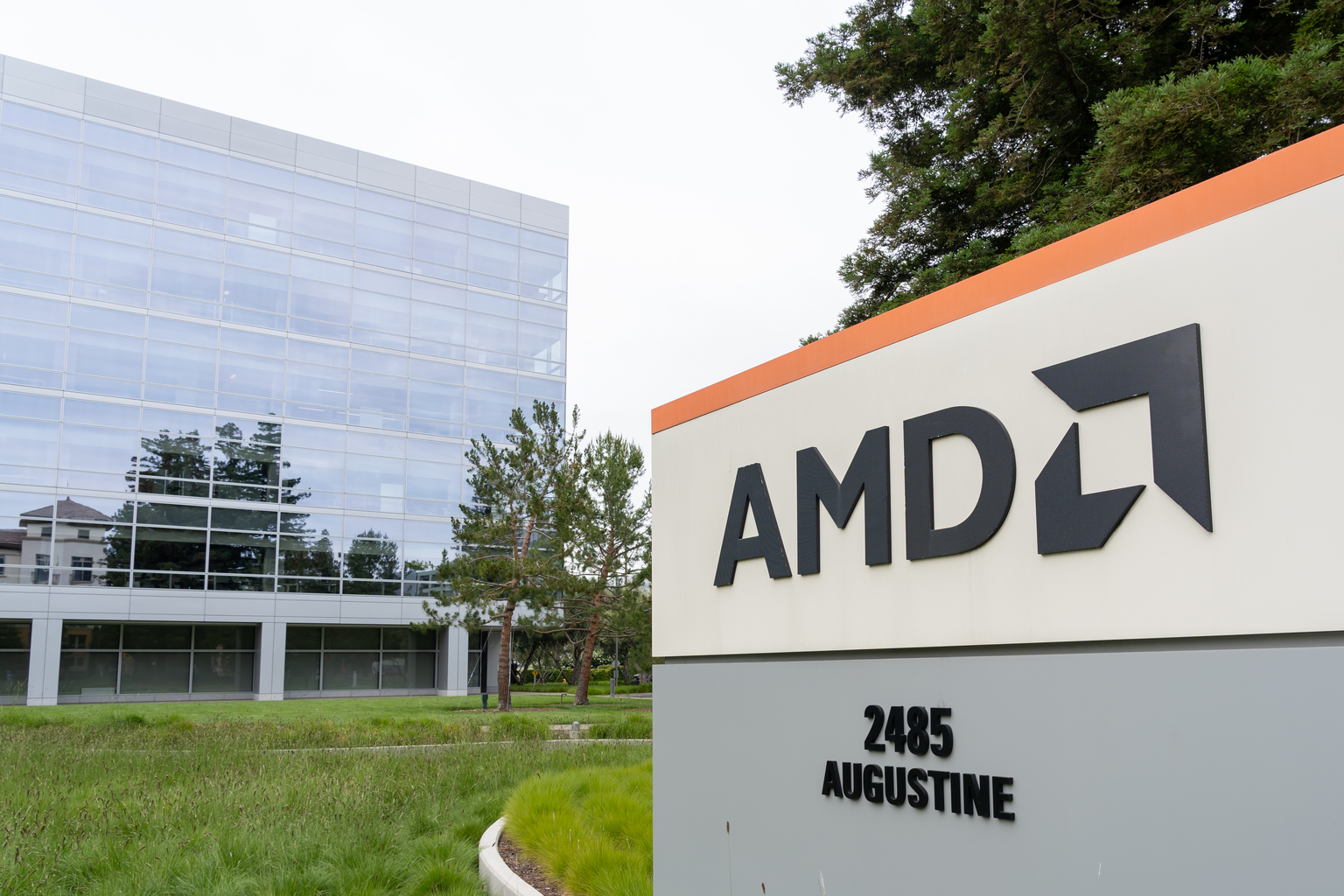
- Credit Facility Update: AMD has entered into a five-year, $5 billion unsecured revolving credit facility with JPMorgan Chase, replacing its previous credit agreement with Wells Fargo from 2022, which will enhance the company's liquidity and support future investment plans.
- Commercial Paper Limit Increase: AMD has raised its maximum aggregate amount outstanding of unsecured commercial paper notes from $3 billion to $5.5 billion, indicating the company's confidence in its market financing capabilities and providing more funding for general corporate purposes.
- Clear Use of Funds: According to the filing with the U.S. Securities and Exchange Commission, proceeds from these notes will be used for general corporate purposes, which will help the company maintain competitiveness in the rapidly changing semiconductor market.
- Positive Market Reaction: The completion of this credit facility is interpreted by the market as a sign of AMD's financial health, potentially having a positive impact on its stock price and further solidifying investor confidence in the company's future growth.
See More
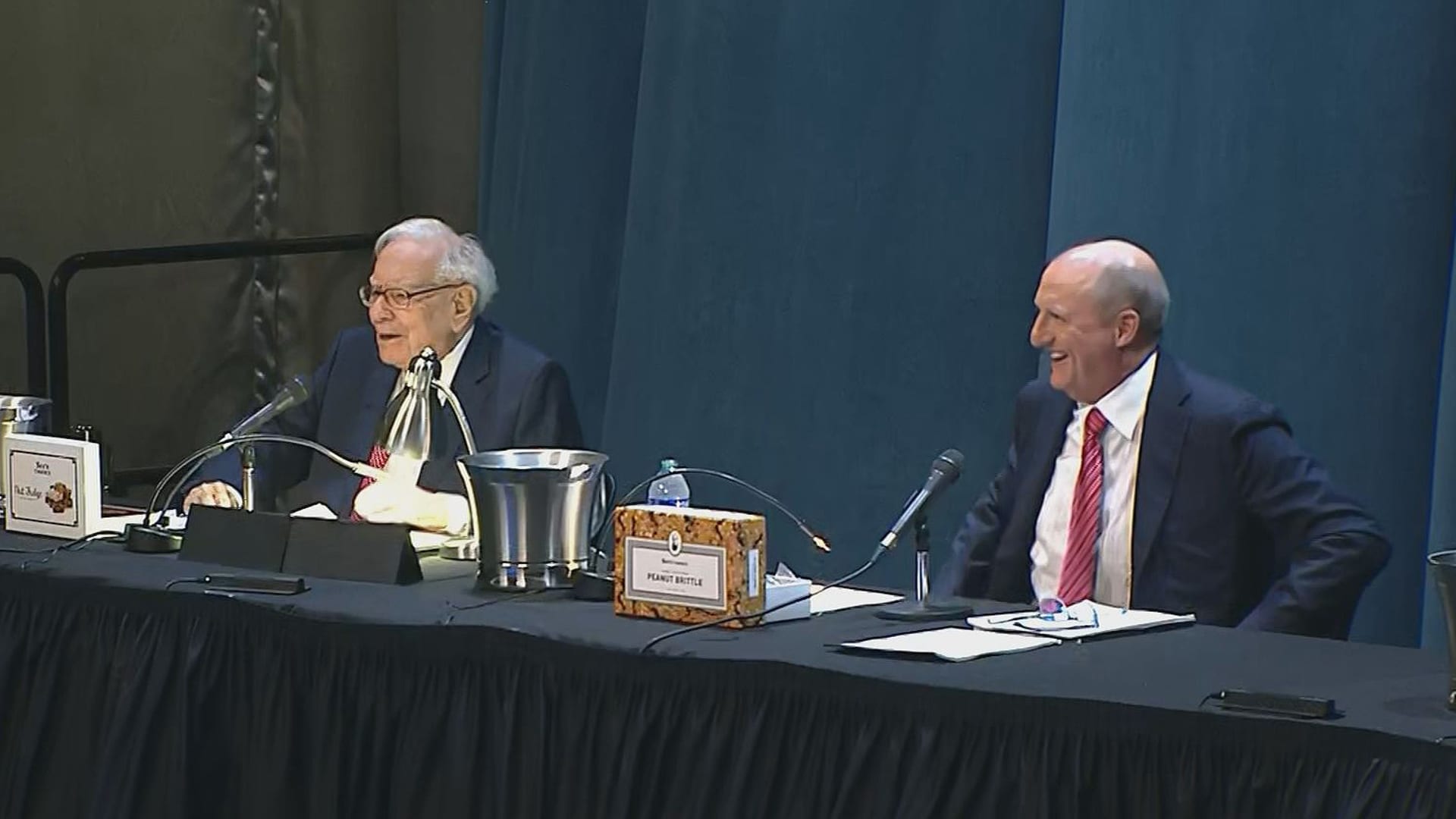
Berkshire Hathaway Reenters Airline Sector with Delta Stake


- Return to Airlines: Berkshire Hathaway has acquired a stake worth over $2.6 billion in Delta Air Lines, marking its return to the airline industry after exiting entirely during the pandemic in 2020, which reflects confidence in the recovery of the aviation market.
- Portfolio Adjustments: In the first quarter, Berkshire trimmed its stake in Chevron while significantly increasing its investment in Alphabet, now its seventh-largest holding, indicating a strategic shift towards technology stocks.
- Impact of Executive Changes: Following the departure of investment manager Todd Combs, Berkshire sold several stocks last quarter, including a complete exit from Amazon, highlighting the necessity of adjusting investment strategies in response to leadership changes.
- Cash Reserve Challenges: Buffett acknowledged the current investment environment is not ideal, with Berkshire's cash reserves nearing $400 billion; nevertheless, the company resumed stock buybacks in the first quarter, signaling a search for suitable investment opportunities.
See More
Analysis of Investor Sentiment and Market Strategies
- Fear of Market Peaks: Despite the S&P 500 reaching all-time highs, many investors hesitate due to concerns about timing; however, since 1950, the index has hit new highs on about 7% of trading days, and in a third of those instances, it did not decline, indicating that waiting for dips can lead to missed opportunities.
- Emotion-Driven Decisions: Investors often sell in panic during market downturns, yet studies show that the largest gains typically follow significant declines, highlighting the importance of maintaining composure in volatile markets to avoid underperformance.
- Risks of Chasing Hot Stocks: Investors frequently chase stocks that are rising rapidly due to fear of missing out, but over the long term, valuations matter, and buying into already inflated stocks can lead to losses, resulting in what are derogatorily termed 'bag holders'.
- Advantages of Dollar-Cost Averaging: By consistently investing a fixed amount into index-based ETFs like the Vanguard S&P 500 ETF and Invesco QQQ Trust, investors can average their cost basis over time, which helps build wealth with reduced emotional stress in fluctuating markets.
See More
Berkshire Hathaway's Major Portfolio Overhaul Under Greg Abel
- Portfolio Restructuring: Under Greg Abel's leadership, Berkshire Hathaway's equity portfolio underwent significant changes in the first three months, adding Delta Air Lines and Macy's, indicating a renewed focus on the airline and retail sectors.
- Massive Alphabet Stake Increase: Berkshire increased its stake in Google's parent company Alphabet by 224% in Q1, making it the company's seventh-largest holding with a market value of $16.6 billion, and the stock has rallied 38% since, showcasing the success of this decision.
- Reduction in Holdings: Abel dramatically cut the number of companies in the portfolio, selling off major stakes including Amazon and Visa, with Amazon's shares reduced from 10 million to 2.3 million, reflecting a significant strategic shift in investment focus.
- Return to Delta Airlines: Berkshire purchased 39.8 million shares of Delta Air Lines in Q1, currently valued at $2.8 billion, marking the company's first return to airline stocks since 2020, demonstrating confidence in the recovery of the airline industry.
See More
Market Volatility Heightens, Investors Eye Three Key Financial Stocks
- Berkshire Hathaway Cash Reserves: Under new CEO Greg Abel, Berkshire Hathaway's cash reserves have surged to $397 billion, generating nearly $24 billion in free cash flow over the past year, showcasing its robust cash-generating ability and long-term investment value despite market volatility.
- JPMorgan Chase Industry Leadership: As the largest bank in the U.S. with over $3.7 trillion in assets, JPMorgan Chase reported a net income of $16.5 billion in Q1, with a sustainable 23% return on tangible common equity (ROTCE) indicating strong market performance, particularly with a 28% growth in investment banking fees.
- BlackRock Asset Management Edge: As the world's largest asset manager with nearly $14 trillion in assets under management, BlackRock recorded $130 billion in inflows in Q1, driving an 8% growth in base fees, reflecting its strong performance amid rising demand for passive management ETFs and solidifying its market leadership.
- Investment Opportunities Amid Market Correction: In light of increasing market volatility, Berkshire Hathaway, JPMorgan Chase, and BlackRock are viewed as top stocks for investors to consider during potential market corrections, as their strong financial foundations and adaptability provide relatively safe investment options.
See More
Berkshire Hathaway Restructures Portfolio with $2.65 Billion Delta Investment
- New Investment Moves: Berkshire Hathaway disclosed a $2.65 billion investment in Delta Air Lines, indicating confidence in the airline industry's recovery and laying a foundation for future revenue growth.
- Small Stake Adjustments: The company also acquired a small stake in Macy's, demonstrating ongoing interest in the retail sector despite challenges in the overall retail environment.
- Divestiture of Smaller Stocks: Berkshire sold off holdings in Amazon and UnitedHealth Group, reflecting a significant shift in its investment strategy that could impact the market performance of these companies.
- Management Change Impact: This portfolio reshuffling occurs in the first quarter under new CEO Greg Abel, highlighting the direct influence of leadership changes on investment decisions and potentially leading to further adjustments in future investment directions.
See More
AMD Secures $5B Credit Facility with JPMorgan Chase
- Credit Facility Update: AMD has entered into a five-year, $5 billion unsecured revolving credit facility with JPMorgan Chase, replacing its previous credit agreement with Wells Fargo from 2022, which will enhance the company's liquidity and support future investment plans.
- Commercial Paper Limit Increase: AMD has raised its maximum aggregate amount outstanding of unsecured commercial paper notes from $3 billion to $5.5 billion, indicating the company's confidence in its market financing capabilities and providing more funding for general corporate purposes.
- Clear Use of Funds: According to the filing with the U.S. Securities and Exchange Commission, proceeds from these notes will be used for general corporate purposes, which will help the company maintain competitiveness in the rapidly changing semiconductor market.
- Positive Market Reaction: The completion of this credit facility is interpreted by the market as a sign of AMD's financial health, potentially having a positive impact on its stock price and further solidifying investor confidence in the company's future growth.
See More
Berkshire Hathaway Reenters Airline Sector with Delta Stake
- Return to Airlines: Berkshire Hathaway has acquired a stake worth over $2.6 billion in Delta Air Lines, marking its return to the airline industry after exiting entirely during the pandemic in 2020, which reflects confidence in the recovery of the aviation market.
- Portfolio Adjustments: In the first quarter, Berkshire trimmed its stake in Chevron while significantly increasing its investment in Alphabet, now its seventh-largest holding, indicating a strategic shift towards technology stocks.
- Impact of Executive Changes: Following the departure of investment manager Todd Combs, Berkshire sold several stocks last quarter, including a complete exit from Amazon, highlighting the necessity of adjusting investment strategies in response to leadership changes.
- Cash Reserve Challenges: Buffett acknowledged the current investment environment is not ideal, with Berkshire's cash reserves nearing $400 billion; nevertheless, the company resumed stock buybacks in the first quarter, signaling a search for suitable investment opportunities.
See More