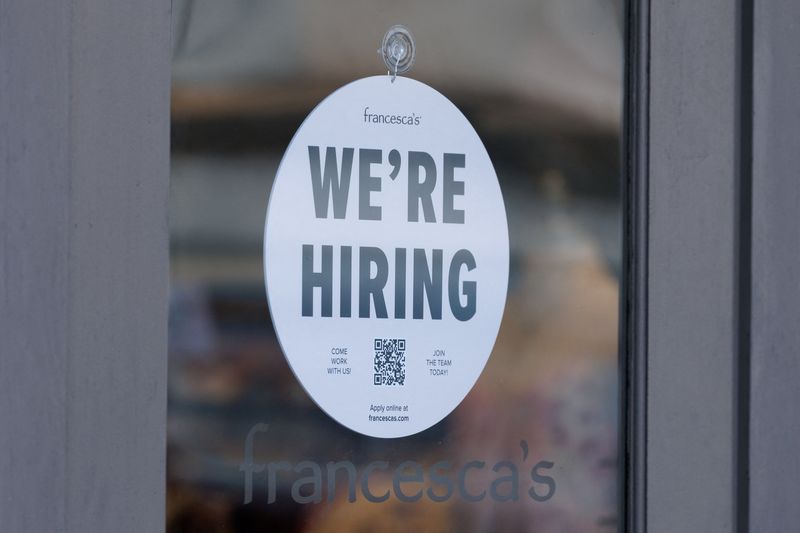
UPS Reports 28% Drop in Quarterly Profit, Shifts Focus to Higher-Margin Deliveries
Written by Emily J. Thompson, Senior Investment Analyst
Updated: Apr 28 2026
0mins
Should l Buy UPS?
Source: Newsfilter
- Significant Profit Decline: UPS reported a 28% drop in quarterly adjusted profit, with earnings per share falling from $1.49 last year to $1.07, indicating pressure on profitability amid changing customer demands, which could impact investor confidence moving forward.
- Slight Revenue Decrease: The company's quarterly revenue decreased by 1.6% to $21.2 billion, reflecting a strategic pullback from deliveries for Amazon, which may lead to further market share loss as UPS adjusts its business focus.
- Strategic Shift: UPS is cutting back on low-margin delivery services to concentrate on higher-margin sectors such as healthcare and data centers, aiming to enhance operational efficiency and competitiveness, particularly against FedEx.
- Stable Future Outlook: Despite current challenges, UPS maintains its forecast for a 1.2% revenue increase in 2026 and an adjusted operating margin of approximately 9.6%, demonstrating confidence in long-term growth prospects.
Trade with 70% Backtested Accuracy
Stop guessing "Should I Buy UPS?" and start using high-conviction signals backed by rigorous historical data.
Sign up today to access powerful investing tools and make smarter, data-driven decisions.
Analyst Views on UPS
Wall Street analysts forecast UPS stock price to rise
19 Analyst Rating
9 Buy
9 Hold
1 Sell
Moderate Buy
Current: 100.100

Low
80.00
Averages
107.06
High
126.00
Current: 100.100
Low
80.00
Averages
107.06
High
126.00
About UPS
United Parcel Service, Inc. is a global package delivery and logistics provider. Its U.S. Domestic Package segment offers a full spectrum of air and ground package transportation services. Its air portfolio offers time-definite, same-day, next-day, two-day and three-day delivery alternatives as well as air cargo services. Its ground network enables customers to ship using its day-definite ground service. Ground Saver provides residential ground service for customers with non-urgent, lightweight residential shipments. Its International Package segment consists of small package operations in Europe, Middle East and Africa, Canada and Latin America and Asia. It offers a selection of guaranteed day and time-definite international transportation services supported by its brokerage capabilities that facilitate cross-border clearance for international shipments. Its supply chain solutions consist of customized third-party logistics and specialized cold chain transportation solutions.
About the author

Emily J. Thompson
Emily J. Thompson, a Chartered Financial Analyst (CFA) with 12 years in investment research, graduated with honors from the Wharton School. Specializing in industrial and technology stocks, she provides in-depth analysis for Intellectia’s earnings and market brief reports.

Amazon's Strategic Crossroads for the Next Decade


- Logistics Network Optimization: Under CEO Andy Jassy, Amazon has significantly improved delivery efficiency and reduced transportation costs by restructuring its U.S. distribution network into eight independent hubs, enhancing its competitive edge in e-commerce.
- New Business Model Exploration: The recent launch of Amazon Supply Chain Services, allowing other businesses to utilize its distribution network, mirrors the successful AWS model and could transform its logistics operations into a new long-term growth engine, diversifying revenue streams.
- AI Investment: Amazon plans to invest a staggering $200 billion in AI-related capital expenditures by 2025, which may pressure stock performance in the short term; however, management believes AI will reinvent customer experiences and yield long-term rewards.
- Long-Term Growth Potential: Despite facing competition and high costs in the AI sector, Amazon's leadership in logistics and ongoing investments position it for strong growth over the next decade, although short-term uncertainties may impact stock performance.
See More

Long-Term Investment Opportunities Amid Market Uncertainty

- UPS's Transformation Progress: Despite challenges from Amazon's open delivery network, UPS is shifting towards higher-margin customers, achieving revenue per package growth, and is expected to reach a business inflection point in the second half of 2026, indicating strong long-term investment potential.
- Hormel's Brand Revamp: After a 60% drop in stock price, Hormel Foods is reworking its brand and product portfolio, with recent organic growth trending upward, and its 5.6% dividend yield providing stable returns for long-term investors, showcasing resilience during tough times.
- Medtronic's Focus Strategy: Medtronic is enhancing profitability by spinning off its diabetes business and launching new products like the Hugo surgical robot; despite a 40% stock price decline, its 3.6% dividend yield remains attractive to long-term investors, underscoring its leadership in the medical device sector.
- Importance of Dividends: UPS, Hormel, and Medtronic all offer stable dividends, helping investors maintain confidence during market volatility, and while the market may not fully recognize these companies' business improvements, their long-term outlook remains optimistic.
See More

Long-Term Investment Potential of UPS, Hormel, and Medtronic
- UPS Transformation Progress: Despite competition from Amazon, UPS is shifting towards higher-margin customers and expects to achieve a business turnaround by the second half of 2026, with revenue per package growth indicating management's successful strategy, while a 6.5% dividend yield attracts long-term investors.
- Hormel Brand Restructuring: Hormel Foods is reworking its brand and product portfolio after a 60% stock price decline, with recent organic growth trends improving; its 5.6% dividend yield and 46% controlling stake provide flexibility for long-term decision-making.
- Medtronic Profitability Focus: Medtronic is enhancing profitability by spinning off its diabetes business, which is expected to positively impact earnings; despite a 40% decline from its 2021 high, its 3.6% dividend yield remains appealing to long-term investors.
- Importance of Dividends: UPS, Hormel, and Medtronic offer stable dividends in an uncertain market, helping investors maintain confidence during volatility, while also making significant progress in their business overhauls.
See More

UPS Faces Complex Challenges Ahead in 2026
- Amazon Delivery Volume Reduction: UPS plans to cut its delivery volume for Amazon by 50% from early 2025 to mid-2026, directly impacting revenue, with Amazon accounting for 11.8% of UPS's total revenue in 2024; revenue is expected to drop to $88.7 billion in 2025, and while a recovery to $89.7 billion is anticipated in 2026, it still falls short of 2024 levels.
- Short-term Profitability Pressure: UPS incurred approximately $150 million in transitional costs in Q1 2024 due to adjustments in its delivery network; although the
See More

UPS Reduces Amazon Delivery Volume, Impacting Revenue
- Revenue Decline: UPS plans to reduce Amazon delivery volume by 50% from early 2025 to mid-2026, which is expected to decrease revenue from $91 billion in 2024 to $88.7 billion in 2025, with a slight recovery to $89.7 billion in 2026, still below 2024 levels.
- Profit Pressure: Adjusting the delivery network to accommodate lower Amazon volumes is eroding UPS's near-term profitability, with transitional costs around $150 million in the first quarter expected to gradually decrease in the second quarter.
- Competitive Threat: Amazon's recent launch of Amazon Supply Chain Services (ASCS) poses a significant threat to UPS, particularly targeting small and medium-sized businesses that may shift to Amazon's logistics, further eroding UPS's market share.
- Complex Market Outlook: Although management anticipates a recovery in margins in the second half of 2026, the uncertainty remains high as two-thirds of the 8% decline in U.S. domestic package volume in the first quarter was attributed to the reduction in Amazon deliveries.
See More

Analysis of Three Stocks with Rebound Potential

- Pfizer's Current Status: Pfizer's stock has fallen about 50% from its 2021 peak, facing competition in the GLP-1 weight-loss market and several patent expirations; however, with a $150 billion market cap and a gross margin of 66.23%, it remains a large pharmaceutical giant, suggesting potential for a rebound for long-term investors.
- General Mills' Challenges: General Mills' stock is down 60% from its 2023 high, impacted by inflation and changing consumer preferences, with organic sales down 3% in the first three quarters of fiscal 2026; however, its 125-year history and strong brand portfolio indicate a likelihood of recovery in the future.
- UPS's Business Restructuring: UPS's stock has dropped over 50% from its 2022 high, as the company undergoes a business overhaul to cut costs and focus on profitable customers; despite short-term revenue declines, rising revenue per piece suggests potential for improved profitability.
- Attractive Dividend Yields: Pfizer, General Mills, and UPS offer dividend yields of 6.5%, 7%, and 6.6%, respectively, providing investors with solid returns while waiting for these turnaround stories to unfold, enhancing their investment appeal.
See More
Amazon's Strategic Crossroads for the Next Decade
- Logistics Network Optimization: Under CEO Andy Jassy, Amazon has significantly improved delivery efficiency and reduced transportation costs by restructuring its U.S. distribution network into eight independent hubs, enhancing its competitive edge in e-commerce.
- New Business Model Exploration: The recent launch of Amazon Supply Chain Services, allowing other businesses to utilize its distribution network, mirrors the successful AWS model and could transform its logistics operations into a new long-term growth engine, diversifying revenue streams.
- AI Investment: Amazon plans to invest a staggering $200 billion in AI-related capital expenditures by 2025, which may pressure stock performance in the short term; however, management believes AI will reinvent customer experiences and yield long-term rewards.
- Long-Term Growth Potential: Despite facing competition and high costs in the AI sector, Amazon's leadership in logistics and ongoing investments position it for strong growth over the next decade, although short-term uncertainties may impact stock performance.
See More
Long-Term Investment Opportunities Amid Market Uncertainty
- UPS's Transformation Progress: Despite challenges from Amazon's open delivery network, UPS is shifting towards higher-margin customers, achieving revenue per package growth, and is expected to reach a business inflection point in the second half of 2026, indicating strong long-term investment potential.
- Hormel's Brand Revamp: After a 60% drop in stock price, Hormel Foods is reworking its brand and product portfolio, with recent organic growth trending upward, and its 5.6% dividend yield providing stable returns for long-term investors, showcasing resilience during tough times.
- Medtronic's Focus Strategy: Medtronic is enhancing profitability by spinning off its diabetes business and launching new products like the Hugo surgical robot; despite a 40% stock price decline, its 3.6% dividend yield remains attractive to long-term investors, underscoring its leadership in the medical device sector.
- Importance of Dividends: UPS, Hormel, and Medtronic all offer stable dividends, helping investors maintain confidence during market volatility, and while the market may not fully recognize these companies' business improvements, their long-term outlook remains optimistic.
See More
Long-Term Investment Potential of UPS, Hormel, and Medtronic
- UPS Transformation Progress: Despite competition from Amazon, UPS is shifting towards higher-margin customers and expects to achieve a business turnaround by the second half of 2026, with revenue per package growth indicating management's successful strategy, while a 6.5% dividend yield attracts long-term investors.
- Hormel Brand Restructuring: Hormel Foods is reworking its brand and product portfolio after a 60% stock price decline, with recent organic growth trends improving; its 5.6% dividend yield and 46% controlling stake provide flexibility for long-term decision-making.
- Medtronic Profitability Focus: Medtronic is enhancing profitability by spinning off its diabetes business, which is expected to positively impact earnings; despite a 40% decline from its 2021 high, its 3.6% dividend yield remains appealing to long-term investors.
- Importance of Dividends: UPS, Hormel, and Medtronic offer stable dividends in an uncertain market, helping investors maintain confidence during volatility, while also making significant progress in their business overhauls.
See More
UPS Faces Complex Challenges Ahead in 2026
- Amazon Delivery Volume Reduction: UPS plans to cut its delivery volume for Amazon by 50% from early 2025 to mid-2026, directly impacting revenue, with Amazon accounting for 11.8% of UPS's total revenue in 2024; revenue is expected to drop to $88.7 billion in 2025, and while a recovery to $89.7 billion is anticipated in 2026, it still falls short of 2024 levels.
- Short-term Profitability Pressure: UPS incurred approximately $150 million in transitional costs in Q1 2024 due to adjustments in its delivery network; although the
See More
UPS Reduces Amazon Delivery Volume, Impacting Revenue
- Revenue Decline: UPS plans to reduce Amazon delivery volume by 50% from early 2025 to mid-2026, which is expected to decrease revenue from $91 billion in 2024 to $88.7 billion in 2025, with a slight recovery to $89.7 billion in 2026, still below 2024 levels.
- Profit Pressure: Adjusting the delivery network to accommodate lower Amazon volumes is eroding UPS's near-term profitability, with transitional costs around $150 million in the first quarter expected to gradually decrease in the second quarter.
- Competitive Threat: Amazon's recent launch of Amazon Supply Chain Services (ASCS) poses a significant threat to UPS, particularly targeting small and medium-sized businesses that may shift to Amazon's logistics, further eroding UPS's market share.
- Complex Market Outlook: Although management anticipates a recovery in margins in the second half of 2026, the uncertainty remains high as two-thirds of the 8% decline in U.S. domestic package volume in the first quarter was attributed to the reduction in Amazon deliveries.
See More
Analysis of Three Stocks with Rebound Potential
- Pfizer's Current Status: Pfizer's stock has fallen about 50% from its 2021 peak, facing competition in the GLP-1 weight-loss market and several patent expirations; however, with a $150 billion market cap and a gross margin of 66.23%, it remains a large pharmaceutical giant, suggesting potential for a rebound for long-term investors.
- General Mills' Challenges: General Mills' stock is down 60% from its 2023 high, impacted by inflation and changing consumer preferences, with organic sales down 3% in the first three quarters of fiscal 2026; however, its 125-year history and strong brand portfolio indicate a likelihood of recovery in the future.
- UPS's Business Restructuring: UPS's stock has dropped over 50% from its 2022 high, as the company undergoes a business overhaul to cut costs and focus on profitable customers; despite short-term revenue declines, rising revenue per piece suggests potential for improved profitability.
- Attractive Dividend Yields: Pfizer, General Mills, and UPS offer dividend yields of 6.5%, 7%, and 6.6%, respectively, providing investors with solid returns while waiting for these turnaround stories to unfold, enhancing their investment appeal.
See More