United Airlines Lowers FY25 Profit Outlook Amid Fuel Costs
Written by Emily J. Thompson, Senior Investment Analyst
Updated: 1 day ago
0mins
Should l Buy UAL?
Source: seekingalpha
- Profit Outlook Downgrade: United Airlines has lowered its FY25 adjusted EPS guidance from $12-$14 to $7-$11, reflecting a cautious stance on future capacity growth, particularly with expectations of flat to 2% growth in Q3 and Q4.
- Cost Pressure: Despite a 5.9% increase in cost per available seat mile (CASM-ex) in Q1, United's profit rose 31% year-over-year, indicating strong passenger revenue; however, high fuel prices continue to pressure profitability.
- Strategic Capacity Cuts: The company plans to address high fuel costs by cutting unprofitable routes and focusing capacity adjustments at Chicago O'Hare, expecting to fully recapture higher fuel costs by Q4, aiming to protect margins and cash flow.
- Fare Increases Mitigate Impact: United has raised fares five times in Q1, particularly on international flights, which are significantly covering the rising fuel costs, with management noting that higher fuel prices will lead to sustained fare increases.
Trade with 70% Backtested Accuracy
Stop guessing "Should I Buy UAL?" and start using high-conviction signals backed by rigorous historical data.
Sign up today to access powerful investing tools and make smarter, data-driven decisions.
Analyst Views on UAL
Wall Street analysts forecast UAL stock price to rise
16 Analyst Rating
15 Buy
1 Hold
0 Sell
Strong Buy
Current: 91.250

Low
115.00
Averages
139.07
High
156.00
Current: 91.250
Low
115.00
Averages
139.07
High
156.00
About UAL
United Airlines Holdings, Inc. is a holding company. The Company transports people and cargo throughout North America and to destinations in Asia, Europe, Africa, the Pacific, the Middle East and Latin America. The Company, through United Airlines, Inc., and its regional carriers, operates across over six continents, with hubs at Chicago O'Hare International Airport (ORD), Denver International Airport (DEN), George Bush Intercontinental Airport (IAH), Los Angeles International Airport (LAX), Newark Liberty International Airport (EWR), San Francisco International Airport (SFO), Washington Dulles International Airport (IAD) and A.B. Won Pat International Airport (GUM). Its hub and spoke system allow it to transport passengers between a large number of destinations with frequent services. The Company has contractual relationships with various regional carriers to provide regional aircraft service branded as United Express. It provides freight and mail transportation services (Air Cargo).
About the author

Emily J. Thompson
Emily J. Thompson, a Chartered Financial Analyst (CFA) with 12 years in investment research, graduated with honors from the Wharton School. Specializing in industrial and technology stocks, she provides in-depth analysis for Intellectia’s earnings and market brief reports.
Best Buy CEO Departure Triggers Stock Decline


- CEO Departure Impact: Best Buy's CEO Corie Barry announced her resignation, leading to a 4.8% drop in stock price on Wednesday, reflecting market unease over leadership changes that could affect the company's strategic direction and investor confidence.
- Fuel Cell Technology Surge: FuelCell Energy's stock rose by 21.1% as investor enthusiasm for its potential to power AI data centers continues to build, not only enhancing the company's market valuation but also potentially attracting more investments and partnerships.
- Airline Profit Warning: United Airlines cut its full-year profit forecast, resulting in a 7.1% decline in stock price, a move that may raise investor concerns about the airline industry's recovery capabilities and impact the company's financing and operational strategies.
- Homebuilder Earnings Beat: Taylor Morrison Home reported first-quarter 2026 earnings that exceeded Wall Street expectations, leading to a 5.5% stock increase, a performance that not only boosts market confidence in its competitiveness in a challenging housing market but may also drive future sales growth and market share expansion.
See More
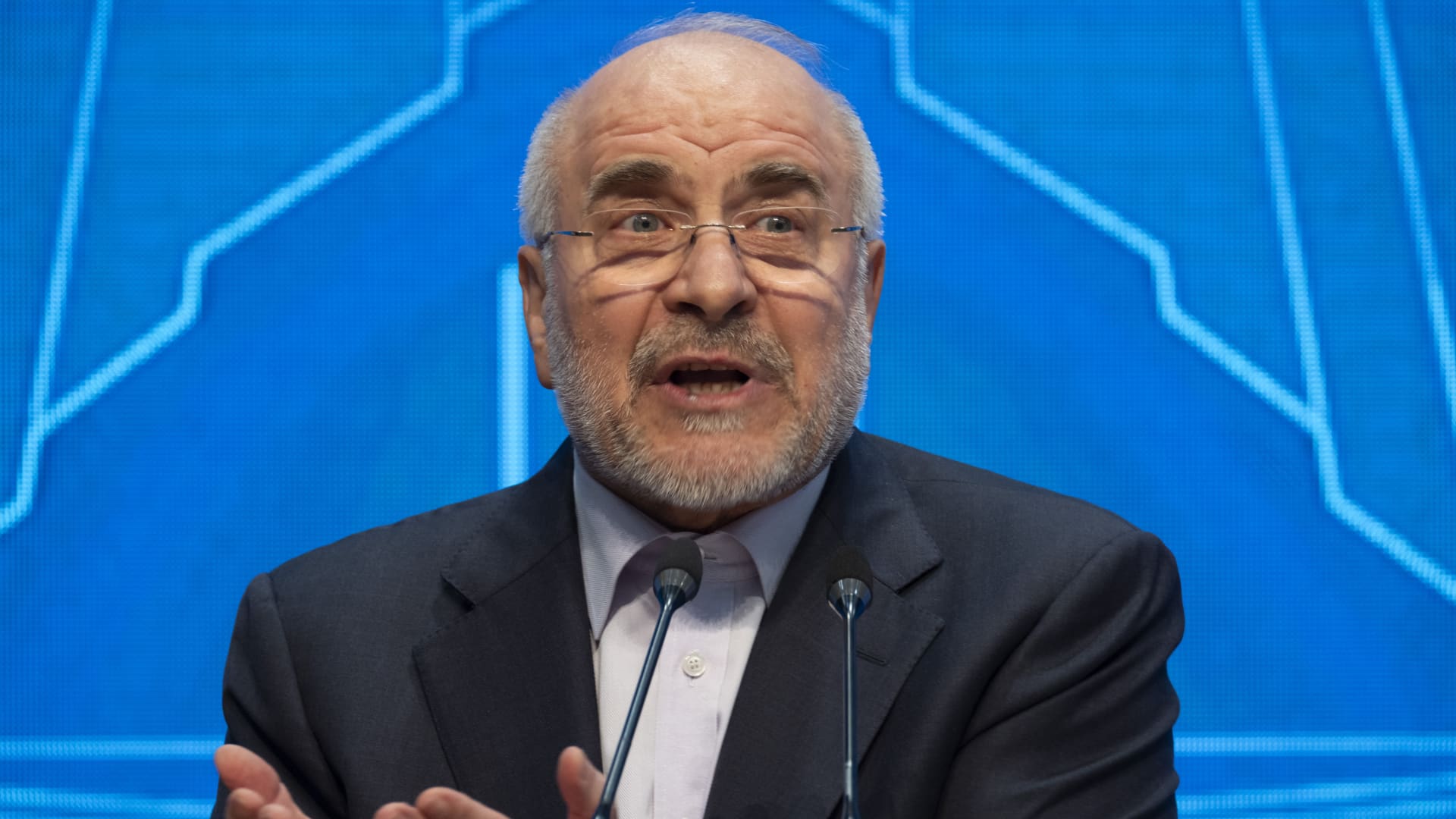
US Israel-Lebanon Ceasefire Extended Amid Tensions


- Ceasefire Extension: President Trump announced that Israel and Lebanon agreed to extend their ceasefire by three weeks, aiming to buy more time for diplomatic negotiations, although the ongoing tensions may impact investor confidence.
- Energy Security Threat: IEA head Fatih Birol warned that the current conflict has resulted in a loss of 13 million barrels of oil per day, marking the biggest energy security threat in history, which could trigger global market volatility.
- Market Reaction: U.S. stocks pulled back as investors grew wary of the ceasefire's prospects, while Asian markets opened mixed, reflecting a cautious sentiment regarding future developments.
- Corporate Layoffs: Meta plans to lay off 10% of its workforce, approximately 8,000 employees, while Nike will cut 1,400 jobs, indicating structural adjustments in the tech sector amid accelerated AI investments.
See More

Stock Futures Dip Modestly After Record Highs; Texas Instruments Shines


- Texas Instruments Earnings Surge: Texas Instruments has eliminated the overhang on its industrial business, with its data center segment growing 90% year-over-year, and a strong second-quarter guide has led to a premarket share price increase of over 10%, reflecting market confidence in its growth trajectory.
- Honeywell's Disappointing Quarter: Honeywell reported a messy quarter, causing its shares to drop over 5% in premarket trading; however, the upcoming aerospace spin-off scheduled for June 29 keeps long-term investors optimistic about its future potential.
- ServiceNow Shares Plummet: Following a noisy earnings report, ServiceNow's shares fell nearly 14% in premarket trading, as the market expressed concerns over slowed growth and high AI costs, prompting KeyBanc and Jefferies to lower their price targets significantly.
- IBM Revenue Growth Deceleration: IBM's first-quarter revenue growth slowed to 9% from 12% in the previous quarter, raising investor concerns about its future prospects, leading to a premarket decline of over 7% in its stock price, as doubts linger about the effectiveness of its AI tools in maintaining revenue streams.
See More
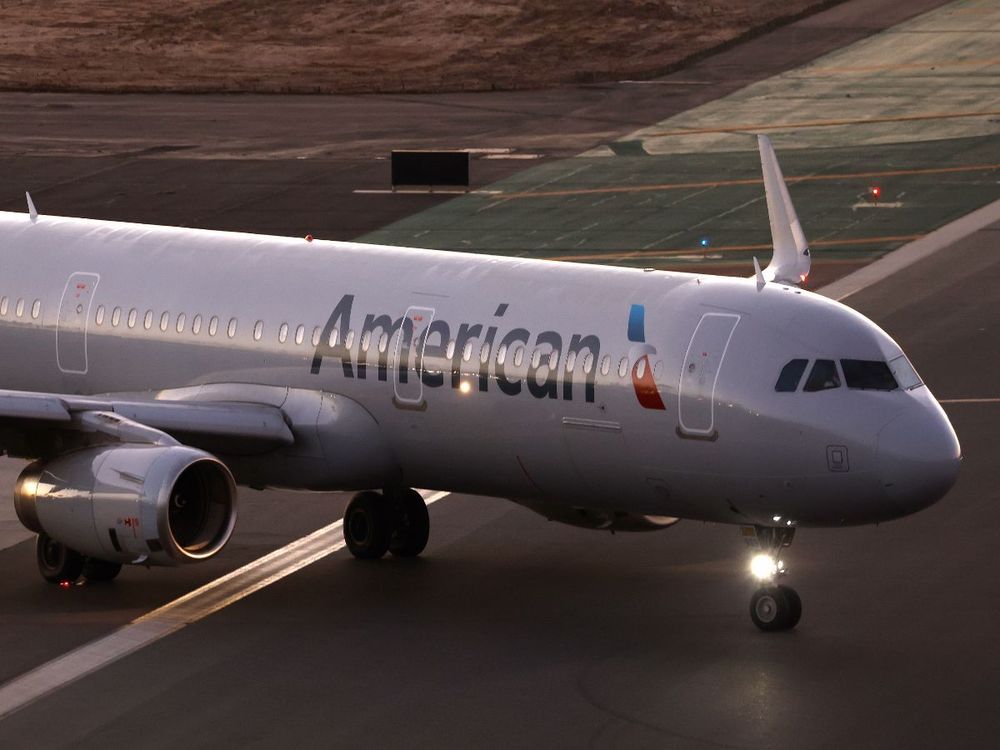
American Airlines CEO Calls Merger with United Airlines a Non-Starter
- Merger Outlook Dim: American Airlines CEO Robert Isom stated in a CNBC interview that a merger with United Airlines is a “non-starter,” highlighting potential anti-competitive issues that could reshape industry dynamics and market competition.
- Future Fare Warning: Isom cautioned that if energy prices remain elevated, airfare hikes could be expected in the second half of 2026, which would directly impact consumer travel costs and airline revenues.
- Poor Financial Performance: American Airlines reported an adjusted loss of $0.58 per share in Q1, with revenues of $13.9 billion, reflecting the financial pressures the company faces amid intense market competition and rising costs.
- Slight Stock Decline: Shares of American Airlines fell approximately 0.5% in Thursday's pre-market trading, indicating market caution regarding the company's outlook, which could affect investor confidence and future stock price movements.
See More

American Airlines CEO Opposes Merger with United Airlines
- Opposition to Merger: American Airlines CEO Robert Isom stated in a CNBC interview that a merger with United Airlines would harm consumers and labeled the idea as a 'non-starter from the get-go,' indicating strong opposition to the potential consolidation.
- Anti-competitive Concerns: Isom emphasized that merging the two largest airlines would be viewed as anti-competitive, detrimental to customers, and ultimately harmful to American Airlines and its workforce, reflecting his deep concern for the competitive landscape in the industry.
- Trump Administration's Stance: President Trump also voiced his opposition to the merger earlier this week, stating he does not favor the two major airlines merging, which indicates a cautious governmental approach towards airline consolidation.
- Market Competition Strategy: American Airlines is attempting to catch up with competitors like United and Delta by investing in new aircraft and premium products, demonstrating its strategic intent to enhance service quality and customer experience in a competitive market.
See More

U.S. Stocks Rise, Nasdaq Hits Record High


- Nasdaq Hits Record High: The Nasdaq 100 rose by 1.73%, reaching a new record high, reflecting strong investor confidence in tech stocks, particularly driven by robust corporate earnings, which may attract further investment in the tech sector.
- Earnings Beat Expectations: Companies like GE, Boeing, and Masco reported Q1 revenues of $9.34 billion, negative $1.45 billion, and $1.92 billion respectively, all exceeding market expectations, which boosted overall market sentiment and indicated signs of economic recovery.
- Oil Price Surge Affects Markets: WTI crude oil prices rose over 3% due to the blockade of the Strait of Hormuz, potentially exacerbating the global energy crisis and influencing market inflation expectations, thereby affecting investor risk appetite.
- Mortgage Applications Increase: U.S. MBA mortgage applications rose by 7.9% in the week ending April 17, with the purchase mortgage sub-index up 10.1%, indicating a rebound in housing demand that could positively impact the real estate market.
See More
Best Buy CEO Departure Triggers Stock Decline
- CEO Departure Impact: Best Buy's CEO Corie Barry announced her resignation, leading to a 4.8% drop in stock price on Wednesday, reflecting market unease over leadership changes that could affect the company's strategic direction and investor confidence.
- Fuel Cell Technology Surge: FuelCell Energy's stock rose by 21.1% as investor enthusiasm for its potential to power AI data centers continues to build, not only enhancing the company's market valuation but also potentially attracting more investments and partnerships.
- Airline Profit Warning: United Airlines cut its full-year profit forecast, resulting in a 7.1% decline in stock price, a move that may raise investor concerns about the airline industry's recovery capabilities and impact the company's financing and operational strategies.
- Homebuilder Earnings Beat: Taylor Morrison Home reported first-quarter 2026 earnings that exceeded Wall Street expectations, leading to a 5.5% stock increase, a performance that not only boosts market confidence in its competitiveness in a challenging housing market but may also drive future sales growth and market share expansion.
See More
US Israel-Lebanon Ceasefire Extended Amid Tensions
- Ceasefire Extension: President Trump announced that Israel and Lebanon agreed to extend their ceasefire by three weeks, aiming to buy more time for diplomatic negotiations, although the ongoing tensions may impact investor confidence.
- Energy Security Threat: IEA head Fatih Birol warned that the current conflict has resulted in a loss of 13 million barrels of oil per day, marking the biggest energy security threat in history, which could trigger global market volatility.
- Market Reaction: U.S. stocks pulled back as investors grew wary of the ceasefire's prospects, while Asian markets opened mixed, reflecting a cautious sentiment regarding future developments.
- Corporate Layoffs: Meta plans to lay off 10% of its workforce, approximately 8,000 employees, while Nike will cut 1,400 jobs, indicating structural adjustments in the tech sector amid accelerated AI investments.
See More
Stock Futures Dip Modestly After Record Highs; Texas Instruments Shines
- Texas Instruments Earnings Surge: Texas Instruments has eliminated the overhang on its industrial business, with its data center segment growing 90% year-over-year, and a strong second-quarter guide has led to a premarket share price increase of over 10%, reflecting market confidence in its growth trajectory.
- Honeywell's Disappointing Quarter: Honeywell reported a messy quarter, causing its shares to drop over 5% in premarket trading; however, the upcoming aerospace spin-off scheduled for June 29 keeps long-term investors optimistic about its future potential.
- ServiceNow Shares Plummet: Following a noisy earnings report, ServiceNow's shares fell nearly 14% in premarket trading, as the market expressed concerns over slowed growth and high AI costs, prompting KeyBanc and Jefferies to lower their price targets significantly.
- IBM Revenue Growth Deceleration: IBM's first-quarter revenue growth slowed to 9% from 12% in the previous quarter, raising investor concerns about its future prospects, leading to a premarket decline of over 7% in its stock price, as doubts linger about the effectiveness of its AI tools in maintaining revenue streams.
See More
American Airlines CEO Calls Merger with United Airlines a Non-Starter
- Merger Outlook Dim: American Airlines CEO Robert Isom stated in a CNBC interview that a merger with United Airlines is a “non-starter,” highlighting potential anti-competitive issues that could reshape industry dynamics and market competition.
- Future Fare Warning: Isom cautioned that if energy prices remain elevated, airfare hikes could be expected in the second half of 2026, which would directly impact consumer travel costs and airline revenues.
- Poor Financial Performance: American Airlines reported an adjusted loss of $0.58 per share in Q1, with revenues of $13.9 billion, reflecting the financial pressures the company faces amid intense market competition and rising costs.
- Slight Stock Decline: Shares of American Airlines fell approximately 0.5% in Thursday's pre-market trading, indicating market caution regarding the company's outlook, which could affect investor confidence and future stock price movements.
See More
American Airlines CEO Opposes Merger with United Airlines
- Opposition to Merger: American Airlines CEO Robert Isom stated in a CNBC interview that a merger with United Airlines would harm consumers and labeled the idea as a 'non-starter from the get-go,' indicating strong opposition to the potential consolidation.
- Anti-competitive Concerns: Isom emphasized that merging the two largest airlines would be viewed as anti-competitive, detrimental to customers, and ultimately harmful to American Airlines and its workforce, reflecting his deep concern for the competitive landscape in the industry.
- Trump Administration's Stance: President Trump also voiced his opposition to the merger earlier this week, stating he does not favor the two major airlines merging, which indicates a cautious governmental approach towards airline consolidation.
- Market Competition Strategy: American Airlines is attempting to catch up with competitors like United and Delta by investing in new aircraft and premium products, demonstrating its strategic intent to enhance service quality and customer experience in a competitive market.
See More
U.S. Stocks Rise, Nasdaq Hits Record High
- Nasdaq Hits Record High: The Nasdaq 100 rose by 1.73%, reaching a new record high, reflecting strong investor confidence in tech stocks, particularly driven by robust corporate earnings, which may attract further investment in the tech sector.
- Earnings Beat Expectations: Companies like GE, Boeing, and Masco reported Q1 revenues of $9.34 billion, negative $1.45 billion, and $1.92 billion respectively, all exceeding market expectations, which boosted overall market sentiment and indicated signs of economic recovery.
- Oil Price Surge Affects Markets: WTI crude oil prices rose over 3% due to the blockade of the Strait of Hormuz, potentially exacerbating the global energy crisis and influencing market inflation expectations, thereby affecting investor risk appetite.
- Mortgage Applications Increase: U.S. MBA mortgage applications rose by 7.9% in the week ending April 17, with the purchase mortgage sub-index up 10.1%, indicating a rebound in housing demand that could positively impact the real estate market.
See More