UK Bond Yields Surge as Starmer Faces Resignation Pressure
Written by Emily J. Thompson, Senior Investment Analyst
Updated: 3 days ago
0mins
Should l Buy C?
Source: CNBC
- Surge in Bond Yields: By 11:15 a.m. on Tuesday, the yield on the UK 10-year gilt rose by 10 basis points to 5.101%, reflecting strong market expectations for Prime Minister Starmer's resignation, which could lead to increased government borrowing costs.
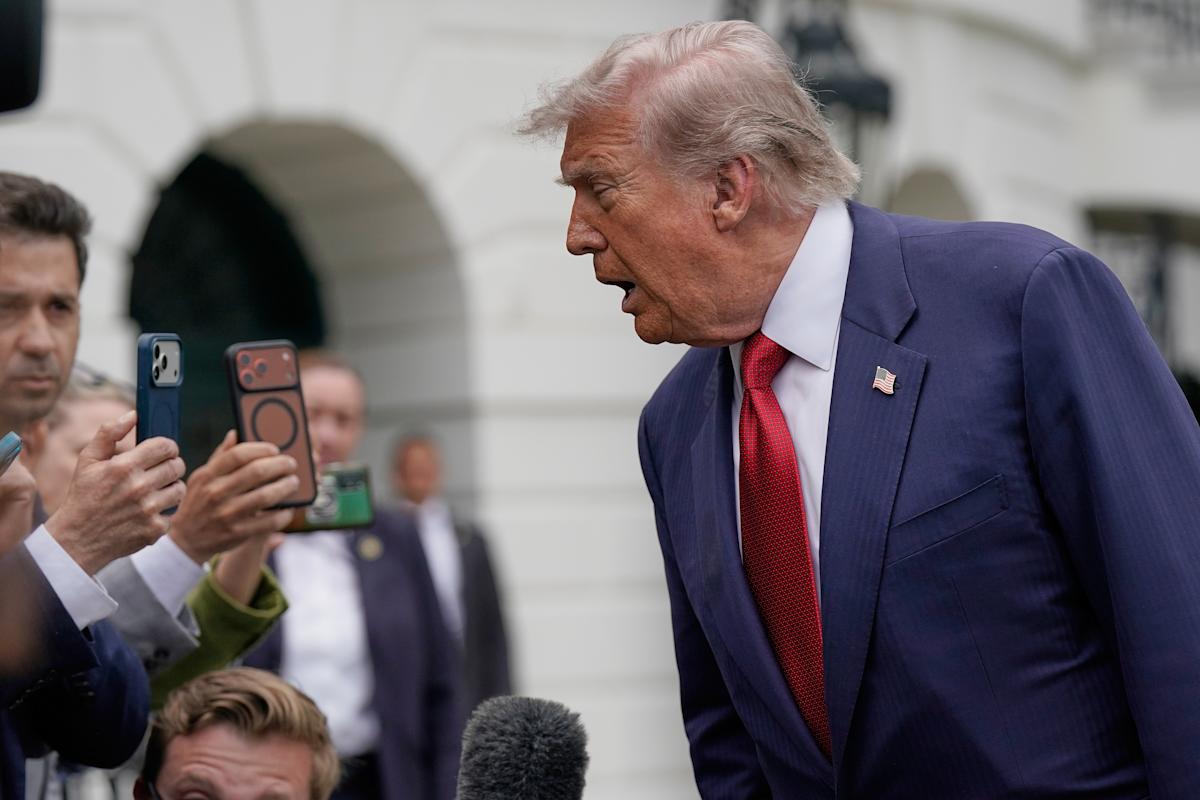
- Escalating Political Pressure: With over 70 Labour MPs calling for Starmer's resignation, he reiterated his refusal to step down during a cabinet meeting, yet this situation may trigger a leadership challenge that could impact the party's policy direction.
- Significant Market Reaction: Analysts noted that the bond market is reacting strongly to the political risk premium associated with Starmer, with long-dated yields reaching near three-decade highs, potentially leading to increased market volatility and affecting domestic companies' financing conditions.
- Uncertain Future Outlook: Citi strategists warned that if Starmer is forced to resign, it could trigger a leftward shift in Labour policies and more expansionary fiscal measures, with expectations that gilt yields could rise to between 5% and 5.25%, introducing uncertainty into the market.
Trade with 70% Backtested Accuracy
Stop guessing "Should I Buy C?" and start using high-conviction signals backed by rigorous historical data.
Sign up today to access powerful investing tools and make smarter, data-driven decisions.
Analyst Views on C
Wall Street analysts forecast C stock price to rise
18 Analyst Rating
15 Buy
3 Hold
0 Sell
Strong Buy
Current: 124.820

Low
87.00
Averages
131.00
High
150.00
Current: 124.820
Low
87.00
Averages
131.00
High
150.00
About C
Citigroup Inc. is a global diversified financial services holding company. The Company’s segments include Services, Markets, Banking, Wealth and U.S. Personal Banking (USPB). The Services segment includes Treasury and Trade Solutions (TTS) and securities services. TTS provides an integrated suite of tailored cash management, trade and working capital solutions to multinational corporations, financial institutions and public sector organizations. The Markets segment provides corporate, institutional and public sector clients around the world with a full range of sales and trading services across equities, foreign exchange, rates, spread products and commodities. The Banking segment includes investment banking, which supports client capital-raising needs to help strengthen and grow their businesses. The Wealth segment includes Private Bank, Wealth at Work and Citigold and provides financial services to a range of client segments. USPB segment includes branded cards and retail services.
About the author

Emily J. Thompson
Emily J. Thompson, a Chartered Financial Analyst (CFA) with 12 years in investment research, graduated with honors from the Wharton School. Specializing in industrial and technology stocks, she provides in-depth analysis for Intellectia’s earnings and market brief reports.
Honda Motor Faces First Operating Loss in Nearly 70 Years


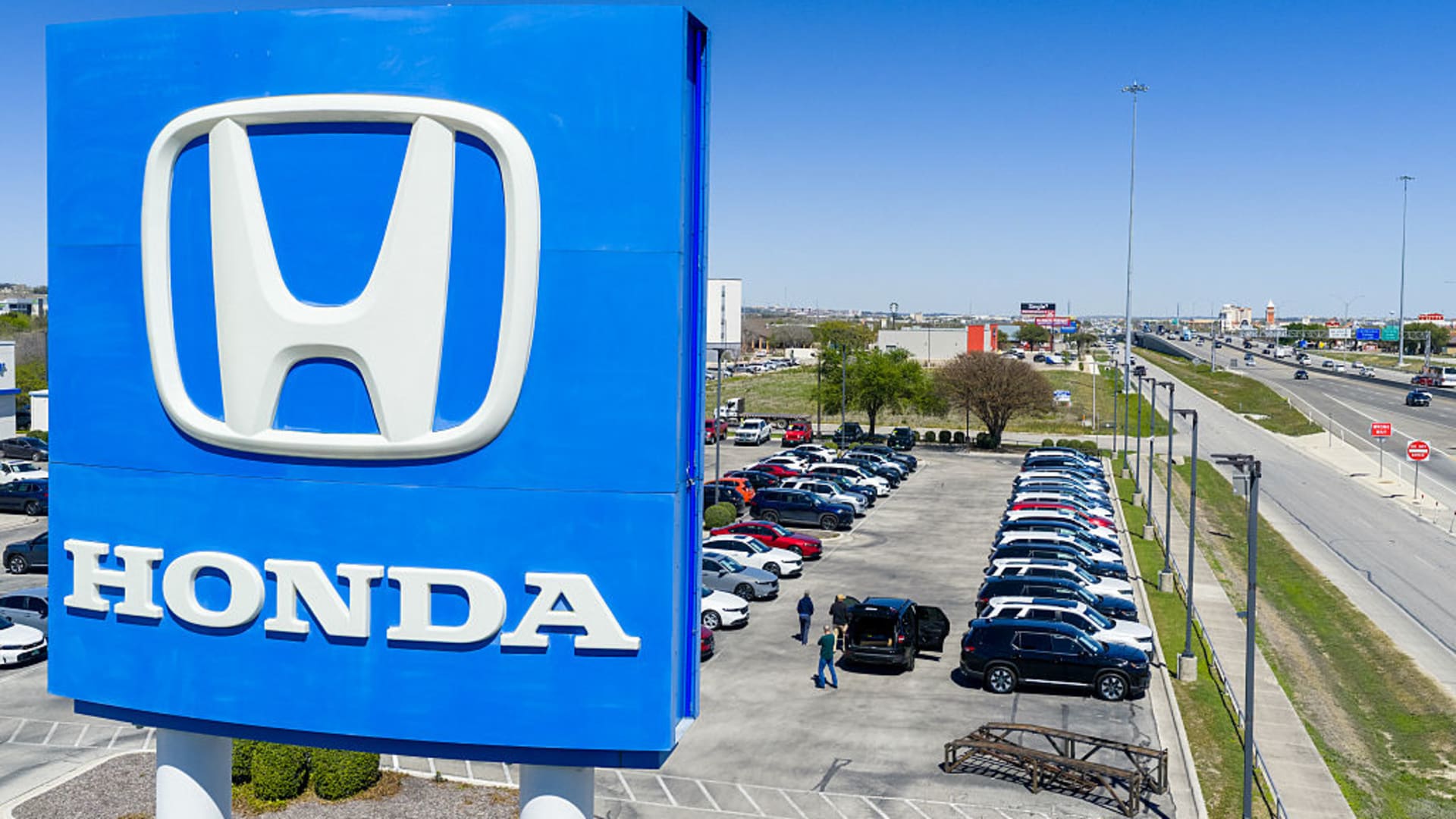
- Operating Loss Overview: Honda Motor reported an operating loss of 414.3 billion yen ($2.61 billion) for the fiscal year ending in March, a stark contrast to the previous year's profit of 1.2 trillion yen, highlighting severe impacts from its struggling EV business and competitive pressures.
- EV Business Restructuring: The automaker plans to cancel the launch and development of certain EV models in North America, with restructuring costs expected to exceed $9 billion, a strategic move to tackle fierce competition from emerging Chinese EV manufacturers.
- Market Reaction Analysis: Despite the losses, Honda's stock surged over 7%, primarily driven by the company's guidance for operating and net profit, which exceeded market expectations by 38%, indicating investor confidence in its recovery potential.
- Strategic Shift Focus: Honda is shifting its focus towards the Chinese and Indian markets, planning to leverage its strengths in the motorcycle business to capture demand in India's low-cost segment, in response to the evolving global EV landscape.
See More

Oklo Stock Declines Again Despite Analyst Price Target Increase


- Stock Price Decline: Oklo's shares fell 4% as of 2 p.m. ET on Thursday, marking the second consecutive day of decline, primarily due to disappointing first-quarter earnings and a new regulatory filing that spooked investors.
- Analyst Price Target Adjustment: Citi raised Oklo's price target from $73.5 to $76, indicating about 9% upside; however, given the stock's 100% rise over the past year, investors are concerned about limited near-term growth potential.
- Poor Financial Performance: Oklo reported a net loss of $33 million, significantly higher than the $9.8 million loss from the previous year, which, while understandable due to no revenue generation, caught investors off guard due to rising costs.
- Equity Dilution Concerns: The company announced a $1 billion equity offering to sell shares over time, raising significant concerns about share dilution, which is a major factor contributing to the stock's decline.
See More
Citigroup Plans 10% Headcount Increase in Asia-Pacific Prime Brokerage
- APAC Hiring Initiative: Citigroup plans to increase headcount by approximately 10% in its Asia-Pacific prime brokerage unit by the end of 2026, focusing on Singapore and India to meet the growing demand from hedge funds.
- Recruitment Focus Areas: The hiring will encompass front-office and technology roles, with Sue Lee, Citi's head of markets for Asia South, indicating that recruitment has entered a secondary phase aimed at filling key gaps to enhance market competitiveness.
- Business Growth Target: Citi aims to grow its prime brokerage balances from $450 billion in 2025 to over $700 billion by 2028, demonstrating the company's commitment to the Asia-Pacific market and confidence in future growth prospects.
- Industry Layoff Context: While Citi is expanding, the industry is witnessing increased layoffs, with many Wall Street banks like Goldman Sachs and Morgan Stanley considering job cuts, reflecting the challenges and opportunities in the financial sector amid a shift towards AI investments.
See More
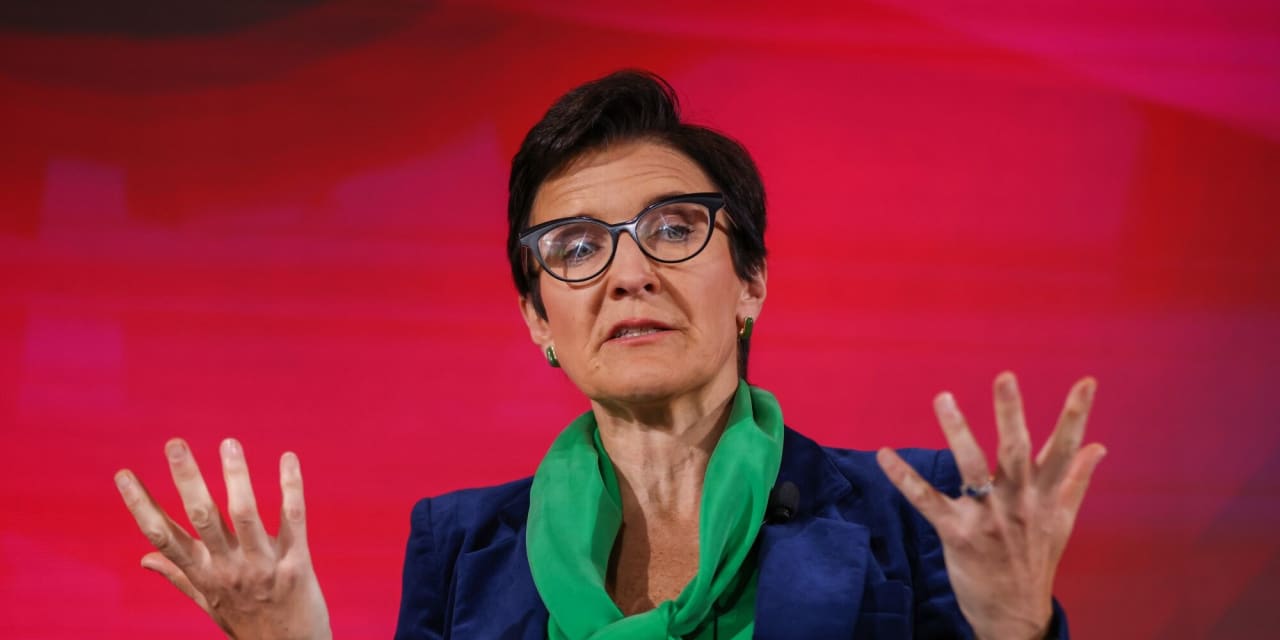
Mynt Plans Domestic Listing in the Philippines with $8 Billion Valuation Target

- Listing Plans: Mynt is set to file for a domestic listing as early as July, targeting a valuation of at least $8 billion and aiming to raise around $1 billion, which would make it the largest IPO in the Philippines, significantly impacting the market landscape.
- User Base: GCash, Mynt's primary service, boasts 94 million users, representing 78% of the nearly 120 million population in the Philippines, highlighting its dominant position in the digital payments sector and driving future growth potential for the company.
- Regulatory Changes: The Philippine Securities and Exchange Commission has lowered the minimum public float for large issuers from 20% to 15%, with provisions for exceptional cases to list with as low as 12%, alleviating dilution risks for Mynt's shareholders during the IPO process.
- Investment Background: Mynt was valued at $5 billion in 2024, more than doubling its 2021 valuation, following investments from Ayala Corp and Mitsubishi UFJ Financial Group, demonstrating its appeal and market confidence in the fintech sector.
See More
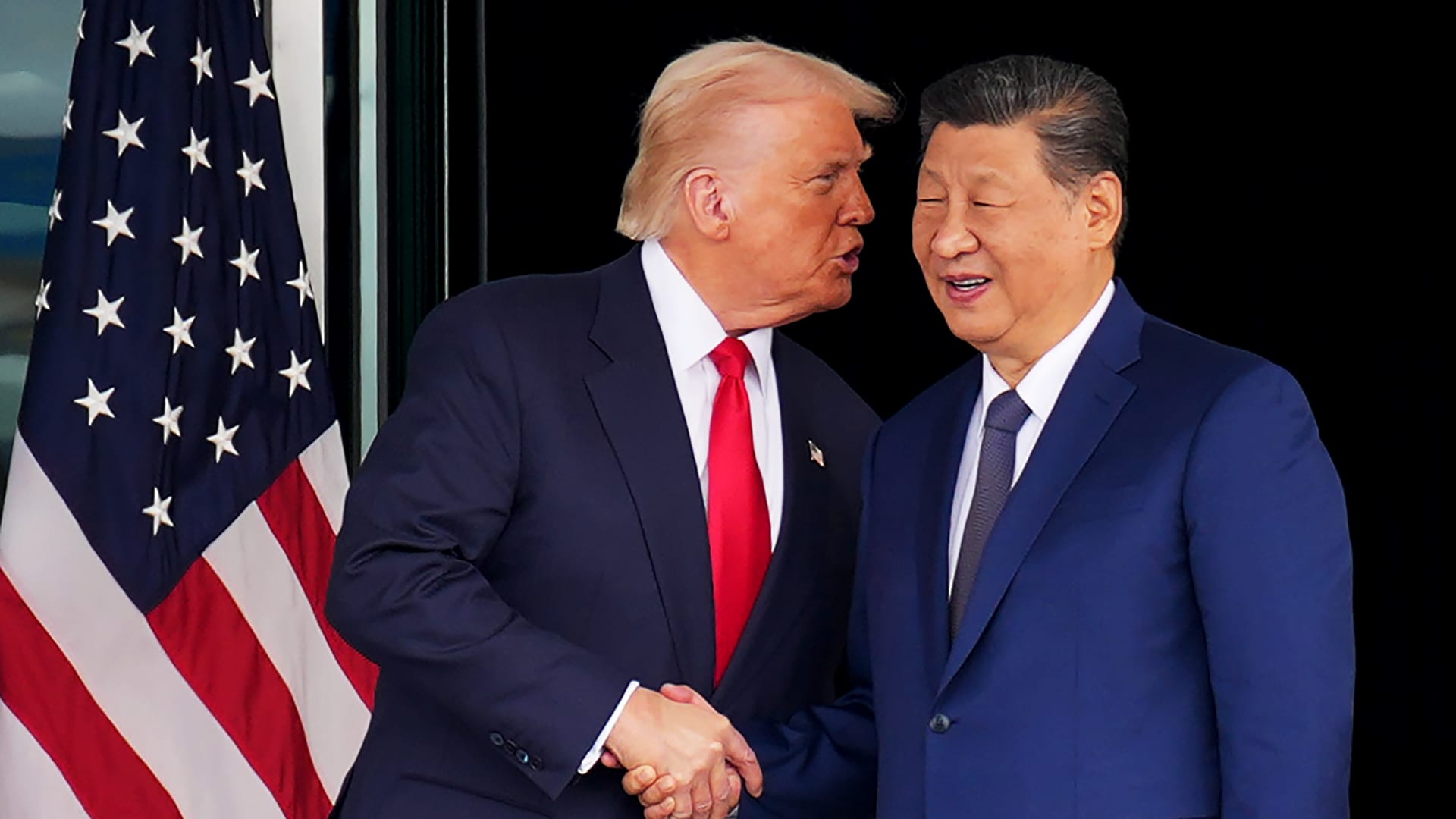
US-India Relations Face New Challenges Amidst US-China Summit


- Tension in US-India Relations: The shift in the Trump administration's China policy has strained US-India relations, with experts noting India's concerns that the US may prioritize China as the main negotiating partner, thereby diminishing India's strategic role in the Indo-Pacific.
- Need for Enhanced Strategic Value: To counter potential marginalization, India must establish more tangible cooperation with the US in sectors such as defense, maritime security, and critical minerals, thereby enhancing its strategic value and ensuring its importance in US-China relations.
- Changes in Trade Policy: The Trump administration's trade policy has become more transactional, with a 25% penalty tariff imposed on India last year for allegedly profiting from cheap Russian oil, further deteriorating bilateral relations.
- Concerns Over G2 Concept: India's attention to the US-China summit has intensified, with fears that the so-called 'G2' concept may marginalize middle powers like India, impacting its voice and influence in international affairs.
See More
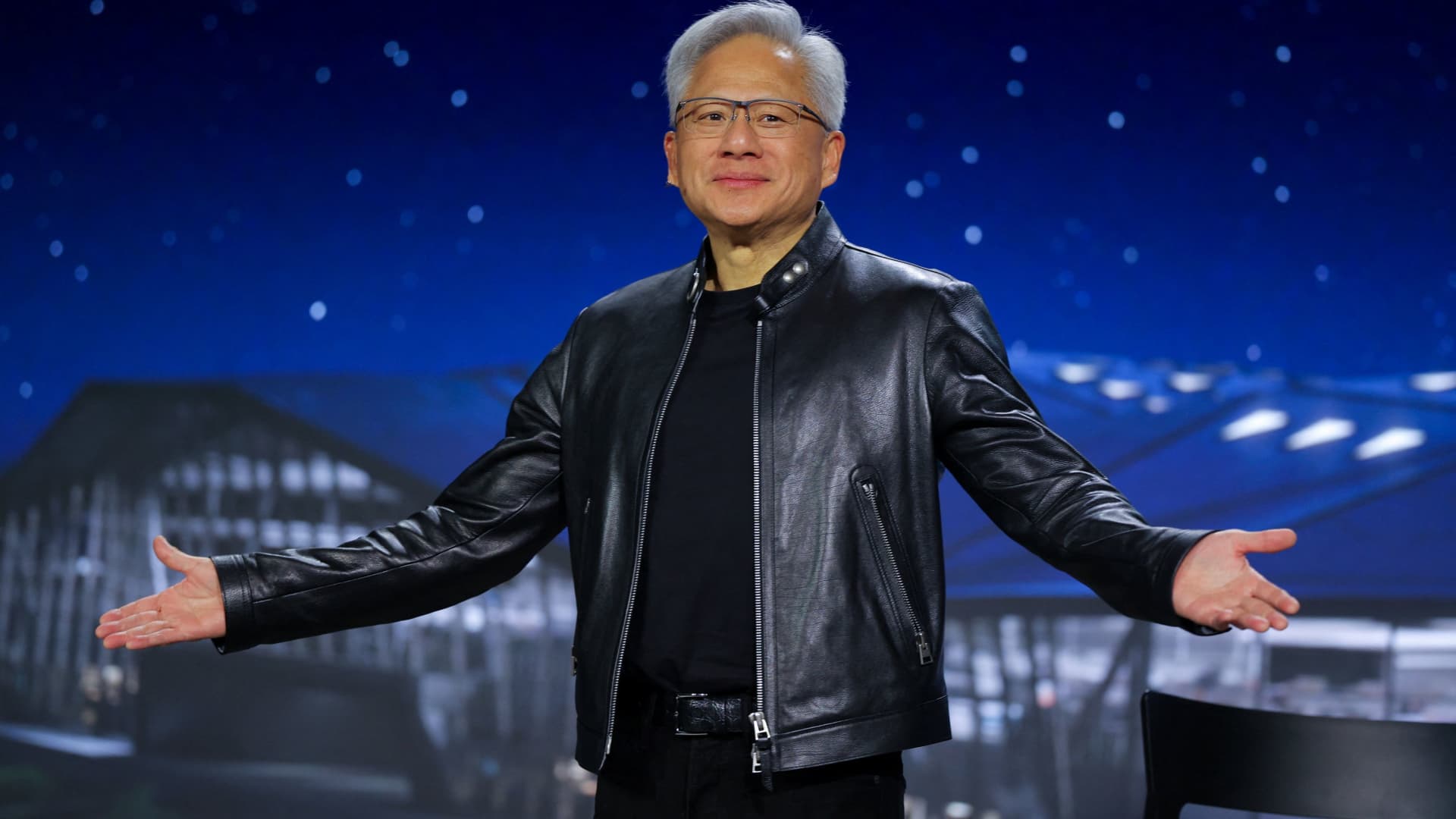
Nvidia's Jensen Huang Joins Trump's China Trip


- Executive Participation: Nvidia CEO Jensen Huang's last-minute inclusion in President Trump's China trip underscores the U.S. government's recognition of tech leaders, potentially fostering U.S.-China tech collaboration.
- U.S.-China Meeting: Trump's scheduled meeting with Chinese President Xi Jinping aims to ease tensions between the two nations, particularly in trade and technology, which could influence future policy directions.
- Middle East Impact: The ongoing war in Iran is pressuring Chinese exporters and affecting global demand, posing greater challenges for U.S.-China trade negotiations, especially regarding energy and commodity prices.
- Market Reactions: Rising inflation and Middle Eastern conflicts have heightened volatility in global markets, leading investors to adopt a more cautious outlook on future economic conditions, which may impact stock performance for companies like Nvidia.
See More
Honda Motor Faces First Operating Loss in Nearly 70 Years
- Operating Loss Overview: Honda Motor reported an operating loss of 414.3 billion yen ($2.61 billion) for the fiscal year ending in March, a stark contrast to the previous year's profit of 1.2 trillion yen, highlighting severe impacts from its struggling EV business and competitive pressures.
- EV Business Restructuring: The automaker plans to cancel the launch and development of certain EV models in North America, with restructuring costs expected to exceed $9 billion, a strategic move to tackle fierce competition from emerging Chinese EV manufacturers.
- Market Reaction Analysis: Despite the losses, Honda's stock surged over 7%, primarily driven by the company's guidance for operating and net profit, which exceeded market expectations by 38%, indicating investor confidence in its recovery potential.
- Strategic Shift Focus: Honda is shifting its focus towards the Chinese and Indian markets, planning to leverage its strengths in the motorcycle business to capture demand in India's low-cost segment, in response to the evolving global EV landscape.
See More
Oklo Stock Declines Again Despite Analyst Price Target Increase
- Stock Price Decline: Oklo's shares fell 4% as of 2 p.m. ET on Thursday, marking the second consecutive day of decline, primarily due to disappointing first-quarter earnings and a new regulatory filing that spooked investors.
- Analyst Price Target Adjustment: Citi raised Oklo's price target from $73.5 to $76, indicating about 9% upside; however, given the stock's 100% rise over the past year, investors are concerned about limited near-term growth potential.
- Poor Financial Performance: Oklo reported a net loss of $33 million, significantly higher than the $9.8 million loss from the previous year, which, while understandable due to no revenue generation, caught investors off guard due to rising costs.
- Equity Dilution Concerns: The company announced a $1 billion equity offering to sell shares over time, raising significant concerns about share dilution, which is a major factor contributing to the stock's decline.
See More
Citigroup Plans 10% Headcount Increase in Asia-Pacific Prime Brokerage
- APAC Hiring Initiative: Citigroup plans to increase headcount by approximately 10% in its Asia-Pacific prime brokerage unit by the end of 2026, focusing on Singapore and India to meet the growing demand from hedge funds.
- Recruitment Focus Areas: The hiring will encompass front-office and technology roles, with Sue Lee, Citi's head of markets for Asia South, indicating that recruitment has entered a secondary phase aimed at filling key gaps to enhance market competitiveness.
- Business Growth Target: Citi aims to grow its prime brokerage balances from $450 billion in 2025 to over $700 billion by 2028, demonstrating the company's commitment to the Asia-Pacific market and confidence in future growth prospects.
- Industry Layoff Context: While Citi is expanding, the industry is witnessing increased layoffs, with many Wall Street banks like Goldman Sachs and Morgan Stanley considering job cuts, reflecting the challenges and opportunities in the financial sector amid a shift towards AI investments.
See More
Mynt Plans Domestic Listing in the Philippines with $8 Billion Valuation Target
- Listing Plans: Mynt is set to file for a domestic listing as early as July, targeting a valuation of at least $8 billion and aiming to raise around $1 billion, which would make it the largest IPO in the Philippines, significantly impacting the market landscape.
- User Base: GCash, Mynt's primary service, boasts 94 million users, representing 78% of the nearly 120 million population in the Philippines, highlighting its dominant position in the digital payments sector and driving future growth potential for the company.
- Regulatory Changes: The Philippine Securities and Exchange Commission has lowered the minimum public float for large issuers from 20% to 15%, with provisions for exceptional cases to list with as low as 12%, alleviating dilution risks for Mynt's shareholders during the IPO process.
- Investment Background: Mynt was valued at $5 billion in 2024, more than doubling its 2021 valuation, following investments from Ayala Corp and Mitsubishi UFJ Financial Group, demonstrating its appeal and market confidence in the fintech sector.
See More
US-India Relations Face New Challenges Amidst US-China Summit
- Tension in US-India Relations: The shift in the Trump administration's China policy has strained US-India relations, with experts noting India's concerns that the US may prioritize China as the main negotiating partner, thereby diminishing India's strategic role in the Indo-Pacific.
- Need for Enhanced Strategic Value: To counter potential marginalization, India must establish more tangible cooperation with the US in sectors such as defense, maritime security, and critical minerals, thereby enhancing its strategic value and ensuring its importance in US-China relations.
- Changes in Trade Policy: The Trump administration's trade policy has become more transactional, with a 25% penalty tariff imposed on India last year for allegedly profiting from cheap Russian oil, further deteriorating bilateral relations.
- Concerns Over G2 Concept: India's attention to the US-China summit has intensified, with fears that the so-called 'G2' concept may marginalize middle powers like India, impacting its voice and influence in international affairs.
See More
Nvidia's Jensen Huang Joins Trump's China Trip
- Executive Participation: Nvidia CEO Jensen Huang's last-minute inclusion in President Trump's China trip underscores the U.S. government's recognition of tech leaders, potentially fostering U.S.-China tech collaboration.
- U.S.-China Meeting: Trump's scheduled meeting with Chinese President Xi Jinping aims to ease tensions between the two nations, particularly in trade and technology, which could influence future policy directions.
- Middle East Impact: The ongoing war in Iran is pressuring Chinese exporters and affecting global demand, posing greater challenges for U.S.-China trade negotiations, especially regarding energy and commodity prices.
- Market Reactions: Rising inflation and Middle Eastern conflicts have heightened volatility in global markets, leading investors to adopt a more cautious outlook on future economic conditions, which may impact stock performance for companies like Nvidia.
See More