Uber's Driverless Strategy and Partnerships


- Rich Partnerships: Uber has established over 20 active partnerships in driverless technology, including major players like Stellantis, Nvidia, Amazon's Zoox, and Alphabet's Waymo, allowing it to leverage its existing global network and data, thereby reducing development risks and accelerating commercialization.
- Capital Risk Avoidance: By opting for a platform-as-a-service model instead of manufacturing its own driverless vehicles, Uber avoids high-risk capital investments and focuses on becoming an aggregator of driverless vehicles, enhancing its competitive edge in the market.
- Investment in Software Integration: Uber's investments in software integration and in-car experience position it as a crucial partner for manufacturers and tech companies in the robotaxi sector, further strengthening its market position and technological advantage.
- Future Growth Potential: Uber's expanded partnership with Nvidia aims to deploy Level 4 self-driving across 28 cities by 2028, which is expected to expand revenue by eliminating fleet ownership and driver costs, significantly reducing risks and providing substantial upside for investors.
Trade with 70% Backtested Accuracy
Analyst Views on UBER

About UBER
About the author


Uber Stock Shows Potential for Recovery Amidst Recent Declines

- Stock Return Analysis: Over the past 36 months, Uber's stock has surged 125%, meaning a $10,000 investment in late March 2023 would now be worth $22,490, showcasing strong long-term return potential despite a recent 31% decline.
- Significant Revenue Growth: Uber's revenue reached $52 billion in 2025, a 63% increase from 2022, primarily driven by a 68% rise in gross bookings, indicating robust performance in the global mobility and delivery market.
- User Base Expansion: Uber's monthly active users grew from 131 million to 202 million, creating a massive global ecosystem that further propels the company's growth and market penetration.
- Profitability Improvement: Uber transformed its operating loss into an operating income of $5.6 billion between 2022 and 2025, demonstrating the scalability of its business model and attracting potential investors with a reasonable forward price-to-earnings ratio of 22.3.

UBER SET TO PURCHASE WORLDWIDE CHAUFFEUR SERVICE FRONT-RUNNER BLACKLANE
Acquisition Announcement: Uber has announced its acquisition of Global Chauffeurs Service Leader Blacklane, enhancing its service offerings in the premium transportation sector.
Strategic Expansion: This acquisition is part of Uber's strategy to expand its presence in the luxury travel market and improve its competitive edge against other ride-hailing services.
Service Integration: The integration of Blacklane's services is expected to provide Uber users with more options for high-end transportation, catering to business and leisure travelers.
Market Impact: The move is anticipated to strengthen Uber's position in the global market, potentially attracting a new customer base looking for premium chauffeur services.

UBER SET TO PURCHASE CHAUFFEUR SERVICE BLACKLANE
Uber's Acquisition: Uber has acquired the chauffeur service Blacklane to enhance its offerings in the premium transportation market.
Expansion of Services: This acquisition allows Uber to expand its service range, providing customers with more luxurious and professional transportation options.
Market Strategy: The move is part of Uber's strategy to compete more effectively in the high-end travel segment against other luxury transport services.
Impact on Drivers: The integration of Blacklane's services may also affect the existing driver partnerships and operational dynamics within Uber's platform.
Joby Aviation Faces Market Challenges Amidst Economic Headwinds

- Stock Volatility: Joby Aviation's stock has plummeted over 40% this year due to macroeconomic factors such as the Iran War, soaring energy prices, and rate hike expectations, although it still rose over 30% in the past 12 months, reflecting market volatility and investor confidence.
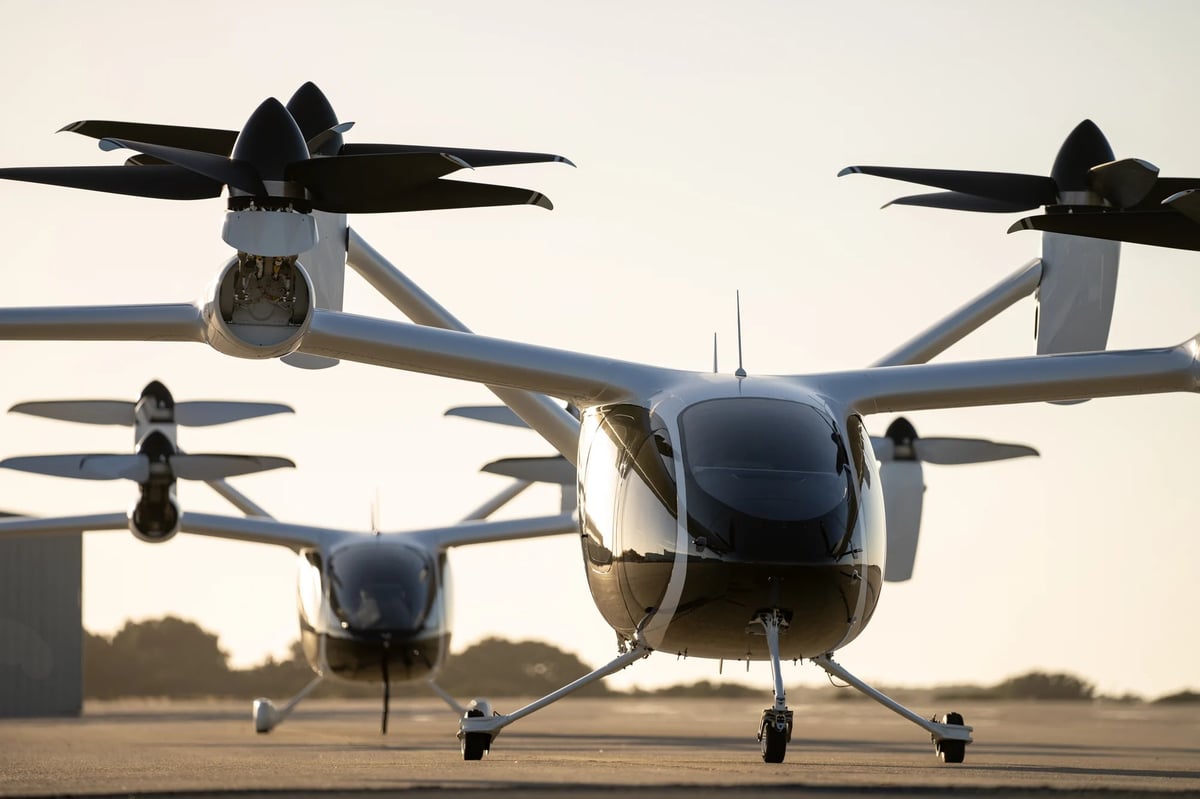
- Technological Edge: Joby's S4 eVTOL can travel 150 miles on a single charge and reach speeds of 200 mph, outperforming most competitors due to its single tilt-rotor design, which has attracted prominent investors and customers like Toyota, Delta Air Lines, and Uber.
- Market Outlook: Analysts expect Joby's revenue to surge from $53 million in 2025 to $459 million by 2028, with net losses gradually narrowing as economies of scale kick in, indicating strong potential in the rapidly growing eVTOL market.
- Risk Factors: Despite Joby's promising growth outlook, military conflicts in Iran and rising energy prices could delay its first commercial flights in Dubai, while interest rate hikes may complicate financing, potentially leading investors to shift towards more conservative strategies.

Iran War Delays Joby's First Flight Plans
- Market Pressures Intensify: Joby Aviation's stock has plummeted over 40% this year due to macroeconomic pressures from the Iran War, soaring energy prices, and rate hike expectations, which have weakened investor confidence and could impact its financing capabilities.
- Significant Technological Edge: Joby's S4 eVTOL can travel 150 miles on a single charge and reach speeds of 200 mph, outperforming competitors due to its single tilt-rotor design, attracting prominent investors like Toyota, Delta Air Lines, and Uber.
- Optimistic Revenue Projections: Analysts expect Joby's revenue to surge from $53 million in 2025 to $459 million by 2028, and while facing market volatility and financing challenges, the realization of economies of scale is expected to gradually narrow net losses.
- Uncertain Market Outlook: The global eVTOL market is projected to expand at a 36.8% CAGR from 2026 to 2034, but Iran's military actions and high energy prices could delay Joby's first commercial flights in Dubai, increasing future uncertainties.
Uber Acquires Chauffeur Service Platform Blacklane
- Acquisition Agreement: Uber has agreed to acquire the chauffeur service platform Blacklane, with the transaction subject to customary regulatory approvals and other closing conditions, expected to close by the end of 2026, further advancing Uber's expansion into the luxury chauffeur market.
- Global Business Coverage: Founded in 2011 and headquartered in Berlin, Germany, Blacklane connects guests worldwide with independent local chauffeur services, operating in over 500 cities across more than 60 countries, enhancing Uber's global service network.
- Market Strategic Positioning: This acquisition will accelerate Uber's recently announced move into the luxury chauffeur sector, particularly in conjunction with Uber Elite, aiming to enhance Uber's competitiveness in the high-end transportation market.
- Industry Consolidation Trend: By acquiring Blacklane, Uber not only expands its service offerings but may also enhance user experience through resource and technology integration, positioning itself more favorably in the rapidly growing luxury transportation market.
Uber Stock Shows Potential for Recovery Amidst Recent Declines
- Stock Return Analysis: Over the past 36 months, Uber's stock has surged 125%, meaning a $10,000 investment in late March 2023 would now be worth $22,490, showcasing strong long-term return potential despite a recent 31% decline.
- Significant Revenue Growth: Uber's revenue reached $52 billion in 2025, a 63% increase from 2022, primarily driven by a 68% rise in gross bookings, indicating robust performance in the global mobility and delivery market.
- User Base Expansion: Uber's monthly active users grew from 131 million to 202 million, creating a massive global ecosystem that further propels the company's growth and market penetration.
- Profitability Improvement: Uber transformed its operating loss into an operating income of $5.6 billion between 2022 and 2025, demonstrating the scalability of its business model and attracting potential investors with a reasonable forward price-to-earnings ratio of 22.3.
UBER SET TO PURCHASE WORLDWIDE CHAUFFEUR SERVICE FRONT-RUNNER BLACKLANE
Acquisition Announcement: Uber has announced its acquisition of Global Chauffeurs Service Leader Blacklane, enhancing its service offerings in the premium transportation sector.
Strategic Expansion: This acquisition is part of Uber's strategy to expand its presence in the luxury travel market and improve its competitive edge against other ride-hailing services.
Service Integration: The integration of Blacklane's services is expected to provide Uber users with more options for high-end transportation, catering to business and leisure travelers.
Market Impact: The move is anticipated to strengthen Uber's position in the global market, potentially attracting a new customer base looking for premium chauffeur services.
UBER SET TO PURCHASE CHAUFFEUR SERVICE BLACKLANE
Uber's Acquisition: Uber has acquired the chauffeur service Blacklane to enhance its offerings in the premium transportation market.
Expansion of Services: This acquisition allows Uber to expand its service range, providing customers with more luxurious and professional transportation options.
Market Strategy: The move is part of Uber's strategy to compete more effectively in the high-end travel segment against other luxury transport services.
Impact on Drivers: The integration of Blacklane's services may also affect the existing driver partnerships and operational dynamics within Uber's platform.
Joby Aviation Faces Market Challenges Amidst Economic Headwinds
- Stock Volatility: Joby Aviation's stock has plummeted over 40% this year due to macroeconomic factors such as the Iran War, soaring energy prices, and rate hike expectations, although it still rose over 30% in the past 12 months, reflecting market volatility and investor confidence.
- Technological Edge: Joby's S4 eVTOL can travel 150 miles on a single charge and reach speeds of 200 mph, outperforming most competitors due to its single tilt-rotor design, which has attracted prominent investors and customers like Toyota, Delta Air Lines, and Uber.
- Market Outlook: Analysts expect Joby's revenue to surge from $53 million in 2025 to $459 million by 2028, with net losses gradually narrowing as economies of scale kick in, indicating strong potential in the rapidly growing eVTOL market.
- Risk Factors: Despite Joby's promising growth outlook, military conflicts in Iran and rising energy prices could delay its first commercial flights in Dubai, while interest rate hikes may complicate financing, potentially leading investors to shift towards more conservative strategies.
Iran War Delays Joby's First Flight Plans
- Market Pressures Intensify: Joby Aviation's stock has plummeted over 40% this year due to macroeconomic pressures from the Iran War, soaring energy prices, and rate hike expectations, which have weakened investor confidence and could impact its financing capabilities.
- Significant Technological Edge: Joby's S4 eVTOL can travel 150 miles on a single charge and reach speeds of 200 mph, outperforming competitors due to its single tilt-rotor design, attracting prominent investors like Toyota, Delta Air Lines, and Uber.
- Optimistic Revenue Projections: Analysts expect Joby's revenue to surge from $53 million in 2025 to $459 million by 2028, and while facing market volatility and financing challenges, the realization of economies of scale is expected to gradually narrow net losses.
- Uncertain Market Outlook: The global eVTOL market is projected to expand at a 36.8% CAGR from 2026 to 2034, but Iran's military actions and high energy prices could delay Joby's first commercial flights in Dubai, increasing future uncertainties.
Uber Acquires Chauffeur Service Platform Blacklane
- Acquisition Agreement: Uber has agreed to acquire the chauffeur service platform Blacklane, with the transaction subject to customary regulatory approvals and other closing conditions, expected to close by the end of 2026, further advancing Uber's expansion into the luxury chauffeur market.
- Global Business Coverage: Founded in 2011 and headquartered in Berlin, Germany, Blacklane connects guests worldwide with independent local chauffeur services, operating in over 500 cities across more than 60 countries, enhancing Uber's global service network.
- Market Strategic Positioning: This acquisition will accelerate Uber's recently announced move into the luxury chauffeur sector, particularly in conjunction with Uber Elite, aiming to enhance Uber's competitiveness in the high-end transportation market.
- Industry Consolidation Trend: By acquiring Blacklane, Uber not only expands its service offerings but may also enhance user experience through resource and technology integration, positioning itself more favorably in the rapidly growing luxury transportation market.