TSMC: UNIT EMERGING FUND, L.P. REALIZES $5 MILLION PROFIT FROM SHARE SALE
Written by Emily J. Thompson, Senior Investment Analyst
Updated: 3 days ago
0mins
Should l Buy TSM?
Source: moomoo
- Emerging Fund Profit: The United Emerging Fund, L.P. has reported a profit of $5 million from a recent share sale.
- Financial Performance: This profit indicates a successful financial maneuver for the fund, contributing positively to its overall performance.
Trade with 70% Backtested Accuracy
Stop guessing "Should I Buy TSM?" and start using high-conviction signals backed by rigorous historical data.
Sign up today to access powerful investing tools and make smarter, data-driven decisions.
Analyst Views on TSM
Wall Street analysts forecast TSM stock price to fall
8 Analyst Rating
7 Buy
1 Hold
0 Sell
Strong Buy
Current: 414.150

Low
63.24
Averages
313.46
High
390.00
Current: 414.150
Low
63.24
Averages
313.46
High
390.00
About TSM
Taiwan Semiconductor Manufacturing Co Ltd is a Taiwan-based integrated circuit foundry service provider. The Company is primarily engaged in integrated circuit manufacturing services. It offers advanced process technologies, specialised process solutions, advanced photomask and silicon stacking, and packaging-related technologies, while supporting a comprehensive design ecosystem. The Company's products serve diverse electronic sectors including artificial intelligence, high-performance computing, wired and wireless communications, automotive and industrial equipment, personal computing, information applications, consumer electronics, smart internet of things, and wearable devices.
About the author

Emily J. Thompson
Emily J. Thompson, a Chartered Financial Analyst (CFA) with 12 years in investment research, graduated with honors from the Wharton School. Specializing in industrial and technology stocks, she provides in-depth analysis for Intellectia’s earnings and market brief reports.

TSMC Reports April Revenue Growth of 17.5% Year-over-Year

- April Revenue Figures: TSMC reported consolidated revenue of approximately NT$410.73 billion ($13.1 billion) for April, reflecting a 1.1% decline from March but a 17.5% increase compared to April 2025, indicating the company's sustained growth potential in high-performance computing.
- Year-to-Date Performance: Total revenue from January to April 2026 reached NT$1,544.83 billion, marking a 29.9% year-over-year increase, showcasing TSMC's robust performance in the global semiconductor market, particularly amid rising demand for AI workloads.
- Positive Market Reaction: Following regulatory easing of single-stock investment limits, TSMC's shares hit a record high last month, signaling strong market optimism regarding its future growth and prompting fund managers to increase their exposure to the company.
- Demand-Driven Growth: The rising need for advanced silicon chips has positioned TSMC's high-performance computing segment as a key growth driver, further solidifying its leadership in the global semiconductor industry.
See More
TSMC: The Quiet Giant of the Semiconductor Industry
- Market Dominance: TSMC controls over 70% of the global semiconductor market and more than 90% in the most advanced semiconductor sector, establishing itself as an essential manufacturer in the AI industry, despite lower returns compared to major clients like Nvidia and Apple.
- Significant Revenue Growth: In Q1 2026, TSMC reported revenue of $35 billion, a 35% increase year-over-year, significantly outpacing the 31% growth in 2025, indicating unprecedented demand for chips that drives the company's profitability.
- Enhanced Profitability: The comprehensive income for the quarter approached $20 billion, reflecting a 60% increase from last year, while comprehensive income growth in 2025 was only 33%, showcasing the company's strong performance and ongoing growth potential.
- Investment Appeal: Despite geopolitical risks, TSMC's P/E ratio stands at 33, which seems attractive given the 60% income growth, indicating strong investor demand for its stock and confidence in its future growth prospects.
See More
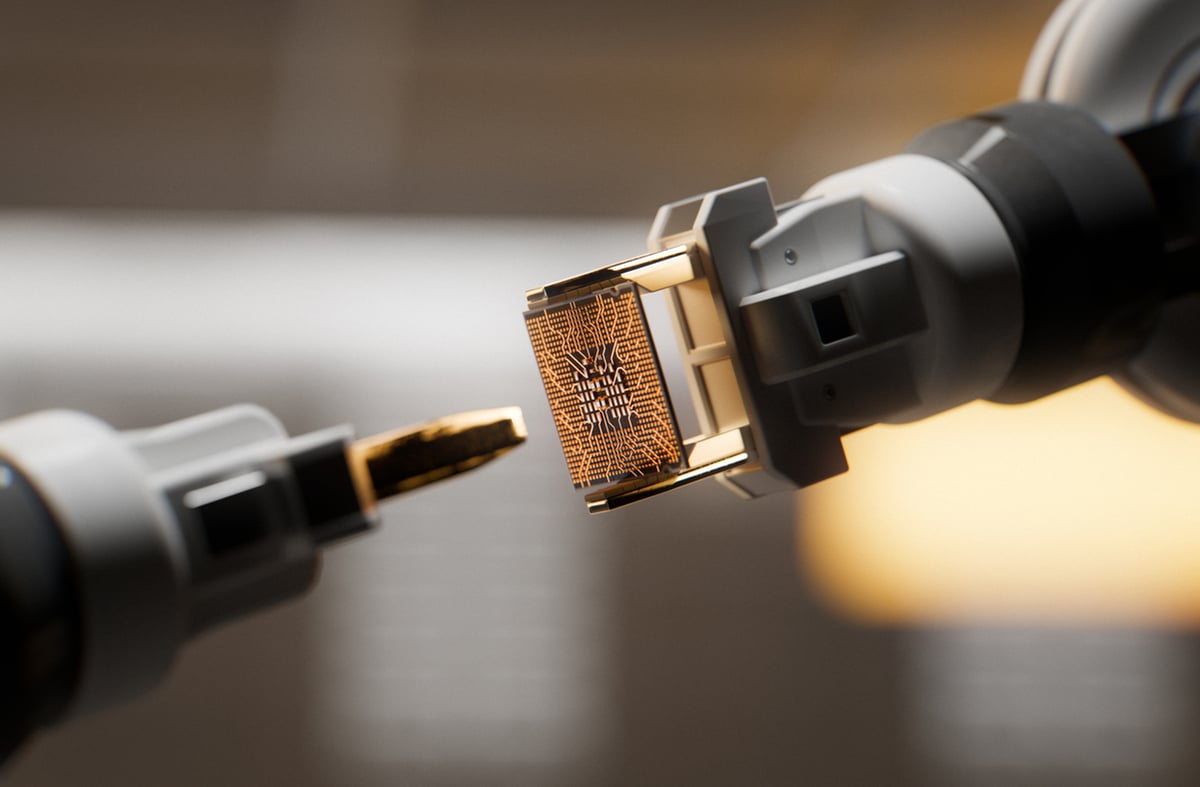
Semiconductor Industry Faces Helium Supply Crisis

- Helium Supply Disruption: The Ras Laffan facility in Qatar, one of only two capable of producing semiconductor-grade helium, was impacted by Iranian drone strikes and may not be fully operational for months, posing a significant threat to chip manufacturers who rely on helium for critical processes.
- U.S. Chipmaker Advantage: U.S.-based semiconductor foundries primarily source helium from domestic and Algerian suppliers, and the recent supply chain disruption is expected to accelerate reshoring efforts, thereby strengthening their market position in the global semiconductor landscape.
- Intel's Turnaround: As the largest chip manufacturer in the U.S., Intel has begun high-volume production of its 18A process node at its Ocotillo campus in Arizona, which offers up to 15% better performance per watt and 30% improved chip density, positioning it to regain market share from competitors like TSMC.
- TSMC's Expansion Plans: TSMC has announced an increase in its total U.S. investment to $165 billion to fund new fabs in Arizona, and despite the helium crunch, its diversified supply chain and helium recycling systems provide a competitive edge over many rivals, particularly those in South Korea reliant on Qatari helium.
See More

U.S. Semiconductor Industry Benefits from Helium Crisis
- Helium Supply Crisis: The ongoing helium supply disruption, with Qatar providing a third of the global supply, has been exacerbated by drone strikes on the Ras Laffan facility, which is crucial for semiconductor-grade helium, putting pressure on chipmakers who rely on helium for wafer cooling and photolithography.
- Intel's Market Opportunity: Intel's recent partnerships with Tesla and Google, leveraging its 18A process node's performance advantages, are expected to help regain market share in the semiconductor sector, particularly as U.S. production reshoring accelerates, potentially increasing its market share from below 5%.
- TSMC's Investment Expansion: Taiwan Semiconductor Manufacturing Company (TSMC) plans to invest $165 billion in the U.S. to build three new fabs and an R&D center, and despite facing helium supply challenges, its diversified supply chain and inventory management position it advantageously in the expanding U.S. market.
- Strategic Government Support: The U.S. government's $11.1 billion investment in Intel aims to promote semiconductor production reshoring, reducing reliance on external supply chains, which not only enhances Intel's competitiveness but also lays a foundation for the stable development of the entire industry.
See More

Intel's Stock Soars Nearly 500% Amid AI Boom

- Earnings Beat: Intel's Q1 revenue rose 7% year-over-year to $13.6 billion, exceeding management's midpoint guidance by over $1 billion, demonstrating the company's ability to consistently outperform expectations and boosting market confidence.
- Data Center Growth: The data center and AI segment saw a 22% year-over-year revenue increase to $5.1 billion, sharply accelerating growth, indicating Intel's strengthening role in the AI boom.
- Strategic Partnerships: Intel reached a preliminary agreement with Apple to manufacture some chips, enhancing its credibility in the high-end market, while a $5 billion investment from Nvidia further solidifies its position in custom data center CPUs.
- Valuation Challenges: Despite the stock rising to around $125 with a market cap exceeding $600 billion, Intel's forward P/E ratio stands at 140, necessitating exceptional growth over the next decade to justify this valuation, reflecting high market expectations for its future performance.
See More

Intel Reports 7% Revenue Growth in Q1, Exceeding Forecasts
- Significant Revenue Growth: Intel's Q1 revenue rose 7% year-over-year to $13.6 billion, exceeding management's midpoint guidance by over $1 billion, marking the sixth consecutive quarter of surpassing its own forecasts, indicating strong market performance.
- Strong Data Center and AI Segment: The company's data center and AI segment achieved a remarkable 22% year-over-year growth in Q1, with revenue reaching $5.1 billion, sharply accelerating from 9% growth in Q4 2025, highlighting the driving demand for AI technologies.
- Deepening Strategic Partnerships: Intel reached a preliminary chip manufacturing agreement with Apple and became a strategic partner in Elon Musk's Terafab project, enhancing its market position and demonstrating competitiveness in high-end chip manufacturing.
- Profitability Discrepancies: Despite Intel's stock soaring nearly 500% over the past year, its adjusted gross margin stands at only 41%, significantly lower than Nvidia's 75%, revealing a substantial profitability gap that investors should carefully consider when evaluating future growth potential.
See More
TSMC Reports April Revenue Growth of 17.5% Year-over-Year
- April Revenue Figures: TSMC reported consolidated revenue of approximately NT$410.73 billion ($13.1 billion) for April, reflecting a 1.1% decline from March but a 17.5% increase compared to April 2025, indicating the company's sustained growth potential in high-performance computing.
- Year-to-Date Performance: Total revenue from January to April 2026 reached NT$1,544.83 billion, marking a 29.9% year-over-year increase, showcasing TSMC's robust performance in the global semiconductor market, particularly amid rising demand for AI workloads.
- Positive Market Reaction: Following regulatory easing of single-stock investment limits, TSMC's shares hit a record high last month, signaling strong market optimism regarding its future growth and prompting fund managers to increase their exposure to the company.
- Demand-Driven Growth: The rising need for advanced silicon chips has positioned TSMC's high-performance computing segment as a key growth driver, further solidifying its leadership in the global semiconductor industry.
See More
TSMC: The Quiet Giant of the Semiconductor Industry
- Market Dominance: TSMC controls over 70% of the global semiconductor market and more than 90% in the most advanced semiconductor sector, establishing itself as an essential manufacturer in the AI industry, despite lower returns compared to major clients like Nvidia and Apple.
- Significant Revenue Growth: In Q1 2026, TSMC reported revenue of $35 billion, a 35% increase year-over-year, significantly outpacing the 31% growth in 2025, indicating unprecedented demand for chips that drives the company's profitability.
- Enhanced Profitability: The comprehensive income for the quarter approached $20 billion, reflecting a 60% increase from last year, while comprehensive income growth in 2025 was only 33%, showcasing the company's strong performance and ongoing growth potential.
- Investment Appeal: Despite geopolitical risks, TSMC's P/E ratio stands at 33, which seems attractive given the 60% income growth, indicating strong investor demand for its stock and confidence in its future growth prospects.
See More
Semiconductor Industry Faces Helium Supply Crisis
- Helium Supply Disruption: The Ras Laffan facility in Qatar, one of only two capable of producing semiconductor-grade helium, was impacted by Iranian drone strikes and may not be fully operational for months, posing a significant threat to chip manufacturers who rely on helium for critical processes.
- U.S. Chipmaker Advantage: U.S.-based semiconductor foundries primarily source helium from domestic and Algerian suppliers, and the recent supply chain disruption is expected to accelerate reshoring efforts, thereby strengthening their market position in the global semiconductor landscape.
- Intel's Turnaround: As the largest chip manufacturer in the U.S., Intel has begun high-volume production of its 18A process node at its Ocotillo campus in Arizona, which offers up to 15% better performance per watt and 30% improved chip density, positioning it to regain market share from competitors like TSMC.
- TSMC's Expansion Plans: TSMC has announced an increase in its total U.S. investment to $165 billion to fund new fabs in Arizona, and despite the helium crunch, its diversified supply chain and helium recycling systems provide a competitive edge over many rivals, particularly those in South Korea reliant on Qatari helium.
See More
U.S. Semiconductor Industry Benefits from Helium Crisis
- Helium Supply Crisis: The ongoing helium supply disruption, with Qatar providing a third of the global supply, has been exacerbated by drone strikes on the Ras Laffan facility, which is crucial for semiconductor-grade helium, putting pressure on chipmakers who rely on helium for wafer cooling and photolithography.
- Intel's Market Opportunity: Intel's recent partnerships with Tesla and Google, leveraging its 18A process node's performance advantages, are expected to help regain market share in the semiconductor sector, particularly as U.S. production reshoring accelerates, potentially increasing its market share from below 5%.
- TSMC's Investment Expansion: Taiwan Semiconductor Manufacturing Company (TSMC) plans to invest $165 billion in the U.S. to build three new fabs and an R&D center, and despite facing helium supply challenges, its diversified supply chain and inventory management position it advantageously in the expanding U.S. market.
- Strategic Government Support: The U.S. government's $11.1 billion investment in Intel aims to promote semiconductor production reshoring, reducing reliance on external supply chains, which not only enhances Intel's competitiveness but also lays a foundation for the stable development of the entire industry.
See More
Intel's Stock Soars Nearly 500% Amid AI Boom
- Earnings Beat: Intel's Q1 revenue rose 7% year-over-year to $13.6 billion, exceeding management's midpoint guidance by over $1 billion, demonstrating the company's ability to consistently outperform expectations and boosting market confidence.
- Data Center Growth: The data center and AI segment saw a 22% year-over-year revenue increase to $5.1 billion, sharply accelerating growth, indicating Intel's strengthening role in the AI boom.
- Strategic Partnerships: Intel reached a preliminary agreement with Apple to manufacture some chips, enhancing its credibility in the high-end market, while a $5 billion investment from Nvidia further solidifies its position in custom data center CPUs.
- Valuation Challenges: Despite the stock rising to around $125 with a market cap exceeding $600 billion, Intel's forward P/E ratio stands at 140, necessitating exceptional growth over the next decade to justify this valuation, reflecting high market expectations for its future performance.
See More
Intel Reports 7% Revenue Growth in Q1, Exceeding Forecasts
- Significant Revenue Growth: Intel's Q1 revenue rose 7% year-over-year to $13.6 billion, exceeding management's midpoint guidance by over $1 billion, marking the sixth consecutive quarter of surpassing its own forecasts, indicating strong market performance.
- Strong Data Center and AI Segment: The company's data center and AI segment achieved a remarkable 22% year-over-year growth in Q1, with revenue reaching $5.1 billion, sharply accelerating from 9% growth in Q4 2025, highlighting the driving demand for AI technologies.
- Deepening Strategic Partnerships: Intel reached a preliminary chip manufacturing agreement with Apple and became a strategic partner in Elon Musk's Terafab project, enhancing its market position and demonstrating competitiveness in high-end chip manufacturing.
- Profitability Discrepancies: Despite Intel's stock soaring nearly 500% over the past year, its adjusted gross margin stands at only 41%, significantly lower than Nvidia's 75%, revealing a substantial profitability gap that investors should carefully consider when evaluating future growth potential.
See More