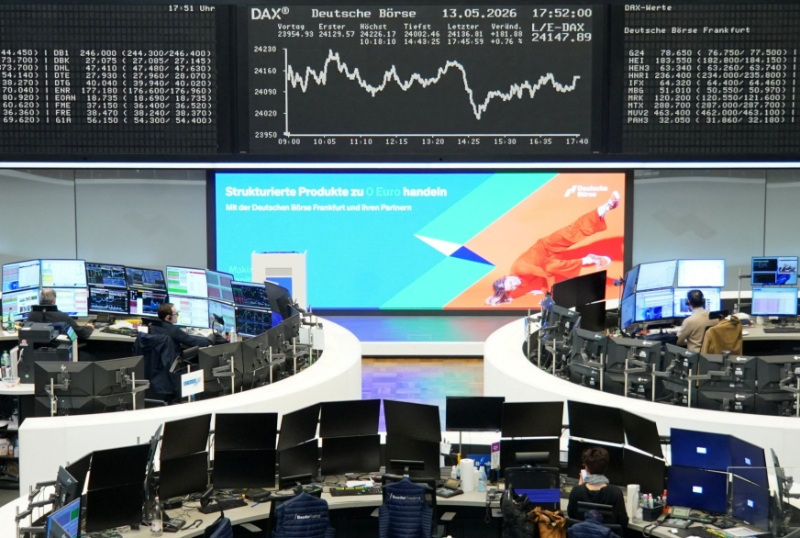
Trump-Xi Meeting: Key Insights Ahead
Written by Emily J. Thompson, Senior Investment Analyst
Updated: 4 days ago
0mins


Should l Buy GS?
Source: CNBC
- Market Optimism: Asia-Pacific markets are set to open higher on Thursday as investors look to the high-stakes meeting between Trump and Xi for insights into the future of U.S.-China relations and global trade, potentially boosting market sentiment.
- Trade Focus: Analysts at Goldman Sachs indicate that the meeting will primarily focus on trade and export controls, including tariffs and restrictions on rare earths and semiconductors, although it is unlikely to produce a sweeping reset in bilateral ties.
- Yuan and Equity Strength: Goldman believes that while the meeting may not be a game changer for U.S.-China relations, it could act as a tactical catalyst for strength in the Chinese yuan and equities, reflecting a positive outlook on Chinese assets.
- Strong U.S. Market Performance: U.S. futures showed slight gains, with the S&P 500 reaching a new all-time high at 7,444.25, driven by enthusiasm for technology stocks, indicating investor confidence in economic recovery.
Trade with 70% Backtested Accuracy
Stop guessing "Should I Buy GS?" and start using high-conviction signals backed by rigorous historical data.
Sign up today to access powerful investing tools and make smarter, data-driven decisions.
Analyst Views on GS
Wall Street analysts forecast GS stock price to fall
12 Analyst Rating
5 Buy
7 Hold
0 Sell
Moderate Buy
Current: 968.960

Low
604.00
Averages
951.45
High
1100
Current: 968.960
Low
604.00
Averages
951.45
High
1100
About GS
The Goldman Sachs Group, Inc. is a global financial institution that delivers a range of financial services to a large and diversified client base that includes corporations, financial institutions, governments and individuals. Its segments include Global Banking & Markets, Asset & Wealth Management and Platform Solutions. The Global Banking & Markets segment offers a range of services, including financing, advisory services, risk distribution, and hedging for its institutional and corporate clients. It facilitates client transactions and makes markets in fixed income, equity, currency and commodity products. The Asset & Wealth Management segment manages assets and offers investment products across all asset classes to a diverse set of clients. It also provides investing and wealth advisory solutions. The Platform Solutions segment includes consumer platforms, such as partnerships offering credit cards and point-of-sale financing, and transaction banking and other platform businesses.
About the author

Emily J. Thompson
Emily J. Thompson, a Chartered Financial Analyst (CFA) with 12 years in investment research, graduated with honors from the Wharton School. Specializing in industrial and technology stocks, she provides in-depth analysis for Intellectia’s earnings and market brief reports.
Current CD Rates Exceed National Average

- Rate Trends: The Federal Reserve's three interest rate cuts in 2025 and subsequent stability in 2026 have led to rising deposit account rates, making it an opportune time to lock in high CD rates, with the current highest rate at 4% APY.
- Competitive Edge: Marcus by Goldman Sachs offers a leading 4% APY on its 9-month CD, significantly surpassing the national average of 1.53% for a 1-year CD, highlighting the competitive advantage of online banks and credit unions.
- Market Opportunity: Today's CD rates represent the highest levels seen in nearly two decades, primarily due to the Federal Reserve's efforts to combat inflation by maintaining elevated rates, providing investors with a chance to secure high returns amid increasing economic uncertainty.
- Selection Strategy: When choosing a CD, investors are advised to compare rates from various financial institutions, consider the advantages of online banks, and pay attention to minimum deposit requirements and account terms to ensure they secure the best rates and flexibility.
See More
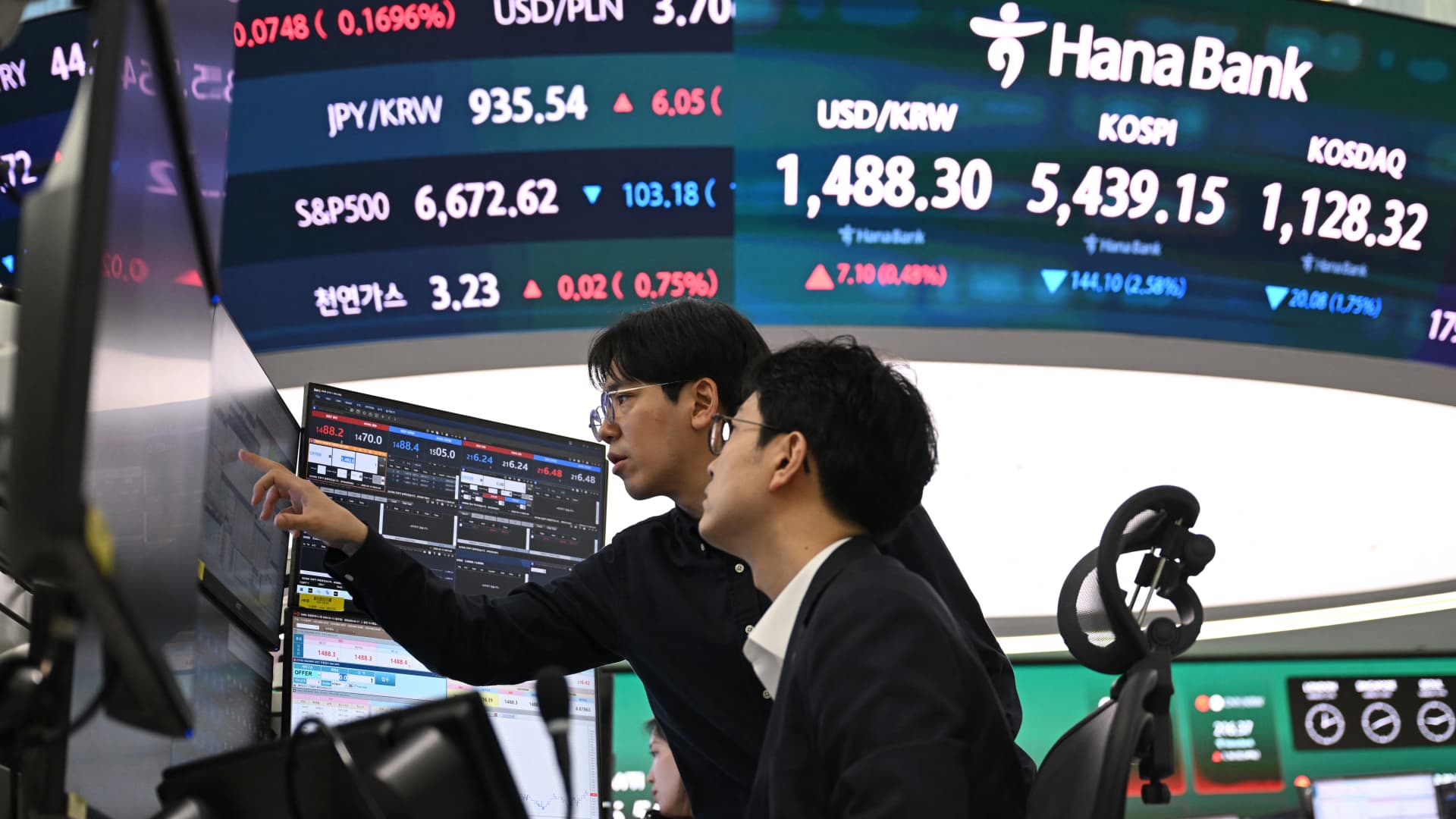
South Korea's Stock Market Volatility Surges After $13.2 Billion Foreign Sell-Off
- Foreign Sell-Off: Last week, foreign investors sold off $13.2 billion worth of South Korean stocks, causing the KOSPI index to drop 4% during Monday's trading and triggering a trading halt mechanism, indicating the market's high sensitivity to foreign outflows.
- Increased Market Volatility: The KOSPI Volatility Index surged 2.56% on Monday, nearing peaks seen in early March, reflecting the extreme fluctuations in market sentiment, especially following a 6% decline last week.
- Investor Sentiment Shift: Citigroup noted that the Korean market appears much more overbought than the U.S. market, prompting a recommendation to reduce exposure to its bullish Korea trade, highlighting growing concerns about rising market risks.
- Active Retail Investors: Despite the foreign outflows, South Korean retail investors purchased $14.1 billion in stocks last week, demonstrating potential market resilience, but also indicating an increase in associated risks.
See More
Analysis of Earnings from Locking in High CD Rates
- CD Rate Overview: Currently, the highest CD rate is 4% APY offered by Marcus by Goldman Sachs for a 9-month CD, attracting more savers to lock in their funds and enhancing the bank's deposit base.
- Interest Earnings Calculation: For a $1,000 investment in a one-year CD at 1.52% APY, the end-of-year balance would be $1,015.20, whereas choosing a 4% APY CD would grow the balance to $1,040.74, highlighting the significant impact of higher rates on earnings and encouraging savers to opt for higher-yield products.
- Impact of Deposit Amount: If the investment amount is increased to $10,000 with a 4% APY CD, the total balance at maturity would reach $10,407.42, resulting in $407.42 in interest, demonstrating how combining higher deposit amounts with competitive rates can significantly enhance returns.
- Diversity of CD Types: Beyond traditional CDs, various types are available in the market, such as bump-up CDs, no-penalty CDs, and jumbo CDs, which, while potentially offering lower rates, provide flexibility and potential earnings that cater to different investor needs.
See More
Opportunity to Lock in High CD Rates
- Current CD Rate Overview: As of May 16, 2026, the highest CD rate available is 4% APY, offered by Marcus by Goldman Sachs for a 9-month CD, providing investors with a strong opportunity to lock in competitive returns.
- Interest Earnings Example: Investing $1,000 in a one-year CD at 1.52% APY results in a year-end balance of $1,015.20, while choosing a 4% APY CD would increase the balance to $1,040.74, illustrating the significant impact of higher rates on earnings.
- Deposit Amount Impact: For a 4% APY CD, depositing $10,000 would yield a total balance of $10,407.42 at maturity, resulting in $407.42 in interest, highlighting the positive correlation between deposit amounts and earnings.
- Diversity of CD Types: Beyond traditional CDs, investors can consider options like bump-up CDs, no-penalty CDs, and jumbo CDs, which may offer lower rates but provide greater flexibility and potential for higher returns.
See More
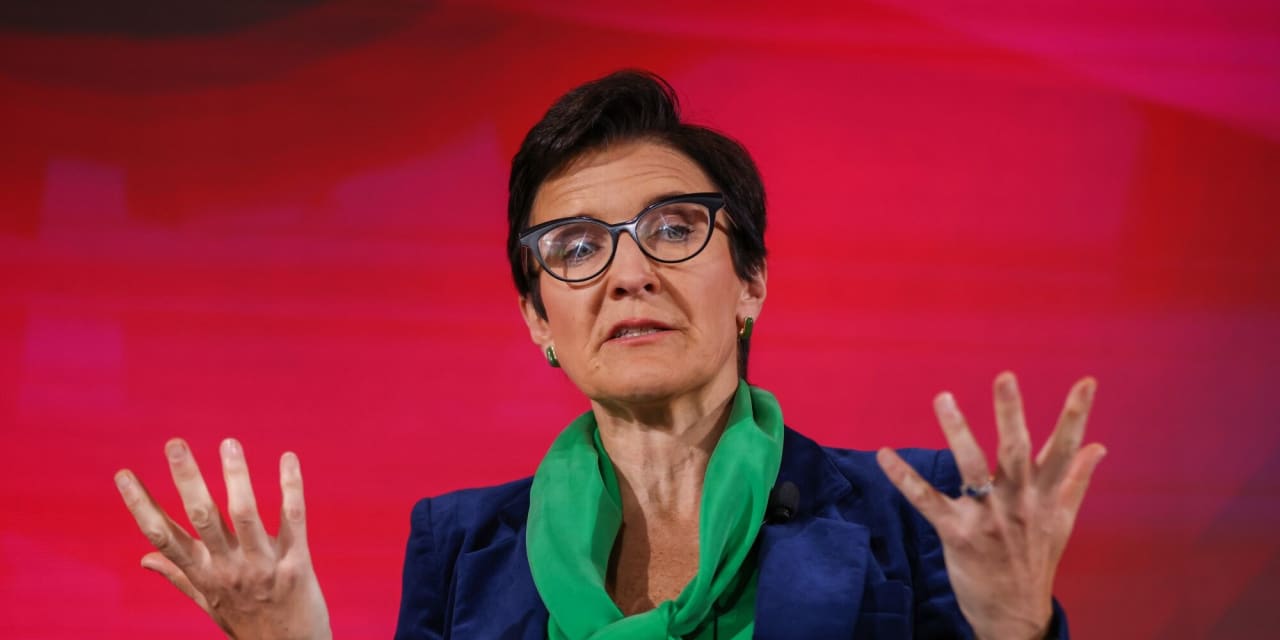
High-Level China-U.S. Talks Focus on Wealth Management and Financing

- High-Level Talks: Wu Qing, chairman of the China Securities Regulatory Commission, met with Citigroup CEO Jane Fraser in Beijing to discuss enhancing cooperation in wealth management and cross-border financing, indicating potential for deeper financial collaboration between China and the U.S.
- Commitment to Market Opening: Beijing Party Secretary Yin Li welcomed Citigroup's expansion, aiming to attract more international companies and investments into China, reflecting the country's emphasis on foreign capital and openness.
- Importance of Corporate Diplomacy: The summit provided U.S. corporate leaders a crucial platform to engage directly with top Chinese authorities, underscoring the significance of corporate diplomacy amid ongoing trade, AI, and geopolitical tensions.
- Boeing Order Potential: Trump announced that China agreed to purchase 200 Boeing jets, with the possibility of increasing the order to 750 planes, marking Boeing's first major deal in China in nearly a decade, which holds substantial market implications.
See More
Fitch Downgrades Goldman Sachs BDC Outlook to Negative

- Outlook Downgrade: Fitch has changed the ratings outlook for Goldman Sachs' private credit fund, Goldman Sachs BDC, to negative, maintaining its current lower-investment grade rating but indicating a potential downgrade if asset cushions do not improve, reflecting market concerns about its risk profile.
- Insufficient Asset Coverage: Fitch analysts noted that Goldman Sachs BDC's asset coverage cushion is low, indicating credit deterioration in its portfolio, particularly as advances in artificial intelligence threaten the business models of certain software companies, leading to increased scrutiny from investors.
- Rising Non-Accrual Rate: The fund reported an increase in its loan portfolio's non-accrual rate from 2.8% to 4.7% in Q1, highlighting heightened credit risk, with approximately 10% of its interest and dividend income derived from
See More
Current CD Rates Exceed National Average
- Rate Trends: The Federal Reserve's three interest rate cuts in 2025 and subsequent stability in 2026 have led to rising deposit account rates, making it an opportune time to lock in high CD rates, with the current highest rate at 4% APY.
- Competitive Edge: Marcus by Goldman Sachs offers a leading 4% APY on its 9-month CD, significantly surpassing the national average of 1.53% for a 1-year CD, highlighting the competitive advantage of online banks and credit unions.
- Market Opportunity: Today's CD rates represent the highest levels seen in nearly two decades, primarily due to the Federal Reserve's efforts to combat inflation by maintaining elevated rates, providing investors with a chance to secure high returns amid increasing economic uncertainty.
- Selection Strategy: When choosing a CD, investors are advised to compare rates from various financial institutions, consider the advantages of online banks, and pay attention to minimum deposit requirements and account terms to ensure they secure the best rates and flexibility.
See More
South Korea's Stock Market Volatility Surges After $13.2 Billion Foreign Sell-Off
- Foreign Sell-Off: Last week, foreign investors sold off $13.2 billion worth of South Korean stocks, causing the KOSPI index to drop 4% during Monday's trading and triggering a trading halt mechanism, indicating the market's high sensitivity to foreign outflows.
- Increased Market Volatility: The KOSPI Volatility Index surged 2.56% on Monday, nearing peaks seen in early March, reflecting the extreme fluctuations in market sentiment, especially following a 6% decline last week.
- Investor Sentiment Shift: Citigroup noted that the Korean market appears much more overbought than the U.S. market, prompting a recommendation to reduce exposure to its bullish Korea trade, highlighting growing concerns about rising market risks.
- Active Retail Investors: Despite the foreign outflows, South Korean retail investors purchased $14.1 billion in stocks last week, demonstrating potential market resilience, but also indicating an increase in associated risks.
See More
Analysis of Earnings from Locking in High CD Rates
- CD Rate Overview: Currently, the highest CD rate is 4% APY offered by Marcus by Goldman Sachs for a 9-month CD, attracting more savers to lock in their funds and enhancing the bank's deposit base.
- Interest Earnings Calculation: For a $1,000 investment in a one-year CD at 1.52% APY, the end-of-year balance would be $1,015.20, whereas choosing a 4% APY CD would grow the balance to $1,040.74, highlighting the significant impact of higher rates on earnings and encouraging savers to opt for higher-yield products.
- Impact of Deposit Amount: If the investment amount is increased to $10,000 with a 4% APY CD, the total balance at maturity would reach $10,407.42, resulting in $407.42 in interest, demonstrating how combining higher deposit amounts with competitive rates can significantly enhance returns.
- Diversity of CD Types: Beyond traditional CDs, various types are available in the market, such as bump-up CDs, no-penalty CDs, and jumbo CDs, which, while potentially offering lower rates, provide flexibility and potential earnings that cater to different investor needs.
See More
Opportunity to Lock in High CD Rates
- Current CD Rate Overview: As of May 16, 2026, the highest CD rate available is 4% APY, offered by Marcus by Goldman Sachs for a 9-month CD, providing investors with a strong opportunity to lock in competitive returns.
- Interest Earnings Example: Investing $1,000 in a one-year CD at 1.52% APY results in a year-end balance of $1,015.20, while choosing a 4% APY CD would increase the balance to $1,040.74, illustrating the significant impact of higher rates on earnings.
- Deposit Amount Impact: For a 4% APY CD, depositing $10,000 would yield a total balance of $10,407.42 at maturity, resulting in $407.42 in interest, highlighting the positive correlation between deposit amounts and earnings.
- Diversity of CD Types: Beyond traditional CDs, investors can consider options like bump-up CDs, no-penalty CDs, and jumbo CDs, which may offer lower rates but provide greater flexibility and potential for higher returns.
See More
High-Level China-U.S. Talks Focus on Wealth Management and Financing
- High-Level Talks: Wu Qing, chairman of the China Securities Regulatory Commission, met with Citigroup CEO Jane Fraser in Beijing to discuss enhancing cooperation in wealth management and cross-border financing, indicating potential for deeper financial collaboration between China and the U.S.
- Commitment to Market Opening: Beijing Party Secretary Yin Li welcomed Citigroup's expansion, aiming to attract more international companies and investments into China, reflecting the country's emphasis on foreign capital and openness.
- Importance of Corporate Diplomacy: The summit provided U.S. corporate leaders a crucial platform to engage directly with top Chinese authorities, underscoring the significance of corporate diplomacy amid ongoing trade, AI, and geopolitical tensions.
- Boeing Order Potential: Trump announced that China agreed to purchase 200 Boeing jets, with the possibility of increasing the order to 750 planes, marking Boeing's first major deal in China in nearly a decade, which holds substantial market implications.
See More
Fitch Downgrades Goldman Sachs BDC Outlook to Negative
- Outlook Downgrade: Fitch has changed the ratings outlook for Goldman Sachs' private credit fund, Goldman Sachs BDC, to negative, maintaining its current lower-investment grade rating but indicating a potential downgrade if asset cushions do not improve, reflecting market concerns about its risk profile.
- Insufficient Asset Coverage: Fitch analysts noted that Goldman Sachs BDC's asset coverage cushion is low, indicating credit deterioration in its portfolio, particularly as advances in artificial intelligence threaten the business models of certain software companies, leading to increased scrutiny from investors.
- Rising Non-Accrual Rate: The fund reported an increase in its loan portfolio's non-accrual rate from 2.8% to 4.7% in Q1, highlighting heightened credit risk, with approximately 10% of its interest and dividend income derived from
See More