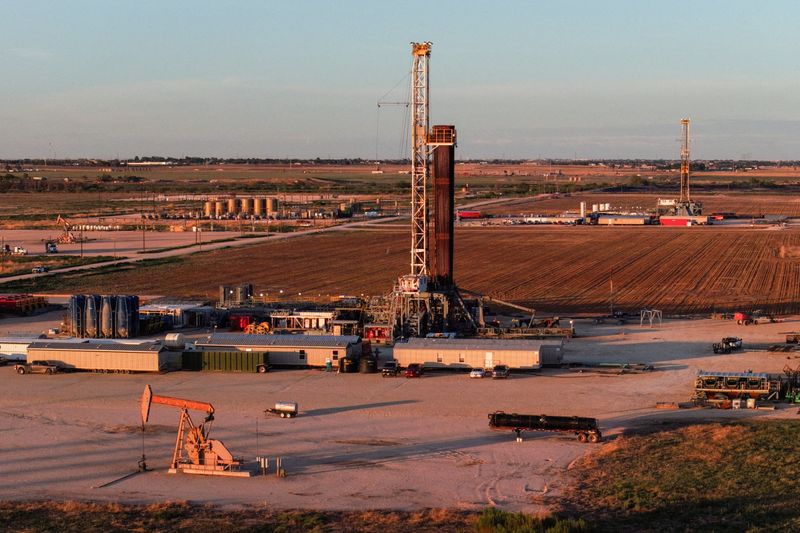
Trump's Fed Chair Nominee May End Bull Market
Written by Emily J. Thompson, Senior Investment Analyst
Updated: 1 hour ago
0mins
Should l Buy NVDA?
Source: Yahoo Finance
- Market Performance Review: During Trump's first term, the Dow, S&P 500, and Nasdaq saw gains of 57%, 70%, and 142% respectively, indicating a strong market influence, yet the current market faces multiple headwinds.
- Fed Chair Nomination: Trump's nomination of Kevin Warsh to succeed Jerome Powell, who served on the Fed Board from 2006 to 2011, may push for higher interest rate policies, impacting the long-term outlook for the stock market.
- Increased Market Risks: Warsh's criticism of the Fed's balance sheet could lead to the sale of long-term Treasuries, raising borrowing costs, which poses a threat to an already overvalued stock market and may trigger a downturn.
- Internal Fed Divisions: Warsh will inherit a historically divided Federal Open Market Committee, potentially leading to inefficiencies in monetary policy and undermining market confidence in the Fed, which could further affect investor sentiment.
Trade with 70% Backtested Accuracy
Stop guessing "Should I Buy NVDA?" and start using high-conviction signals backed by rigorous historical data.
Sign up today to access powerful investing tools and make smarter, data-driven decisions.
Analyst Views on NVDA
Wall Street analysts forecast NVDA stock price to rise
41 Analyst Rating
39 Buy
1 Hold
1 Sell
Strong Buy
Current: 211.500

Low
200.00
Averages
264.97
High
352.00
Current: 211.500
Low
200.00
Averages
264.97
High
352.00
About NVDA
NVIDIA Corporation is an artificial intelligence (AI) infrastructure company. The Company is engaged in accelerated computing to help solve the challenging computational problems. Its segments include Compute & Networking and Graphics. The Compute & Networking segment includes its Data Center accelerated computing and networking platforms and AI solutions and software, and automotive platforms and autonomous and electric vehicle solutions, including software. The Graphics segment includes GeForce GPUs for gaming and personal computers (PCs), and Quadro/NVIDIA RTX GPUs for enterprise workstation graphics. Its technology stack includes the foundational NVIDIA CUDA development platform that runs on all NVIDIA GPUs, as well as hundreds of domain-specific software libraries, frameworks, algorithms, software development kits (SDKs), and application programming interfaces (APIs). Its platforms address four markets, which include Data Center, Gaming, Professional Visualization, and Automotive.
About the author

Emily J. Thompson
Emily J. Thompson, a Chartered Financial Analyst (CFA) with 12 years in investment research, graduated with honors from the Wharton School. Specializing in industrial and technology stocks, she provides in-depth analysis for Intellectia’s earnings and market brief reports.
Nvidia Surpasses $5 Trillion Market Cap, Future Looks Promising

- Market Cap Milestone: Nvidia recently surpassed a $5 trillion market cap, and while short-term fluctuations are common, long-term investors are focused on the $10 trillion target, reflecting strong market confidence in its future growth.
- Revenue Growth Expectations: Wall Street analysts project a 72% revenue growth for Nvidia this year, driven by its dominance in the AI chip market and the ongoing undersupply of data center chips, indicating the company will continue to benefit from the AI infrastructure build-out in the coming years.
- Profitability Analysis: Currently trading at a price-to-earnings ratio of about 43, Nvidia would need to generate $333 billion in net income at a 30 P/E ratio to justify a $10 trillion market cap, showcasing its robust profitability and market recognition of its valuation.
- Future Outlook: Analysts estimate Nvidia's sales will reach $484 billion next year, up from $370 billion this year, reflecting a 31% growth; considering the market's historical underestimation of its growth, investors have reasonable grounds to believe Nvidia could achieve a $10 trillion market cap within three years.
See More

Amazon's Cloud Growth Amid Cash Flow Concerns

- Significant Sales Growth: Amazon's recent net sales increased by 17% year-over-year to over $181 billion, with profits reaching $30 billion, showcasing its strong performance in e-commerce and cloud computing, further solidifying its market leadership.
- Rapid AWS Expansion: Amazon Web Services (AWS) experienced a 28% sales growth driven by surging AI demand, marking the fastest growth in 15 quarters, indicating the company's strengthening competitive edge in the cloud computing market.
- Increased Capital Expenditures: Amazon forecasts capital expenditures of $200 billion this year, which has led to a decline in free cash flow; however, historical data suggests that such investment cycles typically yield long-term revenue growth, alleviating investor concerns.
- Return on Investment Outlook: CEO Andy Jassy indicated that while free cash flow faces pressure, the return on invested capital (ROIC) is expected to grow as investments are monetized, suggesting that the company is positioned for sustainable profitability in the coming years.
See More
IonQ: Leading the Quantum Computing Frontier

- Significant Revenue Growth: IonQ's revenue surged 755% year-over-year in Q1 to nearly $65 million, indicating strong market demand for its quantum computing products and services, with full-year revenue guidance raised from $225 million to a range of $260 million to $270 million, reflecting management's confidence in future growth.
- Technological Milestone: The sale of IonQ's first 256-qubit system marks a significant milestone, showcasing the company's technology nearing commercial viability, which could strengthen its competitive position and lay the groundwork for future market share.
- Massive Market Potential: According to McKinsey, the quantum computing market could reach $72 billion by 2035, presenting IonQ with substantial growth opportunities, and capturing a portion of this market could yield impressive returns for investors.
- Intense Competitive Landscape: Despite IonQ's strong performance, competitors like IBM, Alphabet, and Microsoft possess nearly unlimited resources, making future market competition reliant on who can deliver the best products at reasonable prices, which will significantly impact IonQ's market standing.
See More

Amazon Sees Explosive Growth Amid AI Boom
- Significant Sales Growth: Amazon's recent net sales increased by 17% year-over-year to over $181 billion, with profits rising to $30 billion, demonstrating the company's strong performance in e-commerce and cloud computing, further solidifying its market leadership.
- Rapid AWS Growth: Amazon Web Services (AWS) saw a 28% increase in sales driven by AI demand, marking the fastest growth in 15 quarters, indicating the company's sustained competitiveness in the cloud services market and significant future profitability potential.
- Increased Capital Expenditures: Amazon forecasts capital expenditures of $200 billion this year, which has led to a decline in free cash flow; however, historical data shows that such investment cycles typically yield long-term revenue growth, alleviating investor concerns.
- Recovery of Return on Investment: CEO Andy Jassy noted that while free cash flow faces pressure, return on invested capital (ROIC) is expected to grow as investments are monetized, indicating that the company's investments in infrastructure and technology will lay the groundwork for future growth.
See More

Trump's Fed Chair Nominee May End Bull Market

- Market Performance Review: During Trump's first term, the Dow, S&P 500, and Nasdaq saw gains of 57%, 70%, and 142% respectively, indicating a strong market influence, yet the current market faces multiple headwinds.
- Fed Chair Nomination: Trump's nomination of Kevin Warsh to succeed Jerome Powell, who served on the Fed Board from 2006 to 2011, may push for higher interest rate policies, impacting the long-term outlook for the stock market.
- Increased Market Risks: Warsh's criticism of the Fed's balance sheet could lead to the sale of long-term Treasuries, raising borrowing costs, which poses a threat to an already overvalued stock market and may trigger a downturn.
- Internal Fed Divisions: Warsh will inherit a historically divided Federal Open Market Committee, potentially leading to inefficiencies in monetary policy and undermining market confidence in the Fed, which could further affect investor sentiment.
See More

Amazon Positioned to Outperform S&P 500
- Cloud Growth Acceleration: Amazon Web Services (AWS) reported a 28% revenue increase to $37.6 billion in Q1, marking its fastest growth in nearly four years, indicating a strengthening competitive position in the cloud market that is expected to drive overall performance.
- Chip Business Surge: Amazon's chip division has reached a $20 billion annual run-rate, potentially hitting $50 billion with internal usage, as rising data center spending enhances its AI infrastructure investments, significantly reducing inference costs and boosting profitability.
- Agentic AI Advantage: By collaborating with OpenAI on the BedRock platform, Amazon has strengthened its position in the agentic AI space, while its developed Model Context Protocol (MCP) is set to optimize e-commerce operations, enhancing customer experience and operational efficiency.
- Strong E-commerce Platform: Amazon's e-commerce segment is achieving significant efficiency gains through robotics and AI, which, while AWS garners much attention, positions the e-commerce business for substantial profitability growth, providing a continuous growth driver for the company.
See More
Nvidia Surpasses $5 Trillion Market Cap, Future Looks Promising
- Market Cap Milestone: Nvidia recently surpassed a $5 trillion market cap, and while short-term fluctuations are common, long-term investors are focused on the $10 trillion target, reflecting strong market confidence in its future growth.
- Revenue Growth Expectations: Wall Street analysts project a 72% revenue growth for Nvidia this year, driven by its dominance in the AI chip market and the ongoing undersupply of data center chips, indicating the company will continue to benefit from the AI infrastructure build-out in the coming years.
- Profitability Analysis: Currently trading at a price-to-earnings ratio of about 43, Nvidia would need to generate $333 billion in net income at a 30 P/E ratio to justify a $10 trillion market cap, showcasing its robust profitability and market recognition of its valuation.
- Future Outlook: Analysts estimate Nvidia's sales will reach $484 billion next year, up from $370 billion this year, reflecting a 31% growth; considering the market's historical underestimation of its growth, investors have reasonable grounds to believe Nvidia could achieve a $10 trillion market cap within three years.
See More
Amazon's Cloud Growth Amid Cash Flow Concerns
- Significant Sales Growth: Amazon's recent net sales increased by 17% year-over-year to over $181 billion, with profits reaching $30 billion, showcasing its strong performance in e-commerce and cloud computing, further solidifying its market leadership.
- Rapid AWS Expansion: Amazon Web Services (AWS) experienced a 28% sales growth driven by surging AI demand, marking the fastest growth in 15 quarters, indicating the company's strengthening competitive edge in the cloud computing market.
- Increased Capital Expenditures: Amazon forecasts capital expenditures of $200 billion this year, which has led to a decline in free cash flow; however, historical data suggests that such investment cycles typically yield long-term revenue growth, alleviating investor concerns.
- Return on Investment Outlook: CEO Andy Jassy indicated that while free cash flow faces pressure, the return on invested capital (ROIC) is expected to grow as investments are monetized, suggesting that the company is positioned for sustainable profitability in the coming years.
See More
IonQ: Leading the Quantum Computing Frontier
- Significant Revenue Growth: IonQ's revenue surged 755% year-over-year in Q1 to nearly $65 million, indicating strong market demand for its quantum computing products and services, with full-year revenue guidance raised from $225 million to a range of $260 million to $270 million, reflecting management's confidence in future growth.
- Technological Milestone: The sale of IonQ's first 256-qubit system marks a significant milestone, showcasing the company's technology nearing commercial viability, which could strengthen its competitive position and lay the groundwork for future market share.
- Massive Market Potential: According to McKinsey, the quantum computing market could reach $72 billion by 2035, presenting IonQ with substantial growth opportunities, and capturing a portion of this market could yield impressive returns for investors.
- Intense Competitive Landscape: Despite IonQ's strong performance, competitors like IBM, Alphabet, and Microsoft possess nearly unlimited resources, making future market competition reliant on who can deliver the best products at reasonable prices, which will significantly impact IonQ's market standing.
See More
Amazon Sees Explosive Growth Amid AI Boom
- Significant Sales Growth: Amazon's recent net sales increased by 17% year-over-year to over $181 billion, with profits rising to $30 billion, demonstrating the company's strong performance in e-commerce and cloud computing, further solidifying its market leadership.
- Rapid AWS Growth: Amazon Web Services (AWS) saw a 28% increase in sales driven by AI demand, marking the fastest growth in 15 quarters, indicating the company's sustained competitiveness in the cloud services market and significant future profitability potential.
- Increased Capital Expenditures: Amazon forecasts capital expenditures of $200 billion this year, which has led to a decline in free cash flow; however, historical data shows that such investment cycles typically yield long-term revenue growth, alleviating investor concerns.
- Recovery of Return on Investment: CEO Andy Jassy noted that while free cash flow faces pressure, return on invested capital (ROIC) is expected to grow as investments are monetized, indicating that the company's investments in infrastructure and technology will lay the groundwork for future growth.
See More
Trump's Fed Chair Nominee May End Bull Market
- Market Performance Review: During Trump's first term, the Dow, S&P 500, and Nasdaq saw gains of 57%, 70%, and 142% respectively, indicating a strong market influence, yet the current market faces multiple headwinds.
- Fed Chair Nomination: Trump's nomination of Kevin Warsh to succeed Jerome Powell, who served on the Fed Board from 2006 to 2011, may push for higher interest rate policies, impacting the long-term outlook for the stock market.
- Increased Market Risks: Warsh's criticism of the Fed's balance sheet could lead to the sale of long-term Treasuries, raising borrowing costs, which poses a threat to an already overvalued stock market and may trigger a downturn.
- Internal Fed Divisions: Warsh will inherit a historically divided Federal Open Market Committee, potentially leading to inefficiencies in monetary policy and undermining market confidence in the Fed, which could further affect investor sentiment.
See More
Amazon Positioned to Outperform S&P 500
- Cloud Growth Acceleration: Amazon Web Services (AWS) reported a 28% revenue increase to $37.6 billion in Q1, marking its fastest growth in nearly four years, indicating a strengthening competitive position in the cloud market that is expected to drive overall performance.
- Chip Business Surge: Amazon's chip division has reached a $20 billion annual run-rate, potentially hitting $50 billion with internal usage, as rising data center spending enhances its AI infrastructure investments, significantly reducing inference costs and boosting profitability.
- Agentic AI Advantage: By collaborating with OpenAI on the BedRock platform, Amazon has strengthened its position in the agentic AI space, while its developed Model Context Protocol (MCP) is set to optimize e-commerce operations, enhancing customer experience and operational efficiency.
- Strong E-commerce Platform: Amazon's e-commerce segment is achieving significant efficiency gains through robotics and AI, which, while AWS garners much attention, positions the e-commerce business for substantial profitability growth, providing a continuous growth driver for the company.
See More