Tower Semiconductor and Hut 8 Capitalize on AI Opportunities
Written by Emily J. Thompson, Senior Investment Analyst
Updated: 6 days ago
0mins
Should l Buy TSEM?
Source: NASDAQ.COM
- Tower Semiconductor Growth: Tower Semiconductor's stock has surged over 300% in the past 12 months, driven by its critical role in the AI ecosystem, particularly with its photonic integrated circuits transmitting data at 1.6 terabits per second, meeting AI's demand for rapid data processing.
- Hut 8's Successful Pivot: Hut 8's stock has also risen nearly 300% in the past year as the company shifted its computing power from cryptocurrency mining to AI systems, attracting investments from hedge funds like Flight Deck Capital, indicating its potential in the AI sector.
- Energy Capacity Assurance: By the end of 2025, Hut 8 secured over 1 gigawatt of energy capacity and plans to add another 8.5 gigawatts, ensuring its competitiveness in building AI data centers, especially against the backdrop of a projected electricity shortage by 2030.
- Solid Financial Position: Despite reporting a net loss of $248 million in 2025, Hut 8's total assets stood at $2.8 billion against liabilities of $1.1 billion, demonstrating the company's financial health amid rapid expansion, which continues to attract market interest.
Trade with 70% Backtested Accuracy
Stop guessing "Should I Buy TSEM?" and start using high-conviction signals backed by rigorous historical data.
Sign up today to access powerful investing tools and make smarter, data-driven decisions.
Analyst Views on TSEM
Wall Street analysts forecast TSEM stock price to fall
5 Analyst Rating
3 Buy
2 Hold
0 Sell
Moderate Buy
Current: 171.920

Low
114.00
Averages
134.80
High
150.00
Current: 171.920
Low
114.00
Averages
134.80
High
150.00
About TSEM
Tower Semiconductor Ltd. operates as an independent semiconductor foundry focused primarily on specialty process technologies. The Company focuses on producing integrated circuits (ICs) based on the design specifications of its customers. The Company manufactures semiconductors for its customers primarily based on third-party designs. It offers process manufacture geometries of 0.35, 0.50, 0.55, 0.60, 0.80-micron and above on 150 millimeter wafers, 0.35, 0.18. 0.16, 0.13 and 0.11-micron on 200 millimeter wafers, and 65 nanometer and 45 nanometer on 300 millimeter wafers. It also provides design support and technical services. The Company's ICs are incorporated into a range of products in markets, including consumer electronics, personal computers, communications, automotive, industrial and medical device products. The Company has manufacturing facilities in the United States, Israel and Japan.
About the author

Emily J. Thompson
Emily J. Thompson, a Chartered Financial Analyst (CFA) with 12 years in investment research, graduated with honors from the Wharton School. Specializing in industrial and technology stocks, she provides in-depth analysis for Intellectia’s earnings and market brief reports.

Invesco Semiconductor ETF Underperforms


- ETF Decline: The Invesco Semiconductor ETF fell approximately 3.4% during Monday afternoon trading, indicating market concerns regarding the semiconductor sector, which may impact investor confidence and lead to capital outflows.
- Weak Individual Stocks: Within the ETF, Nlight's shares dropped about 12.2%, while Tower Semiconductor fell approximately 6.3%, reflecting specific challenges these companies face that could affect their future profitability.
- Market Sentiment Fluctuation: The negative sentiment surrounding the semiconductor sector may prompt investors to reassess their portfolios, leading to further sell-offs of related stocks and exacerbating market instability.
- Uncertain Industry Outlook: The poor performance of the semiconductor sector could affect the financing capabilities and expansion plans of related companies, prompting investors to closely monitor industry dynamics to adjust their investment strategies.
See More
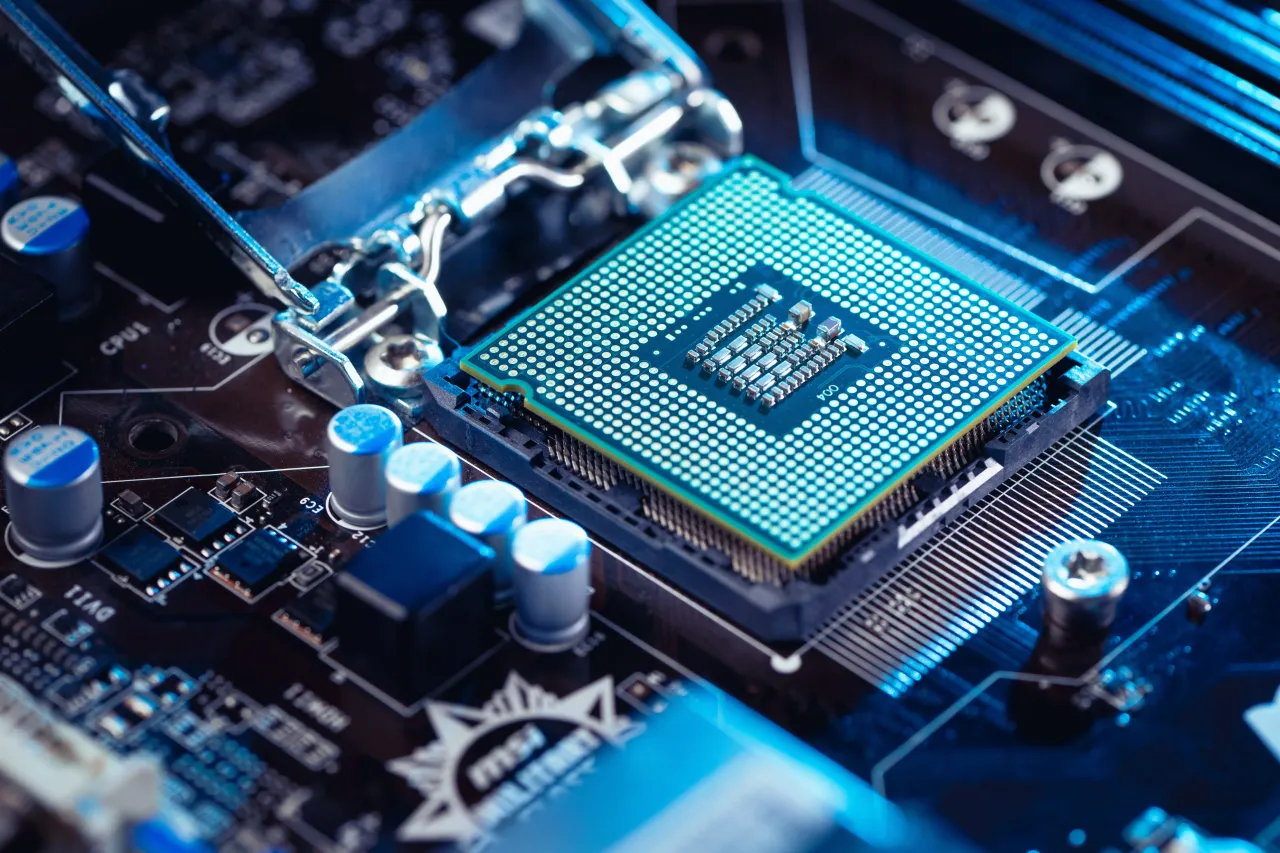
GlobalFoundries Accuses Tower Semiconductor of Patent Infringement

- Patent Infringement Allegations: GlobalFoundries has accused Tower Semiconductor of unauthorized use of 11 patents related to advanced manufacturing processes, impacting sectors like smartphones and automotive systems, which could restrict Tower's ability to import and sell products in the U.S.
- Escalation of Legal Actions: GlobalFoundries has filed complaints with the U.S. International Trade Commission and a federal court in Texas, seeking legal remedies to prevent Tower's related products from entering the U.S. market, indicating a growing competitive tension in the semiconductor industry.
- Market Reaction: Following the allegations, Tower Semiconductor's stock fell over 6%, with investor sentiment shifting from 'extremely bullish' to 'bullish', reflecting heightened market concern and potential risks of business losses.
- Financial Outlook: Despite the legal challenges, Tower Semiconductor projected first-quarter fiscal 2025 revenue of approximately $358 million, slightly above market expectations, and is reorganizing its Japan operations to enhance production capacity, demonstrating resilience amid adversity.
See More
GlobalFoundries Sues Tower Semiconductor for Patent Infringement
- Patent Infringement Lawsuit: GlobalFoundries has filed lawsuits with the U.S. ITC and a Texas federal court, accusing Tower Semiconductor of unlawfully using its semiconductor manufacturing technologies without licensing, involving 11 U.S. patents related to critical chip technologies for mobile, automotive, aerospace, and communications sectors.
- Market Impact: GlobalFoundries is seeking to block Tower's import and sale of allegedly infringing products in the U.S. while also aiming to recover lost profits due to the infringement, demonstrating its strong commitment to protecting intellectual property rights.
- R&D Cost Issues: GF claims that Tower avoided costly R&D by exploiting its patented innovations instead of developing its own capabilities, a practice that not only undermines GF's competitive position but may also negatively impact the innovation landscape within the industry.
- Stock Price Reaction: Tower Semiconductor's shares fell by 3.3%, reflecting market concerns over the lawsuit and potentially affecting investor confidence in its future growth prospects.
See More

GlobalFoundries Sues Tower Semiconductor Over Patent Issues
- Lawsuit Initiation: GlobalFoundries filed a lawsuit against Tower Semiconductor on Thursday, alleging patent infringement, highlighting the intense competition in the semiconductor industry that could impact both companies' future market shares and technological collaborations.
- Market Reaction Anticipation: This lawsuit may lead to a decline in investor confidence in Tower Semiconductor, potentially affecting its stock performance, especially against the backdrop of current supply chain challenges in the semiconductor sector.
- Increased Legal Costs: The lawsuit will result in increased legal expenses for both parties, which could impact their financial health, particularly putting pressure on Tower Semiconductor's profitability.
- Industry-Wide Implications: The outcome of this case could have far-reaching implications for the entire semiconductor industry, particularly in terms of intellectual property protection and technological innovation, possibly prompting other companies to reassess their patent strategies.
See More

Tower Semiconductor's Acquisition of TPSCo Signals Growth Potential
- Acquisition Impact: Tower Semiconductor (TSEM) has gained full ownership of TPSCo's 12-inch fab and foundry business, with Wedbush Securities analysts suggesting this could lead to 'meaningful upside' for Tower, despite a 2.5% drop in premarket trading.
- Stock Performance: Although the stock is currently down, TSEM has seen over a 50% increase year-to-date and more than a 400% rise over the past 12 months, reflecting strong market confidence in its long-term growth potential.
- Capacity Expansion Plans: Analysts noted that TSEM's plans to expand cleanroom space to ramp up SiPh and SiGe production indicate management's increased confidence that demand will exceed its existing optics-oriented expansion, potentially leading to intermediate- to longer-term sales and EPS upside.
- Strategic Significance of New Capacity: The acquisition could equate to adding over 75% of Tower Semiconductor's wafer starts, with this added capacity not previously factored into TSEM's long-term model, suggesting future performance may exceed market expectations.
See More

Tower Semiconductor Options Trading Analysis
- Put Option Appeal: The current bid for the $185.00 put option is $38.10, and if an investor sells this option, they commit to buying the stock at $185.00, resulting in an effective cost basis of $146.90, which represents about a 3% discount to the current price of $191.61, making it attractive for those interested in TSEM shares.
- Return Potential Analysis: Should the put option expire worthless, the premium would yield a 20.59% return on the cash commitment, or an annualized return of 42.47%, highlighting the importance of this investment strategy in risk management.
- Call Option Returns: The current bid for the $195.00 call option is $38.20, and if an investor buys TSEM shares at $191.61 and sells this call option, they could achieve a total return of 21.71% if the stock is called away at expiration, showcasing the potential profitability of this strategy.
- Volatility Comparison: The implied volatility for the put option is 83%, while for the call option it is 82%, with the actual trailing twelve-month volatility calculated at 61%, indicating a high market expectation for future volatility in TSEM shares, necessitating careful risk assessment by investors.
See More
Invesco Semiconductor ETF Underperforms
- ETF Decline: The Invesco Semiconductor ETF fell approximately 3.4% during Monday afternoon trading, indicating market concerns regarding the semiconductor sector, which may impact investor confidence and lead to capital outflows.
- Weak Individual Stocks: Within the ETF, Nlight's shares dropped about 12.2%, while Tower Semiconductor fell approximately 6.3%, reflecting specific challenges these companies face that could affect their future profitability.
- Market Sentiment Fluctuation: The negative sentiment surrounding the semiconductor sector may prompt investors to reassess their portfolios, leading to further sell-offs of related stocks and exacerbating market instability.
- Uncertain Industry Outlook: The poor performance of the semiconductor sector could affect the financing capabilities and expansion plans of related companies, prompting investors to closely monitor industry dynamics to adjust their investment strategies.
See More
GlobalFoundries Accuses Tower Semiconductor of Patent Infringement
- Patent Infringement Allegations: GlobalFoundries has accused Tower Semiconductor of unauthorized use of 11 patents related to advanced manufacturing processes, impacting sectors like smartphones and automotive systems, which could restrict Tower's ability to import and sell products in the U.S.
- Escalation of Legal Actions: GlobalFoundries has filed complaints with the U.S. International Trade Commission and a federal court in Texas, seeking legal remedies to prevent Tower's related products from entering the U.S. market, indicating a growing competitive tension in the semiconductor industry.
- Market Reaction: Following the allegations, Tower Semiconductor's stock fell over 6%, with investor sentiment shifting from 'extremely bullish' to 'bullish', reflecting heightened market concern and potential risks of business losses.
- Financial Outlook: Despite the legal challenges, Tower Semiconductor projected first-quarter fiscal 2025 revenue of approximately $358 million, slightly above market expectations, and is reorganizing its Japan operations to enhance production capacity, demonstrating resilience amid adversity.
See More
GlobalFoundries Sues Tower Semiconductor for Patent Infringement
- Patent Infringement Lawsuit: GlobalFoundries has filed lawsuits with the U.S. ITC and a Texas federal court, accusing Tower Semiconductor of unlawfully using its semiconductor manufacturing technologies without licensing, involving 11 U.S. patents related to critical chip technologies for mobile, automotive, aerospace, and communications sectors.
- Market Impact: GlobalFoundries is seeking to block Tower's import and sale of allegedly infringing products in the U.S. while also aiming to recover lost profits due to the infringement, demonstrating its strong commitment to protecting intellectual property rights.
- R&D Cost Issues: GF claims that Tower avoided costly R&D by exploiting its patented innovations instead of developing its own capabilities, a practice that not only undermines GF's competitive position but may also negatively impact the innovation landscape within the industry.
- Stock Price Reaction: Tower Semiconductor's shares fell by 3.3%, reflecting market concerns over the lawsuit and potentially affecting investor confidence in its future growth prospects.
See More
GlobalFoundries Sues Tower Semiconductor Over Patent Issues
- Lawsuit Initiation: GlobalFoundries filed a lawsuit against Tower Semiconductor on Thursday, alleging patent infringement, highlighting the intense competition in the semiconductor industry that could impact both companies' future market shares and technological collaborations.
- Market Reaction Anticipation: This lawsuit may lead to a decline in investor confidence in Tower Semiconductor, potentially affecting its stock performance, especially against the backdrop of current supply chain challenges in the semiconductor sector.
- Increased Legal Costs: The lawsuit will result in increased legal expenses for both parties, which could impact their financial health, particularly putting pressure on Tower Semiconductor's profitability.
- Industry-Wide Implications: The outcome of this case could have far-reaching implications for the entire semiconductor industry, particularly in terms of intellectual property protection and technological innovation, possibly prompting other companies to reassess their patent strategies.
See More
Tower Semiconductor's Acquisition of TPSCo Signals Growth Potential
- Acquisition Impact: Tower Semiconductor (TSEM) has gained full ownership of TPSCo's 12-inch fab and foundry business, with Wedbush Securities analysts suggesting this could lead to 'meaningful upside' for Tower, despite a 2.5% drop in premarket trading.
- Stock Performance: Although the stock is currently down, TSEM has seen over a 50% increase year-to-date and more than a 400% rise over the past 12 months, reflecting strong market confidence in its long-term growth potential.
- Capacity Expansion Plans: Analysts noted that TSEM's plans to expand cleanroom space to ramp up SiPh and SiGe production indicate management's increased confidence that demand will exceed its existing optics-oriented expansion, potentially leading to intermediate- to longer-term sales and EPS upside.
- Strategic Significance of New Capacity: The acquisition could equate to adding over 75% of Tower Semiconductor's wafer starts, with this added capacity not previously factored into TSEM's long-term model, suggesting future performance may exceed market expectations.
See More
Tower Semiconductor Options Trading Analysis
- Put Option Appeal: The current bid for the $185.00 put option is $38.10, and if an investor sells this option, they commit to buying the stock at $185.00, resulting in an effective cost basis of $146.90, which represents about a 3% discount to the current price of $191.61, making it attractive for those interested in TSEM shares.
- Return Potential Analysis: Should the put option expire worthless, the premium would yield a 20.59% return on the cash commitment, or an annualized return of 42.47%, highlighting the importance of this investment strategy in risk management.
- Call Option Returns: The current bid for the $195.00 call option is $38.20, and if an investor buys TSEM shares at $191.61 and sells this call option, they could achieve a total return of 21.71% if the stock is called away at expiration, showcasing the potential profitability of this strategy.
- Volatility Comparison: The implied volatility for the put option is 83%, while for the call option it is 82%, with the actual trailing twelve-month volatility calculated at 61%, indicating a high market expectation for future volatility in TSEM shares, necessitating careful risk assessment by investors.
See More