Top Analyst Reports for Abbott, BP & Gilead
Written by Emily J. Thompson, Senior Investment Analyst
Updated: Jun 21 2024
0mins


Source: NASDAQ.COM
- Abbott Laboratories (ABT): Shares have declined due to COVID-19 testing-related sales slump, but growth prospects remain strong with new products.
- BP p.l.c. (BP): Shows gains in shares with a robust upstream portfolio and diversification into renewables, despite concerns about high debt and asset divestitures.
- Gilead Sciences, Inc. (GILD): Faces pipeline setbacks but maintains growth with flagship HIV therapy and strong oncology franchise.
- Smith-Midland Corp. (SMID): Outperformed industry with record sales, yet faces risks from rising costs and dependence on key customers.
- Crimson Wine Group, Ltd. (CWGL): Despite share decline, the company boasts luxury wine brands and financial flexibility, but reports net loss and operational challenges.
Trade with 70% Backtested Accuracy
Stop guessing "Should I Buy BP?" and start using high-conviction signals backed by rigorous historical data.
Sign up today to access powerful investing tools and make smarter, data-driven decisions.
Analyst Views on BP
Wall Street analysts forecast BP stock price to rise
11 Analyst Rating
5 Buy
5 Hold
1 Sell
Moderate Buy
Current: 40.140

Low
6.38
Averages
84.26
High
503.69
Current: 40.140
Low
6.38
Averages
84.26
High
503.69
About BP
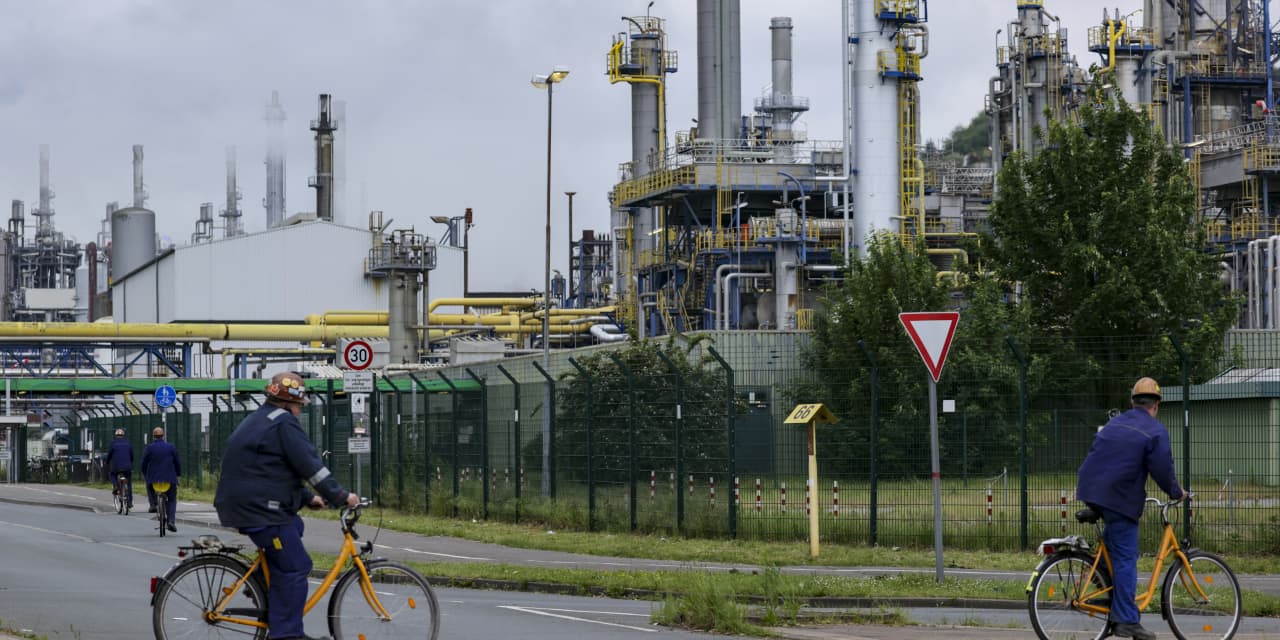
BP p.l.c. is a United Kingdom-based integrated energy company. Its segments include Gas & low carbon energy, Oil production & operations, Customers & products, and Other businesses & corporate. The gas & low carbon energy comprises regions with upstream businesses that predominantly produce natural gas, gas marketing and trading activities and its solar, wind and hydrogen businesses. The oil production & operations segment comprises regions with upstream activities that predominantly produce crude oil, including bpx energy. The customers & products segment comprises its customer-focused businesses, which include convenience and retail fuels, electric vehicle (EV) charging, as well as Castrol, aviation and business-to-business (B2B) and midstream. It also includes its products businesses, refining and oil trading, as well as its bioenergy businesses. The other businesses and corporate also comprises the Company's shipping and treasury functions, and corporate activities worldwide.
About the author

Emily J. Thompson
Emily J. Thompson, a Chartered Financial Analyst (CFA) with 12 years in investment research, graduated with honors from the Wharton School. Specializing in industrial and technology stocks, she provides in-depth analysis for Intellectia’s earnings and market brief reports.
Small and Mid-Cap Broker Rankings Suffer Setbacks

- Increased Market Transparency: The implementation of MIFID II in January 2018 mandated separate charges for research, resulting in a decline in small and mid-cap analysts from 29 in 2007 to just 17 now, indicating a reduced demand for research services and impacting the attractiveness of small-cap investments.
- Intensified Industry Consolidation: Recent acquisitions, such as Numis Securities by Deutsche Bank and the merger of Panmure Gordon with Liberum, alongside Stifel's closure of its UK equities business by the end of 2025, reflect a trend of consolidation in the small and mid-cap market that may further weaken competitiveness.
- Narrowing Sector Coverage: In 2007, the UK SMID survey covered 18 sectors, but the latest rankings only encompass 9 sectors, with industries like Chemicals, Metals & Mining, and Transport & Logistics disappearing, highlighting a decline in market vitality and investor interest.
- Reevaluation of Research Value: Although the FCA has relaxed research payment rules, Enticknap emphasizes that the value of research must be recognized by the buy side to restore liquidity, which is crucial for attracting young talent back to the analyst profession and ensuring the revival of the London market.
See More

BP Board Investigates Governance Issues Amid Fraud Claims
- Board Decision: On May 26, 2026, BP's board unanimously decided to remove Albert Manifold from his roles as Chair and Director due to serious concerns regarding governance standards and oversight, indicating significant governance failures that could undermine investor confidence.
- Stock Price Reaction: Following this announcement, BP's American Depositary Shares (ADS) fell by $1.71, or 3.85%, closing at $42.65 per share, reflecting the market's negative response to governance issues and potential investor concerns about future performance.
- Legal Investigation: Pomerantz LLP is investigating whether BP and certain executives have engaged in securities fraud or other unlawful business practices, which could further impact the company's reputation and shareholder trust while increasing legal risks.
- Historical Context: Pomerantz LLP, recognized as a leading firm in securities class action litigation with over 85 years of experience, focuses on fighting for the rights of victims of securities fraud and corporate misconduct, suggesting that BP may face a wave of litigation challenges ahead.
See More

AbbVie, Chevron, and Enterprise Products' Dividend Prospects


- AbbVie's Dividend King Status: AbbVie has increased its dividend for 54 consecutive years, boasting a dividend yield exceeding 3%, with seven of its twelve blockbuster drugs generating over $2 billion annually, indicating strong growth potential that is likely to drive stock price appreciation.
- Chevron's Stable Returns: Chevron has raised its dividend for 39 years, currently yielding 3.8%, and can sustain dividends and capital expenditures even if oil prices fall below $50 per barrel, showcasing robust financial resilience and attractiveness to investors.
- Enterprise Products' High Yield: Enterprise Products Partners offers a distribution yield of 5.8% and has increased its distribution for 27 consecutive years, with a strong balance sheet and 90% of long-term contracts insulated from inflation, positioning it favorably in the energy market.
- Market Volatility and Investment Opportunities: While the likelihood of rate cuts remains low due to rising inflation and a strong job market, this dynamic makes stable income investments more appealing, with high-dividend stocks like AbbVie, Chevron, and Enterprise Products becoming top picks for investors.
See More

Top High-Yield Dividend Stocks: AbbVie, Chevron, Enterprise
- AbbVie's Strong Growth: AbbVie markets 12 blockbuster drugs, with 7 generating over $2 billion in annual sales, and boasts a 54-year streak of dividend increases, currently yielding 3%, positioning it strongly in the pharmaceutical sector.
- Chevron's Stable Returns: Chevron has increased its dividend for 39 consecutive years, with a current yield of 3.8%, and has repurchased shares in 18 of the last 22 years, demonstrating a strong commitment to shareholder returns, with expected annual EPS growth of over 10%.
- High Yield from Enterprise Products: Enterprise Products Partners offers a distribution yield of 5.8% and has increased distributions for 27 consecutive years, supported by a strong balance sheet and high credit rating, indicating continued growth potential.
- Market Environment Impact: With rising inflation and a strong job market, increased market volatility may occur, yet high-yield stocks like AbbVie, Chevron, and Enterprise Products are likely to attract income-seeking investors, potentially driving their stock prices higher.
See More
BP Initiates Stake Sales in Gulf of Mexico Projects
- Strategic Restructuring Opportunity: BP is reportedly exploring stake sales in its key Gulf of Mexico projects, Kaskida and Tiber, providing new CEO Meg O'Neill an early chance to reshape the company's capital plans, which could have significant implications for its financial structure.
- Project Valuation Assessment: While the exact size of the stakes remains unknown, both projects are valued in the billions, and BP has been considering minority stake sales for over a year, potentially providing funding for future investments.
- Production Potential: Kaskida is expected to commence production in 2029, followed by Tiber in 2030, with each project designed to produce approximately 80,000 barrels of oil per day, aiding BP in its goal of achieving around 1 million barrels of oil equivalent per day from U.S. upstream operations by 2030.
- Financing Strategy Adjustment: Selling minority stakes could help share development costs while ensuring BP remains involved in these long-term oil projects, indicating that the company’s strategic investment intentions in the Gulf are not diminishing.
See More

BP Initiates Stake Sale in Gulf Projects Under New CEO
- Stake Sale Initiative: BP has initiated a process to sell stakes in its Kaskida and Tiber projects in the U.S. Gulf, with the specific size of the stakes unknown; however, each project is estimated to be worth billions, indicating strategic shifts under new CEO Meg O'Neill.
- Project Potential: Kaskida and Tiber are considered BP's top prospects in the Gulf, each expected to have a production capacity of 80,000 barrels per day, with Kaskida set to begin production in 2029 and Tiber in 2030, enhancing the company's output capabilities.
- Production Goals: BP aims to boost its U.S. upstream output to approximately 1 million barrels of oil equivalent per day by 2030, which is nearly half of its global target of 2.3 to 2.5 million barrels of oil equivalent per day, reflecting the company's confidence in future growth.
- Market Response: Despite recent governance turmoil leading to the ousting of its chairman, the market's reaction to BP's new strategic direction remains positive, suggesting investor optimism regarding the long-term potential of BP's Gulf operations.
See More
Small and Mid-Cap Broker Rankings Suffer Setbacks
- Increased Market Transparency: The implementation of MIFID II in January 2018 mandated separate charges for research, resulting in a decline in small and mid-cap analysts from 29 in 2007 to just 17 now, indicating a reduced demand for research services and impacting the attractiveness of small-cap investments.
- Intensified Industry Consolidation: Recent acquisitions, such as Numis Securities by Deutsche Bank and the merger of Panmure Gordon with Liberum, alongside Stifel's closure of its UK equities business by the end of 2025, reflect a trend of consolidation in the small and mid-cap market that may further weaken competitiveness.
- Narrowing Sector Coverage: In 2007, the UK SMID survey covered 18 sectors, but the latest rankings only encompass 9 sectors, with industries like Chemicals, Metals & Mining, and Transport & Logistics disappearing, highlighting a decline in market vitality and investor interest.
- Reevaluation of Research Value: Although the FCA has relaxed research payment rules, Enticknap emphasizes that the value of research must be recognized by the buy side to restore liquidity, which is crucial for attracting young talent back to the analyst profession and ensuring the revival of the London market.
See More
BP Board Investigates Governance Issues Amid Fraud Claims
- Board Decision: On May 26, 2026, BP's board unanimously decided to remove Albert Manifold from his roles as Chair and Director due to serious concerns regarding governance standards and oversight, indicating significant governance failures that could undermine investor confidence.
- Stock Price Reaction: Following this announcement, BP's American Depositary Shares (ADS) fell by $1.71, or 3.85%, closing at $42.65 per share, reflecting the market's negative response to governance issues and potential investor concerns about future performance.
- Legal Investigation: Pomerantz LLP is investigating whether BP and certain executives have engaged in securities fraud or other unlawful business practices, which could further impact the company's reputation and shareholder trust while increasing legal risks.
- Historical Context: Pomerantz LLP, recognized as a leading firm in securities class action litigation with over 85 years of experience, focuses on fighting for the rights of victims of securities fraud and corporate misconduct, suggesting that BP may face a wave of litigation challenges ahead.
See More
AbbVie, Chevron, and Enterprise Products' Dividend Prospects
- AbbVie's Dividend King Status: AbbVie has increased its dividend for 54 consecutive years, boasting a dividend yield exceeding 3%, with seven of its twelve blockbuster drugs generating over $2 billion annually, indicating strong growth potential that is likely to drive stock price appreciation.
- Chevron's Stable Returns: Chevron has raised its dividend for 39 years, currently yielding 3.8%, and can sustain dividends and capital expenditures even if oil prices fall below $50 per barrel, showcasing robust financial resilience and attractiveness to investors.
- Enterprise Products' High Yield: Enterprise Products Partners offers a distribution yield of 5.8% and has increased its distribution for 27 consecutive years, with a strong balance sheet and 90% of long-term contracts insulated from inflation, positioning it favorably in the energy market.
- Market Volatility and Investment Opportunities: While the likelihood of rate cuts remains low due to rising inflation and a strong job market, this dynamic makes stable income investments more appealing, with high-dividend stocks like AbbVie, Chevron, and Enterprise Products becoming top picks for investors.
See More
Top High-Yield Dividend Stocks: AbbVie, Chevron, Enterprise
- AbbVie's Strong Growth: AbbVie markets 12 blockbuster drugs, with 7 generating over $2 billion in annual sales, and boasts a 54-year streak of dividend increases, currently yielding 3%, positioning it strongly in the pharmaceutical sector.
- Chevron's Stable Returns: Chevron has increased its dividend for 39 consecutive years, with a current yield of 3.8%, and has repurchased shares in 18 of the last 22 years, demonstrating a strong commitment to shareholder returns, with expected annual EPS growth of over 10%.
- High Yield from Enterprise Products: Enterprise Products Partners offers a distribution yield of 5.8% and has increased distributions for 27 consecutive years, supported by a strong balance sheet and high credit rating, indicating continued growth potential.
- Market Environment Impact: With rising inflation and a strong job market, increased market volatility may occur, yet high-yield stocks like AbbVie, Chevron, and Enterprise Products are likely to attract income-seeking investors, potentially driving their stock prices higher.
See More
BP Initiates Stake Sales in Gulf of Mexico Projects
- Strategic Restructuring Opportunity: BP is reportedly exploring stake sales in its key Gulf of Mexico projects, Kaskida and Tiber, providing new CEO Meg O'Neill an early chance to reshape the company's capital plans, which could have significant implications for its financial structure.
- Project Valuation Assessment: While the exact size of the stakes remains unknown, both projects are valued in the billions, and BP has been considering minority stake sales for over a year, potentially providing funding for future investments.
- Production Potential: Kaskida is expected to commence production in 2029, followed by Tiber in 2030, with each project designed to produce approximately 80,000 barrels of oil per day, aiding BP in its goal of achieving around 1 million barrels of oil equivalent per day from U.S. upstream operations by 2030.
- Financing Strategy Adjustment: Selling minority stakes could help share development costs while ensuring BP remains involved in these long-term oil projects, indicating that the company’s strategic investment intentions in the Gulf are not diminishing.
See More
BP Initiates Stake Sale in Gulf Projects Under New CEO
- Stake Sale Initiative: BP has initiated a process to sell stakes in its Kaskida and Tiber projects in the U.S. Gulf, with the specific size of the stakes unknown; however, each project is estimated to be worth billions, indicating strategic shifts under new CEO Meg O'Neill.
- Project Potential: Kaskida and Tiber are considered BP's top prospects in the Gulf, each expected to have a production capacity of 80,000 barrels per day, with Kaskida set to begin production in 2029 and Tiber in 2030, enhancing the company's output capabilities.
- Production Goals: BP aims to boost its U.S. upstream output to approximately 1 million barrels of oil equivalent per day by 2030, which is nearly half of its global target of 2.3 to 2.5 million barrels of oil equivalent per day, reflecting the company's confidence in future growth.
- Market Response: Despite recent governance turmoil leading to the ousting of its chairman, the market's reaction to BP's new strategic direction remains positive, suggesting investor optimism regarding the long-term potential of BP's Gulf operations.
See More