

Three Key Homebuilders to Monitor as They Approach a Breakout


Homebuilding Sector Performance: The homebuilding sector has started 2026 strongly, with the S&P Homebuilders ETF up 17% year-to-date, reflecting a shift in capital towards more defensive sectors like consumer staples and energy.
Investor Sentiment: Improved sentiment among investors is noted as they anticipate potential interest rate cuts and address the ongoing housing shortage in the U.S., estimated at 4 million homes.
Key Stocks to Watch: Notable companies in the sector include Pulte Group, which has gained 21.5% year-to-date, and Toll Brothers, which has also shown significant growth, indicating strong market performance and potential breakout opportunities.
Market Outlook: Analysts suggest that if borrowing costs decrease while demand remains firm, builders could find themselves in a favorable position, with the potential for further upside in the housing market.
Trade with 70% Backtested Accuracy
Analyst Views on PHM

About PHM
About the author


PulteGroup to Develop New Community in Florida

- Land Acquisition: PulteGroup has acquired approximately 419 acres in Pasco County, Florida, to develop the Explore by Del Webb Verona community, with groundbreaking scheduled for June 2026, marking a strategic expansion in a rapidly growing market.
- Housing Plans: The project will feature 843 homesites, with sales expected to begin in mid-2027, aimed at meeting modern homebuyers' demands for high-quality lifestyle options, thereby enhancing the company's competitive position in the region.
- Community Features: Explore by Del Webb Verona will offer a wide range of amenities, including fitness studios, massage rooms, a lazy river, and pickleball courts, designed to create an active community experience that attracts homebuyers seeking a premium lifestyle.
- Future Vision: This community is part of a larger master plan for Verona, which is expected to include 2,800 homesites and commercial parcels, showcasing PulteGroup's foresight and innovation in addressing evolving consumer demands.

U.S. Stocks Close Mixed as Chipmakers Weigh on Market


- Mixed Market Performance: The S&P 500 index fell by 0.10% and the Nasdaq 100 index dropped by 0.43%, while the Dow Jones Industrial Average rose by 0.35%, indicating a divergence in market sentiment, particularly under pressure from chipmakers.
- Chip Sector Pressure: Ahead of Micron Technology's earnings report, chipmakers saw declines, reflecting market concerns over AI infrastructure demand, despite Micron's stock rising over 260% this year, highlighting the volatility in tech stocks.
- Oil Price Impact: WTI crude oil prices sank to a 3.5-month low, leading to a drop in bond yields, with the 10-year Treasury yield falling to 4.40%, benefiting sectors like homebuilders and airlines by enhancing profit outlooks amid lower fuel costs.
- Decline in New Home Sales: U.S. May new home sales unexpectedly fell by 7.3% to 580,000 units, below the expected 640,000, indicating weakness in the housing market that could affect future economic growth expectations.
U.S. Homebuilder Stocks Surge Following Housing Bill Passage


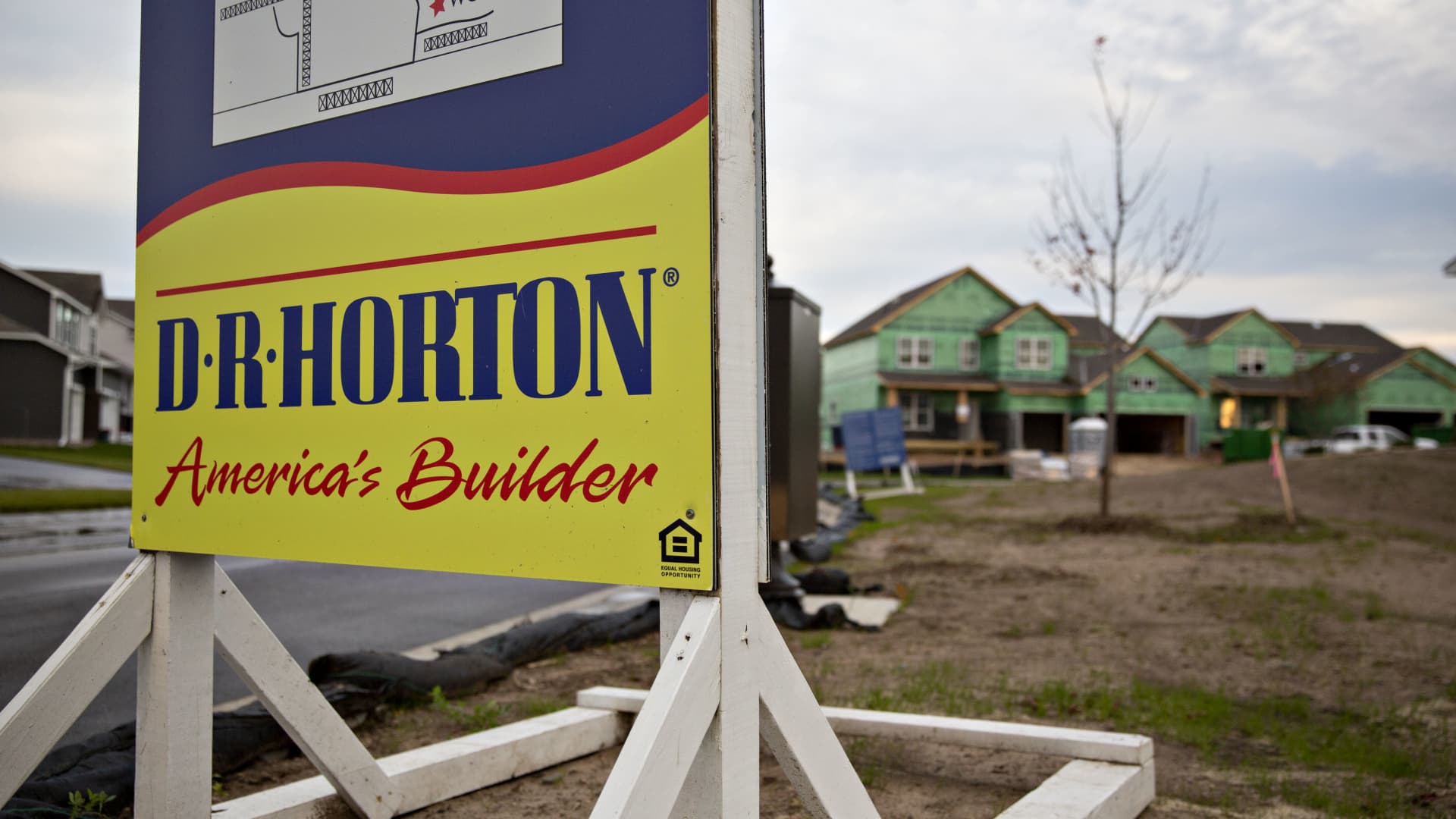
- Homebuilder Stock Rally: U.S. homebuilder stocks surged after the House passed a bill aimed at accelerating the construction and availability of affordable housing, with the PHLX Housing Index rising 5.4% to briefly hit its highest level since February 25, indicating strong market optimism regarding housing policy.
- Long-Term Benefits Anticipated: Analysts at Evercore ISI noted that while the bill may not provide immediate benefits to homebuilders, it could significantly alleviate long-term housing supply issues, enhancing the sector's recovery prospects.
- Uncertainty Over Trump's Signature: President Trump canceled his plan to sign the bill, creating uncertainty as he did not indicate a veto; if he takes no action within 10 days, the bill will automatically become law, adding a layer of unpredictability to the market.
- Strong Individual Stock Performance: Major builders like D.R. Horton and Lennar saw their shares rise over 6%, while PulteGroup jumped more than 8%, reflecting market optimism about future housing policies, particularly in the context of the upcoming midterm elections.

Analysis of Stock Price Movements for Multiple Companies


- Rating Downgrade Impact: Principal Financial Group's stock fell 4% after Bank of America downgraded its rating from neutral to underperform, with analysts forecasting a slowdown in operating income growth over the next 12 months, indicating a decline in previously healthy growth expectations following significant valuation increases.
- Energy Sector Decline: The energy sector within the S&P 500 dropped 2% as West Texas Intermediate crude futures briefly fell to $69.63 per barrel, causing APA Corp, Halliburton, and ConocoPhillips to decline over 3%, reflecting market concerns about energy demand.
- Travel Stocks Surge: Travel-related companies saw stock prices rise as oil prices tumbled, with Expedia Group gaining 9% and Booking Holdings increasing by 8%, suggesting a growing optimism in the recovery of the travel sector.
- Cerebras Earnings Report Disappointment: Cerebras shares plummeted 16% after its first earnings report revealed a Q1 loss of 22 cents on revenues of $193.4 million, with expectations of a gross margin decline to 36%-38% in Q2, highlighting the financial pressures the company faces.

US Stocks Rebound as Tech Shares Benefit from AI Demand

- Market Rebound: The S&P 500 Index rose by 0.72%, the Dow Jones Industrial Average increased by 0.82%, and the Nasdaq 100 Index climbed by 0.50%, indicating a recovery from Tuesday's sharp selloff as investors look to Micron Technology's earnings report to assess AI market performance.
- Micron Technology Gains: Micron's stock has surged over 260% this year, positioning the company as a major beneficiary of the soaring demand for AI infrastructure, which has attracted significant investor interest and reflects its strong market position.
- Housing Bill Impact: The passage of the 21st Century Road to Housing Act by Congress has led to gains for homebuilders and building suppliers, with KB Home and Builders Firstsource rising over 16% and 11% respectively, highlighting the positive impact of policy support on the industry.
- Crude Oil Price Drop: WTI crude oil prices fell more than 4% to a 3.5-month low, lowering inflation expectations and boosting stock markets, particularly benefiting airline and cruise line stocks due to reduced fuel costs, demonstrating the influence of energy market fluctuations on the broader economy.

Bipartisan Housing Bill Passes Congress, Boosting Real Estate Stocks
- Surge in Real Estate Stocks: The bipartisan affordable housing bill passed by both chambers of Congress led to a significant rise in real estate-related stocks, with iShares U.S. Home Construction ETF (ITB) up 7.0%, D.R. Horton (DHI) up 7.4%, and PulteGroup (PHM) up 9.3%, indicating strong market optimism regarding housing policy.
- Manufactured Housing Stocks Benefit: Stocks related to manufactured housing also saw gains, with Cavco Industries (CVCO) rising 6.3% and Champion Homes (SKY) increasing 6.9%, reflecting a growing demand for affordable housing solutions in the market.
- Mortgage Lender Stocks Rise: Mortgage lender stocks experienced a boost, particularly Rocket Companies (RKT) which surged 13%, showcasing investor confidence in its growth potential, especially with the housing bill expected to enhance loan demand.
- Real Estate Brokerages Perform Well: Real estate brokerages like AGNT and Compass saw increases of 10% and 9.1% respectively, reflecting optimistic expectations for real estate transaction activity, particularly as the new legislation may stimulate home-buying demand.
PulteGroup to Develop New Community in Florida
- Land Acquisition: PulteGroup has acquired approximately 419 acres in Pasco County, Florida, to develop the Explore by Del Webb Verona community, with groundbreaking scheduled for June 2026, marking a strategic expansion in a rapidly growing market.
- Housing Plans: The project will feature 843 homesites, with sales expected to begin in mid-2027, aimed at meeting modern homebuyers' demands for high-quality lifestyle options, thereby enhancing the company's competitive position in the region.
- Community Features: Explore by Del Webb Verona will offer a wide range of amenities, including fitness studios, massage rooms, a lazy river, and pickleball courts, designed to create an active community experience that attracts homebuyers seeking a premium lifestyle.
- Future Vision: This community is part of a larger master plan for Verona, which is expected to include 2,800 homesites and commercial parcels, showcasing PulteGroup's foresight and innovation in addressing evolving consumer demands.
U.S. Stocks Close Mixed as Chipmakers Weigh on Market
- Mixed Market Performance: The S&P 500 index fell by 0.10% and the Nasdaq 100 index dropped by 0.43%, while the Dow Jones Industrial Average rose by 0.35%, indicating a divergence in market sentiment, particularly under pressure from chipmakers.
- Chip Sector Pressure: Ahead of Micron Technology's earnings report, chipmakers saw declines, reflecting market concerns over AI infrastructure demand, despite Micron's stock rising over 260% this year, highlighting the volatility in tech stocks.
- Oil Price Impact: WTI crude oil prices sank to a 3.5-month low, leading to a drop in bond yields, with the 10-year Treasury yield falling to 4.40%, benefiting sectors like homebuilders and airlines by enhancing profit outlooks amid lower fuel costs.
- Decline in New Home Sales: U.S. May new home sales unexpectedly fell by 7.3% to 580,000 units, below the expected 640,000, indicating weakness in the housing market that could affect future economic growth expectations.
U.S. Homebuilder Stocks Surge Following Housing Bill Passage
- Homebuilder Stock Rally: U.S. homebuilder stocks surged after the House passed a bill aimed at accelerating the construction and availability of affordable housing, with the PHLX Housing Index rising 5.4% to briefly hit its highest level since February 25, indicating strong market optimism regarding housing policy.
- Long-Term Benefits Anticipated: Analysts at Evercore ISI noted that while the bill may not provide immediate benefits to homebuilders, it could significantly alleviate long-term housing supply issues, enhancing the sector's recovery prospects.
- Uncertainty Over Trump's Signature: President Trump canceled his plan to sign the bill, creating uncertainty as he did not indicate a veto; if he takes no action within 10 days, the bill will automatically become law, adding a layer of unpredictability to the market.
- Strong Individual Stock Performance: Major builders like D.R. Horton and Lennar saw their shares rise over 6%, while PulteGroup jumped more than 8%, reflecting market optimism about future housing policies, particularly in the context of the upcoming midterm elections.
Analysis of Stock Price Movements for Multiple Companies
- Rating Downgrade Impact: Principal Financial Group's stock fell 4% after Bank of America downgraded its rating from neutral to underperform, with analysts forecasting a slowdown in operating income growth over the next 12 months, indicating a decline in previously healthy growth expectations following significant valuation increases.
- Energy Sector Decline: The energy sector within the S&P 500 dropped 2% as West Texas Intermediate crude futures briefly fell to $69.63 per barrel, causing APA Corp, Halliburton, and ConocoPhillips to decline over 3%, reflecting market concerns about energy demand.
- Travel Stocks Surge: Travel-related companies saw stock prices rise as oil prices tumbled, with Expedia Group gaining 9% and Booking Holdings increasing by 8%, suggesting a growing optimism in the recovery of the travel sector.
- Cerebras Earnings Report Disappointment: Cerebras shares plummeted 16% after its first earnings report revealed a Q1 loss of 22 cents on revenues of $193.4 million, with expectations of a gross margin decline to 36%-38% in Q2, highlighting the financial pressures the company faces.
US Stocks Rebound as Tech Shares Benefit from AI Demand
- Market Rebound: The S&P 500 Index rose by 0.72%, the Dow Jones Industrial Average increased by 0.82%, and the Nasdaq 100 Index climbed by 0.50%, indicating a recovery from Tuesday's sharp selloff as investors look to Micron Technology's earnings report to assess AI market performance.
- Micron Technology Gains: Micron's stock has surged over 260% this year, positioning the company as a major beneficiary of the soaring demand for AI infrastructure, which has attracted significant investor interest and reflects its strong market position.
- Housing Bill Impact: The passage of the 21st Century Road to Housing Act by Congress has led to gains for homebuilders and building suppliers, with KB Home and Builders Firstsource rising over 16% and 11% respectively, highlighting the positive impact of policy support on the industry.
- Crude Oil Price Drop: WTI crude oil prices fell more than 4% to a 3.5-month low, lowering inflation expectations and boosting stock markets, particularly benefiting airline and cruise line stocks due to reduced fuel costs, demonstrating the influence of energy market fluctuations on the broader economy.
Bipartisan Housing Bill Passes Congress, Boosting Real Estate Stocks
- Surge in Real Estate Stocks: The bipartisan affordable housing bill passed by both chambers of Congress led to a significant rise in real estate-related stocks, with iShares U.S. Home Construction ETF (ITB) up 7.0%, D.R. Horton (DHI) up 7.4%, and PulteGroup (PHM) up 9.3%, indicating strong market optimism regarding housing policy.
- Manufactured Housing Stocks Benefit: Stocks related to manufactured housing also saw gains, with Cavco Industries (CVCO) rising 6.3% and Champion Homes (SKY) increasing 6.9%, reflecting a growing demand for affordable housing solutions in the market.
- Mortgage Lender Stocks Rise: Mortgage lender stocks experienced a boost, particularly Rocket Companies (RKT) which surged 13%, showcasing investor confidence in its growth potential, especially with the housing bill expected to enhance loan demand.
- Real Estate Brokerages Perform Well: Real estate brokerages like AGNT and Compass saw increases of 10% and 9.1% respectively, reflecting optimistic expectations for real estate transaction activity, particularly as the new legislation may stimulate home-buying demand.





