The Zacks Analyst Blog Highlights NVIDIA, Walmart, Caterpillar, Seneca Foods and Waterstone
Written by Emily J. Thompson, Senior Investment Analyst
Updated: Jul 11 2025
0mins


Source: NASDAQ.COM
Featured Stocks: Zacks.com highlights stocks such as NVIDIA, Walmart, Caterpillar, Seneca Foods, and Waterstone Financial in their Analyst Blog, showcasing their recent performance and growth prospects amid current market conditions.
Market Insights: The daily 'Ahead of Wall Street' article provides investors with insights on economic releases and their potential impact on trading, while also emphasizing the importance of understanding earnings reports and market trends.
Trade with 70% Backtested Accuracy
Stop guessing "Should I Buy WMT?" and start using high-conviction signals backed by rigorous historical data.
Sign up today to access powerful investing tools and make smarter, data-driven decisions.
Analyst Views on WMT
Wall Street analysts forecast WMT stock price to rise
26 Analyst Rating
25 Buy
1 Hold
0 Sell
Strong Buy
Current: 118.900

Low
119.00
Averages
125.75
High
136.00
Current: 118.900
Low
119.00
Averages
125.75
High
136.00
About WMT
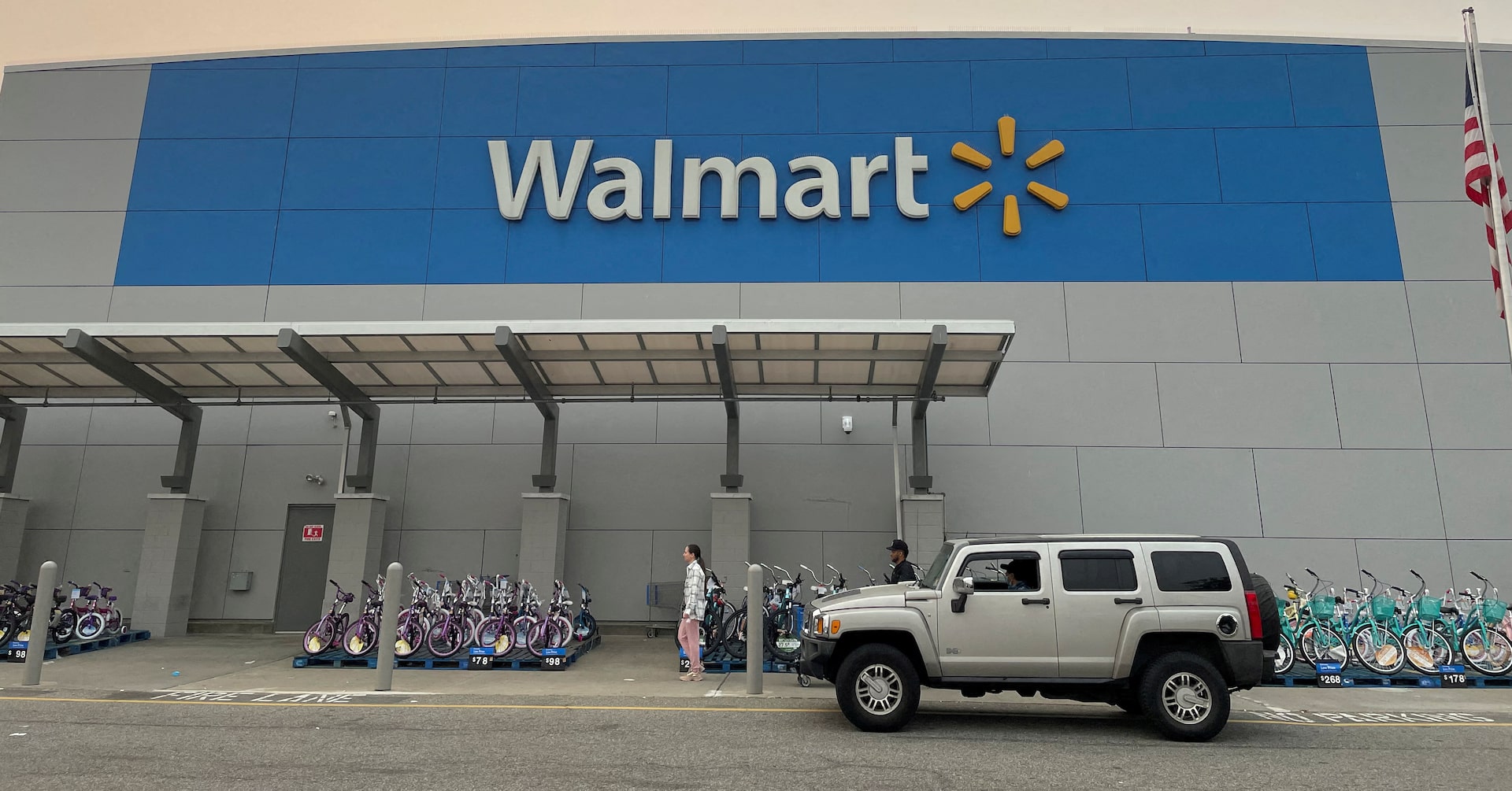
Walmart Inc. is a technology-powered omnichannel retailer. The Company is engaged in the operation of retail and wholesale stores and clubs, as well as eCommerce Websites and mobile applications, located throughout the United States (U.S.), Africa, Canada, Central America, Chile, China, India and Mexico. It operates in three reportable segments: Walmart U.S., Walmart International and Sam's Club U.S. The Walmart U.S. segment includes the Company's mass merchandising concept in the U.S., as well as eCommerce, which includes omni-channel initiatives and certain other business offerings such as advertising services. The Walmart International segment consists of the Company's operations outside of the U.S. through its subsidiaries, as well as eCommerce and omni-channel initiatives. The Sam's Club U.S. segment includes the warehouse membership clubs in the U.S., as well as samsclub.com and omni-channel initiatives.
About the author

Emily J. Thompson
Emily J. Thompson, a Chartered Financial Analyst (CFA) with 12 years in investment research, graduated with honors from the Wharton School. Specializing in industrial and technology stocks, she provides in-depth analysis for Intellectia’s earnings and market brief reports.
Asda Supermarket Reports Continued Sales Decline

- Sales Decline Eases: Asda reported a 0.8% year-on-year decline in like-for-like sales for Q1, or a 1.3% drop adjusted for Easter timing, which is an improvement from the 4.2% decline in Q4 2025, indicating a slowing pace of sales decline despite ongoing market share pressures.
- Total Revenue Decline: The supermarket's total revenue for the first quarter was £5.0 billion ($6.7 billion), down 1.5% year-on-year, reflecting the challenges in achieving revenue growth amid fierce competition, which impacts profitability and market positioning.
- Tech Partnership for Online Revamp: Asda has partnered with technology firm Ocado to overhaul its online business, aiming to counter market share losses to Tesco, Sainsbury's, and discount retailers, demonstrating the company's strategic commitment to digital transformation.
- Debt Burden Affects Operations: Analysts highlight that the debt incurred during the £6.8 billion acquisition in 2021 has pressured Asda's operations, although the company claims all debt maturities are managed through 2028, raising concerns about its financial health.
See More

Micron Technology Surpasses $1 Trillion Market Cap


- Milestone Market Cap: Micron Technology's market capitalization has doubled over the past 48 days to approximately $1.04 trillion, making it one of only 14 companies globally valued at over $1 trillion, reflecting strong performance and market confidence in the semiconductor sector.
- Analyst Target Upgrades: Bank of America nearly doubled its price target for Micron from $500 to $950, while UBS raised its target from $535 to $1,625, indicating strong market confidence in Micron's growth potential, which could drive further stock price increases.
- Strategic Customer Agreement: Micron signed its first long-term supply agreement with a strategic customer for five years, which helps it stand out from the traditional boom-bust cycles of the semiconductor industry, enhancing its market stability and long-term revenue outlook.
- Surge in AI Infrastructure Demand: DRAM and NAND prices are projected to soar by 125% and 234%, respectively, driven by the construction of AI data centers, prompting Micron to undertake a $200 billion expansion plan with multiple high-volume fabs in Idaho and New York to meet the surging market demand.
See More

Wall Street Seeks Broader Market Leadership Amid Stellar Earnings

- Market Fragility Concerns: Despite stellar earnings driving stock indexes to all-time highs, Wall Street is worried about narrow leadership, as Matt Stucky, Chief Portfolio Manager at Northwestern Mutual Wealth Management, noted that such concentration could exacerbate market fragility and impact investor confidence.
- Semiconductor Sector Drive: Micron Technology (MU) crossed the $1 trillion market cap for the first time, becoming the 11th largest public company in the U.S., with its sharp rally contributing 18 points to the S&P 500, highlighting the strong performance of semiconductor and memory-related stocks in propelling the market.
- AI Supercycle: With accelerating demand for AI servers, Dell (DELL) saw its stock soar over 50% last week, while Hewlett Packard (HPE) jumped 12%, indicating that AI-related stocks are leading a new wave of investment interest and attracting more investor attention.
- Future Market Outlook: UBS strategists expect the S&P 500 to rise further in the medium term, targeting 7,900 points, emphasizing that market leadership will broaden beyond megacaps, and recommending diversification into global healthcare, industrials, and infrastructure to navigate market volatility.
See More

SpaceX IPO Approaches as Retail Sector Recovers

- SpaceX S-1 Filing Released: The S-1 filing from SpaceX reveals a total addressable market of $28.5 trillion, with 80% focused on enterprise AI, indicating a strategic pivot towards AI that is likely to attract investor interest and facilitate a successful IPO.
- Accelerated AI Investment: In the first quarter, SpaceX allocated 76% of its capital expenditures, amounting to $7.7 billion, towards AI, highlighting its prioritization of AI technology over rocket launches, which may reshape market perceptions of its business model.
- Starlink User Growth: Starlink's subscriber base more than doubled to 10.3 million over the past year, and despite a drop in average revenue per user to $66, it generated $4.4 billion in operational income over the past year, showcasing its potential as a profitable business.
- Retail Sector Recovery Signs: Target and Walmart reported same-store sales increases of 4.7% and 4.1%, respectively, with significant rises in store traffic, indicating a rebound in consumer confidence that may signal positive economic recovery trends.
See More

Walmart's Dividend Growth Amid Stock Price Decline

- Stable Dividend Growth: Walmart has increased its dividend for 53 consecutive years, demonstrating its reliability as a Dividend King, and while the dividend yield is only 0.8%, the consistent returns attract long-term investors.
- Stock Price Volatility: Despite meeting expectations for Q1 FY2027, Walmart's stock price dropped over 9% from May 20 to 26 due to a cautious outlook, reflecting market concerns over rising fuel costs impacting operations and consumer spending.
- Technology-Driven Growth: The introduction of the Walmart+ subscription plan has proven successful, with members spending four times more than non-members, and the quarterly revenue from membership fees increased by double digits, showcasing effective service transformation.
- Advertising Revenue Surge: Advertising revenue grew by 36% this quarter, becoming a significant part of Walmart's income, and combined with online sales and subscription services, it creates a sustainable revenue growth model that enhances the company's future profitability.
See More

Walmart's Dividend Opportunities Amid Stock Price Fluctuations
- Reliability of Dividend Kings: Walmart, recognized as a Dividend King, has increased its dividend for 53 consecutive years, providing a 150% return to shareholders over the past five years, showcasing its potential for stable dividends and stock price appreciation, despite a recent stock price drop of over 9% due to cautious outlook.
- Earnings Performance and Market Reaction: Walmart's fiscal 2027 Q1 results largely met expectations, but the stock price fell due to below-expectation guidance for the upcoming quarter, with investors concerned about rising fuel costs impacting distribution and consumer spending.
- Technology-Driven Growth: Walmart enhances its competitiveness through technological innovations, with the Walmart+ membership program leading to members spending four times more than non-members, and a double-digit increase in membership fee revenue this quarter, indicating strong growth potential in subscription and advertising revenue.
- Optimistic Management Outlook: Despite challenges from rising fuel costs, Walmart's management expresses optimism about future business potential, with CFO John Rainey stating that the excitement about the business is at its highest in years, reflecting confidence in sustained growth and dividend payouts.
See More
Asda Supermarket Reports Continued Sales Decline
- Sales Decline Eases: Asda reported a 0.8% year-on-year decline in like-for-like sales for Q1, or a 1.3% drop adjusted for Easter timing, which is an improvement from the 4.2% decline in Q4 2025, indicating a slowing pace of sales decline despite ongoing market share pressures.
- Total Revenue Decline: The supermarket's total revenue for the first quarter was £5.0 billion ($6.7 billion), down 1.5% year-on-year, reflecting the challenges in achieving revenue growth amid fierce competition, which impacts profitability and market positioning.
- Tech Partnership for Online Revamp: Asda has partnered with technology firm Ocado to overhaul its online business, aiming to counter market share losses to Tesco, Sainsbury's, and discount retailers, demonstrating the company's strategic commitment to digital transformation.
- Debt Burden Affects Operations: Analysts highlight that the debt incurred during the £6.8 billion acquisition in 2021 has pressured Asda's operations, although the company claims all debt maturities are managed through 2028, raising concerns about its financial health.
See More
Micron Technology Surpasses $1 Trillion Market Cap
- Milestone Market Cap: Micron Technology's market capitalization has doubled over the past 48 days to approximately $1.04 trillion, making it one of only 14 companies globally valued at over $1 trillion, reflecting strong performance and market confidence in the semiconductor sector.
- Analyst Target Upgrades: Bank of America nearly doubled its price target for Micron from $500 to $950, while UBS raised its target from $535 to $1,625, indicating strong market confidence in Micron's growth potential, which could drive further stock price increases.
- Strategic Customer Agreement: Micron signed its first long-term supply agreement with a strategic customer for five years, which helps it stand out from the traditional boom-bust cycles of the semiconductor industry, enhancing its market stability and long-term revenue outlook.
- Surge in AI Infrastructure Demand: DRAM and NAND prices are projected to soar by 125% and 234%, respectively, driven by the construction of AI data centers, prompting Micron to undertake a $200 billion expansion plan with multiple high-volume fabs in Idaho and New York to meet the surging market demand.
See More
Wall Street Seeks Broader Market Leadership Amid Stellar Earnings
- Market Fragility Concerns: Despite stellar earnings driving stock indexes to all-time highs, Wall Street is worried about narrow leadership, as Matt Stucky, Chief Portfolio Manager at Northwestern Mutual Wealth Management, noted that such concentration could exacerbate market fragility and impact investor confidence.
- Semiconductor Sector Drive: Micron Technology (MU) crossed the $1 trillion market cap for the first time, becoming the 11th largest public company in the U.S., with its sharp rally contributing 18 points to the S&P 500, highlighting the strong performance of semiconductor and memory-related stocks in propelling the market.
- AI Supercycle: With accelerating demand for AI servers, Dell (DELL) saw its stock soar over 50% last week, while Hewlett Packard (HPE) jumped 12%, indicating that AI-related stocks are leading a new wave of investment interest and attracting more investor attention.
- Future Market Outlook: UBS strategists expect the S&P 500 to rise further in the medium term, targeting 7,900 points, emphasizing that market leadership will broaden beyond megacaps, and recommending diversification into global healthcare, industrials, and infrastructure to navigate market volatility.
See More
SpaceX IPO Approaches as Retail Sector Recovers
- SpaceX S-1 Filing Released: The S-1 filing from SpaceX reveals a total addressable market of $28.5 trillion, with 80% focused on enterprise AI, indicating a strategic pivot towards AI that is likely to attract investor interest and facilitate a successful IPO.
- Accelerated AI Investment: In the first quarter, SpaceX allocated 76% of its capital expenditures, amounting to $7.7 billion, towards AI, highlighting its prioritization of AI technology over rocket launches, which may reshape market perceptions of its business model.
- Starlink User Growth: Starlink's subscriber base more than doubled to 10.3 million over the past year, and despite a drop in average revenue per user to $66, it generated $4.4 billion in operational income over the past year, showcasing its potential as a profitable business.
- Retail Sector Recovery Signs: Target and Walmart reported same-store sales increases of 4.7% and 4.1%, respectively, with significant rises in store traffic, indicating a rebound in consumer confidence that may signal positive economic recovery trends.
See More
Walmart's Dividend Growth Amid Stock Price Decline
- Stable Dividend Growth: Walmart has increased its dividend for 53 consecutive years, demonstrating its reliability as a Dividend King, and while the dividend yield is only 0.8%, the consistent returns attract long-term investors.
- Stock Price Volatility: Despite meeting expectations for Q1 FY2027, Walmart's stock price dropped over 9% from May 20 to 26 due to a cautious outlook, reflecting market concerns over rising fuel costs impacting operations and consumer spending.
- Technology-Driven Growth: The introduction of the Walmart+ subscription plan has proven successful, with members spending four times more than non-members, and the quarterly revenue from membership fees increased by double digits, showcasing effective service transformation.
- Advertising Revenue Surge: Advertising revenue grew by 36% this quarter, becoming a significant part of Walmart's income, and combined with online sales and subscription services, it creates a sustainable revenue growth model that enhances the company's future profitability.
See More
Walmart's Dividend Opportunities Amid Stock Price Fluctuations
- Reliability of Dividend Kings: Walmart, recognized as a Dividend King, has increased its dividend for 53 consecutive years, providing a 150% return to shareholders over the past five years, showcasing its potential for stable dividends and stock price appreciation, despite a recent stock price drop of over 9% due to cautious outlook.
- Earnings Performance and Market Reaction: Walmart's fiscal 2027 Q1 results largely met expectations, but the stock price fell due to below-expectation guidance for the upcoming quarter, with investors concerned about rising fuel costs impacting distribution and consumer spending.
- Technology-Driven Growth: Walmart enhances its competitiveness through technological innovations, with the Walmart+ membership program leading to members spending four times more than non-members, and a double-digit increase in membership fee revenue this quarter, indicating strong growth potential in subscription and advertising revenue.
- Optimistic Management Outlook: Despite challenges from rising fuel costs, Walmart's management expresses optimism about future business potential, with CFO John Rainey stating that the excitement about the business is at its highest in years, reflecting confidence in sustained growth and dividend payouts.
See More