The New War Investment Strategy: 3 Stocks Designed for a High-Tech Conflict


Global Landscape and Defense Spending: The global landscape is facing increased geopolitical instability, prompting a significant shift in defense spending towards advanced technologies that provide decisive intelligence and operational advantages.
Emerging Defense Doctrine: A new defense doctrine is emerging that prioritizes information superiority, precision, and autonomous action over sheer mass, indicating a transformative approach to modern warfare.
Investment Trends: Companies like Palantir and AeroVironment are positioned as key players in the defense sector, benefiting from a growing demand for unmanned systems and advanced data analytics, which are crucial for modern military operations.
Market Outlook: The shift towards technology-driven defense strategies is expected to create compelling investment opportunities, with a focus on companies that can adapt to the evolving demands of national security and defense.
Trade with 70% Backtested Accuracy
Analyst Views on NOC

About NOC
About the author

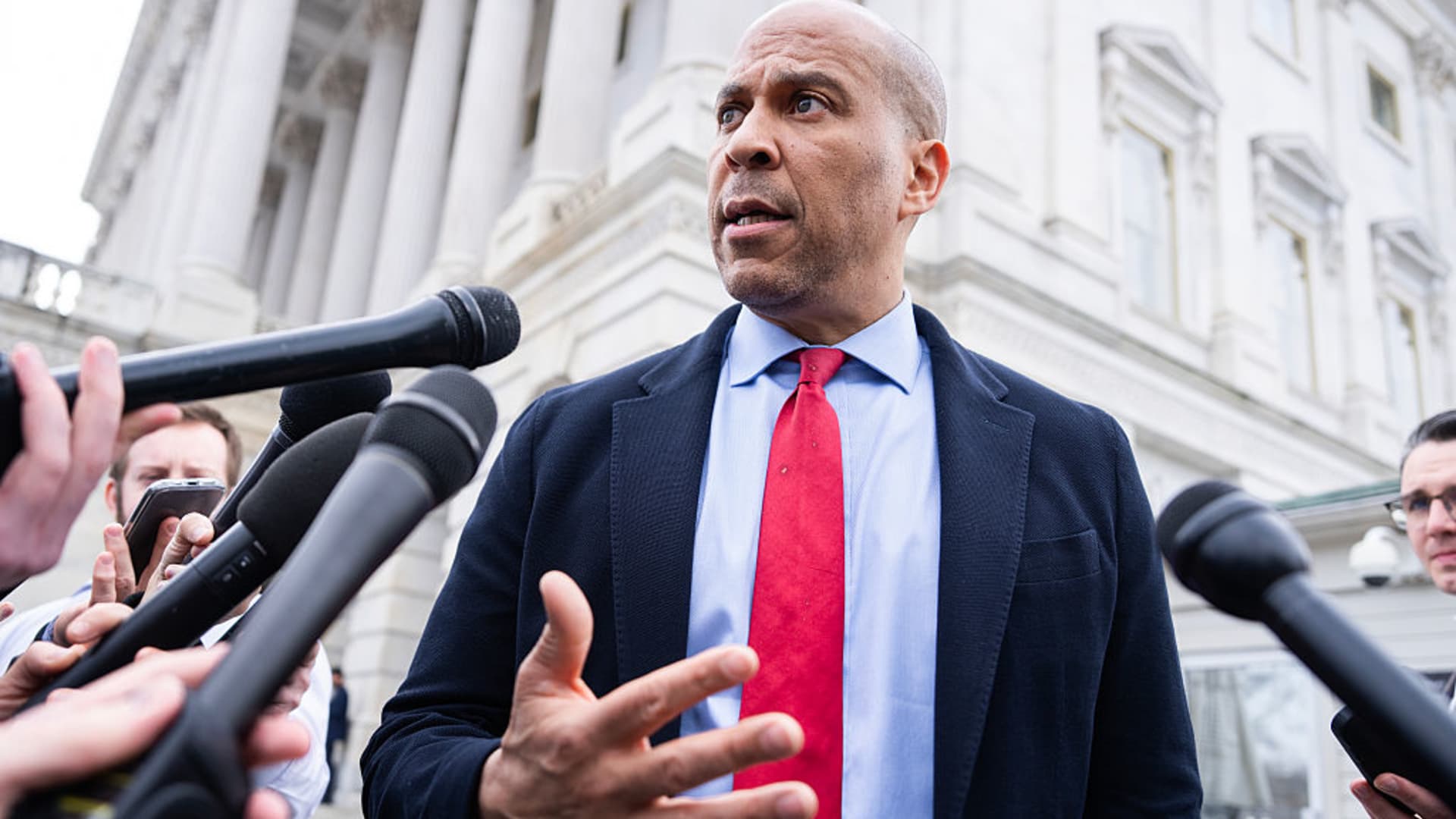
Democrats Push for Congressional Votes on Iran Military Actions


- Congressional Action Plan: Senate Democrats announced a strategy to potentially force a series of war powers votes, aiming to compel Secretary of Defense and Secretary of State to testify about U.S. military actions in Iran, reflecting a strong intent to oversee the Trump administration.
- Military Action Scrutiny: Senators argue that the Trump administration has failed to provide sufficient justification for ongoing military actions, asserting that congressional approval is necessary to continue the war, thereby emphasizing Congress's critical role in military decisions to check executive power.
- Vote Outcome Review: Last week, the Senate blocked a war powers resolution proposed by Kaine and Paul with a vote of 47-53, highlighting divisions within Congress regarding military actions and exacerbating tensions between Democrats and Republicans.
- Urgent Action Call: Democratic senators are urging for immediate hearings with the Secretary of Defense and Secretary of State, indicating their unwillingness to allow Congress to remain silent, thus underscoring the importance of legislative oversight in military decision-making.

U.S. Stocks Close Higher Amid Oil Price Volatility


- Oil Price Impact: Oil prices spiked above $100 per barrel on Monday, causing early declines in stocks, but the market rebounded quickly after President Trump indicated the war might be nearing its end, with the S&P 500 closing up 0.71%, reflecting investor optimism about future developments.
- Economic Concerns: Despite the stock market recovery, last Friday's economic data raised concerns, with U.S. February payrolls falling by 92,000 and January retail sales declining by 0.2% month-over-month, potentially undermining confidence in economic recovery.
- Strong Earnings Performance: Over 95% of S&P 500 companies have reported earnings, with 74% exceeding expectations, and Q4 earnings growth is projected at 8.4%, providing support for the stock market and demonstrating corporate resilience amid economic uncertainties.
- Airline Stocks Rally: Following Trump's comments suggesting the Iran war might end soon, airline stocks such as United Airlines, Delta Air Lines, and American Airlines rose over 2%, indicating market expectations for a recovery in the airline industry.
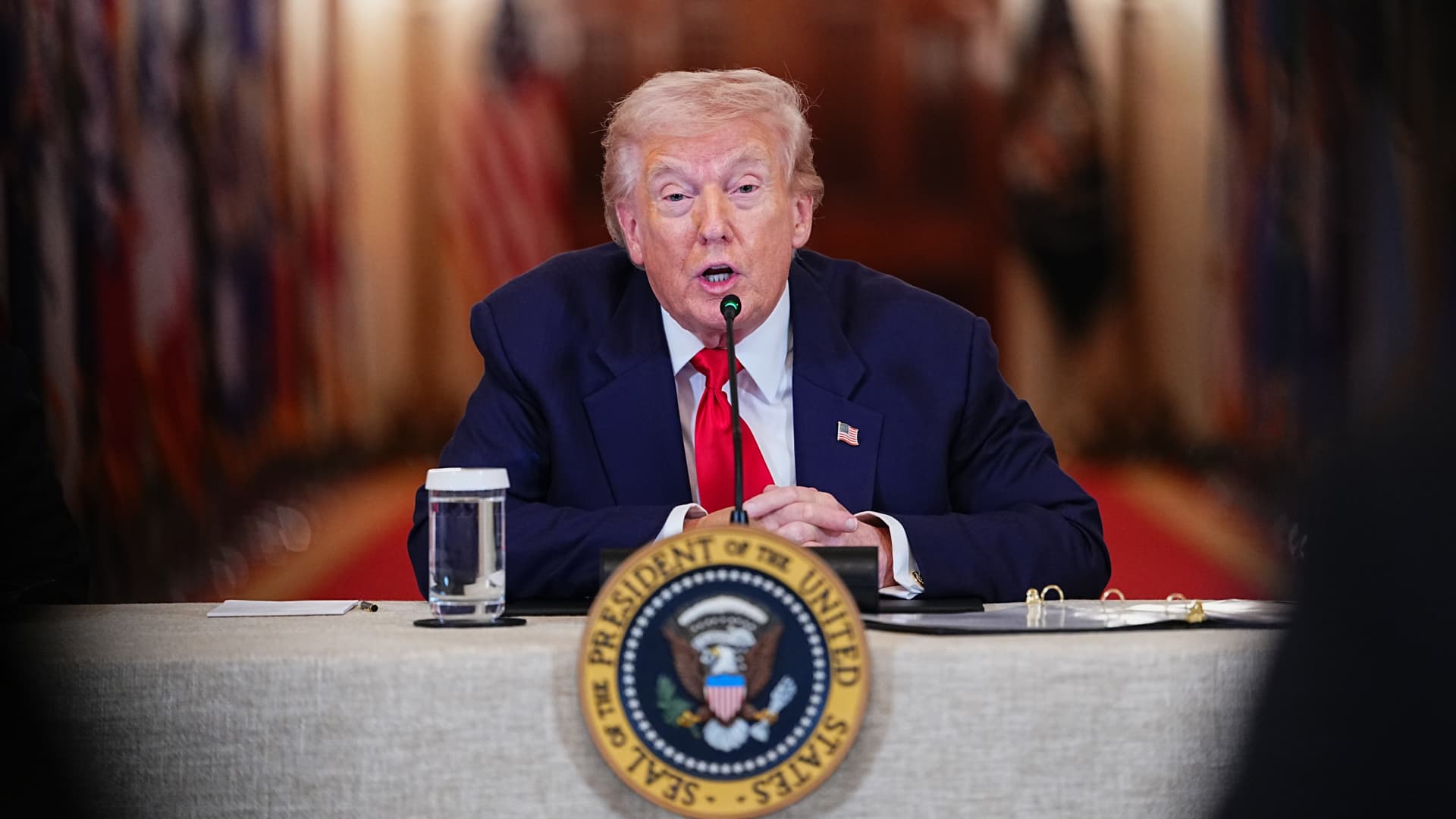
Trump Claims Iran War Could End Soon
- Optimistic War Progress: Trump stated that the Iran war is 'pretty much complete' and that the U.S. is 'very far' ahead of his initial estimate of four to five weeks for its conclusion, indicating a positive outlook that could influence market sentiment.
- Positive Market Reaction: Following Trump's remarks, U.S. stock indices rose, reflecting investor expectations of an imminent end to the conflict, which may drive a recovery in related sectors.
- Oil Price Volatility: Trump described the surge in oil prices as a 'small price to pay' for defeating Iran, which could lead to a reassessment of energy stocks, especially as global oil prices exceed $110.
- Tense International Relations: Trump's call with Putin regarding the war highlights the complexities of international politics, potentially having far-reaching implications for future diplomatic relations and economic policies.

Anthropic Faces Pentagon Ban Amid Controversy


- Pentagon Ban: The Department of Defense has designated Anthropic as a supply chain risk, prohibiting its technology from use in sensitive military environments, jeopardizing hundreds of millions in contracts and straining its relationship with the Pentagon.
- Legal Challenge: Anthropic has filed a lawsuit against the Trump administration, claiming the ban is 'unprecedented and unlawful' and asserting that it causes irreparable harm to the company, potentially threatening its future business prospects.
- Technological Dependence: Despite the shocking decision, many officials view Anthropic's AI models as superior for military applications, particularly in their integration with existing contractors like Palantir, highlighting a significant reliance on this technology.
- Market Pressure: Since its founding in 2021, Anthropic has raised billions, achieving a valuation of $380 billion, but faces intense competition from rivals like OpenAI, forcing it to accelerate commercialization efforts to maintain its market position.

Defense Giants Benefit from Iran War and Oil Shock

- Positive Market Reaction: As the Iran war and global oil price surge unfold, investors are flocking to major U.S. defense companies as hedges against escalating conflict and inflation risk, driving LMT stock higher and reflecting market confidence in the defense sector.
- Oil Price Volatility Impact: Crude prices surged past $110 per barrel before pulling back, but the fighting and disruption around the Strait of Hormuz led to the largest weekly gain in U.S. oil futures on record, exacerbating inflation fears.
- Defense Budget Expectations: With expectations of increased weapons usage and larger Pentagon budgets, defense contractors' stocks have performed exceptionally well, particularly the F-35 jet manufacturer, which boasts a record backlog near $200 billion, strengthening its earnings foundation.
- Policy Support Outlook: President Trump met with defense executives last week and floated a substantial supplemental request to boost munitions production, signaling Washington's expectation of a prolonged draw on stockpiles if the Iran war continues, further propelling growth potential in the defense industry.
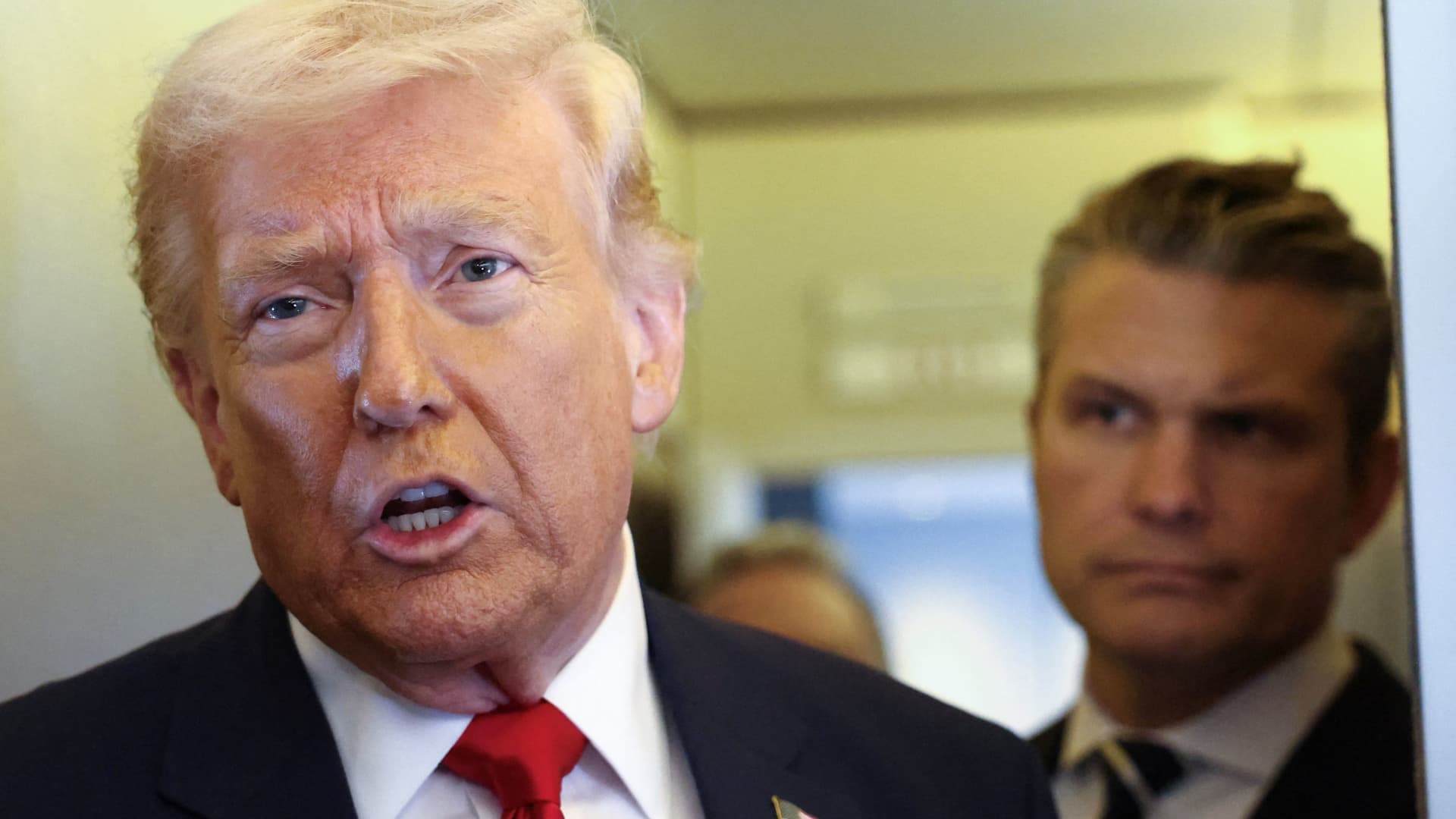
Anthropic Sues Trump Administration Over Blacklisting as National Security Threat
- Lawsuit Initiated: Anthropic filed a lawsuit on Monday in the Northern District of California against the Trump administration, claiming that being blacklisted and labeled a national security threat is 'unprecedented and unlawful,' causing irreparable harm to the company.
- Contract Risks Escalate: The complaint states that Anthropic's contracts with the federal government are already being canceled, and future contracts with private parties are also in jeopardy, potentially jeopardizing hundreds of millions of dollars in the near term, severely impacting the company's financial health.
- Reputation Damage: The lawsuit emphasizes that Anthropic's reputation and core First Amendment freedoms are under attack, and without judicial relief, these harms will only compound in the coming weeks and months, potentially affecting the company's market position.
- Defense Department Restrictions: President Trump directed federal agencies last month to 'immediately cease' all use of Anthropic's technology, requiring defense contractors to certify they do not use the company's models, further limiting its business opportunities.
Democrats Push for Congressional Votes on Iran Military Actions
- Congressional Action Plan: Senate Democrats announced a strategy to potentially force a series of war powers votes, aiming to compel Secretary of Defense and Secretary of State to testify about U.S. military actions in Iran, reflecting a strong intent to oversee the Trump administration.
- Military Action Scrutiny: Senators argue that the Trump administration has failed to provide sufficient justification for ongoing military actions, asserting that congressional approval is necessary to continue the war, thereby emphasizing Congress's critical role in military decisions to check executive power.
- Vote Outcome Review: Last week, the Senate blocked a war powers resolution proposed by Kaine and Paul with a vote of 47-53, highlighting divisions within Congress regarding military actions and exacerbating tensions between Democrats and Republicans.
- Urgent Action Call: Democratic senators are urging for immediate hearings with the Secretary of Defense and Secretary of State, indicating their unwillingness to allow Congress to remain silent, thus underscoring the importance of legislative oversight in military decision-making.
U.S. Stocks Close Higher Amid Oil Price Volatility
- Oil Price Impact: Oil prices spiked above $100 per barrel on Monday, causing early declines in stocks, but the market rebounded quickly after President Trump indicated the war might be nearing its end, with the S&P 500 closing up 0.71%, reflecting investor optimism about future developments.
- Economic Concerns: Despite the stock market recovery, last Friday's economic data raised concerns, with U.S. February payrolls falling by 92,000 and January retail sales declining by 0.2% month-over-month, potentially undermining confidence in economic recovery.
- Strong Earnings Performance: Over 95% of S&P 500 companies have reported earnings, with 74% exceeding expectations, and Q4 earnings growth is projected at 8.4%, providing support for the stock market and demonstrating corporate resilience amid economic uncertainties.
- Airline Stocks Rally: Following Trump's comments suggesting the Iran war might end soon, airline stocks such as United Airlines, Delta Air Lines, and American Airlines rose over 2%, indicating market expectations for a recovery in the airline industry.
Trump Claims Iran War Could End Soon
- Optimistic War Progress: Trump stated that the Iran war is 'pretty much complete' and that the U.S. is 'very far' ahead of his initial estimate of four to five weeks for its conclusion, indicating a positive outlook that could influence market sentiment.
- Positive Market Reaction: Following Trump's remarks, U.S. stock indices rose, reflecting investor expectations of an imminent end to the conflict, which may drive a recovery in related sectors.
- Oil Price Volatility: Trump described the surge in oil prices as a 'small price to pay' for defeating Iran, which could lead to a reassessment of energy stocks, especially as global oil prices exceed $110.
- Tense International Relations: Trump's call with Putin regarding the war highlights the complexities of international politics, potentially having far-reaching implications for future diplomatic relations and economic policies.
Anthropic Faces Pentagon Ban Amid Controversy
- Pentagon Ban: The Department of Defense has designated Anthropic as a supply chain risk, prohibiting its technology from use in sensitive military environments, jeopardizing hundreds of millions in contracts and straining its relationship with the Pentagon.
- Legal Challenge: Anthropic has filed a lawsuit against the Trump administration, claiming the ban is 'unprecedented and unlawful' and asserting that it causes irreparable harm to the company, potentially threatening its future business prospects.
- Technological Dependence: Despite the shocking decision, many officials view Anthropic's AI models as superior for military applications, particularly in their integration with existing contractors like Palantir, highlighting a significant reliance on this technology.
- Market Pressure: Since its founding in 2021, Anthropic has raised billions, achieving a valuation of $380 billion, but faces intense competition from rivals like OpenAI, forcing it to accelerate commercialization efforts to maintain its market position.
Defense Giants Benefit from Iran War and Oil Shock
- Positive Market Reaction: As the Iran war and global oil price surge unfold, investors are flocking to major U.S. defense companies as hedges against escalating conflict and inflation risk, driving LMT stock higher and reflecting market confidence in the defense sector.
- Oil Price Volatility Impact: Crude prices surged past $110 per barrel before pulling back, but the fighting and disruption around the Strait of Hormuz led to the largest weekly gain in U.S. oil futures on record, exacerbating inflation fears.
- Defense Budget Expectations: With expectations of increased weapons usage and larger Pentagon budgets, defense contractors' stocks have performed exceptionally well, particularly the F-35 jet manufacturer, which boasts a record backlog near $200 billion, strengthening its earnings foundation.
- Policy Support Outlook: President Trump met with defense executives last week and floated a substantial supplemental request to boost munitions production, signaling Washington's expectation of a prolonged draw on stockpiles if the Iran war continues, further propelling growth potential in the defense industry.
Anthropic Sues Trump Administration Over Blacklisting as National Security Threat
- Lawsuit Initiated: Anthropic filed a lawsuit on Monday in the Northern District of California against the Trump administration, claiming that being blacklisted and labeled a national security threat is 'unprecedented and unlawful,' causing irreparable harm to the company.
- Contract Risks Escalate: The complaint states that Anthropic's contracts with the federal government are already being canceled, and future contracts with private parties are also in jeopardy, potentially jeopardizing hundreds of millions of dollars in the near term, severely impacting the company's financial health.
- Reputation Damage: The lawsuit emphasizes that Anthropic's reputation and core First Amendment freedoms are under attack, and without judicial relief, these harms will only compound in the coming weeks and months, potentially affecting the company's market position.
- Defense Department Restrictions: President Trump directed federal agencies last month to 'immediately cease' all use of Anthropic's technology, requiring defense contractors to certify they do not use the company's models, further limiting its business opportunities.