Taco Bell Parent Company Reports Strong Sales Growth
Written by Emily J. Thompson, Senior Investment Analyst
Updated: Feb 05 2026
0mins


Should l Buy RIVN?
Source: CNBC
- Software Stock Pressure: The WisdomTree Cloud Computing Fund has fallen nearly 20% this year amid rising concerns that AI could render business software obsolete, leading to diminished investor confidence and potentially impacting financing capabilities for related companies.
- Alphabet's Earnings Beat: Alphabet exceeded Wall Street's fourth-quarter expectations, with strong performance in its cloud business despite lower-than-expected YouTube ad revenues, and announced that its capital expenditures could more than double its 2025 total, indicating a significant strategic investment in AI infrastructure.
- Delayed Employment Data: The Bureau of Labor Statistics will release December's Job Openings and Labor Turnover Survey data, delayed due to a short government shutdown, raising market focus on the upcoming nonfarm payroll report, which could influence investor sentiment regarding economic outlook.
- Oil Prices Rise on Geopolitical Concerns: Oil prices rose over 1.5% in Asian trading due to fears of a U.S. military strike on Iran, with Trump's comments further driving prices up, although traders remain cautious ahead of upcoming negotiations between the U.S. and Iran, which could lead to price volatility.
Trade with 70% Backtested Accuracy
Stop guessing "Should I Buy RIVN?" and start using high-conviction signals backed by rigorous historical data.
Sign up today to access powerful investing tools and make smarter, data-driven decisions.
Analyst Views on RIVN
Wall Street analysts forecast RIVN stock price to rise
18 Analyst Rating
8 Buy
7 Hold
3 Sell
Moderate Buy
Current: 14.220

Low
10.00
Averages
17.78
High
25.00
Current: 14.220
Low
10.00
Averages
17.78
High
25.00
About RIVN
Rivian Automotive, Inc. is an automotive technology company, which is engaged in developing and manufacturing category-defining electric vehicles (EVs) as well as vertically integrated technologies and services. The Company's R1 platform consists of two vehicles: the R1T, a two-row five-passenger pickup truck, and the R1S, a three-row seven-passenger sport utility vehicle (SUV). In the commercial market, the Company offers a Rivian Commercial Vehicle (RCV) platform. The vehicle on this platform is the Electric Delivery Van (EDV), designed and engineered by Rivian in collaboration with Amazon. The Company also offers FleetOS, its proprietary, end-to-end centralized fleet management subscription platform. It also offers a variety of services, including vehicle repair and maintenance, financing, insurance, joint venture, software subscriptions, and vehicle accessories, among others. Its other services include vehicle electrical architecture and software development services, and more.
About the author

Emily J. Thompson
Emily J. Thompson, a Chartered Financial Analyst (CFA) with 12 years in investment research, graduated with honors from the Wharton School. Specializing in industrial and technology stocks, she provides in-depth analysis for Intellectia’s earnings and market brief reports.
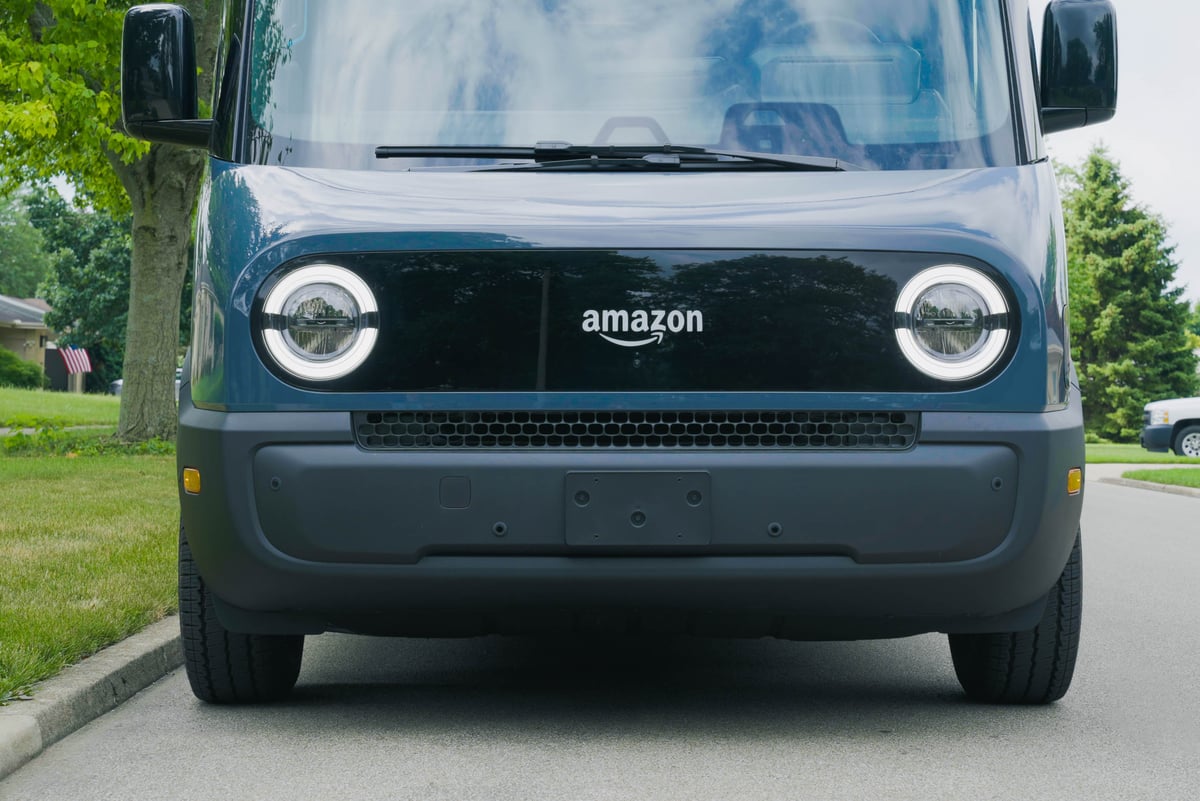
Rivian Reports Narrower Loss and Production Increase in Q1

- Production Capacity Increase: Rivian announced an increase in annual production capacity at its Georgia plant from 200,000 to 300,000 vehicles, a move that will significantly enhance its market competitiveness and meet the growing demand for electric vehicles.
- Delivery Volume Growth: The company delivered 10,365 vehicles in the first quarter, a 20% increase from 8,640 units in the same period last year, indicating a gradual penetration into the EV market and improved customer acceptance.
- Revenue Structure Shift: While overall revenue increased by 11% year-over-year, automotive segment revenue declined by 2%, primarily due to a $100 million decrease in sales of automotive regulatory credits, reflecting challenges in traditional vehicle sales.
- Strategic Partnership: Rivian's partnership with Uber is expected to launch tens of thousands of R2 robotaxis by the end of 2030, which will not only expand its market share but also drive the company's positioning in the shared mobility sector.
See More

Redwood Materials Appoints Former Tesla CFO Deepak Ahuja

- Executive Change: Redwood Materials has appointed former Tesla CFO Deepak Ahuja as its new CFO, who successfully guided Tesla through its IPO in 2010, showcasing his deep background and leadership in the electric vehicle sector.
- Funding Strength: Redwood Materials has raised over $2.3 billion in venture funding and secured a $2 billion loan commitment from the Department of Energy, indicating strong financial backing and market confidence in its battery recycling initiatives.
- Market Demand: Ahuja emphasized the growing demand for electric vehicles and battery storage systems in the U.S., as Redwood Materials expands its influence in the energy storage market through partnerships with companies like Ford and Rivian.
- Strategic Restructuring: Following a recent restructuring that cut about 10% of its workforce, Redwood Materials aims to refocus resources on its energy division, with Ahuja's addition expected to enhance the company's profitability and competitive edge.
See More
Redwood Materials Appoints Former Tesla CFO as Finance Chief

- Executive Change: Redwood Materials has appointed former Tesla CFO Deepak Ahuja as its new finance chief, leveraging Ahuja's extensive experience in financing and business management at Tesla to drive further growth in the battery recycling sector.
- Funding Background: Since its founding in 2017, Redwood Materials has raised over $2.3 billion in venture capital and secured a $2 billion loan commitment from the Department of Energy, providing robust financial support for its expansion in battery recycling and energy storage systems.
- Market Demand: Ahuja highlighted the rapid growth in demand for battery storage systems driven by the rise of electric vehicles and renewable energy, with Redwood Materials'
See More

Rivian Automotive Stock Plummets 28% Amid EV Market Uncertainty

- Stock Performance Decline: Rivian's stock has dropped approximately 28% since the beginning of 2026, currently priced at $15, a stark contrast to its peak of $172 in late 2021, reflecting market concerns over the EV industry's uncertainty and the company's significant losses.
- Revenue Growth Challenges: Despite a year-over-year revenue increase of 11.4% to $1.38 billion in Q1, a slight decline in automotive sales indicates challenges in the core business, compounded by an unsustainable cash burn rate and a 35% increase in operating losses to $881 million.
- New Vehicle Launch Plans: Rivian is set to release the R2 midsize SUV priced at $58,000, with production and early deliveries underway, which is expected to attract a broader consumer base and enhance sales and profitability.
- Strategic Partnership Opportunities: The collaboration with Uber is projected to bring a $1.25 billion investment and a purchase agreement for up to 50,000 R2 units, which will help boost production scale and reduce per-unit production costs, enhancing the company's competitive position in the market.
See More

Rivian Faces Challenges but Sees Potential Turnaround
- Stock Decline: Rivian's stock has dropped approximately 28% since the beginning of 2026, primarily due to significant losses and uncertainty in the EV sector following the Trump administration's withdrawal of government support, which has undermined investor confidence.
- Lackluster Revenue Growth: Despite a year-over-year revenue increase of 11.4% to $1.38 billion in Q1, a slight decline in automotive sales indicates ongoing challenges in Rivian's core business, with growth in software and services unable to compensate for manufacturing shortfalls.
- New Vehicle Launch: Rivian is set to release the R2 midsize SUV with a starting price of $58,000, aiming to attract a broader consumer base, as management hopes to leverage economies of scale to reduce production costs and achieve profitability.
- Partnership with Uber: The deal with Uber involves an expected investment of $1.25 billion and a purchase agreement for up to 50,000 R2 vehicles, which could enhance production volumes and support future growth, although cash burn remains alarmingly high.
See More

Investment Opportunities: Top Tech Stocks to Buy

- Tech Stock Investment Potential: With an investment of $1,000, it is recommended to buy shares of Alphabet, Nvidia, and Apple, as they are expected to continue outperforming the market over the next decade, particularly in the booming AI and cloud computing sectors.
- Alphabet's Leading Position: Alphabet (GOOGL) has a market cap of $4.9 trillion and is driving revenue growth through innovations in AI and cloud computing, with Google Cloud being the fastest-growing among the top three cloud service providers, enhancing the company's profitability.
- Nvidia's Competitive Edge: Nvidia (NVDA), valued at $5.2 trillion, remains the gold standard for AI model training with its GPUs, and its rapid product development cycle and widely used CUDA software platform ensure its dominant market position.
- Apple's Ecosystem Strength: Apple (AAPL), with a market cap of $4.2 trillion, may not grow as fast as the other two, but its robust ecosystem and the potential in the upcoming AI smart glasses market indicate promising growth opportunities ahead.
See More
Rivian Reports Narrower Loss and Production Increase in Q1
- Production Capacity Increase: Rivian announced an increase in annual production capacity at its Georgia plant from 200,000 to 300,000 vehicles, a move that will significantly enhance its market competitiveness and meet the growing demand for electric vehicles.
- Delivery Volume Growth: The company delivered 10,365 vehicles in the first quarter, a 20% increase from 8,640 units in the same period last year, indicating a gradual penetration into the EV market and improved customer acceptance.
- Revenue Structure Shift: While overall revenue increased by 11% year-over-year, automotive segment revenue declined by 2%, primarily due to a $100 million decrease in sales of automotive regulatory credits, reflecting challenges in traditional vehicle sales.
- Strategic Partnership: Rivian's partnership with Uber is expected to launch tens of thousands of R2 robotaxis by the end of 2030, which will not only expand its market share but also drive the company's positioning in the shared mobility sector.
See More
Redwood Materials Appoints Former Tesla CFO Deepak Ahuja
- Executive Change: Redwood Materials has appointed former Tesla CFO Deepak Ahuja as its new CFO, who successfully guided Tesla through its IPO in 2010, showcasing his deep background and leadership in the electric vehicle sector.
- Funding Strength: Redwood Materials has raised over $2.3 billion in venture funding and secured a $2 billion loan commitment from the Department of Energy, indicating strong financial backing and market confidence in its battery recycling initiatives.
- Market Demand: Ahuja emphasized the growing demand for electric vehicles and battery storage systems in the U.S., as Redwood Materials expands its influence in the energy storage market through partnerships with companies like Ford and Rivian.
- Strategic Restructuring: Following a recent restructuring that cut about 10% of its workforce, Redwood Materials aims to refocus resources on its energy division, with Ahuja's addition expected to enhance the company's profitability and competitive edge.
See More
Redwood Materials Appoints Former Tesla CFO as Finance Chief
- Executive Change: Redwood Materials has appointed former Tesla CFO Deepak Ahuja as its new finance chief, leveraging Ahuja's extensive experience in financing and business management at Tesla to drive further growth in the battery recycling sector.
- Funding Background: Since its founding in 2017, Redwood Materials has raised over $2.3 billion in venture capital and secured a $2 billion loan commitment from the Department of Energy, providing robust financial support for its expansion in battery recycling and energy storage systems.
- Market Demand: Ahuja highlighted the rapid growth in demand for battery storage systems driven by the rise of electric vehicles and renewable energy, with Redwood Materials'
See More
Rivian Automotive Stock Plummets 28% Amid EV Market Uncertainty
- Stock Performance Decline: Rivian's stock has dropped approximately 28% since the beginning of 2026, currently priced at $15, a stark contrast to its peak of $172 in late 2021, reflecting market concerns over the EV industry's uncertainty and the company's significant losses.
- Revenue Growth Challenges: Despite a year-over-year revenue increase of 11.4% to $1.38 billion in Q1, a slight decline in automotive sales indicates challenges in the core business, compounded by an unsustainable cash burn rate and a 35% increase in operating losses to $881 million.
- New Vehicle Launch Plans: Rivian is set to release the R2 midsize SUV priced at $58,000, with production and early deliveries underway, which is expected to attract a broader consumer base and enhance sales and profitability.
- Strategic Partnership Opportunities: The collaboration with Uber is projected to bring a $1.25 billion investment and a purchase agreement for up to 50,000 R2 units, which will help boost production scale and reduce per-unit production costs, enhancing the company's competitive position in the market.
See More
Rivian Faces Challenges but Sees Potential Turnaround
- Stock Decline: Rivian's stock has dropped approximately 28% since the beginning of 2026, primarily due to significant losses and uncertainty in the EV sector following the Trump administration's withdrawal of government support, which has undermined investor confidence.
- Lackluster Revenue Growth: Despite a year-over-year revenue increase of 11.4% to $1.38 billion in Q1, a slight decline in automotive sales indicates ongoing challenges in Rivian's core business, with growth in software and services unable to compensate for manufacturing shortfalls.
- New Vehicle Launch: Rivian is set to release the R2 midsize SUV with a starting price of $58,000, aiming to attract a broader consumer base, as management hopes to leverage economies of scale to reduce production costs and achieve profitability.
- Partnership with Uber: The deal with Uber involves an expected investment of $1.25 billion and a purchase agreement for up to 50,000 R2 vehicles, which could enhance production volumes and support future growth, although cash burn remains alarmingly high.
See More
Investment Opportunities: Top Tech Stocks to Buy
- Tech Stock Investment Potential: With an investment of $1,000, it is recommended to buy shares of Alphabet, Nvidia, and Apple, as they are expected to continue outperforming the market over the next decade, particularly in the booming AI and cloud computing sectors.
- Alphabet's Leading Position: Alphabet (GOOGL) has a market cap of $4.9 trillion and is driving revenue growth through innovations in AI and cloud computing, with Google Cloud being the fastest-growing among the top three cloud service providers, enhancing the company's profitability.
- Nvidia's Competitive Edge: Nvidia (NVDA), valued at $5.2 trillion, remains the gold standard for AI model training with its GPUs, and its rapid product development cycle and widely used CUDA software platform ensure its dominant market position.
- Apple's Ecosystem Strength: Apple (AAPL), with a market cap of $4.2 trillion, may not grow as fast as the other two, but its robust ecosystem and the potential in the upcoming AI smart glasses market indicate promising growth opportunities ahead.
See More