Surge in Options Trading Volume for NVIDIA and Viasat
Written by Emily J. Thompson, Senior Investment Analyst
Updated: Apr 29 2026
0mins


Should l Buy AAPL?
Source: NASDAQ.COM
- NVIDIA Options Volume: NVIDIA's options trading volume reached 2.4 million contracts, representing approximately 237.4 million shares, exceeding 158% of its average daily trading volume over the past month, indicating strong market interest in its future performance.
- High-Frequency Contracts: Notably, the $212.50 strike call option expiring on April 29, 2026, saw 211,249 contracts traded today, equating to about 21.1 million shares, reflecting investor expectations for a price increase in NVIDIA.
- Viasat Options Activity: Viasat's options trading volume stood at 23,077 contracts, representing approximately 2.3 million shares, or about 149% of its average daily trading volume over the past month, showcasing active market interest in its stock.
- Put Option Trading: The $40 strike put option expiring on September 18, 2026, recorded a trading volume of 7,601 contracts, approximately 760,100 shares, indicating investor concerns regarding potential price declines for Viasat.
Trade with 70% Backtested Accuracy
Stop guessing "Should I Buy AAPL?" and start using high-conviction signals backed by rigorous historical data.
Sign up today to access powerful investing tools and make smarter, data-driven decisions.
Analyst Views on AAPL
Wall Street analysts forecast AAPL stock price to rise
27 Analyst Rating
17 Buy
9 Hold
1 Sell
Moderate Buy
Current: 287.440

Low
239.00
Averages
306.89
High
350.00
Current: 287.440
Low
239.00
Averages
306.89
High
350.00
About AAPL
Apple Inc. designs, manufactures and markets smartphones, personal computers, tablets, wearables and accessories, and sells a variety of related services. Its product categories include iPhone, Mac, iPad, Wearables, Home and Accessories. Its services include advertising, AppleCare, cloud services, digital content, and payment services. The Company operates various platforms, including the App Store, that allow customers to discover and download applications and digital content, such as books, music, video, games and podcasts. It also offers digital content through subscription-based services, including Apple Arcade, Apple Fitness+, Apple Music, Apple News+, and Apple TV+. Its wearables include smartwatches, wireless headphones, and spatial computers. Its products include iPhone 16 Pro, iPhone 16, iPhone 15, iPhone 14, iPhone SE, MacBook Air, MacBook Pro, iMac, Mac mini, Mac Studio, Mac Pro, iPad Pro, iPad Air, AirPods, AirPods Pro, AirPods Max, Apple TV, Apple Vision Pro and others.
About the author

Emily J. Thompson
Emily J. Thompson, a Chartered Financial Analyst (CFA) with 12 years in investment research, graduated with honors from the Wharton School. Specializing in industrial and technology stocks, she provides in-depth analysis for Intellectia’s earnings and market brief reports.

Apple's iPhone Sales Surge Over 20% Amid Strategic AI Outsourcing

- iPhone Sales Growth: Apple reported over a 22% increase in iPhone sales for its latest fiscal quarter, indicating a resurgence in market vitality after years of stagnation, reflecting strong demand for its core product.
- Service Revenue Boost: The services segment saw a 17% year-over-year revenue increase, complementing the robust performance of iPhone sales and collectively driving Apple's total revenue to $111 billion in Q2 of fiscal 2026, showcasing the company's success in diversifying its revenue streams.
- AI Outsourcing Strategy: Apple's decision to outsource most of its AI work rather than investing hundreds of billions directly may impact its competitiveness in the AI space, although this approach aligns with Apple's historically cautious strategy.
- Valuation Challenges: Despite a 6% rise in stock price over the past year, Apple's price-to-earnings ratio remains high at 35 times, reflecting market caution regarding its future growth and suggesting that investors may need to consider other more attractive opportunities.
See More

Apple's Sales Surge and AI Relaunch Plans
- Significant Sales Growth: Apple reported a 17% year-over-year sales increase in Q2 2026, driven by a remarkable 22% rise in iPhone sales, indicating strong consumer preference and robust market demand for its products.
- AI Relaunch Plans: The company is set to relaunch an enhanced Siri in the coming months, although management did not specify the exact timing; this initiative aims to improve user experience and strengthen its competitive position in the smart assistant market, particularly through collaboration with Alphabet.
- Expanding User Base: With 2.5 billion active users, the revamped Siri is expected to further enhance user engagement and attract more customers to its devices, thereby driving long-term business growth.
- Market Reaction Expectations: The rollout of the new Siri is anticipated to positively impact Apple’s stock performance, reinforcing the company's leadership in the tech industry, despite analysts noting that Apple was not included in the current list of top investment stocks.
See More
Roundhill Memory ETF DRAM Attracts Over $5 Billion in Investments


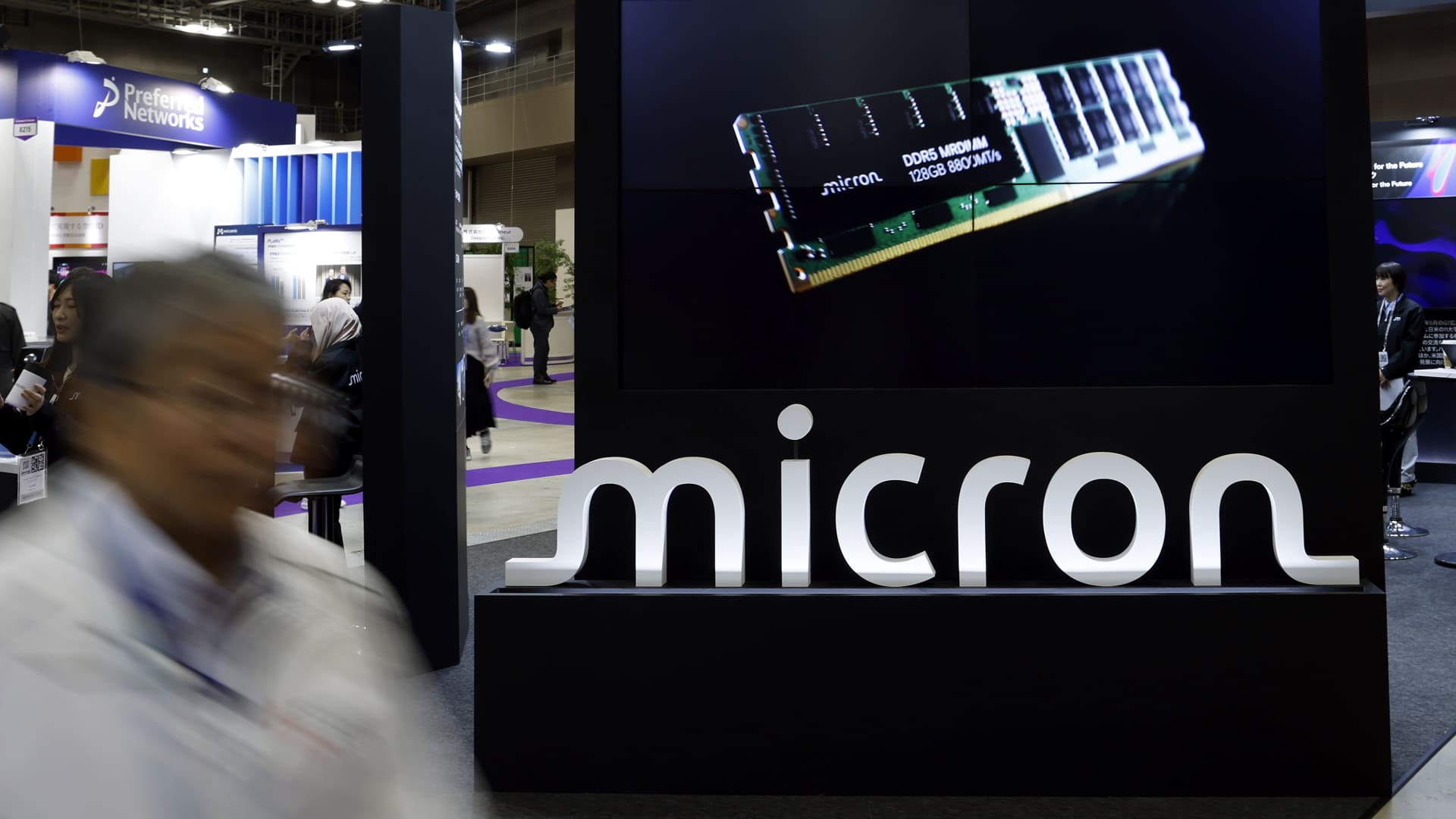
- Memory Supercycle: The Roundhill Memory ETF (DRAM) attracted over $5 billion in investments within a month, including $1.1 billion on Thursday alone, indicating strong market demand for memory stocks driven by surging AI computing needs.
- Core Holdings Performance: The ETF's core holdings feature leading memory manufacturers like SK Hynix, Micron, and Samsung, allowing investors to gain broad exposure to these high-growth companies, including those not listed on U.S. exchanges.
- Market Reaction: Micron's stock surged over 200 points in a week, climbing from $542 to $747, reflecting optimistic market expectations for memory product demand, with a price-to-earnings ratio of only 9 times projected earnings for the next 12 months, highlighting its appeal as a quality stock.
- Investment Opportunities: Despite waning interest in data center stocks, investors can still capitalize on potential gains in the memory and cooling sectors by purchasing instruments like the DRAM ETF, especially as major tech companies continue to invest heavily in data centers.
See More

Analyzing the Advantages of Invesco Nasdaq-100 ETF


- Cost Advantage: The Invesco Nasdaq-100 ETF charges 0.03% less than the Invesco QQQ Trust, meaning a $10,000 investment in QQQM would save about $3 annually, enhancing net returns for long-term investors.
- Portfolio Consistency: QQQM and QQQ share the same 102 holdings, including tech giants like Nvidia, Apple, and Microsoft, with QQQM achieving a slightly higher average annual return of 13.37% over the past five years compared to QQQ's 13.31%, indicating its competitive edge in long-term investments.
- Market Performance: Both QQQM and QQQ have risen over 13% year-to-date and gained more than 43% in the past year, outperforming the S&P 500 index, showcasing their strong market performance.
- Liquidity Differences: Although QQQM has lower liquidity with net assets of $82.9 billion and average trading volume of 4.1 million shares compared to QQQ's $440.3 billion and 59.8 million shares, this difference is not significant for most long-term investors, making QQQM a more cost-effective choice.
See More

Analysis of Invesco Nasdaq-100 ETF Fee Advantage
- Fee Comparison: The Invesco Nasdaq-100 ETF charges 0.03% less than QQQ, meaning a $10,000 investment in QQQM would save about $3 over a year, which, while seemingly minor, can significantly enhance returns for long-term investors.
- Liquidity Differences: Although QQQM has lower liquidity with an average trading volume of 4.1 million shares compared to QQQ's 59.8 million, this liquidity difference is not a substantial disadvantage for most long-term investors, making QQQM a more attractive option.
- Holding Consistency: QQQM and QQQ share the same 102 holdings, including major tech names like Nvidia (8.2%), Apple (7.2%), and Microsoft (5.3%), resulting in nearly identical performance, with QQQM delivering an average annual return of 13.37% over the past five years, slightly higher than QQQ's 13.31%.
- Market Performance: Year-to-date, both QQQM and QQQ have risen over 13% and gained more than 43% in the past year, demonstrating strong performance in tech stock investments, although QQQ has slightly outperformed QQQM during these periods by just 0.04%.
See More

Apple's Strong Earnings Propel Stock to All-Time High
- Impressive Earnings: Apple's fiscal Q2 2026 total revenue reached $111.2 billion, a 17% year-over-year increase, marking the company's best performance ever for this quarter, with iPhone revenue alone growing 22% to nearly $57 billion despite supply constraints.
- Record Services Revenue: Services revenue hit approximately $31 billion, up 16%, while sales in the Greater China market surged 28% to $20.5 billion, indicating strong demand and growth potential in key markets for Apple.
- AI Strategy Shift: Apple has struck a multi-year deal with Google to leverage Gemini models and cloud technology to revamp Siri, expected to launch later this year, which could enhance AI integration and drive device upgrades and service innovation.
- Leadership Change: Apple announced that Cook will become executive chairman on September 1, with John Ternus, senior vice president of hardware engineering, stepping in as CEO, bringing over 20 years of experience and involvement in key product launches, signaling potential revitalization in product innovation.
See More
Apple's iPhone Sales Surge Over 20% Amid Strategic AI Outsourcing
- iPhone Sales Growth: Apple reported over a 22% increase in iPhone sales for its latest fiscal quarter, indicating a resurgence in market vitality after years of stagnation, reflecting strong demand for its core product.
- Service Revenue Boost: The services segment saw a 17% year-over-year revenue increase, complementing the robust performance of iPhone sales and collectively driving Apple's total revenue to $111 billion in Q2 of fiscal 2026, showcasing the company's success in diversifying its revenue streams.
- AI Outsourcing Strategy: Apple's decision to outsource most of its AI work rather than investing hundreds of billions directly may impact its competitiveness in the AI space, although this approach aligns with Apple's historically cautious strategy.
- Valuation Challenges: Despite a 6% rise in stock price over the past year, Apple's price-to-earnings ratio remains high at 35 times, reflecting market caution regarding its future growth and suggesting that investors may need to consider other more attractive opportunities.
See More
Apple's Sales Surge and AI Relaunch Plans
- Significant Sales Growth: Apple reported a 17% year-over-year sales increase in Q2 2026, driven by a remarkable 22% rise in iPhone sales, indicating strong consumer preference and robust market demand for its products.
- AI Relaunch Plans: The company is set to relaunch an enhanced Siri in the coming months, although management did not specify the exact timing; this initiative aims to improve user experience and strengthen its competitive position in the smart assistant market, particularly through collaboration with Alphabet.
- Expanding User Base: With 2.5 billion active users, the revamped Siri is expected to further enhance user engagement and attract more customers to its devices, thereby driving long-term business growth.
- Market Reaction Expectations: The rollout of the new Siri is anticipated to positively impact Apple’s stock performance, reinforcing the company's leadership in the tech industry, despite analysts noting that Apple was not included in the current list of top investment stocks.
See More
Roundhill Memory ETF DRAM Attracts Over $5 Billion in Investments
- Memory Supercycle: The Roundhill Memory ETF (DRAM) attracted over $5 billion in investments within a month, including $1.1 billion on Thursday alone, indicating strong market demand for memory stocks driven by surging AI computing needs.
- Core Holdings Performance: The ETF's core holdings feature leading memory manufacturers like SK Hynix, Micron, and Samsung, allowing investors to gain broad exposure to these high-growth companies, including those not listed on U.S. exchanges.
- Market Reaction: Micron's stock surged over 200 points in a week, climbing from $542 to $747, reflecting optimistic market expectations for memory product demand, with a price-to-earnings ratio of only 9 times projected earnings for the next 12 months, highlighting its appeal as a quality stock.
- Investment Opportunities: Despite waning interest in data center stocks, investors can still capitalize on potential gains in the memory and cooling sectors by purchasing instruments like the DRAM ETF, especially as major tech companies continue to invest heavily in data centers.
See More
Analyzing the Advantages of Invesco Nasdaq-100 ETF
- Cost Advantage: The Invesco Nasdaq-100 ETF charges 0.03% less than the Invesco QQQ Trust, meaning a $10,000 investment in QQQM would save about $3 annually, enhancing net returns for long-term investors.
- Portfolio Consistency: QQQM and QQQ share the same 102 holdings, including tech giants like Nvidia, Apple, and Microsoft, with QQQM achieving a slightly higher average annual return of 13.37% over the past five years compared to QQQ's 13.31%, indicating its competitive edge in long-term investments.
- Market Performance: Both QQQM and QQQ have risen over 13% year-to-date and gained more than 43% in the past year, outperforming the S&P 500 index, showcasing their strong market performance.
- Liquidity Differences: Although QQQM has lower liquidity with net assets of $82.9 billion and average trading volume of 4.1 million shares compared to QQQ's $440.3 billion and 59.8 million shares, this difference is not significant for most long-term investors, making QQQM a more cost-effective choice.
See More
Analysis of Invesco Nasdaq-100 ETF Fee Advantage
- Fee Comparison: The Invesco Nasdaq-100 ETF charges 0.03% less than QQQ, meaning a $10,000 investment in QQQM would save about $3 over a year, which, while seemingly minor, can significantly enhance returns for long-term investors.
- Liquidity Differences: Although QQQM has lower liquidity with an average trading volume of 4.1 million shares compared to QQQ's 59.8 million, this liquidity difference is not a substantial disadvantage for most long-term investors, making QQQM a more attractive option.
- Holding Consistency: QQQM and QQQ share the same 102 holdings, including major tech names like Nvidia (8.2%), Apple (7.2%), and Microsoft (5.3%), resulting in nearly identical performance, with QQQM delivering an average annual return of 13.37% over the past five years, slightly higher than QQQ's 13.31%.
- Market Performance: Year-to-date, both QQQM and QQQ have risen over 13% and gained more than 43% in the past year, demonstrating strong performance in tech stock investments, although QQQ has slightly outperformed QQQM during these periods by just 0.04%.
See More
Apple's Strong Earnings Propel Stock to All-Time High
- Impressive Earnings: Apple's fiscal Q2 2026 total revenue reached $111.2 billion, a 17% year-over-year increase, marking the company's best performance ever for this quarter, with iPhone revenue alone growing 22% to nearly $57 billion despite supply constraints.
- Record Services Revenue: Services revenue hit approximately $31 billion, up 16%, while sales in the Greater China market surged 28% to $20.5 billion, indicating strong demand and growth potential in key markets for Apple.
- AI Strategy Shift: Apple has struck a multi-year deal with Google to leverage Gemini models and cloud technology to revamp Siri, expected to launch later this year, which could enhance AI integration and drive device upgrades and service innovation.
- Leadership Change: Apple announced that Cook will become executive chairman on September 1, with John Ternus, senior vice president of hardware engineering, stepping in as CEO, bringing over 20 years of experience and involvement in key product launches, signaling potential revitalization in product innovation.
See More