SPXL, COST, JNJ, PG: ETF Outflow Alert
Written by Emily J. Thompson, Senior Investment Analyst
Updated: Aug 06 2025
0mins

Source: NASDAQ.COM
SPXL Share Price Analysis: SPXL's current share price is $179.99, situated between its 52-week low of $87.08 and high of $190.72, with the 200-day moving average being a key technical analysis tool.
ETFs Trading Dynamics: Exchange traded funds (ETFs) function like stocks, trading in units that can be created or destroyed based on investor demand, affecting the underlying holdings significantly during notable inflows or outflows.
Trade with 70% Backtested Accuracy
Stop guessing "Should I Buy JNJ?" and start using high-conviction signals backed by rigorous historical data.
Sign up today to access powerful investing tools and make smarter, data-driven decisions.
Analyst Views on JNJ
Wall Street analysts forecast JNJ stock price to fall
20 Analyst Rating
13 Buy
7 Hold
0 Sell
Moderate Buy
Current: 259.330

Low
190.00
Averages
218.50
High
240.00
Current: 259.330
Low
190.00
Averages
218.50
High
240.00
About JNJ
Johnson & Johnson and its subsidiaries are engaged in the research and development, manufacture, and sale of a range of products in the healthcare field. The Company’s segments include Innovative Medicine and MedTech. The Innovative Medicine segment is focused on various therapeutic areas, including immunology, infectious diseases, neuroscience, oncology, pulmonary hypertension, cardiovascular and metabolism. Its products include REMICADE (infliximab), SIMPONI (golimumab), SIMPONI ARIA (golimumab), STELARA (ustekinumab), TREMFYA (guselkumab), EDURANT (rilpivirine), and INVEGA SUSTENNA/XEPLION (paliperidone palmitate). The MedTech segment includes a portfolio of products used in cardiovascular, orthopedics, surgery, and vision categories. The Cardiovascular portfolio includes electrophysiology products to treat heart rhythm disorders and circulatory restoration products (Shockwave) for the treatment of calcified coronary artery disease (CAD) and peripheral artery disease (PAD).
About the author

Emily J. Thompson
Emily J. Thompson, a Chartered Financial Analyst (CFA) with 12 years in investment research, graduated with honors from the Wharton School. Specializing in industrial and technology stocks, she provides in-depth analysis for Intellectia’s earnings and market brief reports.

Strong Earnings Expectations Drive JNJ Stock Up

- Earnings Release Announcement: Johnson & Johnson (JNJ) is set to release its Q2 earnings on July 15, with analysts forecasting earnings of $2.85 per share and revenue of $25.05 billion, indicating the company's robust performance in the market.
- Positive Stock Reaction: Ahead of the earnings report, JNJ's stock rose by 3.6%, reflecting investor optimism regarding the upcoming financial results, which could further drive the company's stock price upward.
- Market Expectation Analysis: Analysts' earnings expectations for JNJ suggest that despite facing market challenges, the company is still able to maintain strong profitability, which will enhance investor confidence and attract more capital inflows.
- Strategic Implications: JNJ's earnings report will provide critical data for its future strategic direction, and if actual performance exceeds expectations, it could further solidify its leadership position in the healthcare industry.
See More
Dividend Investment Opportunities in Pfizer and Bristol Myers Squibb


- Pfizer's Market Performance: Pfizer became the first biopharmaceutical company to surpass $100 billion in annual sales in 2022, but has lagged behind broader equities due to declining COVID-19 product revenues and impending patent cliffs, with a potential transformation in the next five years through its rich pipeline.
- Pipeline Potential: Pfizer's oncology drug PF'4404 is currently in phase 3 trials and is expected to deliver significant clinical wins, while its weight loss pipeline is also progressing steadily; despite poor financial results, some products are expected to drive sales growth.
- Bristol Myers' Recovery: After facing patent cliffs, Bristol Myers' revenue is slowly rebounding, and while it faces more patent expirations, the approval of a new subcutaneous version of Opdivo is expected to contribute to revenue growth in the coming years.
- Collaboration and Innovation: Bristol Myers is partnering with Johnson & Johnson to develop the next-gen anticoagulant Milvexian, which has received FDA Fast Track designation, indicating strong market potential, while also working on bispecific antibodies, with significant progress expected in the coming years.
See More
U.S. Healthcare Spending Reaches $5.7 Trillion Amid Growth Trends


- Healthcare Spending Surge: The U.S. healthcare sector reached $5.7 trillion in 2024, reflecting a 7.3% increase from the previous year, driven by higher consumption of medical products and services, indicating robust demand and long-term growth potential in the industry.
- Eli Lilly's Market Leadership: Eli Lilly leads the GLP-1 drug market, with strong sales from diabetes and weight-loss medications like Mounjaro, resulting in revenue and earnings growth that outpaces peers, and it is expected to solidify its market position further.
- Intuitive Surgical's Growth Prospects: Intuitive Surgical excels in robotic-assisted surgery with its da Vinci system, which enhances minimally invasive procedures; despite facing competition and tariff pressures, the company is well-positioned for sustained growth due to high switching costs and pricing power.
- AI Integration in Drug Development: Eli Lilly is increasingly leveraging artificial intelligence in drug development, which may lower R&D costs and boost profits, thereby enhancing its competitive edge in the rapidly evolving healthcare market.
See More

Dividend Kings: Steady Growth Investment Choices

- Strong Dividend Growth: Johnson & Johnson has raised its dividend for 64 consecutive years, with a market cap of $624 billion and only 46% of its estimated 2026 earnings allocated for dividends, indicating robust financial health and growth potential.
- Global Beverage Giant: Coca-Cola has also increased its dividend for 64 years, maintaining a stable market cap, with dividends projected to consume 65% of its 2026 earnings, while analysts expect high single-digit earnings growth, ensuring long-term investment value.
- Innovator in Healthcare: Abbott Laboratories has a 54-year streak of dividend increases, focusing on diagnostics, diabetes, and cardiovascular care, with dividends accounting for just 46% of estimated 2026 earnings, and analysts forecasting around 10% annual growth, providing a solid foundation for future development.
- Leader in Household Goods: Procter & Gamble boasts a remarkable 70-year dividend growth record, and despite facing low growth pressures, its dividends represent 63% of estimated 2026 earnings, showcasing its strong competitive position and ability to sustain dividend growth.
See More

Eli Lilly and Intuitive Surgical's Growth Potential
- Healthcare Spending Surge: The U.S. healthcare sector reached $5.7 trillion in 2024, reflecting a 7.3% year-over-year increase, indicating a sustained rise in consumer demand for medical products and services, which provides long-term growth opportunities for related companies.
- Eli Lilly's Market Leadership: Eli Lilly's GLP-1 drugs, including Mounjaro and Foundayo, are achieving strong sales, driving the company's revenue and earnings growth rates above those of peers, showcasing its formidable competitive position in the diabetes and weight-loss drug markets.
- Intuitive Surgical's Technological Edge: Intuitive Surgical's da Vinci system leads the robotic-assisted surgery market, improving patient outcomes through minimally invasive procedures; despite facing competition and tariff pressures, the company possesses significant market expansion potential.
- AI Integration: Eli Lilly is leveraging artificial intelligence in drug development, a strategy that may lower R&D costs and enhance long-term profitability, further solidifying its leadership in the healthcare sector.
See More
Market Update: Tech Stocks Retreat, Healthcare Sector Gains


- Tech Stock Retreat: On Tuesday, the S&P 500 and Nasdaq fell by 0.70% and 1.5%, respectively, primarily dragged down by technology and momentum stocks, particularly semiconductor firms like Advanced Micro, Broadcom, and Micron, which faced sell-offs following Samsung's disappointing preliminary second-quarter earnings, prompting investors to seek refuge in safer sectors like healthcare and financials.
- Healthcare Sector Strength: Amidst a broader market downturn, the healthcare sector is thriving, with Johnson & Johnson's stock rising 3.6% on Tuesday and nearly 30% year-to-date, while Eli Lilly's shares gained 3% after JPMorgan raised its price target from $1,300 to $1,400, driven by strong GLP-1 sales and international demand for its weight-loss drug Mounjaro.
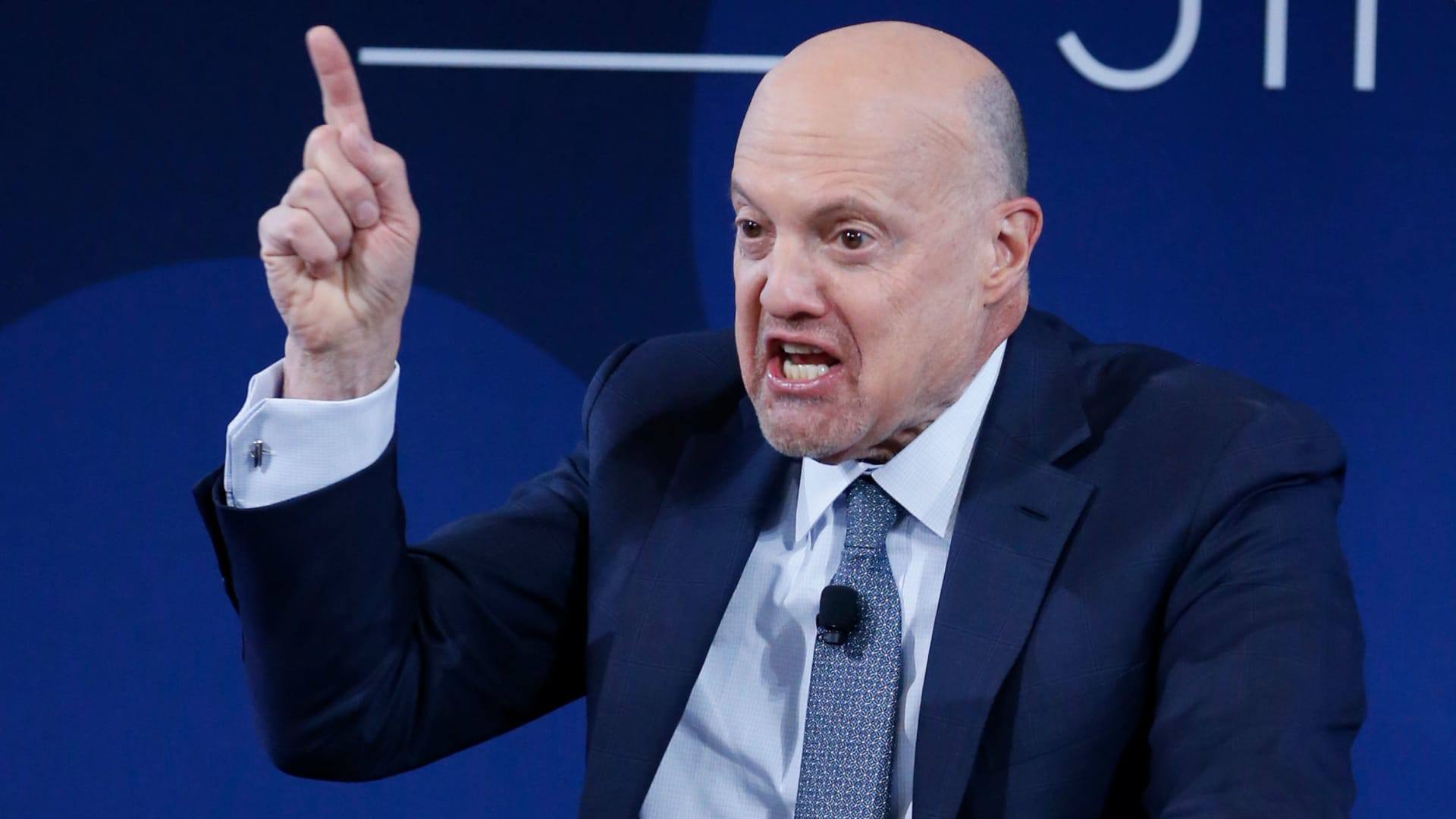
- Financial Sector Performance: The financial sector has been the best performer this month, with Wells Fargo's shares up 6.6% over the past month ahead of earnings next Tuesday, despite being down 5.3% year-to-date, as Jim Cramer suggests it could be a breakout quarter, emphasizing the need for strong performance after previous disappointments.
- Rapid Trade Review: In the rapid-fire trading segment of the video, stocks mentioned included Fiserv, Vertex, Walmart, and Rivian, highlighting the club's focus on a diversified portfolio while underscoring the importance of vigilance amidst market volatility.
See More
Strong Earnings Expectations Drive JNJ Stock Up
- Earnings Release Announcement: Johnson & Johnson (JNJ) is set to release its Q2 earnings on July 15, with analysts forecasting earnings of $2.85 per share and revenue of $25.05 billion, indicating the company's robust performance in the market.
- Positive Stock Reaction: Ahead of the earnings report, JNJ's stock rose by 3.6%, reflecting investor optimism regarding the upcoming financial results, which could further drive the company's stock price upward.
- Market Expectation Analysis: Analysts' earnings expectations for JNJ suggest that despite facing market challenges, the company is still able to maintain strong profitability, which will enhance investor confidence and attract more capital inflows.
- Strategic Implications: JNJ's earnings report will provide critical data for its future strategic direction, and if actual performance exceeds expectations, it could further solidify its leadership position in the healthcare industry.
See More
Dividend Investment Opportunities in Pfizer and Bristol Myers Squibb
- Pfizer's Market Performance: Pfizer became the first biopharmaceutical company to surpass $100 billion in annual sales in 2022, but has lagged behind broader equities due to declining COVID-19 product revenues and impending patent cliffs, with a potential transformation in the next five years through its rich pipeline.
- Pipeline Potential: Pfizer's oncology drug PF'4404 is currently in phase 3 trials and is expected to deliver significant clinical wins, while its weight loss pipeline is also progressing steadily; despite poor financial results, some products are expected to drive sales growth.
- Bristol Myers' Recovery: After facing patent cliffs, Bristol Myers' revenue is slowly rebounding, and while it faces more patent expirations, the approval of a new subcutaneous version of Opdivo is expected to contribute to revenue growth in the coming years.
- Collaboration and Innovation: Bristol Myers is partnering with Johnson & Johnson to develop the next-gen anticoagulant Milvexian, which has received FDA Fast Track designation, indicating strong market potential, while also working on bispecific antibodies, with significant progress expected in the coming years.
See More
U.S. Healthcare Spending Reaches $5.7 Trillion Amid Growth Trends
- Healthcare Spending Surge: The U.S. healthcare sector reached $5.7 trillion in 2024, reflecting a 7.3% increase from the previous year, driven by higher consumption of medical products and services, indicating robust demand and long-term growth potential in the industry.
- Eli Lilly's Market Leadership: Eli Lilly leads the GLP-1 drug market, with strong sales from diabetes and weight-loss medications like Mounjaro, resulting in revenue and earnings growth that outpaces peers, and it is expected to solidify its market position further.
- Intuitive Surgical's Growth Prospects: Intuitive Surgical excels in robotic-assisted surgery with its da Vinci system, which enhances minimally invasive procedures; despite facing competition and tariff pressures, the company is well-positioned for sustained growth due to high switching costs and pricing power.
- AI Integration in Drug Development: Eli Lilly is increasingly leveraging artificial intelligence in drug development, which may lower R&D costs and boost profits, thereby enhancing its competitive edge in the rapidly evolving healthcare market.
See More
Dividend Kings: Steady Growth Investment Choices
- Strong Dividend Growth: Johnson & Johnson has raised its dividend for 64 consecutive years, with a market cap of $624 billion and only 46% of its estimated 2026 earnings allocated for dividends, indicating robust financial health and growth potential.
- Global Beverage Giant: Coca-Cola has also increased its dividend for 64 years, maintaining a stable market cap, with dividends projected to consume 65% of its 2026 earnings, while analysts expect high single-digit earnings growth, ensuring long-term investment value.
- Innovator in Healthcare: Abbott Laboratories has a 54-year streak of dividend increases, focusing on diagnostics, diabetes, and cardiovascular care, with dividends accounting for just 46% of estimated 2026 earnings, and analysts forecasting around 10% annual growth, providing a solid foundation for future development.
- Leader in Household Goods: Procter & Gamble boasts a remarkable 70-year dividend growth record, and despite facing low growth pressures, its dividends represent 63% of estimated 2026 earnings, showcasing its strong competitive position and ability to sustain dividend growth.
See More
Eli Lilly and Intuitive Surgical's Growth Potential
- Healthcare Spending Surge: The U.S. healthcare sector reached $5.7 trillion in 2024, reflecting a 7.3% year-over-year increase, indicating a sustained rise in consumer demand for medical products and services, which provides long-term growth opportunities for related companies.
- Eli Lilly's Market Leadership: Eli Lilly's GLP-1 drugs, including Mounjaro and Foundayo, are achieving strong sales, driving the company's revenue and earnings growth rates above those of peers, showcasing its formidable competitive position in the diabetes and weight-loss drug markets.
- Intuitive Surgical's Technological Edge: Intuitive Surgical's da Vinci system leads the robotic-assisted surgery market, improving patient outcomes through minimally invasive procedures; despite facing competition and tariff pressures, the company possesses significant market expansion potential.
- AI Integration: Eli Lilly is leveraging artificial intelligence in drug development, a strategy that may lower R&D costs and enhance long-term profitability, further solidifying its leadership in the healthcare sector.
See More
Market Update: Tech Stocks Retreat, Healthcare Sector Gains
- Tech Stock Retreat: On Tuesday, the S&P 500 and Nasdaq fell by 0.70% and 1.5%, respectively, primarily dragged down by technology and momentum stocks, particularly semiconductor firms like Advanced Micro, Broadcom, and Micron, which faced sell-offs following Samsung's disappointing preliminary second-quarter earnings, prompting investors to seek refuge in safer sectors like healthcare and financials.
- Healthcare Sector Strength: Amidst a broader market downturn, the healthcare sector is thriving, with Johnson & Johnson's stock rising 3.6% on Tuesday and nearly 30% year-to-date, while Eli Lilly's shares gained 3% after JPMorgan raised its price target from $1,300 to $1,400, driven by strong GLP-1 sales and international demand for its weight-loss drug Mounjaro.
- Financial Sector Performance: The financial sector has been the best performer this month, with Wells Fargo's shares up 6.6% over the past month ahead of earnings next Tuesday, despite being down 5.3% year-to-date, as Jim Cramer suggests it could be a breakout quarter, emphasizing the need for strong performance after previous disappointments.
- Rapid Trade Review: In the rapid-fire trading segment of the video, stocks mentioned included Fiserv, Vertex, Walmart, and Rivian, highlighting the club's focus on a diversified portfolio while underscoring the importance of vigilance amidst market volatility.
See More