Sprott Copper Trust to Begin Trading on NYSE Arca in 2026
Written by Emily J. Thompson, Senior Investment Analyst
Updated: Apr 30 2026
0mins
Source: Globenewswire
- Trust Restructuring Approved: The Sprott Physical Copper Trust received 99.521% approval at a special meeting to restructure from a non-redeemable investment fund to a mutual fund, enhancing investor flexibility and confidence.
- Redemption Feature Enhancement: The trust's redemption mechanism will shift from semi-annual to monthly, removing limits on the number of units that can be redeemed, which is expected to attract more investors and increase market liquidity.
- Listing Date Confirmed: The trust's units are expected to begin trading on NYSE Arca on May 4, 2026, under the symbol “SCOP”, providing investors with the opportunity to hold physical copper directly, addressing the growing demand for the metal.
- Market Demand Outlook: With the rise of electrification and AI data centers, copper demand is projected to increase significantly, and Sprott believes this trend will provide strong momentum for the trust's long-term growth, further solidifying its market position.
Trade with 70% Backtested Accuracy
Stop guessing "Should I Buy COP?" and start using high-conviction signals backed by rigorous historical data.
Sign up today to access powerful investing tools and make smarter, data-driven decisions.
Analyst Views on COP
Wall Street analysts forecast COP stock price to rise
19 Analyst Rating
15 Buy
3 Hold
1 Sell
Moderate Buy
Current: 107.740

Low
98.00
Averages
115.67
High
133.00
Current: 107.740
Low
98.00
Averages
115.67
High
133.00
About COP
ConocoPhillips is an exploration and production company. Its Alaska segment primarily explores for, produces, transports and markets crude oil, natural gas and NGLs. The Lower 48 segment consists of operations located in the 48 contiguous states in the United States and the Gulf of Mexico. Canadian operations consist of the Surmont oil sands development in Alberta, the liquids-rich Montney unconventional play in British Columbia and commercial operations. The Europe, Middle East and North Africa segment consists of operations principally located in the Norwegian sector of the North Sea, the Norwegian Sea, Qatar, Libya, Equatorial Guinea and commercial and terminalling operations in the United Kingdom. Asia Pacific segment has exploration and production operations in China, Malaysia, Australia and commercial operations in China, Singapore and Japan. Other International segment includes interests in Colombia as well as contingencies associated with prior operations in other countries.
About the author

Emily J. Thompson
Emily J. Thompson, a Chartered Financial Analyst (CFA) with 12 years in investment research, graduated with honors from the Wharton School. Specializing in industrial and technology stocks, she provides in-depth analysis for Intellectia’s earnings and market brief reports.

AI Boom Drives Market Transformation


- AI Stocks Dominate Market: According to Bloomberg's research, AI-related stocks now account for 53% of the S&P 500 index by weight, indicating that the widespread adoption of AI technology is driving growth across multiple economic sectors, although this concentration may increase investment risks during market downturns.
- Energy Stock Investment Opportunity: By reducing tech exposure in an S&P 500 portfolio by 10% and increasing investment in energy stocks, investors could lower volatility by 1.7% while only reducing annual returns by 1.4%, demonstrating the stability of energy stocks during market fluctuations.
- Vanguard Energy ETF Performance: The Vanguard Energy ETF (VDE), which holds 111 stocks, has delivered an average annual return of 8.19% since its inception in 2004, with a five-year annualized return of 21.1%, showcasing its strong performance in the energy sector and suitability for defensive investors.
- Bond ETF Stability: The Vanguard Total Bond Market ETF (BND) offers a diversified portfolio of 11,455 bonds, achieving an average annual return of 3.95% over the past three years, with an ultra-low expense ratio of 0.03%, providing a stable investment option for those nearing retirement.
See More

Energy Stocks and Bonds to Reduce Volatility
- Strong Energy Performance: The Vanguard Energy ETF has achieved an annualized return of 21.1% over the past five years, significantly outperforming the S&P 500, indicating that energy stocks may be a preferred choice for investors amid market volatility.
- Bond Stability: The Vanguard Total Bond Market ETF has delivered an annualized return of 3.08% since its inception in 2007, providing stability during stock market downturns, making it suitable for investors closer to retirement.
- Volatility Reduction Strategy: Bloomberg's research indicates that reducing tech exposure by 10% and increasing energy stock investments could lower portfolio volatility by 1.7% while only reducing annual returns by 1.4%, demonstrating an effective risk management strategy.
- AI Market Risks: AI-related stocks account for 53% of the S&P 500 index, which may pose significant risks for investors during economic downturns, thus highlighting the importance of diversifying investments into energy and bonds.
See More

Analysis of XLE ETF's 52-Week Price Fluctuations


- Price Range Analysis: The XLE ETF has a 52-week low of $42.05 and a high of $63.46, with the last trade at $53.38, indicating stability and potential investment opportunities in the current market.
- Technical Analysis Tool: Comparing the current share price to the 200-day moving average provides valuable insights for investors, helping them better grasp market trends and timing for investments.
- ETF Unit Trading Mechanism: ETFs trade like stocks, where investors buy and sell 'units' that can be created or destroyed based on demand, impacting liquidity and market performance.
- Inflows and Outflows Monitoring: Weekly monitoring of changes in shares outstanding helps identify ETFs experiencing significant inflows or outflows, allowing for timely adjustments in investment strategies to optimize portfolio performance.
See More

Key Wall Street Rating Updates on Monday


- Tesla Rating Maintained: Jefferies raised Tesla's price target from $350 to $375, indicating that the stock did not sell off ahead of the SPCX IPO, which suggests a consensus on a potential merger that could turn TSLA into a tracker to minimize shareholder dilution risk.
- Kimco Realty Upgrade: Wolfe upgraded Kimco Realty from Peer Perform to Outperform with a price target of $28, anticipating approximately a 16% total return, reflecting strong fundamentals and signaling a recovery potential in the real estate market.
- Cleveland-Cliffs Downgrade: Morgan Stanley downgraded Cleveland-Cliffs from Overweight to Equal Weight with a new price target of $12.5, indicating a more balanced risk-reward profile in line with peers, reflecting a cautious market sentiment towards the stock.
- Micron Technology Reiteration: Bernstein raised Micron's price target from $510 to $1,300 while maintaining an Outperform rating, driven by optimistic forecasts for conventional memory and high bandwidth memory pricing, highlighting a robust recovery in the semiconductor sector.
See More
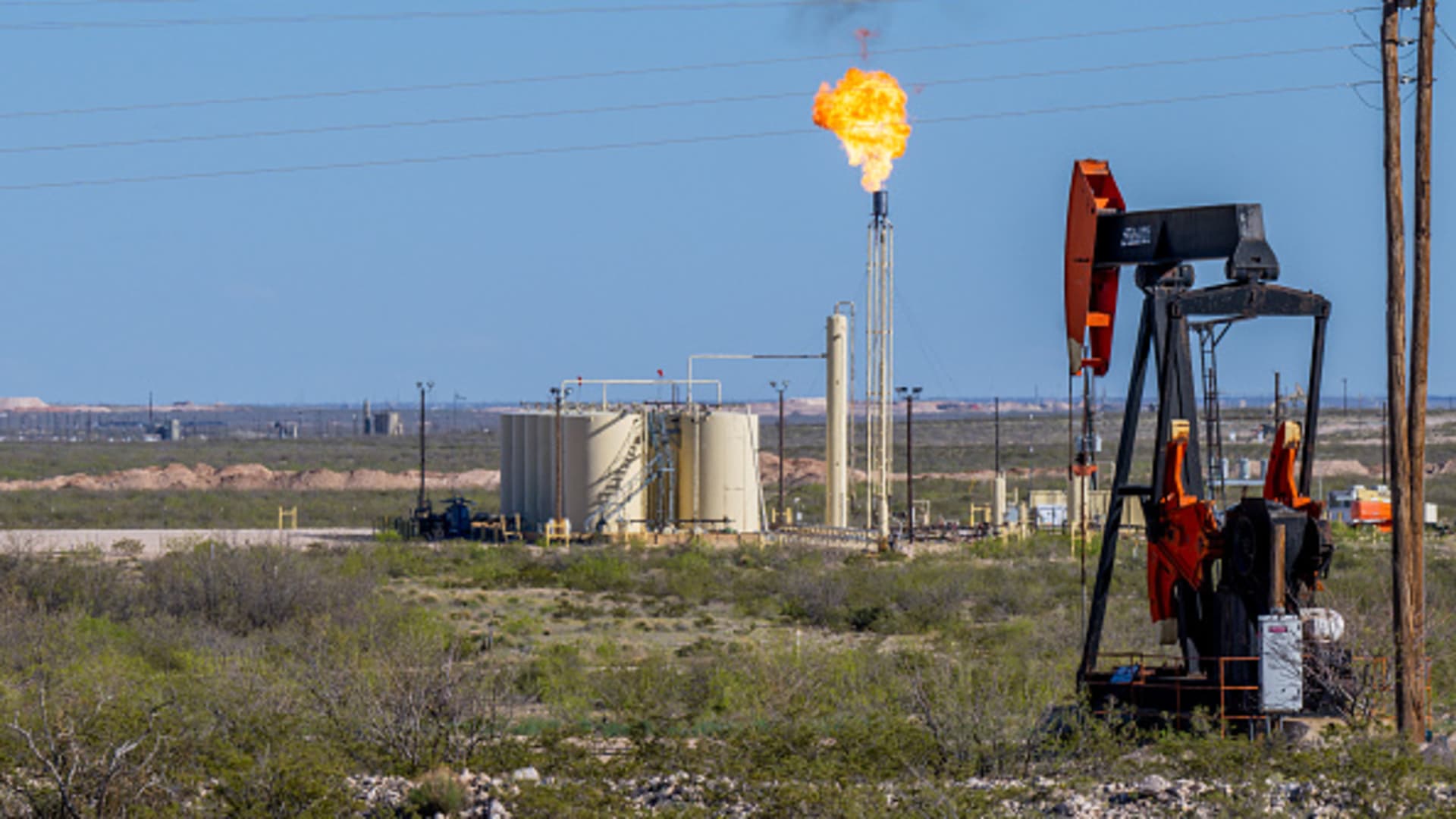
Analysis of Energy Market Choices for 2026

- Company Size Comparison: ConocoPhillips, one of the world's largest independent oil exploration companies, achieved $61.6 billion in revenue for FY 2025, an 8% increase, showcasing its strong competitive position in global markets, while Viper Energy, focusing on mineral and royalty interests, reported nearly $1.4 billion in revenue with a 62% growth but faced a net loss of $68 million, highlighting the fragility of its business model.
- Financial Health Status: ConocoPhillips reported a net income of approximately $8 billion with a net margin of 13%, despite a decline from 16.2% in 2024, and a debt-to-equity ratio of 0.4 indicates a moderate level of borrowing that ensures operational stability; in contrast, Viper Energy's free cash flow was close to negative $1.3 billion, indicating severe financial challenges.
- Risk Analysis: ConocoPhillips faces significant risks from commodity price volatility, particularly sensitivity to crude oil and natural gas prices, alongside regulatory pressures regarding climate change and potential legal litigation; meanwhile, Viper Energy is heavily dependent on Diamondback Energy's operations, where any delays directly impact its royalty revenues, and new environmental regulations may force production cuts.
- Valuation Comparison: ConocoPhillips has a forward P/E of 10.6, indicating relative value, while Viper Energy's P/S ratio stands at 4.1, reflecting its growth potential; in an uncertain market environment, ConocoPhillips's scale and relative value make it more attractive for 2026, especially with its $3.30 per share dividend payout capability.
See More
Analysis of Energy Stock Investment Choices
- Financial Performance: ConocoPhillips achieved $61.6 billion in revenue for FY 2025, marking an 8% increase, with a net income of approximately $8 billion and a net margin of 13%, despite a decline from 16.2% in 2024, indicating its stability and profitability in global markets.
- Capital Structure Analysis: As of December 2025, ConocoPhillips had a debt-to-equity ratio of about 0.4, suggesting a moderate borrowing strategy for operational funding, while its free cash flow was close to $7.2 billion, enhancing financial flexibility.
- Viper Energy Business Model: Viper Energy, primarily reliant on Diamondback Energy, reported nearly $1.4 billion in revenue for FY 2025, a 62% increase, but faced a net loss of $68 million, reflecting challenges in mineral rights income and market volatility risks.
- Market Outlook Comparison: In an uncertain market environment, ConocoPhillips' scale and relative value make it a more attractive investment choice for 2026, particularly with its $3.30 per share dividend payment, demonstrating a commitment to shareholder returns and stability.
See More
AI Boom Drives Market Transformation
- AI Stocks Dominate Market: According to Bloomberg's research, AI-related stocks now account for 53% of the S&P 500 index by weight, indicating that the widespread adoption of AI technology is driving growth across multiple economic sectors, although this concentration may increase investment risks during market downturns.
- Energy Stock Investment Opportunity: By reducing tech exposure in an S&P 500 portfolio by 10% and increasing investment in energy stocks, investors could lower volatility by 1.7% while only reducing annual returns by 1.4%, demonstrating the stability of energy stocks during market fluctuations.
- Vanguard Energy ETF Performance: The Vanguard Energy ETF (VDE), which holds 111 stocks, has delivered an average annual return of 8.19% since its inception in 2004, with a five-year annualized return of 21.1%, showcasing its strong performance in the energy sector and suitability for defensive investors.
- Bond ETF Stability: The Vanguard Total Bond Market ETF (BND) offers a diversified portfolio of 11,455 bonds, achieving an average annual return of 3.95% over the past three years, with an ultra-low expense ratio of 0.03%, providing a stable investment option for those nearing retirement.
See More
Energy Stocks and Bonds to Reduce Volatility
- Strong Energy Performance: The Vanguard Energy ETF has achieved an annualized return of 21.1% over the past five years, significantly outperforming the S&P 500, indicating that energy stocks may be a preferred choice for investors amid market volatility.
- Bond Stability: The Vanguard Total Bond Market ETF has delivered an annualized return of 3.08% since its inception in 2007, providing stability during stock market downturns, making it suitable for investors closer to retirement.
- Volatility Reduction Strategy: Bloomberg's research indicates that reducing tech exposure by 10% and increasing energy stock investments could lower portfolio volatility by 1.7% while only reducing annual returns by 1.4%, demonstrating an effective risk management strategy.
- AI Market Risks: AI-related stocks account for 53% of the S&P 500 index, which may pose significant risks for investors during economic downturns, thus highlighting the importance of diversifying investments into energy and bonds.
See More
Analysis of XLE ETF's 52-Week Price Fluctuations
- Price Range Analysis: The XLE ETF has a 52-week low of $42.05 and a high of $63.46, with the last trade at $53.38, indicating stability and potential investment opportunities in the current market.
- Technical Analysis Tool: Comparing the current share price to the 200-day moving average provides valuable insights for investors, helping them better grasp market trends and timing for investments.
- ETF Unit Trading Mechanism: ETFs trade like stocks, where investors buy and sell 'units' that can be created or destroyed based on demand, impacting liquidity and market performance.
- Inflows and Outflows Monitoring: Weekly monitoring of changes in shares outstanding helps identify ETFs experiencing significant inflows or outflows, allowing for timely adjustments in investment strategies to optimize portfolio performance.
See More
Key Wall Street Rating Updates on Monday
- Tesla Rating Maintained: Jefferies raised Tesla's price target from $350 to $375, indicating that the stock did not sell off ahead of the SPCX IPO, which suggests a consensus on a potential merger that could turn TSLA into a tracker to minimize shareholder dilution risk.
- Kimco Realty Upgrade: Wolfe upgraded Kimco Realty from Peer Perform to Outperform with a price target of $28, anticipating approximately a 16% total return, reflecting strong fundamentals and signaling a recovery potential in the real estate market.
- Cleveland-Cliffs Downgrade: Morgan Stanley downgraded Cleveland-Cliffs from Overweight to Equal Weight with a new price target of $12.5, indicating a more balanced risk-reward profile in line with peers, reflecting a cautious market sentiment towards the stock.
- Micron Technology Reiteration: Bernstein raised Micron's price target from $510 to $1,300 while maintaining an Outperform rating, driven by optimistic forecasts for conventional memory and high bandwidth memory pricing, highlighting a robust recovery in the semiconductor sector.
See More
Analysis of Energy Market Choices for 2026
- Company Size Comparison: ConocoPhillips, one of the world's largest independent oil exploration companies, achieved $61.6 billion in revenue for FY 2025, an 8% increase, showcasing its strong competitive position in global markets, while Viper Energy, focusing on mineral and royalty interests, reported nearly $1.4 billion in revenue with a 62% growth but faced a net loss of $68 million, highlighting the fragility of its business model.
- Financial Health Status: ConocoPhillips reported a net income of approximately $8 billion with a net margin of 13%, despite a decline from 16.2% in 2024, and a debt-to-equity ratio of 0.4 indicates a moderate level of borrowing that ensures operational stability; in contrast, Viper Energy's free cash flow was close to negative $1.3 billion, indicating severe financial challenges.
- Risk Analysis: ConocoPhillips faces significant risks from commodity price volatility, particularly sensitivity to crude oil and natural gas prices, alongside regulatory pressures regarding climate change and potential legal litigation; meanwhile, Viper Energy is heavily dependent on Diamondback Energy's operations, where any delays directly impact its royalty revenues, and new environmental regulations may force production cuts.
- Valuation Comparison: ConocoPhillips has a forward P/E of 10.6, indicating relative value, while Viper Energy's P/S ratio stands at 4.1, reflecting its growth potential; in an uncertain market environment, ConocoPhillips's scale and relative value make it more attractive for 2026, especially with its $3.30 per share dividend payout capability.
See More
Analysis of Energy Stock Investment Choices
- Financial Performance: ConocoPhillips achieved $61.6 billion in revenue for FY 2025, marking an 8% increase, with a net income of approximately $8 billion and a net margin of 13%, despite a decline from 16.2% in 2024, indicating its stability and profitability in global markets.
- Capital Structure Analysis: As of December 2025, ConocoPhillips had a debt-to-equity ratio of about 0.4, suggesting a moderate borrowing strategy for operational funding, while its free cash flow was close to $7.2 billion, enhancing financial flexibility.
- Viper Energy Business Model: Viper Energy, primarily reliant on Diamondback Energy, reported nearly $1.4 billion in revenue for FY 2025, a 62% increase, but faced a net loss of $68 million, reflecting challenges in mineral rights income and market volatility risks.
- Market Outlook Comparison: In an uncertain market environment, ConocoPhillips' scale and relative value make it a more attractive investment choice for 2026, particularly with its $3.30 per share dividend payment, demonstrating a commitment to shareholder returns and stability.
See More