S&P 500 Index Experiences Historic Surge
Written by Emily J. Thompson, Senior Investment Analyst
Updated: Feb 12 2026
0mins

Should l Buy NVDA?
Source: Fool
- Historic S&P 500 Performance: The S&P 500 index has gained at least 16% in three separate years since 1928, with the most recent occurrences from 2019-2021 and 2023-2025, indicating a robust market recovery and heightened investor confidence.
- Contribution of Trillion-Dollar Companies: Currently, 12 companies on U.S. exchanges have reached a $1 trillion market cap, with Walmart being the latest addition, highlighting the significant role these industry leaders play in driving market growth, even though future investment returns may not be extraordinary.
- Nvidia's Strong Outlook: Analysts are highly optimistic about Nvidia, projecting a 90% price increase by 2026, primarily due to its dominance in AI-accelerated data centers and powerful GPU technology, showcasing its competitive edge in the future market.
- Growth Potential for Meta and Microsoft: Meta's price target has been raised to $1,144, implying a 73% upside, while Microsoft's target is set at $678, suggesting a 69% increase, both benefiting from strong cash flows and advancements in AI technology, indicating their continued growth potential in their respective sectors.
Trade with 70% Backtested Accuracy
Stop guessing "Should I Buy NVDA?" and start using high-conviction signals backed by rigorous historical data.
Sign up today to access powerful investing tools and make smarter, data-driven decisions.
Analyst Views on NVDA
Wall Street analysts forecast NVDA stock price to rise
41 Analyst Rating
39 Buy
1 Hold
1 Sell
Strong Buy
Current: 182.650

Low
200.00
Averages
264.97
High
352.00
Current: 182.650
Low
200.00
Averages
264.97
High
352.00
About NVDA
NVIDIA Corporation is a full-stack computing infrastructure company. The Company is engaged in accelerated computing to help solve the challenging computational problems. The Company’s segments include Compute & Networking and Graphics. The Compute & Networking segment includes its Data Center accelerated computing platforms and artificial intelligence (AI) solutions and software; networking; automotive platforms and autonomous and electric vehicle solutions; Jetson for robotics and other embedded platforms, and DGX Cloud computing services. The Graphics segment includes GeForce GPUs for gaming and PCs, the GeForce NOW game streaming service and related infrastructure, and solutions for gaming platforms; Quadro/NVIDIA RTX GPUs for enterprise workstation graphics; virtual GPU software for cloud-based visual and virtual computing; automotive platforms for infotainment systems, and Omniverse Enterprise software for building and operating industrial AI and digital twin applications.
About the author

Emily J. Thompson
Emily J. Thompson, a Chartered Financial Analyst (CFA) with 12 years in investment research, graduated with honors from the Wharton School. Specializing in industrial and technology stocks, she provides in-depth analysis for Intellectia’s earnings and market brief reports.

Nvidia Stock Price Potential Analysis

- Significant Performance Growth: Nvidia achieved record revenue of $68 billion in Q4 of fiscal 2026, representing a 73% year-over-year increase, with earnings per share (EPS) soaring to $1.76, up 98%, demonstrating the strong demand driven by AI and solidifying its market leadership.
- Market Share Advantage: Nvidia holds a dominant 92% share in the data center GPU market, and with its leadership in AI and cloud computing, the company anticipates continued revenue growth, projecting first-quarter revenue of $78 billion, a 77% year-over-year increase, which will further enhance its competitive edge.
- Analyst Outlook: Tigress Financial analyst Ivan Feinseth reiterated a strong buy rating on Nvidia, raising the 12-month price target to $360, forecasting the company will generate $406 billion in revenue and $201 billion in operating profit over the next year, reflecting strong market confidence in its growth prospects.
- Investor Confidence Rebound: Despite concerns about an AI bubble shaking some investors, 90% of retail investors plan to maintain or increase their AI holdings, indicating long-term optimism for Nvidia, with the current stock price being relatively undervalued, presenting a buying opportunity for seasoned investors.
See More

Nvidia Stock Positioned for Potential Doubling
- Strong Market Demand: Nvidia's GPUs have become the primary hardware for training AI models, with revenue projected to grow by 70% to over $360 billion by fiscal 2027, indicating robust market demand and future growth potential in the AI sector.
- Profitability Surge: With a profit margin exceeding 50%, Nvidia is expected to become the most profitable company globally by year-end, surpassing Alphabet, showcasing its profitability and market leadership in a high-demand environment.
- Valuation Rebound Potential: Currently trading at a price-to-earnings ratio of about 22 times, significantly lower than the historical range of 40 to 50 times, if market sentiment improves, a return to a 45 times valuation could double the stock price, reflecting its reasonable valuation potential.
- Long-term Investment Confidence: Despite cautious market sentiment regarding the AI sector, hyperscalers are likely to continue investing in infrastructure, believing the risk of underinvestment is greater, suggesting that by 2026, market sentiment may recover, further driving Nvidia's stock price upward.
See More
Nvidia Makes Significant Investment in AI Startup Thinking Machines
- Undisclosed Investment Size: Nvidia announced a multi-year partnership with AI startup Thinking Machines, with the investment amount undisclosed, indicating Nvidia's ongoing commitment to the AI sector, potentially reinforcing its market leadership.
- Technical Support Plan: Thinking Machines plans to deploy at least one gigawatt of Nvidia's Vera Rubin systems to support its frontier model training and platform development, set for early next year, which will significantly enhance its AI development capabilities and accelerate product time-to-market.
- Collaboration with Industry Leaders: Nvidia CEO Jensen Huang stated that Thinking Machines has assembled a world-class team, and the partnership will advance the frontier of AI, underscoring Nvidia's core position in AI technology infrastructure and potentially attracting more partners.
- Funding Background: Thinking Machines raised $2 billion in July, achieving a valuation of $10 billion, with participants including Nvidia, AMD, and Andreessen Horowitz, providing strong market confidence and support for Nvidia's investment.
See More
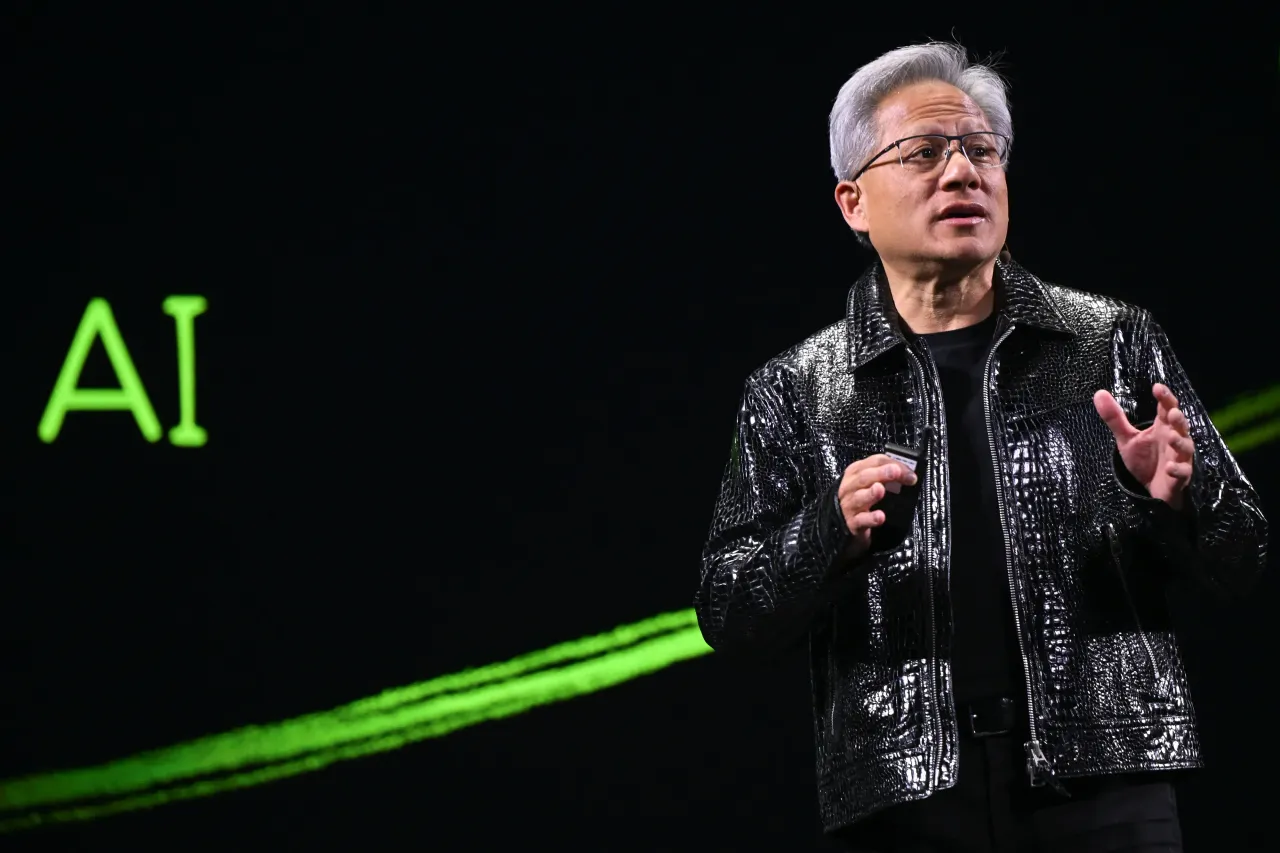
Jensen Huang: AI Becomes Modern Infrastructure
- AI Infrastructure Transformation: Jensen Huang emphasized that artificial intelligence is rapidly evolving into a foundational layer of modern infrastructure, akin to electricity and the internet, necessitating massive investments in hardware, energy generation, and data infrastructure to deliver real-time intelligence.
- Ecosystem Structure: He described the AI ecosystem as a stack of five interdependent layers, with energy at the base, followed by semiconductor processors for high-performance computing, then infrastructure including data centers and networking systems, culminating in AI models and applications that create economic value.
- Market Demand Outlook: Truist reiterated its 'Buy' rating on Nvidia and maintained a $283 price target, anticipating that the upcoming GTC conference will address chip supply, production capacity, and demand trends in the AI market, potentially serving as a positive catalyst for Nvidia.
- Stock Performance Analysis: Although Nvidia's stock inched down 0.2% in Tuesday's premarket, it has gained over 70% in the past 12 months, reflecting strong demand for AI processors and optimistic sentiment among investors.
See More

Market Update: Oil Price Drop and Tech Stock Upgrades


- Oil Price Fluctuations: U.S. benchmark WTI crude prices have fallen below $90 a barrel, despite being up over 50% year-to-date, indicating market optimism regarding improved U.S.-Iran relations, yet geopolitical risks continue to loom over oil prices.
- Tech Stock Rating Changes: Intuit was upgraded to buy from hold by Rothschild & Co Redburn, with its stock rising over 30% since late February, although it remains down 28.5% for the year, reflecting a recovery in market confidence in its software products.
- Cybersecurity Stock Bounce: Morgan Stanley upgraded CrowdStrike from hold to buy, with its stock up over 20% from last month's low, highlighting the positive impact of AI technology on the cybersecurity sector and indicating optimistic market expectations for future growth.
- Hewlett Packard Enterprise's Positive Outlook: Despite memory cost pressures, the company raised its full-year earnings outlook, with reported quarterly revenues slightly below expectations but gross margins and adjusted EPS exceeding forecasts, demonstrating strong demand in the data center buildout.
See More
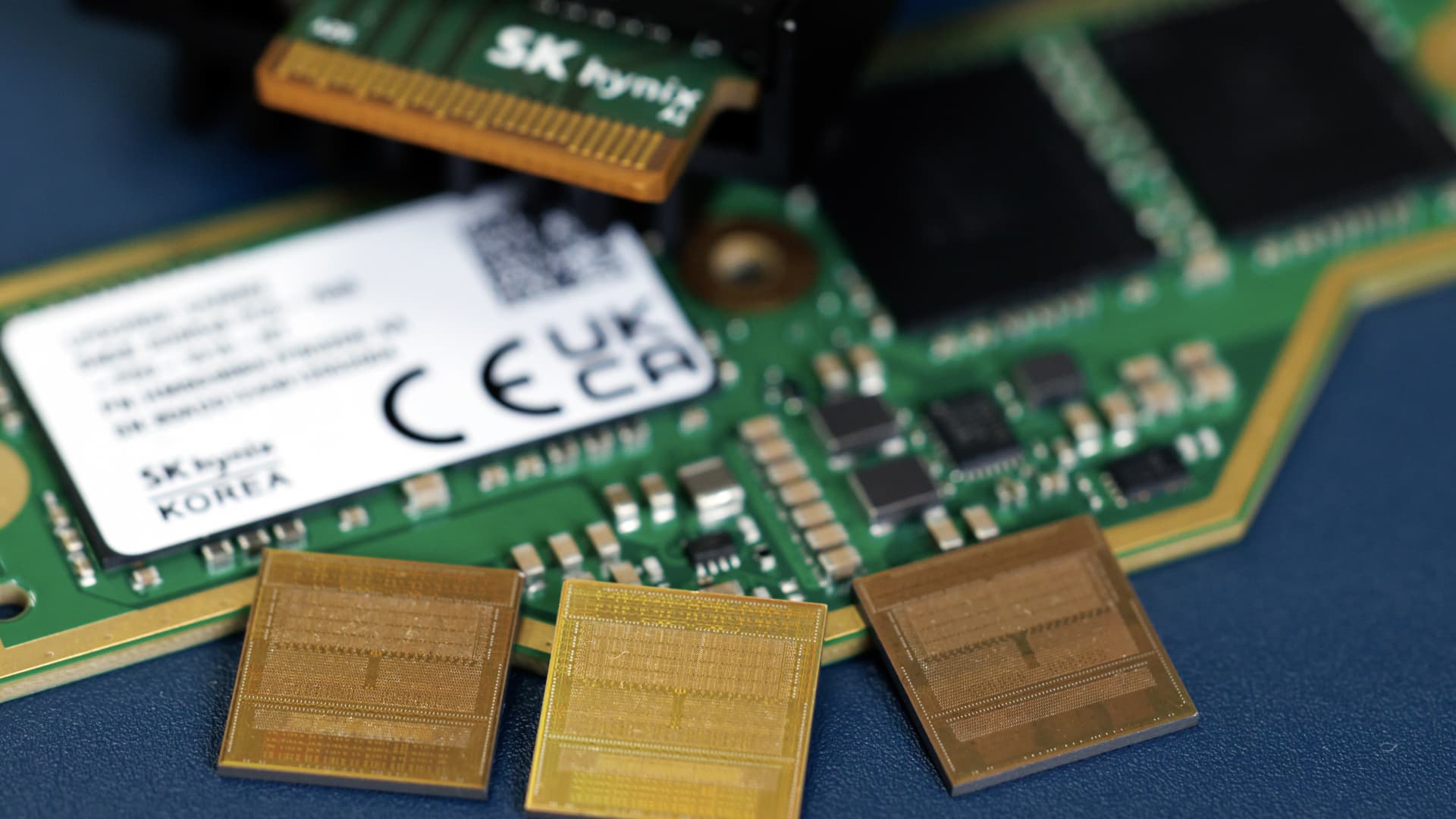
Middle East Conflict Intensifies Semiconductor Industry Impact

- Supply Chain Risks: The ongoing conflict in the Middle East poses significant risks to the semiconductor industry, particularly regarding the supply of critical materials like helium and bromine, with potential disruptions in helium production due to the closure of the Strait of Hormuz, which could lead to shocks in global semiconductor manufacturing.
- Market Value Loss: Since the onset of the conflict, SK Hynix and Samsung have collectively lost over $200 billion in market value, and although their stock prices have recently rebounded, concerns about future demand persist, potentially undermining investor confidence.
- Rising Energy Costs: Brent crude prices surged above $100, and the increase in energy costs will significantly raise operational expenses for AI data centers, which may lead to a reduction in demand for memory chips, thereby impacting the overall semiconductor market performance.
- DRAM Price Pressure: With rising production costs and shortages of key materials, DRAM prices may face downward pressure; although Samsung and SK Hynix currently have long-term supply contracts, the ongoing conflict could delay AI infrastructure builds, affecting future revenue expectations.
See More
Nvidia Stock Price Potential Analysis
- Significant Performance Growth: Nvidia achieved record revenue of $68 billion in Q4 of fiscal 2026, representing a 73% year-over-year increase, with earnings per share (EPS) soaring to $1.76, up 98%, demonstrating the strong demand driven by AI and solidifying its market leadership.
- Market Share Advantage: Nvidia holds a dominant 92% share in the data center GPU market, and with its leadership in AI and cloud computing, the company anticipates continued revenue growth, projecting first-quarter revenue of $78 billion, a 77% year-over-year increase, which will further enhance its competitive edge.
- Analyst Outlook: Tigress Financial analyst Ivan Feinseth reiterated a strong buy rating on Nvidia, raising the 12-month price target to $360, forecasting the company will generate $406 billion in revenue and $201 billion in operating profit over the next year, reflecting strong market confidence in its growth prospects.
- Investor Confidence Rebound: Despite concerns about an AI bubble shaking some investors, 90% of retail investors plan to maintain or increase their AI holdings, indicating long-term optimism for Nvidia, with the current stock price being relatively undervalued, presenting a buying opportunity for seasoned investors.
See More
Nvidia Stock Positioned for Potential Doubling
- Strong Market Demand: Nvidia's GPUs have become the primary hardware for training AI models, with revenue projected to grow by 70% to over $360 billion by fiscal 2027, indicating robust market demand and future growth potential in the AI sector.
- Profitability Surge: With a profit margin exceeding 50%, Nvidia is expected to become the most profitable company globally by year-end, surpassing Alphabet, showcasing its profitability and market leadership in a high-demand environment.
- Valuation Rebound Potential: Currently trading at a price-to-earnings ratio of about 22 times, significantly lower than the historical range of 40 to 50 times, if market sentiment improves, a return to a 45 times valuation could double the stock price, reflecting its reasonable valuation potential.
- Long-term Investment Confidence: Despite cautious market sentiment regarding the AI sector, hyperscalers are likely to continue investing in infrastructure, believing the risk of underinvestment is greater, suggesting that by 2026, market sentiment may recover, further driving Nvidia's stock price upward.
See More
Nvidia Makes Significant Investment in AI Startup Thinking Machines
- Undisclosed Investment Size: Nvidia announced a multi-year partnership with AI startup Thinking Machines, with the investment amount undisclosed, indicating Nvidia's ongoing commitment to the AI sector, potentially reinforcing its market leadership.
- Technical Support Plan: Thinking Machines plans to deploy at least one gigawatt of Nvidia's Vera Rubin systems to support its frontier model training and platform development, set for early next year, which will significantly enhance its AI development capabilities and accelerate product time-to-market.
- Collaboration with Industry Leaders: Nvidia CEO Jensen Huang stated that Thinking Machines has assembled a world-class team, and the partnership will advance the frontier of AI, underscoring Nvidia's core position in AI technology infrastructure and potentially attracting more partners.
- Funding Background: Thinking Machines raised $2 billion in July, achieving a valuation of $10 billion, with participants including Nvidia, AMD, and Andreessen Horowitz, providing strong market confidence and support for Nvidia's investment.
See More
Jensen Huang: AI Becomes Modern Infrastructure
- AI Infrastructure Transformation: Jensen Huang emphasized that artificial intelligence is rapidly evolving into a foundational layer of modern infrastructure, akin to electricity and the internet, necessitating massive investments in hardware, energy generation, and data infrastructure to deliver real-time intelligence.
- Ecosystem Structure: He described the AI ecosystem as a stack of five interdependent layers, with energy at the base, followed by semiconductor processors for high-performance computing, then infrastructure including data centers and networking systems, culminating in AI models and applications that create economic value.
- Market Demand Outlook: Truist reiterated its 'Buy' rating on Nvidia and maintained a $283 price target, anticipating that the upcoming GTC conference will address chip supply, production capacity, and demand trends in the AI market, potentially serving as a positive catalyst for Nvidia.
- Stock Performance Analysis: Although Nvidia's stock inched down 0.2% in Tuesday's premarket, it has gained over 70% in the past 12 months, reflecting strong demand for AI processors and optimistic sentiment among investors.
See More
Market Update: Oil Price Drop and Tech Stock Upgrades
- Oil Price Fluctuations: U.S. benchmark WTI crude prices have fallen below $90 a barrel, despite being up over 50% year-to-date, indicating market optimism regarding improved U.S.-Iran relations, yet geopolitical risks continue to loom over oil prices.
- Tech Stock Rating Changes: Intuit was upgraded to buy from hold by Rothschild & Co Redburn, with its stock rising over 30% since late February, although it remains down 28.5% for the year, reflecting a recovery in market confidence in its software products.
- Cybersecurity Stock Bounce: Morgan Stanley upgraded CrowdStrike from hold to buy, with its stock up over 20% from last month's low, highlighting the positive impact of AI technology on the cybersecurity sector and indicating optimistic market expectations for future growth.
- Hewlett Packard Enterprise's Positive Outlook: Despite memory cost pressures, the company raised its full-year earnings outlook, with reported quarterly revenues slightly below expectations but gross margins and adjusted EPS exceeding forecasts, demonstrating strong demand in the data center buildout.
See More
Middle East Conflict Intensifies Semiconductor Industry Impact
- Supply Chain Risks: The ongoing conflict in the Middle East poses significant risks to the semiconductor industry, particularly regarding the supply of critical materials like helium and bromine, with potential disruptions in helium production due to the closure of the Strait of Hormuz, which could lead to shocks in global semiconductor manufacturing.
- Market Value Loss: Since the onset of the conflict, SK Hynix and Samsung have collectively lost over $200 billion in market value, and although their stock prices have recently rebounded, concerns about future demand persist, potentially undermining investor confidence.
- Rising Energy Costs: Brent crude prices surged above $100, and the increase in energy costs will significantly raise operational expenses for AI data centers, which may lead to a reduction in demand for memory chips, thereby impacting the overall semiconductor market performance.
- DRAM Price Pressure: With rising production costs and shortages of key materials, DRAM prices may face downward pressure; although Samsung and SK Hynix currently have long-term supply contracts, the ongoing conflict could delay AI infrastructure builds, affecting future revenue expectations.
See More