

SDY Is a Popular Dividend ETF for Passive Income. But Is It the Best?
Investing in ETFs: Exchange-traded funds (ETFs) offer a flexible investment option that allows for real-time trading and often come with lower fees, making them an attractive alternative to traditional mutual funds. Dividend-focused ETFs, like the SPDR S&P Dividend ETF, can provide reliable income and long-term wealth growth through reinvested dividends.
Performance and Considerations: The SPDR S&P Dividend ETF has shown consistent performance over the years, focusing on companies that have increased their dividends for at least 20 consecutive years. While it offers solid returns, investors should also consider other dividend ETFs and the importance of dividend growth when selecting investments.
Trade with 70% Backtested Accuracy
Analyst Views on SDY
About the author

The Iran Conflict May Persist: Current Investment Opportunities for Success.


- Current Market Status: The Nasdaq is currently in a correction, having dropped over 10% from its recent highs.
- Bear Market Concerns: There are increasing fears that the Nasdaq may soon enter a bear market, defined as a decline of 20%.
- Wall Street Perspective: Despite the downturn, there is a common belief on Wall Street that opportunities for profit exist in other sectors.
- Market Sentiment: The overall sentiment reflects anxiety about the tech-heavy index's performance amidst potential further declines.
Locating Profitable Stocks During the Iran War Crisis


Current Market Status: The Nasdaq Composite is currently in a correction, having fallen over 10% from its recent highs.
Bear Market Concerns: There are increasing fears that the index may soon enter a bear market, defined as a decline of 20% or more.
Wall Street Perspective: Despite the downturn, the sentiment on Wall Street remains optimistic, suggesting that there are always opportunities for gains in other sectors.
Investment Outlook: Investors are encouraged to look for potential bull markets in different areas, even amidst the current challenges faced by the tech-heavy index.
Nvidia Is Thriving, While These Dividend ETFs Are Outperforming.


Market Rally: The market rally is expanding beyond just tech stocks, indicating a broader recovery.
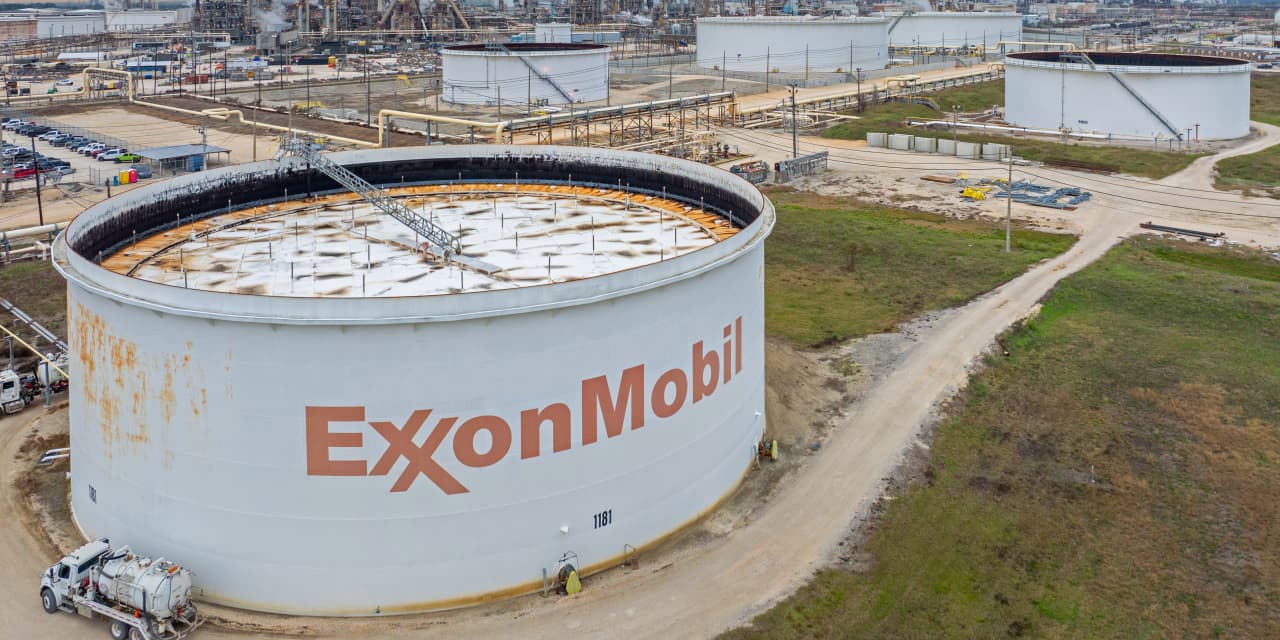
Dividend-Paying Stocks: Companies like Exxon Mobil, Walmart, Ford, and Coca-Cola are outperforming traditional tech favorites.

"Dow's Top Dividend Stocks Delivered Impressive Returns This Year"


- Performance of Dog of the Dow: The ten highest-yielding stocks in the Dow Jones Industrial Average have seen an average increase of 17.8% in 2025 through December 26.
- Comparison with Dow 30: This performance surpasses the overall gain of 14.5% for the Dow 30 during the same period.
- Appeal for Dividend Investors: The strong performance of these stocks highlights the attractiveness of dividend investing this year.
- Market Trends: The trend indicates a favorable environment for dividend-focused investment strategies within the Dow.

Dogs of the Dow Enjoyed a Successful Year: Discover the 10 Stocks for 2026.

- Performance of Dog of the Dow: The ten highest-yielding stocks in the Dow Jones Industrial Average have seen an average increase of 17.8% in 2025 as of December 26.
- Comparison with Dow 30: This performance surpasses the overall gain of 14.5% for the Dow 30 index during the same period.
- Focus on Dividend Investors: The year has been particularly favorable for dividend investors who focus on these high-yielding stocks.
- Market Trends: The trend indicates a strong preference for dividend-paying stocks among investors in the current market environment.

S&P 500 Q3 Share Buybacks Increase 6.2% to $249 Billion Following Q2 Drop

S&P 500 Buybacks Overview: In Q3 2025, S&P 500 share repurchases reached $249.0 billion, marking a 6.2% increase from Q2 2025 and a 9.9% rise from Q3 2024, with total buybacks surpassing $1 trillion for the second time in history.
Company Participation and Trends: A total of 333 companies reported buybacks of at least $5 million, a slight decrease from the previous quarter, while the top four companies (Apple, NVIDIA, Alphabet, and Meta) accounted for over 22% of the total buybacks.
Sector Spending Changes: Health Care and Financials saw significant increases in buyback spending, up 32.2% and 26.3% respectively, while Materials and Real Estate reduced their expenditures by 21.0% and 40.3%.
Dividends Update: S&P 500 dividends rose by 1.8% to $168.1 billion in Q3 2025, compared to $165.2 billion in Q2 2025, and were 7.0% higher than the $157.0 billion reported in Q3 2024.
The Iran Conflict May Persist: Current Investment Opportunities for Success.
- Current Market Status: The Nasdaq is currently in a correction, having dropped over 10% from its recent highs.
- Bear Market Concerns: There are increasing fears that the Nasdaq may soon enter a bear market, defined as a decline of 20%.
- Wall Street Perspective: Despite the downturn, there is a common belief on Wall Street that opportunities for profit exist in other sectors.
- Market Sentiment: The overall sentiment reflects anxiety about the tech-heavy index's performance amidst potential further declines.
Locating Profitable Stocks During the Iran War Crisis
Current Market Status: The Nasdaq Composite is currently in a correction, having fallen over 10% from its recent highs.
Bear Market Concerns: There are increasing fears that the index may soon enter a bear market, defined as a decline of 20% or more.
Wall Street Perspective: Despite the downturn, the sentiment on Wall Street remains optimistic, suggesting that there are always opportunities for gains in other sectors.
Investment Outlook: Investors are encouraged to look for potential bull markets in different areas, even amidst the current challenges faced by the tech-heavy index.
Nvidia Is Thriving, While These Dividend ETFs Are Outperforming.
Market Rally: The market rally is expanding beyond just tech stocks, indicating a broader recovery.
Dividend-Paying Stocks: Companies like Exxon Mobil, Walmart, Ford, and Coca-Cola are outperforming traditional tech favorites.
"Dow's Top Dividend Stocks Delivered Impressive Returns This Year"
- Performance of Dog of the Dow: The ten highest-yielding stocks in the Dow Jones Industrial Average have seen an average increase of 17.8% in 2025 through December 26.
- Comparison with Dow 30: This performance surpasses the overall gain of 14.5% for the Dow 30 during the same period.
- Appeal for Dividend Investors: The strong performance of these stocks highlights the attractiveness of dividend investing this year.
- Market Trends: The trend indicates a favorable environment for dividend-focused investment strategies within the Dow.
Dogs of the Dow Enjoyed a Successful Year: Discover the 10 Stocks for 2026.
- Performance of Dog of the Dow: The ten highest-yielding stocks in the Dow Jones Industrial Average have seen an average increase of 17.8% in 2025 as of December 26.
- Comparison with Dow 30: This performance surpasses the overall gain of 14.5% for the Dow 30 index during the same period.
- Focus on Dividend Investors: The year has been particularly favorable for dividend investors who focus on these high-yielding stocks.
- Market Trends: The trend indicates a strong preference for dividend-paying stocks among investors in the current market environment.
S&P 500 Q3 Share Buybacks Increase 6.2% to $249 Billion Following Q2 Drop
S&P 500 Buybacks Overview: In Q3 2025, S&P 500 share repurchases reached $249.0 billion, marking a 6.2% increase from Q2 2025 and a 9.9% rise from Q3 2024, with total buybacks surpassing $1 trillion for the second time in history.
Company Participation and Trends: A total of 333 companies reported buybacks of at least $5 million, a slight decrease from the previous quarter, while the top four companies (Apple, NVIDIA, Alphabet, and Meta) accounted for over 22% of the total buybacks.
Sector Spending Changes: Health Care and Financials saw significant increases in buyback spending, up 32.2% and 26.3% respectively, while Materials and Real Estate reduced their expenditures by 21.0% and 40.3%.
Dividends Update: S&P 500 dividends rose by 1.8% to $168.1 billion in Q3 2025, compared to $165.2 billion in Q2 2025, and were 7.0% higher than the $157.0 billion reported in Q3 2024.





