RWWM, Inc. Increases Stake in Whirlpool Corporation
Written by Emily J. Thompson, Senior Investment Analyst
Updated: Feb 24 2026
0mins


Should l Buy WHR?
Source: NASDAQ.COM
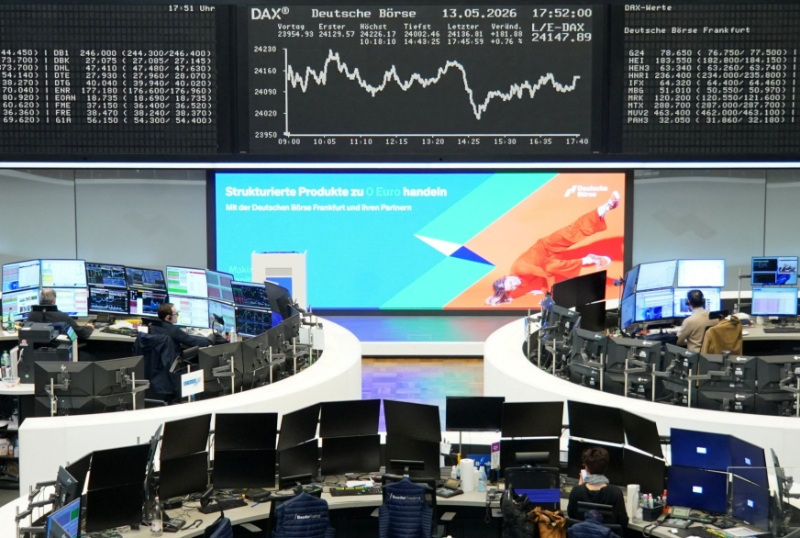
- Increased Holdings: On February 12, 2026, RWWM, Inc. purchased an additional 275,389 shares of Whirlpool, with an estimated transaction value of $20.33 million, reflecting the firm's ongoing confidence in Whirlpool.
- Stake Value Growth: Following this transaction, RWWM's total Whirlpool shares increased to 830,769, with a quarter-end stake value rising to $59.93 million, an increase of $16.28 million, indicating a positive impact from stock price movements.
- Market Performance Analysis: Whirlpool's stock is priced at $90.41, down 2.3% year-over-year and underperforming the S&P 500 by 15.2 percentage points, highlighting the pressures the company faces in the market.
- Industry Outlook Challenges: High mortgage rates have dampened home sales and new construction, impacting demand for Whirlpool's products; while replacement demand offers some support, a lasting recovery in earnings will likely require a clear improvement in housing market conditions.
Trade with 70% Backtested Accuracy
Stop guessing "Should I Buy WHR?" and start using high-conviction signals backed by rigorous historical data.
Sign up today to access powerful investing tools and make smarter, data-driven decisions.
Analyst Views on WHR
Wall Street analysts forecast WHR stock price to rise
4 Analyst Rating
0 Buy
2 Hold
2 Sell
Moderate Sell
Current: 39.990

Low
51.00
Averages
64.50
High
78.00
Current: 39.990
Low
51.00
Averages
64.50
High
78.00
About WHR
Whirlpool Corporation is a home appliance company. The Company is a manufacturer of kitchen and laundry appliances. Its segments include Major Domestic Appliances (MDA) North America; MDA Latin America; MDA Asia, and Small Domestic Appliances (SDA) Global. The Company in the United States and Canada, market and distributes home appliances and other consumer products under the Whirlpool, KitchenAid, Maytag, Amana, InSinkErator, JennAir, affresh, Swash, everydrop, and Gladiator brand names to retailers, distributors, and builders, and directly to consumers. In Latin America, the Company produces, market and distributes primarily Consul, Brastemp, Whirlpool, KitchenAid, Acros, Maytag, and Eslabon de Lujo brand names. In Asia, the Company market primarily under the Whirlpool, Elica, Maytag, KitchenAid, and Indesit brand names. In SDA Global, the Company markets the appliances under the KitchenAid brand name to retailers, distributors, and to consumers.
About the author

Emily J. Thompson
Emily J. Thompson, a Chartered Financial Analyst (CFA) with 12 years in investment research, graduated with honors from the Wharton School. Specializing in industrial and technology stocks, she provides in-depth analysis for Intellectia’s earnings and market brief reports.

Global Companies Face Over $25 Billion Loss Due to War

- Economic Loss from War: According to a Reuters analysis, global companies have incurred losses of at least $25 billion since the conflict began, facing dual pressures from soaring energy prices and disrupted supply chains, leading to production cuts and price increases that threaten overall economic stability.
- Industry Response Measures: At least 279 companies have taken defensive actions due to the war, including suspending dividends, laying off staff, and seeking government assistance, highlighting the vulnerability of businesses in navigating uncertainty, especially following the pandemic and the Ukraine war.
- Surge in Energy Costs: Iran's blockade of the Strait of Hormuz has pushed oil prices above $100 per barrel, more than 50% higher than before the war, resulting in increased shipping costs and tight raw material supplies, impacting multiple sectors including automotive and consumer goods.
- Profit Expectations Downgraded: As costs rise, analysts predict profit margins will be threatened, with S&P 500 industrials' net profit margin forecasts cut by 0.38 percentage points, indicating the potential impact of economic slowdown on corporate earnings.
See More

Whirlpool Corporation Securities Investigation Announced
- Investigation Launched: The Schall Law Firm has announced an investigation into Whirlpool Corporation, focusing on whether the company issued false or misleading statements that could harm investor rights, potentially impacting the company's reputation.
- Declining Financial Performance: Whirlpool reported a decrease in net sales and a GAAP net loss for Q1 2026, primarily attributed to a significant industry decline and unfavorable price/mix, reflecting the challenging market environment.
- Industry Impact Factors: The company noted that the Supreme Court's IEEPA ruling and anticipated refunds disrupted industry pricing, further exacerbating sales pressure, highlighting the direct influence of external legal and market factors on company performance.
- Investor Rights Protection: The Schall Law Firm encourages affected investors to reach out for discussions about their rights, demonstrating the firm's commitment to providing legal support and emphasizing the importance of investor rights.
See More
Whirlpool Faces Demand Crisis Similar to 2008

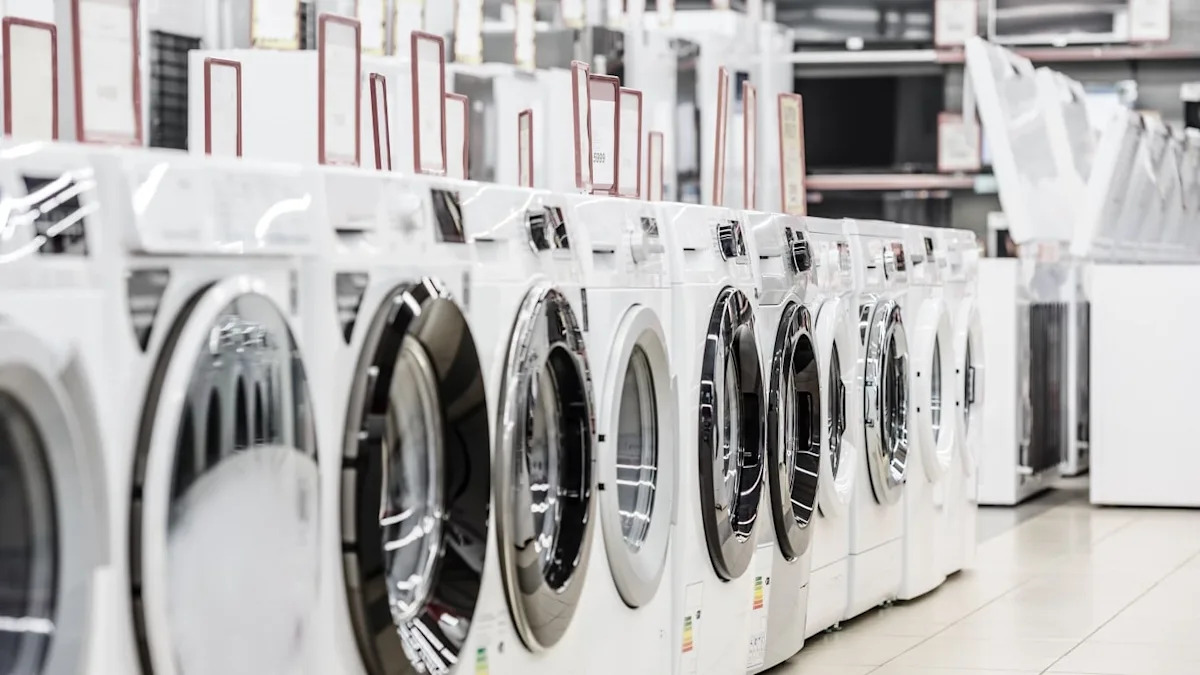
- Demand Decline: Whirlpool's CEO Marc Bitzer indicated during the latest earnings call that the current decline in industry demand is comparable to the 2008 financial crisis and even more severe, resulting in a 12% drop in stock price, reflecting a significant decrease in consumer confidence.
- Deteriorating Financials: The company's Q1 revenue was $3.27 billion, down 9.6% year-over-year, with North America's EBIT collapsing 96% to just $6 million, indicating that households are delaying big-ticket appliance purchases, which adversely affects overall financial health.
- Price Increases and Dividend Suspension: In response to the demand slump, Whirlpool implemented its largest price hike in over a decade and suspended its common dividend to fund deleveraging, a strategy that may further suppress consumer purchasing willingness in the short term.
- Uncertain Market Outlook: While macroeconomic signals suggest caution, Whirlpool's specific indicators reflect outright panic, with analysts projecting future EPS between $3.00 and $3.50 against a market cap of less than $3 billion, highlighting the need for investors to carefully assess its financial situation.
See More

Whirlpool Under Investigation for Securities Fraud Claims
- Declining Financial Performance: Whirlpool reported Q1 2026 net sales of $3.273 billion, a 9.6% decrease year-over-year, indicating weakened market competitiveness that could undermine investor confidence moving forward.
- Deteriorating Profitability: The company disclosed a GAAP net loss of $85 million compared to a profit of $71 million in the prior year, highlighting increased financial pressure that may erode shareholder trust in management.
- Challenges in North America: Whirlpool's North American net sales fell 7.5% year-over-year, with EBIT dropping to $6 million and EBIT margin declining from 6.2% to 0.3%, reflecting adverse impacts from overall industry weakness and unfavorable price/mix, which may affect future market strategies.
- Significant Stock Price Drop: Following the earnings report, Whirlpool's stock price fell by $6.52, or 11.91%, closing at $48.21, indicating market pessimism regarding the company's outlook and prompting investors to reassess its value.
See More

Latest Wall Street Rating Updates

- Nvidia Price Target Raised: UBS raised Nvidia's price target from $245 to $275, anticipating first-quarter revenue around $81 billion, suggesting a $3 billion beat against market expectations, highlighting the company's robust growth potential in the AI sector.
- Amazon Alexa Shopping Advantage: Bank of America reiterated its buy rating on Amazon, stating that the new Alexa for Shopping will replace Rufus, leveraging personalized recommendations to enhance user experience and further solidify Amazon's leadership in the e-commerce market.
- Apple Stock Price Target Increase: Evercore raised Apple's price target from $330 to $365, projecting that even with modest iPhone unit growth, the company can achieve low to mid-teens EPS and free cash flow growth due to durable services growth and ASP tailwinds from premium models.
- Starbucks Price Target Upgraded: TD Cowen raised Starbucks' price target from $106 to $120, citing multiple tangible drivers for positive sales revisions in a strong market backdrop, and forecasting margin recovery as labor investments are prioritized.
See More

US Consumer Confidence Remains Low Amid Economic Disruptions

- Low Consumer Confidence: The University of Michigan's survey indicates that the consumer confidence index fell to an all-time low in May, reflecting persistent pessimism among American consumers who have faced multiple economic shocks, highlighting the fragility of economic recovery.
- Inflation's Lasting Impact: Although the annual inflation rate has cooled, consumers still feel the pressure from cumulative price increases over the past decade, leading to a decrease in their willingness to spend, which negatively affects overall economic activity.
- Frequent Economic Shocks: Economists note that consumers lack the time to recover from one economic jolt before another arises, with future economic stability being crucial for restoring confidence in the coming months.
- Strong Consumer Spending: Despite low confidence, consumers continue to spend, with companies like Uber and Disney reporting robust customer spending, indicating a weakening traditional correlation between consumer sentiment and spending behavior.
See More
Global Companies Face Over $25 Billion Loss Due to War
- Economic Loss from War: According to a Reuters analysis, global companies have incurred losses of at least $25 billion since the conflict began, facing dual pressures from soaring energy prices and disrupted supply chains, leading to production cuts and price increases that threaten overall economic stability.
- Industry Response Measures: At least 279 companies have taken defensive actions due to the war, including suspending dividends, laying off staff, and seeking government assistance, highlighting the vulnerability of businesses in navigating uncertainty, especially following the pandemic and the Ukraine war.
- Surge in Energy Costs: Iran's blockade of the Strait of Hormuz has pushed oil prices above $100 per barrel, more than 50% higher than before the war, resulting in increased shipping costs and tight raw material supplies, impacting multiple sectors including automotive and consumer goods.
- Profit Expectations Downgraded: As costs rise, analysts predict profit margins will be threatened, with S&P 500 industrials' net profit margin forecasts cut by 0.38 percentage points, indicating the potential impact of economic slowdown on corporate earnings.
See More
Whirlpool Corporation Securities Investigation Announced
- Investigation Launched: The Schall Law Firm has announced an investigation into Whirlpool Corporation, focusing on whether the company issued false or misleading statements that could harm investor rights, potentially impacting the company's reputation.
- Declining Financial Performance: Whirlpool reported a decrease in net sales and a GAAP net loss for Q1 2026, primarily attributed to a significant industry decline and unfavorable price/mix, reflecting the challenging market environment.
- Industry Impact Factors: The company noted that the Supreme Court's IEEPA ruling and anticipated refunds disrupted industry pricing, further exacerbating sales pressure, highlighting the direct influence of external legal and market factors on company performance.
- Investor Rights Protection: The Schall Law Firm encourages affected investors to reach out for discussions about their rights, demonstrating the firm's commitment to providing legal support and emphasizing the importance of investor rights.
See More
Whirlpool Faces Demand Crisis Similar to 2008
- Demand Decline: Whirlpool's CEO Marc Bitzer indicated during the latest earnings call that the current decline in industry demand is comparable to the 2008 financial crisis and even more severe, resulting in a 12% drop in stock price, reflecting a significant decrease in consumer confidence.
- Deteriorating Financials: The company's Q1 revenue was $3.27 billion, down 9.6% year-over-year, with North America's EBIT collapsing 96% to just $6 million, indicating that households are delaying big-ticket appliance purchases, which adversely affects overall financial health.
- Price Increases and Dividend Suspension: In response to the demand slump, Whirlpool implemented its largest price hike in over a decade and suspended its common dividend to fund deleveraging, a strategy that may further suppress consumer purchasing willingness in the short term.
- Uncertain Market Outlook: While macroeconomic signals suggest caution, Whirlpool's specific indicators reflect outright panic, with analysts projecting future EPS between $3.00 and $3.50 against a market cap of less than $3 billion, highlighting the need for investors to carefully assess its financial situation.
See More
Whirlpool Under Investigation for Securities Fraud Claims
- Declining Financial Performance: Whirlpool reported Q1 2026 net sales of $3.273 billion, a 9.6% decrease year-over-year, indicating weakened market competitiveness that could undermine investor confidence moving forward.
- Deteriorating Profitability: The company disclosed a GAAP net loss of $85 million compared to a profit of $71 million in the prior year, highlighting increased financial pressure that may erode shareholder trust in management.
- Challenges in North America: Whirlpool's North American net sales fell 7.5% year-over-year, with EBIT dropping to $6 million and EBIT margin declining from 6.2% to 0.3%, reflecting adverse impacts from overall industry weakness and unfavorable price/mix, which may affect future market strategies.
- Significant Stock Price Drop: Following the earnings report, Whirlpool's stock price fell by $6.52, or 11.91%, closing at $48.21, indicating market pessimism regarding the company's outlook and prompting investors to reassess its value.
See More
Latest Wall Street Rating Updates
- Nvidia Price Target Raised: UBS raised Nvidia's price target from $245 to $275, anticipating first-quarter revenue around $81 billion, suggesting a $3 billion beat against market expectations, highlighting the company's robust growth potential in the AI sector.
- Amazon Alexa Shopping Advantage: Bank of America reiterated its buy rating on Amazon, stating that the new Alexa for Shopping will replace Rufus, leveraging personalized recommendations to enhance user experience and further solidify Amazon's leadership in the e-commerce market.
- Apple Stock Price Target Increase: Evercore raised Apple's price target from $330 to $365, projecting that even with modest iPhone unit growth, the company can achieve low to mid-teens EPS and free cash flow growth due to durable services growth and ASP tailwinds from premium models.
- Starbucks Price Target Upgraded: TD Cowen raised Starbucks' price target from $106 to $120, citing multiple tangible drivers for positive sales revisions in a strong market backdrop, and forecasting margin recovery as labor investments are prioritized.
See More
US Consumer Confidence Remains Low Amid Economic Disruptions
- Low Consumer Confidence: The University of Michigan's survey indicates that the consumer confidence index fell to an all-time low in May, reflecting persistent pessimism among American consumers who have faced multiple economic shocks, highlighting the fragility of economic recovery.
- Inflation's Lasting Impact: Although the annual inflation rate has cooled, consumers still feel the pressure from cumulative price increases over the past decade, leading to a decrease in their willingness to spend, which negatively affects overall economic activity.
- Frequent Economic Shocks: Economists note that consumers lack the time to recover from one economic jolt before another arises, with future economic stability being crucial for restoring confidence in the coming months.
- Strong Consumer Spending: Despite low confidence, consumers continue to spend, with companies like Uber and Disney reporting robust customer spending, indicating a weakening traditional correlation between consumer sentiment and spending behavior.
See More