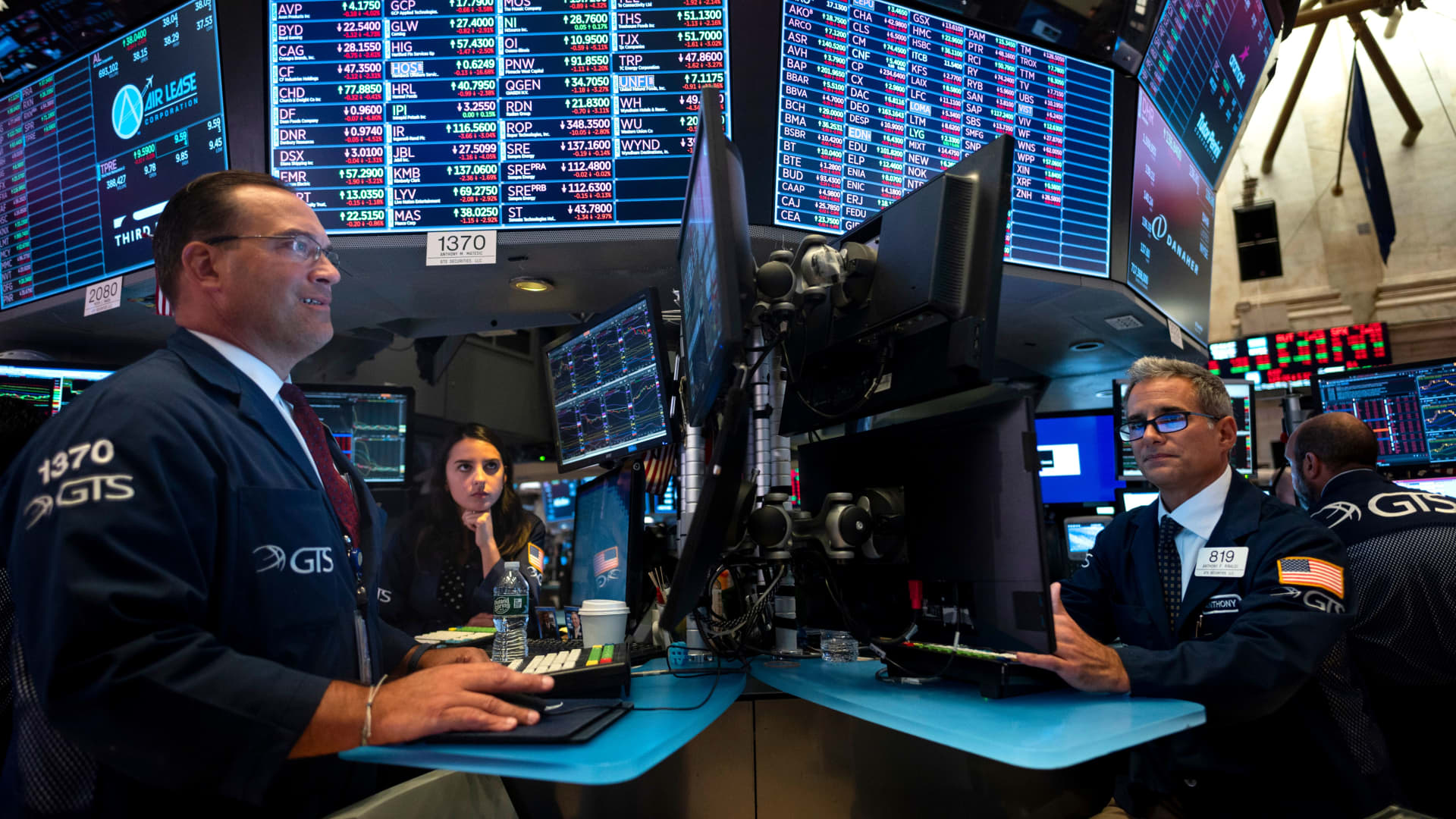
Post Holdings Appoints New CEO for Consumer Brands
Written by Emily J. Thompson, Senior Investment Analyst
Updated: Feb 05 2026
0mins
Should l Buy POST?
Source: PRnewswire
- Executive Transition: Post Holdings announced that Greg Pearson will become the President and CEO of Post Consumer Brands effective April 1, 2026, succeeding Nicolas Catoggio, who took on the role of EVP and COO in January 2026, indicating a strategic leadership shift within the company.
- Extensive Experience: Pearson brings 25 years of experience in the consumer packaged goods industry, having served as CEO of Compana Pet Brands where he successfully optimized supply chains and reshaped commercial strategies, which is expected to drive new growth for Post Consumer Brands.
- Proven Track Record: While leading Pretzels, Inc. as CEO, Pearson implemented various growth and operational initiatives that culminated in the successful sale of the company to Hershey Company in 2021, showcasing his capability in business transformation.
- Smooth Transition: Catoggio and Pearson will work closely over the coming months to ensure a seamless leadership transition, aiming to maintain the ongoing success and competitive edge of Post Consumer Brands.
Trade with 70% Backtested Accuracy
Stop guessing "Should I Buy POST?" and start using high-conviction signals backed by rigorous historical data.
Sign up today to access powerful investing tools and make smarter, data-driven decisions.
Analyst Views on POST
Wall Street analysts forecast POST stock price to rise
7 Analyst Rating
6 Buy
1 Hold
0 Sell
Strong Buy
Current: 102.990

Low
108.00
Averages
121.71
High
130.00
Current: 102.990
Low
108.00
Averages
121.71
High
130.00
About POST
Post Holdings, Inc. is a consumer-packaged goods holding company with businesses operating in the center-of-the-store, refrigerated, foodservice and food ingredient categories. Its businesses include Post Consumer Brands, Weetabix, Michael Foods, and Bob Evans Farms. Its segments include Post Consumer Brands, Weetabix, Foodservice, and Refrigerated Retail. Post Consumer Brands segment manufactures, markets and sells human and pet food products, primarily in the ready-to-eat (RTE) cereal, granola, hot cereal, nut butter and dog and cat food categories in North America. Weetabix segment markets and distributes branded and private label RTE cereal products. Weetabix is a manufacturer's breakfast cereals category, with its brands being Weetabix and Alpen. Foodservice segment produces and distributes egg and potato products through the foodservice and food ingredient channels. Refrigerated Retail segment produces and distributes side dishes, eggs and egg products, sausage, and others.
About the author

Emily J. Thompson
Emily J. Thompson, a Chartered Financial Analyst (CFA) with 12 years in investment research, graduated with honors from the Wharton School. Specializing in industrial and technology stocks, she provides in-depth analysis for Intellectia’s earnings and market brief reports.

Post Holdings Q2 Earnings Beat Expectations

- Earnings Beat: Post Holdings reported a Q2 Non-GAAP EPS of $1.94, exceeding expectations by $0.19, indicating strong profitability despite revenue falling short of projections.
- Revenue Growth Lags: Revenue increased by 4.6% year-over-year to $2.04 billion, yet missed expectations by $30 million, reflecting intensified market competition and fluctuations in consumer demand impacting sales.
- Stable Outlook: Management affirmed its fiscal year 2026 adjusted EBITDA guidance range of $1.55 billion to $1.58 billion, demonstrating confidence in future profitability despite external challenges.
- Capital Expenditure Plans: Projected capital expenditures for fiscal year 2026 are expected to range between $350 million and $390 million, including ongoing investments in cage-free egg facility expansion and the completion of the Norwalk, Iowa precooked egg facility expansion, totaling $80 million to $90 million.
See More
Post Holdings Reports Strong Q2 Results with Increased Earnings
- Significant Sales Growth: Post Holdings reported net sales of $2.0429 billion for Q2, a 4.7% increase year-over-year, including $152.3 million from acquisitions, indicating strong market performance and successful acquisition strategies.
- Improved Profitability: The company achieved a gross profit of $617.6 million in Q2, representing 30.2% of net sales, up 13.2% from the previous year, demonstrating effective cost control and pricing strategies.
- Increased Adjusted Net Earnings: Adjusted net earnings for Q2 reached $104.7 million, an 18.1% increase from $88.7 million in the prior year, reflecting improvements in operational efficiency and market demand.
- Enhanced Shareholder Returns: The company repurchased 3.3 million shares for $331 million in Q2, emphasizing its commitment to shareholder returns, while the board approved a new $600 million share repurchase authorization, further boosting market confidence.
See More

BellRing Brands Shares Plunge 46.9% After Disappointing Q2 Report

- Disappointing Performance: BellRing Brands reported only 2% year-over-year sales growth in Q2 2026, significantly below the analyst consensus of 3.5%, with adjusted earnings plummeting from $0.53 to $0.14 per share, indicating weakness in market competitiveness.
- Guidance Downgrade: Management has revised full-year sales growth expectations down from 5% to 1%, with adjusted EBITDA now projected at approximately $325 million, a 25% reduction from the previous estimate of $433 million, reflecting a challenging market environment.
- Intensifying Competition: The sales growth of BellRing Brands has heavily relied on deep discount promotions, which have eroded profit margins and raised concerns about organic demand, as the CEO noted that retailers will focus on the most successful brands amidst increasing competition in the protein shake market.
- Stock Volatility: BellRing's stock has crashed 87% over the past year, trading at just 6.8 times trailing earnings, presenting investors with either a potential turnaround opportunity or the risk of further declines, leaving the market uncertain about its future performance.
See More

BellRing Brands Stock Plummets After Q2 Earnings Miss
- Earnings Decline: BellRing Brands reported a significant drop in adjusted earnings per share from $0.53 to $0.14 for Q2 FY2026, falling short of the analyst consensus of $0.32, which triggered a nearly 47% plunge in stock price, indicating severe deterioration in profitability.
- Weak Sales Growth: Although the company achieved a 2% year-over-year sales growth in Q2, management has lowered its full-year sales growth forecast to 1%, down from 5% three months ago, highlighting significant challenges in market competition, particularly under pressure from discount promotions.
- Margin Pressure: The company's profit margins have been severely impacted by deep discount promotions and rising raw material costs, with adjusted EBITDA now expected to be approximately $325 million, a 25% decrease from the previous guidance of $433 million, reflecting difficulties in maintaining profitability.
- Intensifying Competition: CEO Darcy Davenport, who is set to retire, noted that BellRing faces increasing competition in the protein shake market, especially within warehouse club retail channels, suggesting that future market share will be increasingly concentrated among successful brands, adding strategic pressure on the company.
See More

Investment Opportunities in Consumer Goods Amid Market Volatility


- Post Holdings Potential: Post Holdings (POST), a cereal and convenience food company, is projected to achieve significant earnings growth over the next 12 months, with a market cap of $4.9 billion and a stock price of $101.59, indicating strong pricing power and stability amid market volatility.
- Utz Brands Market Positioning: Utz Brands (UTZ) focuses on high-velocity products while cutting underperforming units, and despite limited media coverage, it holds a significant position in the salty snack market characterized by strong brand loyalty, showcasing robust long-term investment value.
- Hormel Foods Resilience: Hormel Foods (HRL), a 'Dividend King' with 60 consecutive years of dividend increases, currently has a market cap of $12 billion and a stock price of $21.16, attracting consumers during economic downturns and demonstrating stability and appeal in uncertain markets.
- Clorox Innovation Investment: Clorox (CLX), while facing private-label competition, is investing in innovation and marketing to maintain market share, with a market cap of $13 billion and a stock price of $104.58, indicating its long-term investment potential in the essential goods market.
See More

Consumer Brands Show Resilience in Volatile Markets
- Demand Stability Advantage: Consumer brands like Post Holdings and Hormel Foods benefit from steady demand even in uncertain markets, showcasing their resilience as long-term holds, particularly during market turmoil.
- Identifying Investment Opportunities: Volatile periods often reveal specific companies that may be undervalued due to noise, presenting excellent entry points, especially for businesses with durable demand and clear execution strategies.
- Hormel Foods' Diversification Strategy: Hormel Foods captures market share by offering both branded pricing power and private-label manufacturing, allowing it to retain customers who trade down, while its 60 consecutive years of dividend increases make it a solid investment choice.
- Bath & Body Works Risk Warning: Despite Bath & Body Works trading at a low valuation, major investors are exiting due to declining sales and lowered guidance, highlighting the importance of company performance and market confidence amid economic uncertainty.
See More
Post Holdings Q2 Earnings Beat Expectations
- Earnings Beat: Post Holdings reported a Q2 Non-GAAP EPS of $1.94, exceeding expectations by $0.19, indicating strong profitability despite revenue falling short of projections.
- Revenue Growth Lags: Revenue increased by 4.6% year-over-year to $2.04 billion, yet missed expectations by $30 million, reflecting intensified market competition and fluctuations in consumer demand impacting sales.
- Stable Outlook: Management affirmed its fiscal year 2026 adjusted EBITDA guidance range of $1.55 billion to $1.58 billion, demonstrating confidence in future profitability despite external challenges.
- Capital Expenditure Plans: Projected capital expenditures for fiscal year 2026 are expected to range between $350 million and $390 million, including ongoing investments in cage-free egg facility expansion and the completion of the Norwalk, Iowa precooked egg facility expansion, totaling $80 million to $90 million.
See More
Post Holdings Reports Strong Q2 Results with Increased Earnings
- Significant Sales Growth: Post Holdings reported net sales of $2.0429 billion for Q2, a 4.7% increase year-over-year, including $152.3 million from acquisitions, indicating strong market performance and successful acquisition strategies.
- Improved Profitability: The company achieved a gross profit of $617.6 million in Q2, representing 30.2% of net sales, up 13.2% from the previous year, demonstrating effective cost control and pricing strategies.
- Increased Adjusted Net Earnings: Adjusted net earnings for Q2 reached $104.7 million, an 18.1% increase from $88.7 million in the prior year, reflecting improvements in operational efficiency and market demand.
- Enhanced Shareholder Returns: The company repurchased 3.3 million shares for $331 million in Q2, emphasizing its commitment to shareholder returns, while the board approved a new $600 million share repurchase authorization, further boosting market confidence.
See More
BellRing Brands Shares Plunge 46.9% After Disappointing Q2 Report
- Disappointing Performance: BellRing Brands reported only 2% year-over-year sales growth in Q2 2026, significantly below the analyst consensus of 3.5%, with adjusted earnings plummeting from $0.53 to $0.14 per share, indicating weakness in market competitiveness.
- Guidance Downgrade: Management has revised full-year sales growth expectations down from 5% to 1%, with adjusted EBITDA now projected at approximately $325 million, a 25% reduction from the previous estimate of $433 million, reflecting a challenging market environment.
- Intensifying Competition: The sales growth of BellRing Brands has heavily relied on deep discount promotions, which have eroded profit margins and raised concerns about organic demand, as the CEO noted that retailers will focus on the most successful brands amidst increasing competition in the protein shake market.
- Stock Volatility: BellRing's stock has crashed 87% over the past year, trading at just 6.8 times trailing earnings, presenting investors with either a potential turnaround opportunity or the risk of further declines, leaving the market uncertain about its future performance.
See More
BellRing Brands Stock Plummets After Q2 Earnings Miss
- Earnings Decline: BellRing Brands reported a significant drop in adjusted earnings per share from $0.53 to $0.14 for Q2 FY2026, falling short of the analyst consensus of $0.32, which triggered a nearly 47% plunge in stock price, indicating severe deterioration in profitability.
- Weak Sales Growth: Although the company achieved a 2% year-over-year sales growth in Q2, management has lowered its full-year sales growth forecast to 1%, down from 5% three months ago, highlighting significant challenges in market competition, particularly under pressure from discount promotions.
- Margin Pressure: The company's profit margins have been severely impacted by deep discount promotions and rising raw material costs, with adjusted EBITDA now expected to be approximately $325 million, a 25% decrease from the previous guidance of $433 million, reflecting difficulties in maintaining profitability.
- Intensifying Competition: CEO Darcy Davenport, who is set to retire, noted that BellRing faces increasing competition in the protein shake market, especially within warehouse club retail channels, suggesting that future market share will be increasingly concentrated among successful brands, adding strategic pressure on the company.
See More
Investment Opportunities in Consumer Goods Amid Market Volatility
- Post Holdings Potential: Post Holdings (POST), a cereal and convenience food company, is projected to achieve significant earnings growth over the next 12 months, with a market cap of $4.9 billion and a stock price of $101.59, indicating strong pricing power and stability amid market volatility.
- Utz Brands Market Positioning: Utz Brands (UTZ) focuses on high-velocity products while cutting underperforming units, and despite limited media coverage, it holds a significant position in the salty snack market characterized by strong brand loyalty, showcasing robust long-term investment value.
- Hormel Foods Resilience: Hormel Foods (HRL), a 'Dividend King' with 60 consecutive years of dividend increases, currently has a market cap of $12 billion and a stock price of $21.16, attracting consumers during economic downturns and demonstrating stability and appeal in uncertain markets.
- Clorox Innovation Investment: Clorox (CLX), while facing private-label competition, is investing in innovation and marketing to maintain market share, with a market cap of $13 billion and a stock price of $104.58, indicating its long-term investment potential in the essential goods market.
See More
Consumer Brands Show Resilience in Volatile Markets
- Demand Stability Advantage: Consumer brands like Post Holdings and Hormel Foods benefit from steady demand even in uncertain markets, showcasing their resilience as long-term holds, particularly during market turmoil.
- Identifying Investment Opportunities: Volatile periods often reveal specific companies that may be undervalued due to noise, presenting excellent entry points, especially for businesses with durable demand and clear execution strategies.
- Hormel Foods' Diversification Strategy: Hormel Foods captures market share by offering both branded pricing power and private-label manufacturing, allowing it to retain customers who trade down, while its 60 consecutive years of dividend increases make it a solid investment choice.
- Bath & Body Works Risk Warning: Despite Bath & Body Works trading at a low valuation, major investors are exiting due to declining sales and lowered guidance, highlighting the importance of company performance and market confidence amid economic uncertainty.
See More