Pokémon Card Market Experiences Renaissance
Written by Emily J. Thompson, Senior Investment Analyst
Updated: May 22 2026
0mins


Source: CNBC
- Price Surge: According to an index by Collectors, Pokémon card prices have skyrocketed by 1,350% since 2020, significantly outpacing traditional asset classes, attracting high-net-worth individuals and cryptocurrency investors, indicating robust market demand and investment potential.
- Market Hype: In 2023, The Pokémon Company continues to release new card sets, particularly special 30th-anniversary products, driving excitement and attracting a wave of young collectors and investors, creating a new collecting frenzy.
- Increased Speculation: Due to the scarcity of cards, many scalpers quickly buy up new releases and resell them at inflated prices, leading to market volatility and panic among consumers who feel compelled to purchase quickly to avoid missing out, further driving up prices.
- Collectors vs. Speculators: Despite the influx of speculators, many genuine collectors are still pursuing complete card sets, providing stability to the market and demonstrating the enduring appeal of collecting culture.
Trade with 70% Backtested Accuracy
Stop guessing "Should I Buy COST?" and start using high-conviction signals backed by rigorous historical data.
Sign up today to access powerful investing tools and make smarter, data-driven decisions.
Analyst Views on COST
Wall Street analysts forecast COST stock price to rise
24 Analyst Rating
19 Buy
4 Hold
1 Sell
Strong Buy
Current: 924.670

Low
769.00
Averages
1061
High
1205
Current: 924.670
Low
769.00
Averages
1061
High
1205
About COST
Costco Wholesale Corporation (Costco) operates membership warehouses and e-commerce sites that offer a selection of nationally branded and private-label products in a wide range of categories. The Company buys the majority of its merchandise directly from suppliers and route it to cross-docking consolidation points (depots) or directly to its warehouses. It operates 891 warehouses, including 614 in the United States and Puerto Rico, 108 in Canada, 40 in Mexico, 35 in Japan, 29 in the United Kingdom, 19 in Korea, 15 in Australia, 14 in Taiwan, seven in China, five in Spain, two in France, and one each in Iceland, New Zealand and Sweden. It also operates e-commerce sites in the United States, Canada, the United Kingdom, Mexico, Korea, Taiwan, Japan and Australia. The Company provides wide selection of merchandise, plus the convenience of specialty departments and exclusive member services.
About the author

Emily J. Thompson
Emily J. Thompson, a Chartered Financial Analyst (CFA) with 12 years in investment research, graduated with honors from the Wharton School. Specializing in industrial and technology stocks, she provides in-depth analysis for Intellectia’s earnings and market brief reports.

Target Stock Rebounds, Investor Confidence Restored


- Sales Growth Recovery: Target reported a 7% year-over-year net sales growth in Q1 2026, although below Costco's 10%, this performance significantly boosted investor optimism, indicating a gradual recovery in market competitiveness.
- P/E Ratio Advantage: With a P/E ratio of 18, Target is well below Walmart's 40 and Costco's 48, showcasing its relative value in the current market environment, which may attract more value-seeking investors.
- Dividend King Status: Target has raised its dividend for the 55th consecutive year, with a current yield of 3.4%, far exceeding the S&P 500's 1.1%, making it more appealing to income-oriented investors, especially in comparison to its competitors' yields.
- Future Investment Plans: Despite facing a 25% decline in net earnings, Target plans to invest approximately $5 billion over the coming years to improve stores and supply chains, which could lay the groundwork for long-term growth and enhance its market position.
See More
Target Stock Rebounds, Investor Confidence Grows
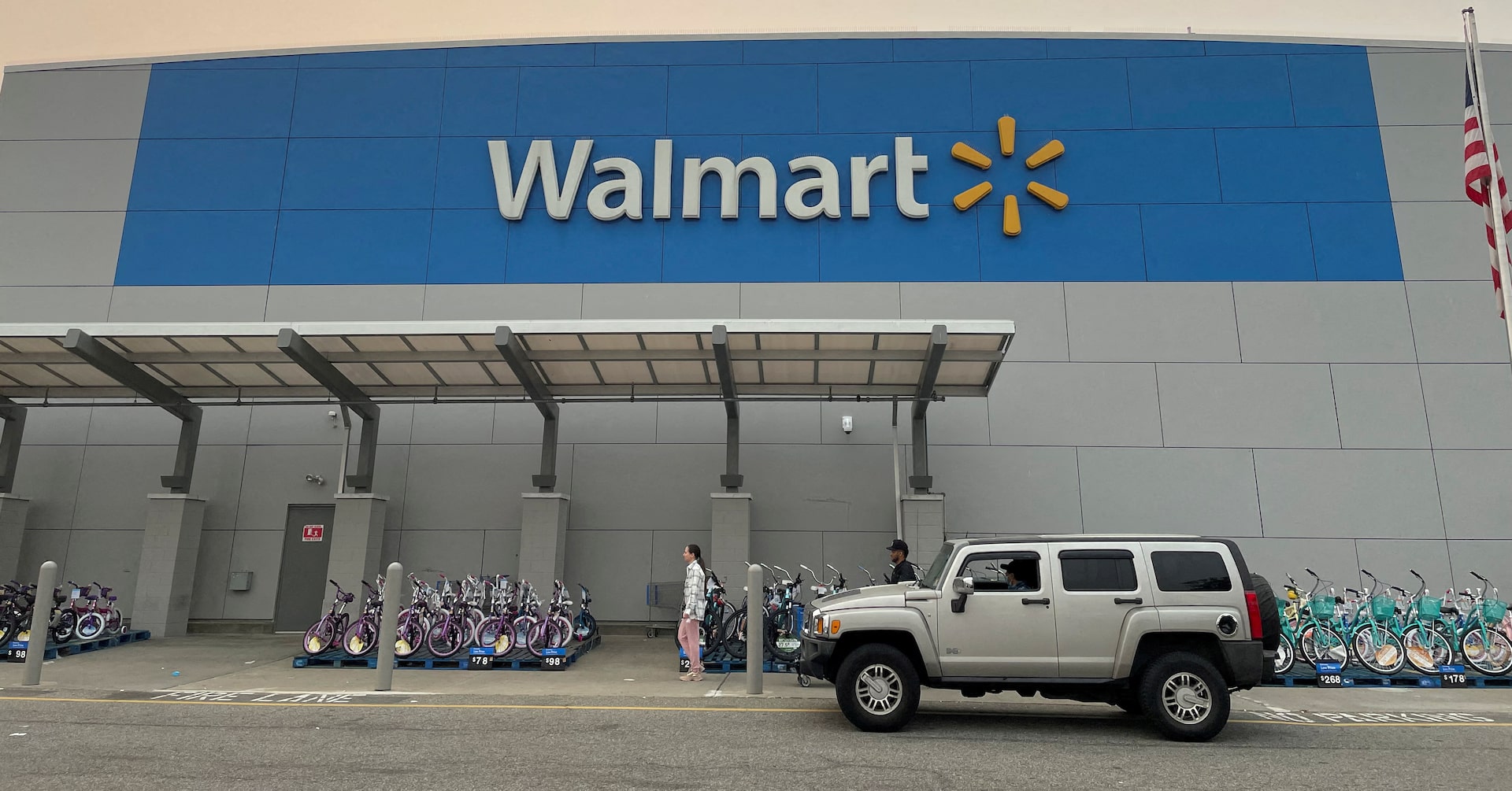
- Stock Rebound: Target's stock has surged nearly 65% from its 52-week low, reflecting investor confidence in the upgrades under new CEO Michael Fiddelke, although it still trades nearly 50% below its 2021 all-time high, indicating a positive market outlook for its future.
- P/E Ratio Advantage: Despite the price increase, Target's P/E ratio stands at 18, significantly lower than Walmart's and Costco's 40 and 48, respectively, suggesting it remains attractive in the competitive landscape and may draw more value-focused investors.
- Dividend Growth: Target has raised its dividend for the 55th consecutive year, achieving a yield of 3.4%, which is well above the S&P 500's average of 1.1% and its competitors' yields of 0.8% and 0.6%, making it a preferred choice for income-oriented investors.
- Sales Growth Potential: Despite facing three consecutive years of declining sales, Target reported a 7% year-over-year sales growth in Q1 2026, closely matching Walmart's growth, showcasing its potential in improving supply chains and product offerings, which could continue to attract investors moving forward.
See More
Costco Shareholders Rewarded with Special Dividend Amid Stock Surge
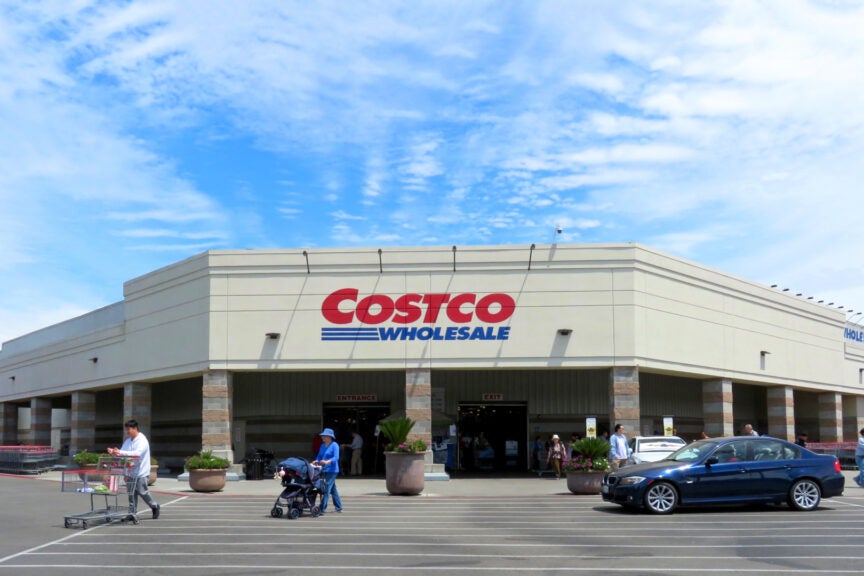
- Stock Surge: Over the past five years, Costco (COST) shares have surged over 130%, rewarding shareholders significantly while reflecting the company's strong performance in the retail market and heightened investor confidence.
- Special Dividend Payment: In 2024, Costco paid a special dividend of $15 per share, and although the timing of these dividends is irregular, it indicates the company's capability for additional cash distributions, enhancing shareholder appeal.
- Strong Cash Reserves: Costco currently holds approximately $20 billion in cash and short-term investments, providing robust financial support for potential future special dividend payments, showcasing the company's sound capital management.
- Long-Term Investment Appeal: The issuance of special dividends not only provides immediate returns to shareholders but also enhances the attractiveness of long-term investments, encouraging investors to hold shares to benefit from future dividends and stock price appreciation.
See More
Costco's Special Dividend History and Outlook
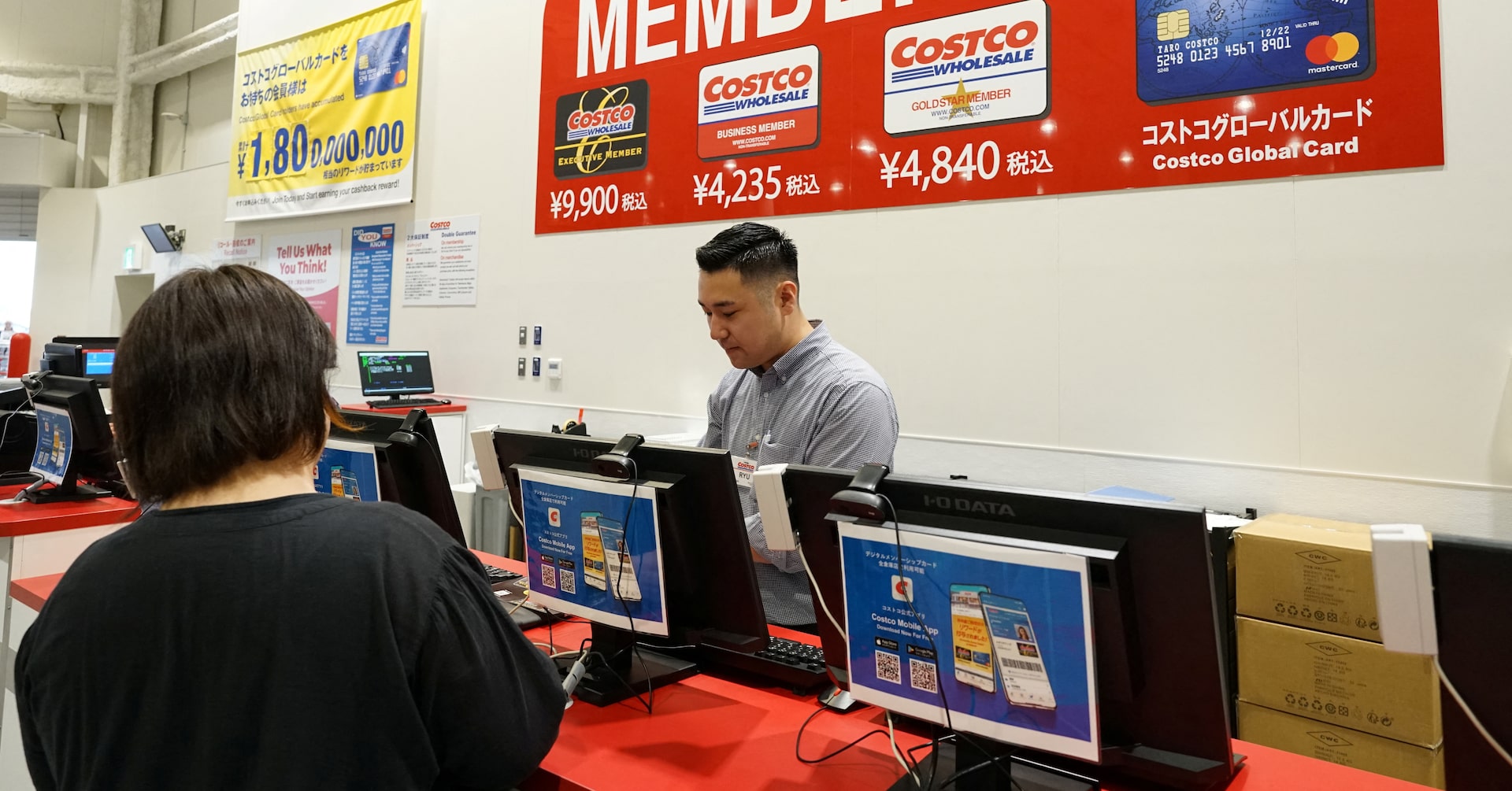
- Special Dividend Review: Costco paid a special dividend of $15 per share in 2024, reflecting the company's strong financial position and commitment to shareholder returns, with its stock price soaring over 130% in the past five years, further boosting investor confidence.
- Payment Pattern Analysis: Historical data indicates that special dividends are typically paid at the beginning or end of the year, with intervals of 2 to 4 years; a potential payout in 2026 aligns with this pattern, which could provide additional rewards for shareholders.
- Financial Strength Support: Costco currently holds approximately $20 billion in cash and short-term investments, providing ample liquidity to continue paying special dividends in the future, reinforcing its appeal as a long-term investment.
- Long-Term Investment Value: Although the timing of special dividends is uncertain, long-term shareholders of Costco can enhance total returns through quarterly dividends and stock price appreciation, demonstrating its potential as a solid investment choice.
See More
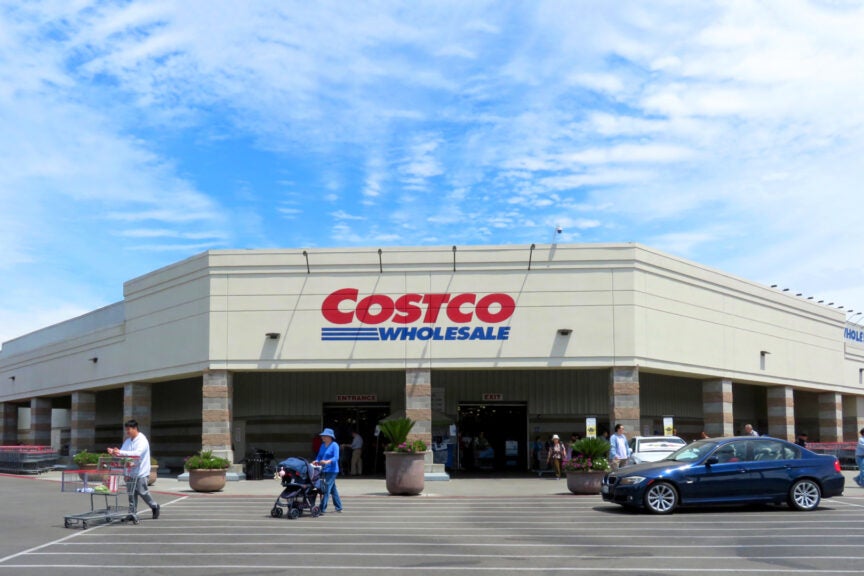
Potential Impact of Costco Stock Split

- Psychological Impact of Stock Split: As Costco's stock price approaches $1,000, retail investors may feel priced out, and a split reducing the price to $200 could attract more investors, thereby boosting demand and potentially increasing the stock price.
- Historical Data Support: According to data from Bank of America's Research Investment Committee, companies that have split their stock over the past 40 years saw an average total return of over 25% in the 12 months following the split announcement, which is more than double the return of the S&P 500 during the same period, indicating the potential for short-term stock price boosts.
- Membership Loyalty and Expansion Plans: With a global membership renewal rate of 89.7%, Costco plans to increase its warehouse count from 914 to 940 by the end of fiscal 2026, demonstrating its ability to attract customers even amid economic uncertainty and enhancing its competitive position in the market.
- E-commerce Sales Growth: In its fiscal 2026 third-quarter report, Costco noted a 37% increase in e-commerce and app traffic, with digitally enabled comparable sales rising by 21.5%, indicating the company's growth potential beyond traditional retail and further strengthening its long-term business model resilience.
See More
Costco's Share Price Decline and Split Prospects
- Price Decline: Costco's share price fell below $1,000 on May 28 and has not recovered, currently trading around $950, indicating market uncertainty about its future despite potential for a stock split in 2026.
- Psychological Impact of Splits: Research indicates that stock split announcements can boost share prices, with companies experiencing an average total return of over 25% in the 12 months post-announcement, more than double the S&P 500's average, highlighting the importance of splits in attracting retail investors.
- Historical Split Record: Costco has not split its stock since 2000, demonstrating a cautious approach to such decisions; while the current price is below $1,000, the possibility of a split remains, reflecting the company's commitment to shareholder value.
- Strong Business Model: Costco's recession-resistant business model, driven by bulk pricing, attracts customers, with a global membership renewal rate of 89.7%, and plans to increase its warehouse count from 914 to 940 by the end of fiscal 2026, showcasing its long-term strategic expansion efforts.
See More
Target Stock Rebounds, Investor Confidence Restored
- Sales Growth Recovery: Target reported a 7% year-over-year net sales growth in Q1 2026, although below Costco's 10%, this performance significantly boosted investor optimism, indicating a gradual recovery in market competitiveness.
- P/E Ratio Advantage: With a P/E ratio of 18, Target is well below Walmart's 40 and Costco's 48, showcasing its relative value in the current market environment, which may attract more value-seeking investors.
- Dividend King Status: Target has raised its dividend for the 55th consecutive year, with a current yield of 3.4%, far exceeding the S&P 500's 1.1%, making it more appealing to income-oriented investors, especially in comparison to its competitors' yields.
- Future Investment Plans: Despite facing a 25% decline in net earnings, Target plans to invest approximately $5 billion over the coming years to improve stores and supply chains, which could lay the groundwork for long-term growth and enhance its market position.
See More
Target Stock Rebounds, Investor Confidence Grows
- Stock Rebound: Target's stock has surged nearly 65% from its 52-week low, reflecting investor confidence in the upgrades under new CEO Michael Fiddelke, although it still trades nearly 50% below its 2021 all-time high, indicating a positive market outlook for its future.
- P/E Ratio Advantage: Despite the price increase, Target's P/E ratio stands at 18, significantly lower than Walmart's and Costco's 40 and 48, respectively, suggesting it remains attractive in the competitive landscape and may draw more value-focused investors.
- Dividend Growth: Target has raised its dividend for the 55th consecutive year, achieving a yield of 3.4%, which is well above the S&P 500's average of 1.1% and its competitors' yields of 0.8% and 0.6%, making it a preferred choice for income-oriented investors.
- Sales Growth Potential: Despite facing three consecutive years of declining sales, Target reported a 7% year-over-year sales growth in Q1 2026, closely matching Walmart's growth, showcasing its potential in improving supply chains and product offerings, which could continue to attract investors moving forward.
See More
Costco Shareholders Rewarded with Special Dividend Amid Stock Surge
- Stock Surge: Over the past five years, Costco (COST) shares have surged over 130%, rewarding shareholders significantly while reflecting the company's strong performance in the retail market and heightened investor confidence.
- Special Dividend Payment: In 2024, Costco paid a special dividend of $15 per share, and although the timing of these dividends is irregular, it indicates the company's capability for additional cash distributions, enhancing shareholder appeal.
- Strong Cash Reserves: Costco currently holds approximately $20 billion in cash and short-term investments, providing robust financial support for potential future special dividend payments, showcasing the company's sound capital management.
- Long-Term Investment Appeal: The issuance of special dividends not only provides immediate returns to shareholders but also enhances the attractiveness of long-term investments, encouraging investors to hold shares to benefit from future dividends and stock price appreciation.
See More
Costco's Special Dividend History and Outlook
- Special Dividend Review: Costco paid a special dividend of $15 per share in 2024, reflecting the company's strong financial position and commitment to shareholder returns, with its stock price soaring over 130% in the past five years, further boosting investor confidence.
- Payment Pattern Analysis: Historical data indicates that special dividends are typically paid at the beginning or end of the year, with intervals of 2 to 4 years; a potential payout in 2026 aligns with this pattern, which could provide additional rewards for shareholders.
- Financial Strength Support: Costco currently holds approximately $20 billion in cash and short-term investments, providing ample liquidity to continue paying special dividends in the future, reinforcing its appeal as a long-term investment.
- Long-Term Investment Value: Although the timing of special dividends is uncertain, long-term shareholders of Costco can enhance total returns through quarterly dividends and stock price appreciation, demonstrating its potential as a solid investment choice.
See More
Potential Impact of Costco Stock Split
- Psychological Impact of Stock Split: As Costco's stock price approaches $1,000, retail investors may feel priced out, and a split reducing the price to $200 could attract more investors, thereby boosting demand and potentially increasing the stock price.
- Historical Data Support: According to data from Bank of America's Research Investment Committee, companies that have split their stock over the past 40 years saw an average total return of over 25% in the 12 months following the split announcement, which is more than double the return of the S&P 500 during the same period, indicating the potential for short-term stock price boosts.
- Membership Loyalty and Expansion Plans: With a global membership renewal rate of 89.7%, Costco plans to increase its warehouse count from 914 to 940 by the end of fiscal 2026, demonstrating its ability to attract customers even amid economic uncertainty and enhancing its competitive position in the market.
- E-commerce Sales Growth: In its fiscal 2026 third-quarter report, Costco noted a 37% increase in e-commerce and app traffic, with digitally enabled comparable sales rising by 21.5%, indicating the company's growth potential beyond traditional retail and further strengthening its long-term business model resilience.
See More
Costco's Share Price Decline and Split Prospects
- Price Decline: Costco's share price fell below $1,000 on May 28 and has not recovered, currently trading around $950, indicating market uncertainty about its future despite potential for a stock split in 2026.
- Psychological Impact of Splits: Research indicates that stock split announcements can boost share prices, with companies experiencing an average total return of over 25% in the 12 months post-announcement, more than double the S&P 500's average, highlighting the importance of splits in attracting retail investors.
- Historical Split Record: Costco has not split its stock since 2000, demonstrating a cautious approach to such decisions; while the current price is below $1,000, the possibility of a split remains, reflecting the company's commitment to shareholder value.
- Strong Business Model: Costco's recession-resistant business model, driven by bulk pricing, attracts customers, with a global membership renewal rate of 89.7%, and plans to increase its warehouse count from 914 to 940 by the end of fiscal 2026, showcasing its long-term strategic expansion efforts.
See More