OpenAI's Defense Department Deal Sparks Controversy
Written by Emily J. Thompson, Senior Investment Analyst
Updated: Mar 12 2026
0mins


Should l Buy LHX?
Source: CNBC
- Defense Department Agreement: OpenAI's contract with the DOD allows the agency to use AI systems for all lawful purposes, with Altman stressing that the company will ensure these systems are not used for domestic mass surveillance or fully autonomous weapons, highlighting a commitment to safety principles.
- Legislative Call to Action: Senator Mark Kelly of Arizona stated after discussions with Altman that Congress needs to create legislation to set boundaries and guardrails for AI technology, reflecting concerns over the rapid pace of technological advancement.
- Competitor's Dilemma: In stark contrast, Anthropic has been designated a 'supply chain risk to national security' due to stalled negotiations with the DOD, illustrating the complexities and competitive pressures surrounding AI applications in defense.
- Debate on Technology and Ethics: Altman emphasized during the meeting that the use of AI technology must adhere to constitutional principles, ensuring human responsibility for the use of force, underscoring the importance of ethics and legality in military applications.
Trade with 70% Backtested Accuracy
Stop guessing "Should I Buy LHX?" and start using high-conviction signals backed by rigorous historical data.
Sign up today to access powerful investing tools and make smarter, data-driven decisions.
Analyst Views on LHX
Wall Street analysts forecast LHX stock price to fall
14 Analyst Rating
11 Buy
3 Hold
0 Sell
Strong Buy
Current: 350.350

Low
212.00
Averages
253.50
High
280.00
Current: 350.350
Low
212.00
Averages
253.50
High
280.00
About LHX
L3Harris Technologies, Inc. provides end-to-end technology solutions connecting the space, air, land, sea and cyber domains in the interest of national security. Its segments include Space & Airborne Systems (SAS), Integrated Mission Systems (IMS), Communication Systems (CS), and Aerojet Rocketdyne (AR). The SAS segment supplies full mission solutions as a prime and subsystem integrator in the space, airborne and cyber domains. The IMS segment delivers differentiated mission capabilities and prime systems integration to support intelligence, reconnaissance and surveillance (ISR), passive sensing and targeting, electronic attack, autonomy, power and communications, networks and sensors. CS enables warfighters across all domains with solutions critical to mission success even in the contested environments. The AR segment provides propulsion, power and armament products and systems to the U.S. Government, including the DoD, NASA and various aerospace and defense prime contractors.
About the author

Emily J. Thompson
Emily J. Thompson, a Chartered Financial Analyst (CFA) with 12 years in investment research, graduated with honors from the Wharton School. Specializing in industrial and technology stocks, she provides in-depth analysis for Intellectia’s earnings and market brief reports.
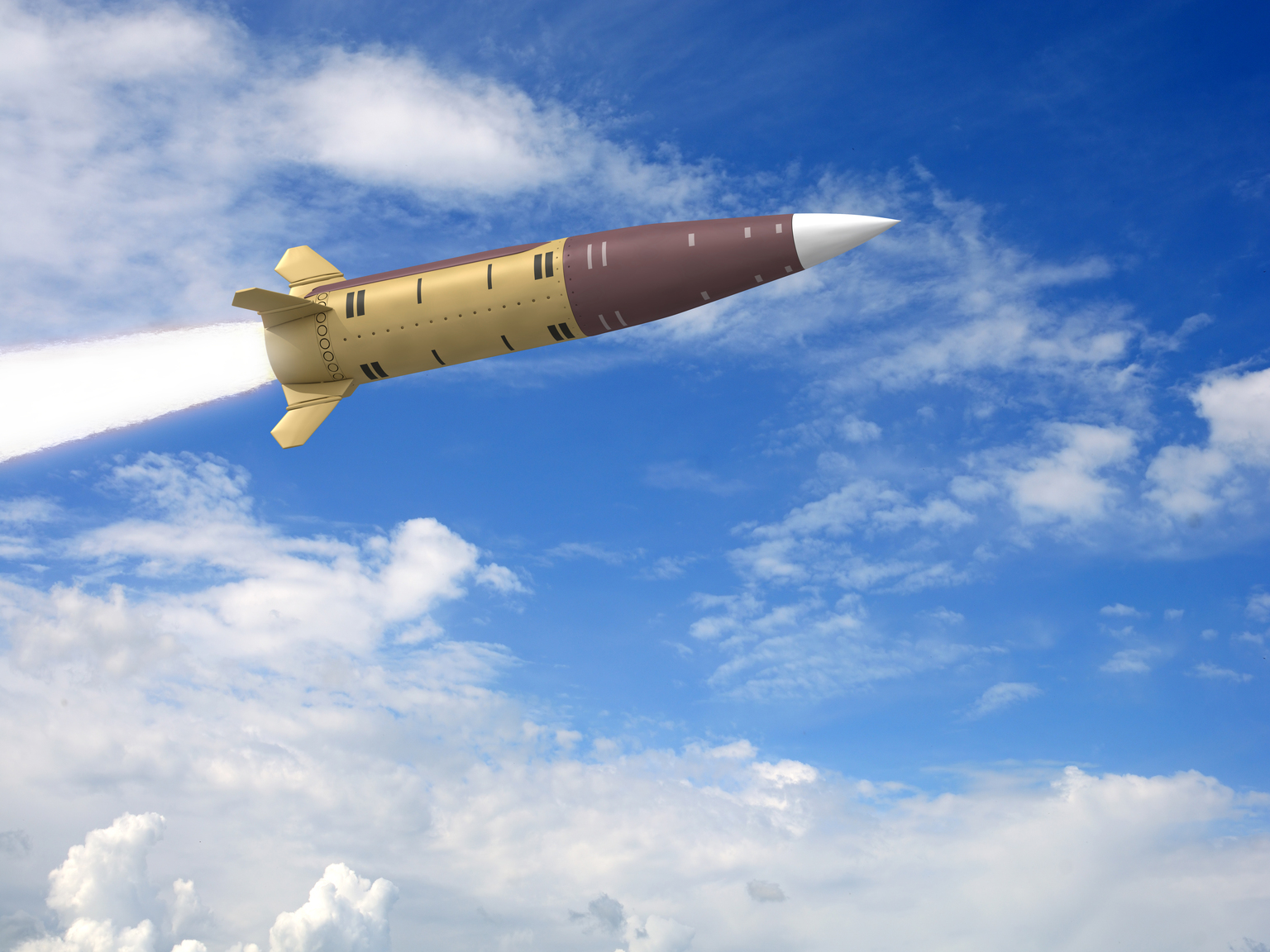
L3Harris Secures $65 Million ATACMS Contract

- Significant Contract Value: L3Harris Technologies announced it has secured a contract worth over $65 million to produce solid rocket motors for the Army Tactical Missile System (ATACMS), highlighting the company's strong demand and market position in the defense sector.
- Production and Delivery Timeline: Under the contract, L3Harris will manufacture, test, and deliver M124 rocket motors and related components from 2027 to 2028, ensuring revenue stability for the company in the coming years.
- Capacity Expansion: The Camden facility in Arkansas produces over 115,000 solid rocket motors annually and plans to add more than 20 new propulsion facilities to meet the rising demand for precision-guided munitions, further solidifying its market leadership.
- Long-term Partnership: With over three decades of supply experience in the ATACMS program, this contract not only enhances L3Harris's capabilities in defense manufacturing but also provides investors with continued funding visibility, supporting the company's business expansion.
See More
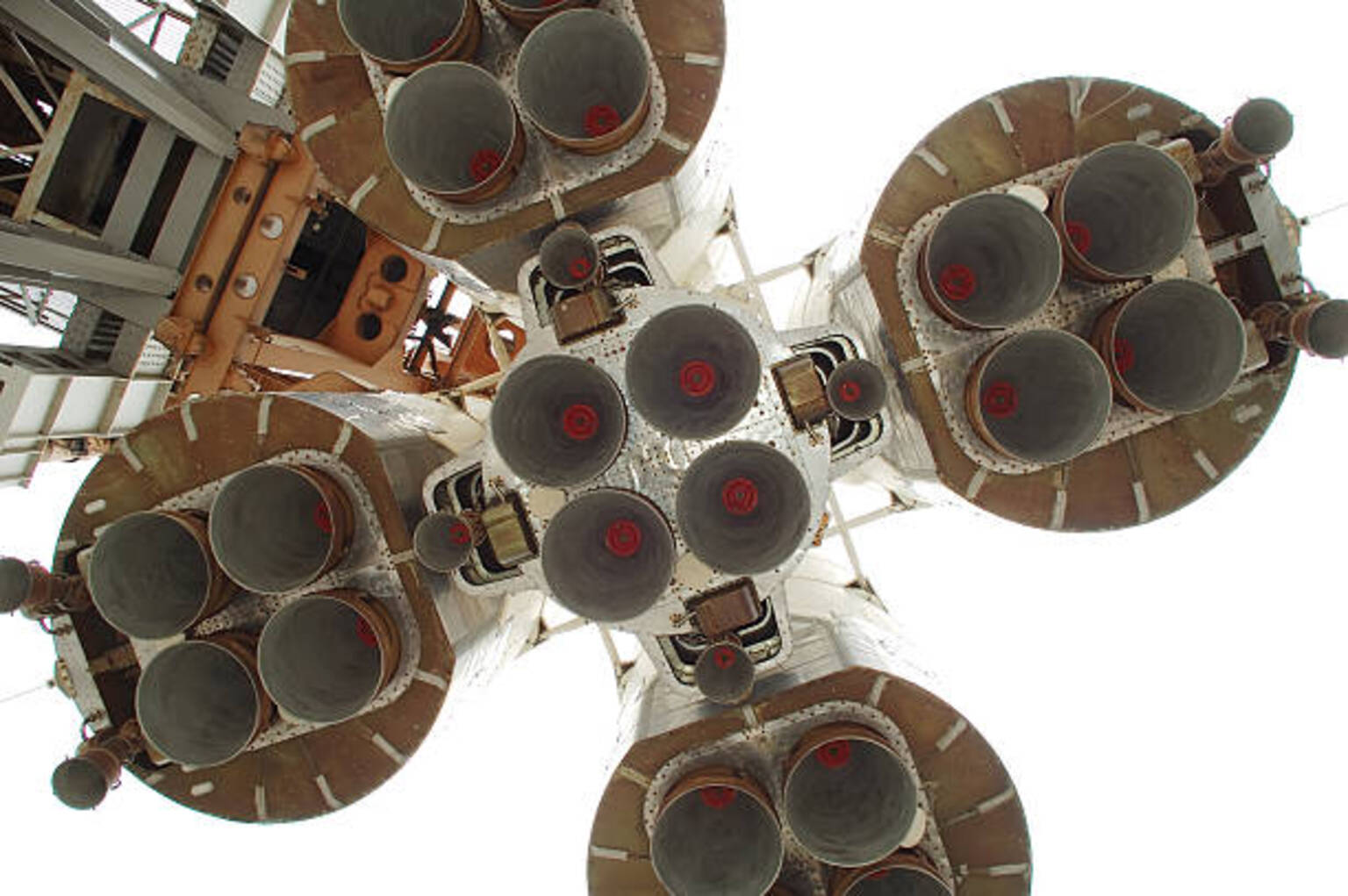
L3Harris to Invest $1.27 Billion in Rocket Motor Production Expansion
- Expansion Investment: L3Harris Technologies has announced a $1.27 billion investment to increase solid rocket motor production at its Orange County, Virginia facility, aimed at meeting the rising global demand for munitions and supporting multiple Department of Defense programs.
- Government Funding Support: The U.S. government has committed $1 billion in convertible preferred investment to bolster L3Harris' rocket motor operations, ensuring the security of supply for missile systems including the Tomahawk and Patriot missile systems.
- Spin-off Plans: L3Harris plans to spin off its Missile Solutions unit and list it as a standalone propulsion company in the second half of 2026, with new facilities focused on propulsion technology development and production, thereby enhancing the company's competitive position in the market.
- Driven by Global Demand: This expansion responds to the trend of countries replenishing their munitions stockpiles, further driving growth in the defense sector, with L3Harris also operating rocket motor production facilities in Arkansas and Alabama to meet market needs.
See More

L3Harris Expands Rocket Motor Production Facilities in Virginia
- Massive Investment: L3Harris has announced an expansion project exceeding $1.265 billion in Orange County, Virginia, which is expected to double manufacturing space and create over 350 new jobs in the next five years, significantly boosting the local economy.
- Support for National Security: This expansion will enhance L3Harris's manufacturing capacity for key defense programs, addressing the needs of the Department of War and its allies, underscoring the company's strategic importance in national security.
- Local Government Support: The Virginia Governor and the Orange County Board of Supervisors have pledged financial support, highlighting the local government's commitment to L3Harris's expansion plans, further promoting regional economic vitality and job opportunities.
- Technological Innovation and Modernization: The new facilities will support various rocket motor production operations, including mixing, grinding, casting, and final assembly, marking L3Harris's ongoing efforts to advance aerospace innovation and enhance production efficiency.
See More

L3Harris Demonstrates Autonomous Electronic Warfare Capability
- Autonomous Warfare Testing: L3Harris recently showcased its autonomous electronic warfare capability during a U.S. Army experiment, utilizing the Deceptor electronic warfare payload mounted on multiple UAVs, demonstrating threat detection and disruption with limited human input.
- Real-Time Data Integration: The system can identify and track radio frequency signals within a networked environment, combining data from various sensors to jam identified threats, thereby enhancing operational efficiency and response speed.
- Modular Design Benefits: L3Harris's electronic warfare payload features commercially available hardware and a modular design, allowing integration across air, ground, and maritime systems, aimed at enabling widespread deployment of smaller platforms rather than relying solely on traditional centralized systems.
- Multi-Domain Operations Integration: This demonstration builds on the ongoing development of compact electronic warfare technologies, with additional tests planned to further integrate the system into multi-domain operations, enhancing military operational capabilities.
See More

Advanced Materials Science Drives Industry Transformation

- Biomaterials Breakthrough: Recombinant spider silk produced by genetically engineered silkworms exhibits strength surpassing steel and elasticity exceeding Kevlar, already applied in medicine, military, and high-performance textiles, driving sustainability and functionality enhancements.
- Defense Application Innovation: L3Harris Technologies has delivered over 1,000 carbon-fiber bomb casings, reducing collateral damage in urban operations and enhancing operational efficiency, showcasing the immense potential of new materials in the military sector.
- High-Performance Textiles Progress: Kraig Biocraft Laboratories set a record of producing 1.3 metric tons of spider silk in April 2026, with a goal of reaching 10 metric tons monthly, meeting the luxury apparel market's demand for sustainable materials and transforming the textile industry.
- Aerospace Materials Innovation: Aspen Aerogels' next-generation aerogels are providing thermal protection for hypersonic vehicles and reusable spacecraft, marking the convergence of aerospace technology and advanced materials, driving technological advancements in the aerospace sector.
See More

Advanced Materials Technology Drives Industry Transformation

- Biomaterials Breakthrough: Recombinant spider silk produced by genetically engineered silkworms exhibits strength surpassing steel and toughness exceeding Kevlar while being fully biodegradable, driving applications in medicine, military, and high-performance textiles, showcasing sustainable potential.
- Defense Application Innovation: L3Harris Technologies has delivered over 1,000 carbon-fiber bomb casings, reducing dangerous shrapnel in urban operations and enhancing operational safety, highlighting the critical role of new materials in military applications.
- High-Performance Textiles Development: Kraig Biocraft Laboratories set a record of producing 1.3 metric tons of spider silk in April 2026, with a goal of reaching 10 metric tons per month to meet the demand for sustainable fabrics from high-end athletic and luxury brands, driving market growth.
- Aerospace Materials Advancement: Aspen Aerogels' next-generation aerogels are providing superior thermal management solutions for hypersonic vehicles and reusable spacecraft, marking the integration of aerospace technology with advanced materials and propelling future aerospace development.
See More
L3Harris Secures $65 Million ATACMS Contract
- Significant Contract Value: L3Harris Technologies announced it has secured a contract worth over $65 million to produce solid rocket motors for the Army Tactical Missile System (ATACMS), highlighting the company's strong demand and market position in the defense sector.
- Production and Delivery Timeline: Under the contract, L3Harris will manufacture, test, and deliver M124 rocket motors and related components from 2027 to 2028, ensuring revenue stability for the company in the coming years.
- Capacity Expansion: The Camden facility in Arkansas produces over 115,000 solid rocket motors annually and plans to add more than 20 new propulsion facilities to meet the rising demand for precision-guided munitions, further solidifying its market leadership.
- Long-term Partnership: With over three decades of supply experience in the ATACMS program, this contract not only enhances L3Harris's capabilities in defense manufacturing but also provides investors with continued funding visibility, supporting the company's business expansion.
See More
L3Harris to Invest $1.27 Billion in Rocket Motor Production Expansion
- Expansion Investment: L3Harris Technologies has announced a $1.27 billion investment to increase solid rocket motor production at its Orange County, Virginia facility, aimed at meeting the rising global demand for munitions and supporting multiple Department of Defense programs.
- Government Funding Support: The U.S. government has committed $1 billion in convertible preferred investment to bolster L3Harris' rocket motor operations, ensuring the security of supply for missile systems including the Tomahawk and Patriot missile systems.
- Spin-off Plans: L3Harris plans to spin off its Missile Solutions unit and list it as a standalone propulsion company in the second half of 2026, with new facilities focused on propulsion technology development and production, thereby enhancing the company's competitive position in the market.
- Driven by Global Demand: This expansion responds to the trend of countries replenishing their munitions stockpiles, further driving growth in the defense sector, with L3Harris also operating rocket motor production facilities in Arkansas and Alabama to meet market needs.
See More
L3Harris Expands Rocket Motor Production Facilities in Virginia
- Massive Investment: L3Harris has announced an expansion project exceeding $1.265 billion in Orange County, Virginia, which is expected to double manufacturing space and create over 350 new jobs in the next five years, significantly boosting the local economy.
- Support for National Security: This expansion will enhance L3Harris's manufacturing capacity for key defense programs, addressing the needs of the Department of War and its allies, underscoring the company's strategic importance in national security.
- Local Government Support: The Virginia Governor and the Orange County Board of Supervisors have pledged financial support, highlighting the local government's commitment to L3Harris's expansion plans, further promoting regional economic vitality and job opportunities.
- Technological Innovation and Modernization: The new facilities will support various rocket motor production operations, including mixing, grinding, casting, and final assembly, marking L3Harris's ongoing efforts to advance aerospace innovation and enhance production efficiency.
See More
L3Harris Demonstrates Autonomous Electronic Warfare Capability
- Autonomous Warfare Testing: L3Harris recently showcased its autonomous electronic warfare capability during a U.S. Army experiment, utilizing the Deceptor electronic warfare payload mounted on multiple UAVs, demonstrating threat detection and disruption with limited human input.
- Real-Time Data Integration: The system can identify and track radio frequency signals within a networked environment, combining data from various sensors to jam identified threats, thereby enhancing operational efficiency and response speed.
- Modular Design Benefits: L3Harris's electronic warfare payload features commercially available hardware and a modular design, allowing integration across air, ground, and maritime systems, aimed at enabling widespread deployment of smaller platforms rather than relying solely on traditional centralized systems.
- Multi-Domain Operations Integration: This demonstration builds on the ongoing development of compact electronic warfare technologies, with additional tests planned to further integrate the system into multi-domain operations, enhancing military operational capabilities.
See More
Advanced Materials Science Drives Industry Transformation
- Biomaterials Breakthrough: Recombinant spider silk produced by genetically engineered silkworms exhibits strength surpassing steel and elasticity exceeding Kevlar, already applied in medicine, military, and high-performance textiles, driving sustainability and functionality enhancements.
- Defense Application Innovation: L3Harris Technologies has delivered over 1,000 carbon-fiber bomb casings, reducing collateral damage in urban operations and enhancing operational efficiency, showcasing the immense potential of new materials in the military sector.
- High-Performance Textiles Progress: Kraig Biocraft Laboratories set a record of producing 1.3 metric tons of spider silk in April 2026, with a goal of reaching 10 metric tons monthly, meeting the luxury apparel market's demand for sustainable materials and transforming the textile industry.
- Aerospace Materials Innovation: Aspen Aerogels' next-generation aerogels are providing thermal protection for hypersonic vehicles and reusable spacecraft, marking the convergence of aerospace technology and advanced materials, driving technological advancements in the aerospace sector.
See More
Advanced Materials Technology Drives Industry Transformation
- Biomaterials Breakthrough: Recombinant spider silk produced by genetically engineered silkworms exhibits strength surpassing steel and toughness exceeding Kevlar while being fully biodegradable, driving applications in medicine, military, and high-performance textiles, showcasing sustainable potential.
- Defense Application Innovation: L3Harris Technologies has delivered over 1,000 carbon-fiber bomb casings, reducing dangerous shrapnel in urban operations and enhancing operational safety, highlighting the critical role of new materials in military applications.
- High-Performance Textiles Development: Kraig Biocraft Laboratories set a record of producing 1.3 metric tons of spider silk in April 2026, with a goal of reaching 10 metric tons per month to meet the demand for sustainable fabrics from high-end athletic and luxury brands, driving market growth.
- Aerospace Materials Advancement: Aspen Aerogels' next-generation aerogels are providing superior thermal management solutions for hypersonic vehicles and reusable spacecraft, marking the integration of aerospace technology with advanced materials and propelling future aerospace development.
See More