Nvidia's GTC 2026 Conference Boosts Stock Price
Written by Emily J. Thompson, Senior Investment Analyst
Updated: Mar 16 2026
0mins

Should l Buy NVDA?
Source: NASDAQ.COM
- Stock Price Increase: Nvidia closed at $183.22 on Monday, up 1.65%, driven by Jensen Huang's keynote at GTC 2026, which reinforced market expectations for long-term AI demand and is expected to boost future data center and AI platform growth.
- Surge in Trading Volume: Trading volume reached 207.7 million shares, nearly 18% above the three-month average of 175.8 million shares, indicating strong investor interest and confidence in Nvidia's future developments.
- Optimistic Revenue Forecast: Huang forecasts at least $1 trillion in advanced AI chip revenue by 2027, further solidifying Nvidia's strategic position in AI infrastructure and attracting more investor attention.
- Mixed Market Reactions: Despite Nvidia's strong performance, other semiconductor companies like AMD and Intel showed mixed stock reactions, reflecting a reassessment of AI chip growth expectations that could influence investor decisions.
Trade with 70% Backtested Accuracy
Stop guessing "Should I Buy NVDA?" and start using high-conviction signals backed by rigorous historical data.
Sign up today to access powerful investing tools and make smarter, data-driven decisions.
Analyst Views on NVDA
Wall Street analysts forecast NVDA stock price to rise
41 Analyst Rating
39 Buy
1 Hold
1 Sell
Strong Buy
Current: 213.170

Low
200.00
Averages
264.97
High
352.00
Current: 213.170
Low
200.00
Averages
264.97
High
352.00
About NVDA
NVIDIA Corporation is an artificial intelligence (AI) infrastructure company. The Company is engaged in accelerated computing to help solve the challenging computational problems. Its segments include Compute & Networking and Graphics. The Compute & Networking segment includes its Data Center accelerated computing and networking platforms and AI solutions and software, and automotive platforms and autonomous and electric vehicle solutions, including software. The Graphics segment includes GeForce GPUs for gaming and personal computers (PCs), and Quadro/NVIDIA RTX GPUs for enterprise workstation graphics. Its technology stack includes the foundational NVIDIA CUDA development platform that runs on all NVIDIA GPUs, as well as hundreds of domain-specific software libraries, frameworks, algorithms, software development kits (SDKs), and application programming interfaces (APIs). Its platforms address four markets, which include Data Center, Gaming, Professional Visualization, and Automotive.
About the author

Emily J. Thompson
Emily J. Thompson, a Chartered Financial Analyst (CFA) with 12 years in investment research, graduated with honors from the Wharton School. Specializing in industrial and technology stocks, she provides in-depth analysis for Intellectia’s earnings and market brief reports.
Nvidia Reaches $5 Trillion Market Cap Amid Ongoing AI Boom

- Market Leadership: Nvidia stands as the largest company globally with a market cap of approximately $5 trillion, significantly ahead of Alphabet's $4.1 trillion, showcasing its dominant influence and market position in the tech sector.
- Valuation Insights: Currently trading at a P/E ratio of 42, Nvidia is considered expensive; however, with analysts projecting a forward P/E of 25, this reflects strong confidence in its future earnings potential amidst ongoing AI growth.
- Revenue Growth Forecast: Wall Street analysts estimate Nvidia's revenue growth at 31% for next year, a decrease from this year's projected 72%, yet still substantially above the market average of 10%, indicating its sustained advantage in AI infrastructure development.
- Investment Safety: Despite a recent rise in Nvidia's stock price, its valuation remains reasonable compared to the S&P 500's forward P/E of 21.8, suggesting that it continues to be a safe investment choice even after significant appreciation over the past month.
See More

Nasdaq Hits All-Time Highs Driven by AI Infrastructure Spending
- Surge in AI Infrastructure Investment: AI infrastructure spending is projected to exceed $700 billion in 2023, surpassing the GDP of all but a few countries last year, indicating immense market confidence and investment potential in AI.
- Tech Giants' AI Strategies: Major tech companies view AI as a once-in-a-generation opportunity, ramping up data center spending, which signals their competitive intent in the AI space and is expected to continue driving the Nasdaq higher.
- Nvidia's Market Leadership: Nvidia has established itself as the king of AI infrastructure with its CUDA software platform and robust GPU technology, and it is expected to benefit from the rapid growth of the AI market, with its stock remaining attractive in future valuations.
- Advantage of Comprehensive Solutions: Nvidia not only provides GPUs but also expands its product line through acquisitions like Groq, offering complete solutions for specific AI tasks, thereby solidifying its dominant position in the AI infrastructure market.
See More
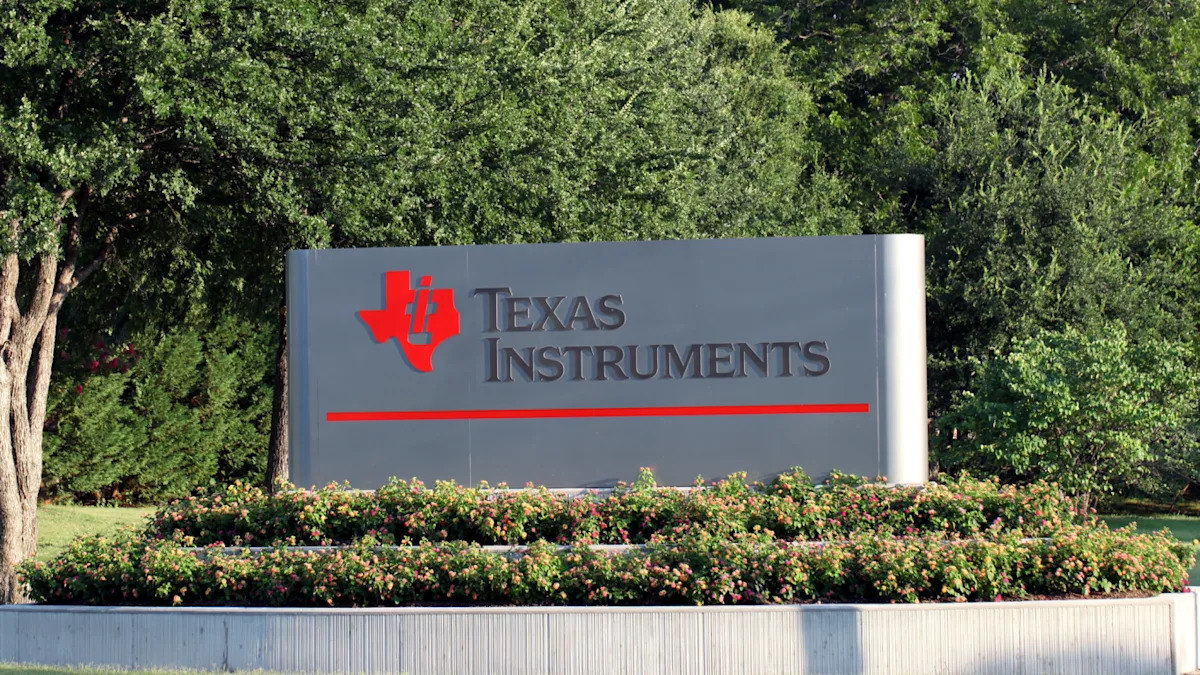
Texas Instruments Q1 Revenue Up 19% Beats Expectations

- Strong Revenue Performance: Texas Instruments reported Q1 revenue of $4.83 billion, a 19% year-over-year increase that exceeded market expectations by $298 million, indicating robust market demand and execution capabilities.
- Earnings Per Share Beat Estimates: The company posted an EPS of $1.68, surpassing the analyst estimate of $1.36 by 23%, reflecting significant improvements in cost control and profitability.
- Surge in Free Cash Flow: Free cash flow skyrocketed by 611% to $1.4 billion as capital expenditures moderated by 40%, allowing the company to convert more revenue into cash flow and enhancing financial flexibility.
- Optimistic Forward Guidance: Management anticipates Q2 revenue between $5.00 billion and $5.40 billion, indicating sustained growth momentum, with industrial and data center revenues growing over 30% and 90% respectively, laying a solid foundation for future performance.
See More
Data Centers Drive AI Infrastructure Revolution
- Surge in Data Center Demand: As technology companies increasingly crave high-performance computing capacity, CoreSite's facilities near New York exemplify the emerging data center trend, with major tech firms expected to invest at least $608 billion in data center buildouts in 2023, highlighting the fierce competition in AI.
- Soaring Power Needs: The power demand for data centers has skyrocketed from tens of megawatts three years ago to hundreds and even thousands of megawatts, reflecting the immense energy requirements driven by AI technologies, prompting exploration of renewable energy and new power solutions.
- Strong Performance from GE Vernova: GE Vernova reported a 16% year-over-year revenue increase to $9.3 billion in Q1, with robust equipment orders and an anticipated backlog of $200 billion by 2027, indicating that AI's demand for energy products is driving sustained growth for the company.
- Innovation in Liquid Cooling: CoreSite's NY3 data center is adopting liquid cooling systems to manage high-density heat issues, while Eaton's strategic acquisition of liquid cooling leader Boyd Thermal is expected to enhance its market position in data center cooling solutions.
See More
Analysis and Outlook for MAGS ETF Performance


- ETF Rebound Trend: The MAGS ETF has rebounded sharply from March lows, although it has yet to break new highs, indicating increased market focus on large-cap growth stocks, potentially setting the stage for upcoming earnings releases.
- Relative Strength Performance: Despite not surpassing its historical highs, MAGS has shown strong relative performance against the SPX in recent weeks, suggesting that if this trend continues, it could drive further upside for the ETF.
- Divergent Component Performance: Within the MAGS ETF, GOOGL and NVDA have surged approximately 120% and 94%, respectively, while the other five components have lagged; if these laggards regain investor interest, it could enhance the overall ETF performance.
- Importance of Earnings Reactions: The earnings reactions of the five major components over the next two days are crucial, as strong results could bolster market confidence in large-cap growth stocks, potentially leading to a broader market recovery.
See More

Corning's Optical Fiber Business Sees Strong Growth

- Surging Fiber Demand: Corning's optical communications business generated $1.8 billion in revenue in Q1, reflecting a 36% year-over-year growth, underscoring the strong demand for optical fiber driven by the AI industry and solidifying its market leadership.
- New Major Contracts: Corning signed long-term agreements with two hyperscale customers, expected to bring in billions of dollars in revenue over the next few years, further propelling stock price growth.
- Cost Efficiency Improvement: The newly launched Multicore Fiber product allows data center operators to achieve the same performance with 75% fewer cables, significantly reducing operational costs and enhancing processing speeds, thereby increasing customer competitiveness.
- Enhanced Profitability: The enterprise communications segment reported a net income of $387 million in Q1, up 93% year-over-year, indicating that the surge in AI demand is significantly boosting Corning's profit margins and enhancing its market appeal.
See More
Nvidia Reaches $5 Trillion Market Cap Amid Ongoing AI Boom
- Market Leadership: Nvidia stands as the largest company globally with a market cap of approximately $5 trillion, significantly ahead of Alphabet's $4.1 trillion, showcasing its dominant influence and market position in the tech sector.
- Valuation Insights: Currently trading at a P/E ratio of 42, Nvidia is considered expensive; however, with analysts projecting a forward P/E of 25, this reflects strong confidence in its future earnings potential amidst ongoing AI growth.
- Revenue Growth Forecast: Wall Street analysts estimate Nvidia's revenue growth at 31% for next year, a decrease from this year's projected 72%, yet still substantially above the market average of 10%, indicating its sustained advantage in AI infrastructure development.
- Investment Safety: Despite a recent rise in Nvidia's stock price, its valuation remains reasonable compared to the S&P 500's forward P/E of 21.8, suggesting that it continues to be a safe investment choice even after significant appreciation over the past month.
See More
Nasdaq Hits All-Time Highs Driven by AI Infrastructure Spending
- Surge in AI Infrastructure Investment: AI infrastructure spending is projected to exceed $700 billion in 2023, surpassing the GDP of all but a few countries last year, indicating immense market confidence and investment potential in AI.
- Tech Giants' AI Strategies: Major tech companies view AI as a once-in-a-generation opportunity, ramping up data center spending, which signals their competitive intent in the AI space and is expected to continue driving the Nasdaq higher.
- Nvidia's Market Leadership: Nvidia has established itself as the king of AI infrastructure with its CUDA software platform and robust GPU technology, and it is expected to benefit from the rapid growth of the AI market, with its stock remaining attractive in future valuations.
- Advantage of Comprehensive Solutions: Nvidia not only provides GPUs but also expands its product line through acquisitions like Groq, offering complete solutions for specific AI tasks, thereby solidifying its dominant position in the AI infrastructure market.
See More
Texas Instruments Q1 Revenue Up 19% Beats Expectations
- Strong Revenue Performance: Texas Instruments reported Q1 revenue of $4.83 billion, a 19% year-over-year increase that exceeded market expectations by $298 million, indicating robust market demand and execution capabilities.
- Earnings Per Share Beat Estimates: The company posted an EPS of $1.68, surpassing the analyst estimate of $1.36 by 23%, reflecting significant improvements in cost control and profitability.
- Surge in Free Cash Flow: Free cash flow skyrocketed by 611% to $1.4 billion as capital expenditures moderated by 40%, allowing the company to convert more revenue into cash flow and enhancing financial flexibility.
- Optimistic Forward Guidance: Management anticipates Q2 revenue between $5.00 billion and $5.40 billion, indicating sustained growth momentum, with industrial and data center revenues growing over 30% and 90% respectively, laying a solid foundation for future performance.
See More
Data Centers Drive AI Infrastructure Revolution
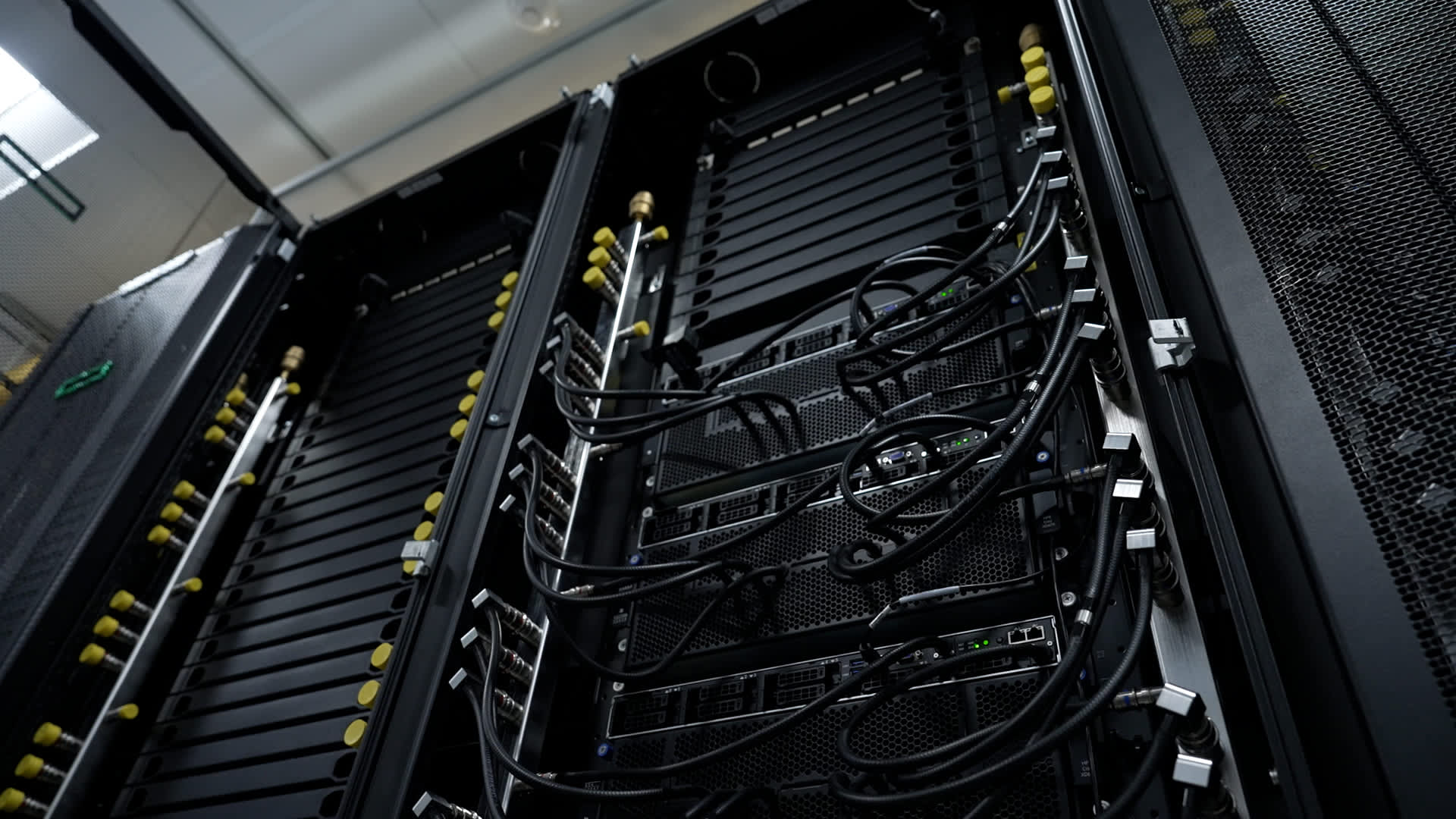
- Surge in Data Center Demand: As technology companies increasingly crave high-performance computing capacity, CoreSite's facilities near New York exemplify the emerging data center trend, with major tech firms expected to invest at least $608 billion in data center buildouts in 2023, highlighting the fierce competition in AI.
- Soaring Power Needs: The power demand for data centers has skyrocketed from tens of megawatts three years ago to hundreds and even thousands of megawatts, reflecting the immense energy requirements driven by AI technologies, prompting exploration of renewable energy and new power solutions.
- Strong Performance from GE Vernova: GE Vernova reported a 16% year-over-year revenue increase to $9.3 billion in Q1, with robust equipment orders and an anticipated backlog of $200 billion by 2027, indicating that AI's demand for energy products is driving sustained growth for the company.
- Innovation in Liquid Cooling: CoreSite's NY3 data center is adopting liquid cooling systems to manage high-density heat issues, while Eaton's strategic acquisition of liquid cooling leader Boyd Thermal is expected to enhance its market position in data center cooling solutions.
See More
Analysis and Outlook for MAGS ETF Performance
- ETF Rebound Trend: The MAGS ETF has rebounded sharply from March lows, although it has yet to break new highs, indicating increased market focus on large-cap growth stocks, potentially setting the stage for upcoming earnings releases.
- Relative Strength Performance: Despite not surpassing its historical highs, MAGS has shown strong relative performance against the SPX in recent weeks, suggesting that if this trend continues, it could drive further upside for the ETF.
- Divergent Component Performance: Within the MAGS ETF, GOOGL and NVDA have surged approximately 120% and 94%, respectively, while the other five components have lagged; if these laggards regain investor interest, it could enhance the overall ETF performance.
- Importance of Earnings Reactions: The earnings reactions of the five major components over the next two days are crucial, as strong results could bolster market confidence in large-cap growth stocks, potentially leading to a broader market recovery.
See More
Corning's Optical Fiber Business Sees Strong Growth
- Surging Fiber Demand: Corning's optical communications business generated $1.8 billion in revenue in Q1, reflecting a 36% year-over-year growth, underscoring the strong demand for optical fiber driven by the AI industry and solidifying its market leadership.
- New Major Contracts: Corning signed long-term agreements with two hyperscale customers, expected to bring in billions of dollars in revenue over the next few years, further propelling stock price growth.
- Cost Efficiency Improvement: The newly launched Multicore Fiber product allows data center operators to achieve the same performance with 75% fewer cables, significantly reducing operational costs and enhancing processing speeds, thereby increasing customer competitiveness.
- Enhanced Profitability: The enterprise communications segment reported a net income of $387 million in Q1, up 93% year-over-year, indicating that the surge in AI demand is significantly boosting Corning's profit margins and enhancing its market appeal.
See More