Nvidia's Dominance in the AI Chip Market
Written by Emily J. Thompson, Senior Investment Analyst
Updated: Apr 21 2026
0mins
Should l Buy NVDA?
Source: NASDAQ.COM
- Market Leadership: Nvidia's dominance in the AI chip market is attributed to its ongoing focus on innovation, with a 65% revenue increase last year to over $215 billion, and a projected 72% growth this year, indicating strong market demand and technological superiority.
- Rising Competition: Emerging player Cerebras has announced plans to go public, boasting chips 58 times larger than Nvidia's, with higher memory bandwidth, and has secured a partnership with OpenAI worth over $20 billion, posing a potential threat to Nvidia.
- Funding Dynamics: European AI chip companies Euclyd and Optalysys are actively seeking funding, with Euclyd discussing approximately $118 million and Optalysys aiming for at least $100 million, highlighting intensifying competition as more players enter the field.
- Innovation and Acquisitions: Nvidia invests over $18 billion annually in R&D and enhances its inference capabilities through acquisitions like Groq, ensuring its continued advantage in technological innovation and market leadership.
Trade with 70% Backtested Accuracy
Stop guessing "Should I Buy NVDA?" and start using high-conviction signals backed by rigorous historical data.
Sign up today to access powerful investing tools and make smarter, data-driven decisions.
Analyst Views on NVDA
Wall Street analysts forecast NVDA stock price to rise
41 Analyst Rating
39 Buy
1 Hold
1 Sell
Strong Buy
Current: 213.170

Low
200.00
Averages
264.97
High
352.00
Current: 213.170
Low
200.00
Averages
264.97
High
352.00
About NVDA
NVIDIA Corporation is an artificial intelligence (AI) infrastructure company. The Company is engaged in accelerated computing to help solve the challenging computational problems. Its segments include Compute & Networking and Graphics. The Compute & Networking segment includes its Data Center accelerated computing and networking platforms and AI solutions and software, and automotive platforms and autonomous and electric vehicle solutions, including software. The Graphics segment includes GeForce GPUs for gaming and personal computers (PCs), and Quadro/NVIDIA RTX GPUs for enterprise workstation graphics. Its technology stack includes the foundational NVIDIA CUDA development platform that runs on all NVIDIA GPUs, as well as hundreds of domain-specific software libraries, frameworks, algorithms, software development kits (SDKs), and application programming interfaces (APIs). Its platforms address four markets, which include Data Center, Gaming, Professional Visualization, and Automotive.
About the author

Emily J. Thompson
Emily J. Thompson, a Chartered Financial Analyst (CFA) with 12 years in investment research, graduated with honors from the Wharton School. Specializing in industrial and technology stocks, she provides in-depth analysis for Intellectia’s earnings and market brief reports.
Nvidia Reaches $5 Trillion Market Cap Amid Ongoing AI Boom

- Market Leadership: Nvidia stands as the largest company globally with a market cap of approximately $5 trillion, significantly ahead of Alphabet's $4.1 trillion, showcasing its dominant influence and market position in the tech sector.
- Valuation Insights: Currently trading at a P/E ratio of 42, Nvidia is considered expensive; however, with analysts projecting a forward P/E of 25, this reflects strong confidence in its future earnings potential amidst ongoing AI growth.
- Revenue Growth Forecast: Wall Street analysts estimate Nvidia's revenue growth at 31% for next year, a decrease from this year's projected 72%, yet still substantially above the market average of 10%, indicating its sustained advantage in AI infrastructure development.
- Investment Safety: Despite a recent rise in Nvidia's stock price, its valuation remains reasonable compared to the S&P 500's forward P/E of 21.8, suggesting that it continues to be a safe investment choice even after significant appreciation over the past month.
See More
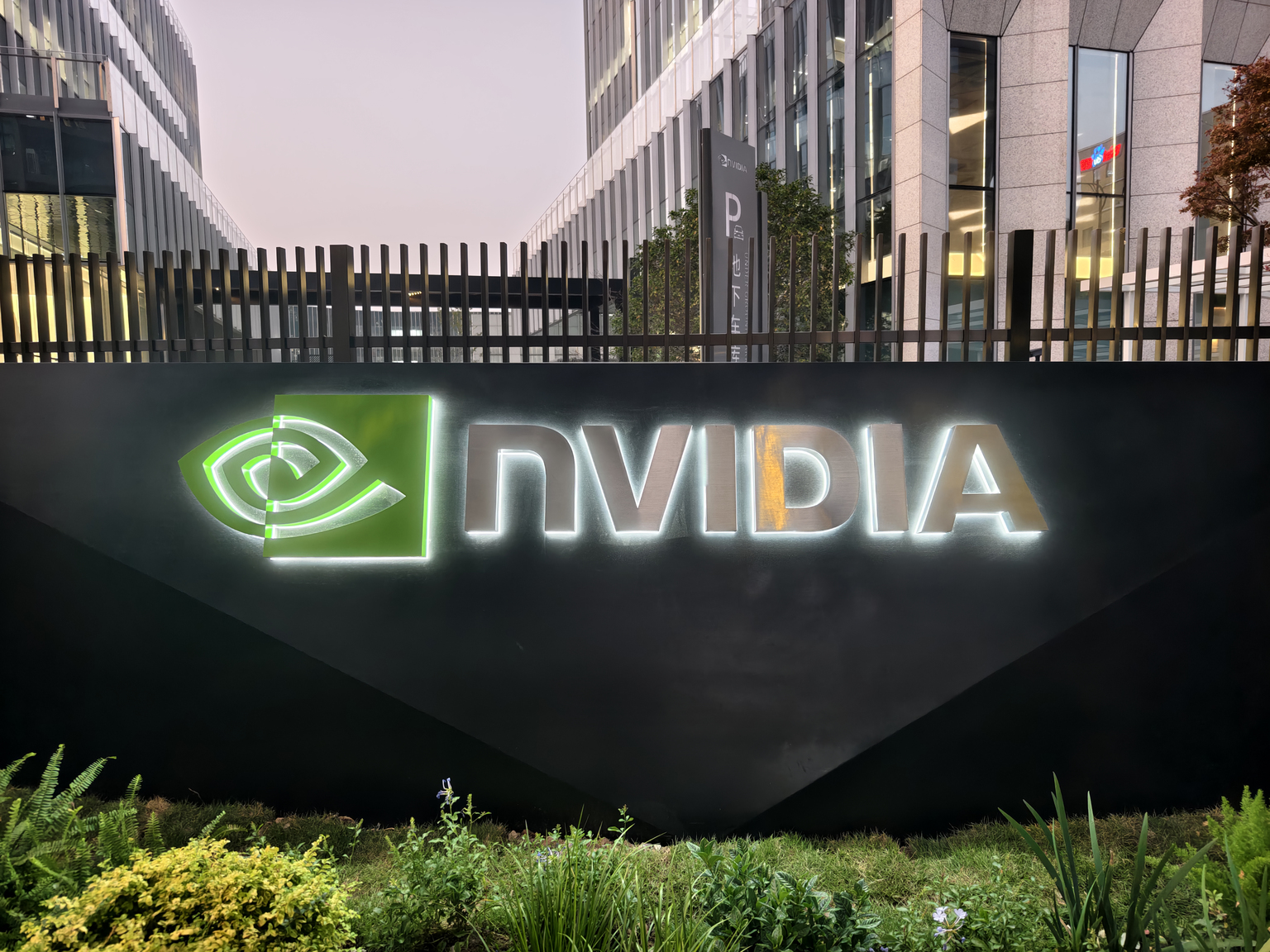
Nvidia Leases 760,000 Sq Ft Office Space in India for $130M
- Expansion Strategy: Nvidia's Indian subsidiary has leased approximately 760,000 square feet of office space in Bengaluru's Mahadevpura area under a 10-year agreement valued at over $130 million, highlighting its aggressive expansion in India's AI and engineering ecosystem.
- Security Deposit: The company has paid a security deposit exceeding $3.6 million as part of the agreement, which not only underscores its commitment to the new office space but also lays a foundation for future business growth.
- Leasing Scale: This transaction ranks among the largest office leasing deals in Bengaluru, more than doubling Nvidia's known office footprint in India, thereby further solidifying its position in the local market.
- Lease Commencement: The lease commenced on April 1, 2026, covering 12 floors at Bagmane Capital's Memphis South Tower, marking Nvidia's long-term commitment to the Indian market.
See More

Wingstop Reports 8.7% Decline in Same-Store Sales


- Same-Store Sales Decline: Wingstop reported an 8.7% decline in same-store sales, causing shares to drop over 10% in pre-market trading, indicating significant challenges in maintaining sales growth that could impact future market share and investor confidence.
- Unfavorable Guidance: The company's guidance for domestic same-store sales indicates a “low-single digit decline,” failing to instill confidence in investors and reflecting concerns about its growth potential, which may lead to further stock price volatility.
- Store Expansion Continues: Despite sales challenges, Wingstop is still increasing its store count and generating income and cash flow, suggesting a long-term optimistic outlook that could lay the groundwork for future recovery.
- Cautious Market Reaction: Investors are eagerly awaiting the upcoming earnings call, hoping management will provide more insights into the reasons behind the sales decline and the measures being taken to address it, in order to restore market confidence and stabilize the stock price.
See More
CoreWeave Set to Update Investors on Multi-Billion Dollar Deals


- Deal Value Surge: CoreWeave secured at least $63.9 billion in deals during Q1 2026, including multi-year partnerships with Perplexity and OpenAI, indicating strong growth potential in the AI computing power rental market.
- Price Target Increase: Wells Fargo raised CoreWeave's 12-month price target from $125 to $135, implying a 28% upside from Tuesday's close, reflecting optimistic market expectations for its future performance.
- Stable Earnings Outlook: Analysts anticipate CoreWeave will report Q1 results on May 7, with expectations for revenues slightly above the $1.9-2.0 billion guidance, considering the performance volatility over the past three quarters.
- Investor Confidence Boost: Among 36 analysts covering CoreWeave, 23 rate it as a buy or strong buy, indicating strong market confidence in its future growth, especially given the stock's 146% increase over the past year.
See More
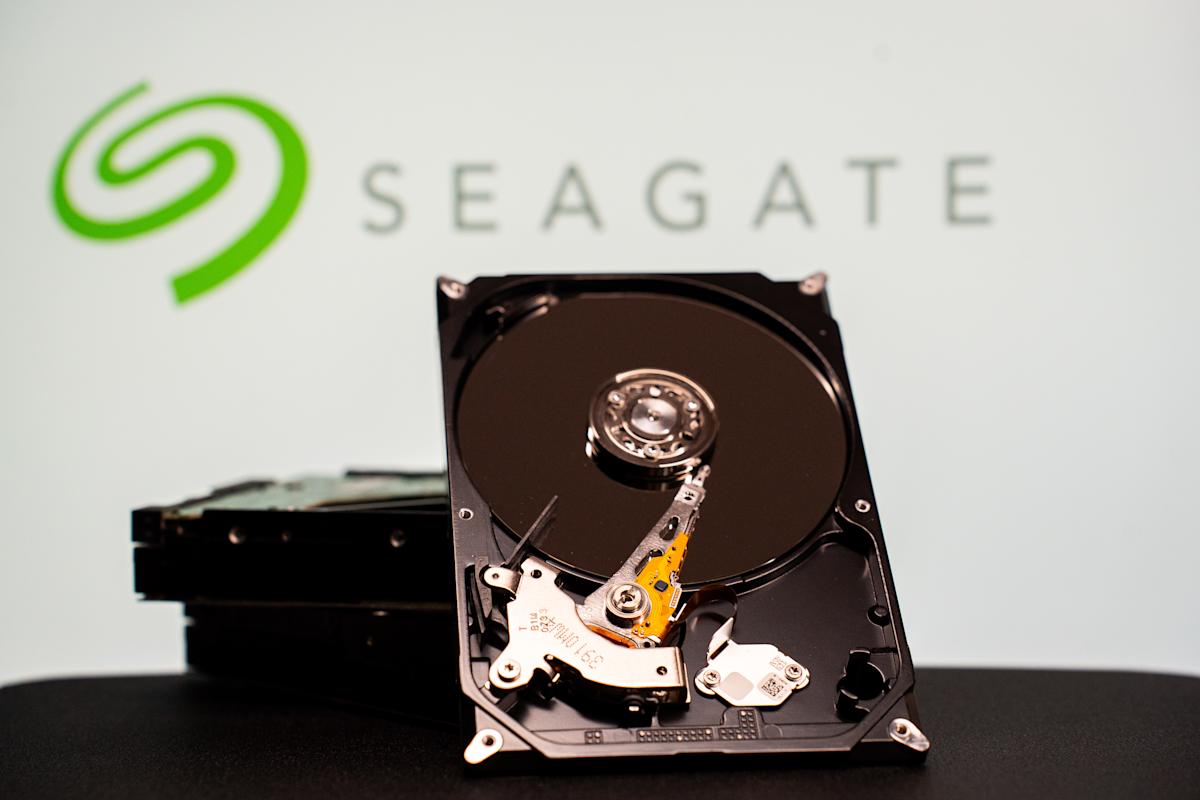
AI Boom Fuels Storage Demand Surge for Seagate and Western Digital

- Supply-Demand Tightness: According to Bank of America analyst Wamsi Mohan, hard disk drive supply remains tight as manufacturers are not increasing capacity, leading to sustained demand exceeding supply, which creates favorable profit margins for Seagate and Western Digital in the coming years.
- Earnings Forecast Upgrade: Mohan predicts that Seagate's earnings per share could approach $45 by 2028, raising its price target to $700, while Western Digital's potential earnings are set at $33 per share with a target of $495, reflecting strong market confidence.
- Significant Revenue Growth: Seagate reported $9.10 billion in annual revenue for fiscal 2025, a 39% year-over-year increase, with the latest quarterly revenue of $3.11 billion exceeding analyst expectations; Western Digital achieved $9.52 billion in annual revenue, up 51%, showcasing robust performance from both companies in the market.
- Long-Term Contracts Assurance: By securing long-term contracts, Seagate and Western Digital enhance revenue predictability, shifting to a more stable business model, while the implementation of HAMR technology reduces material costs, further boosting profitability.
See More

OpenAI Faces Legal Challenges and Market Pressures


- Significant Market Influence: OpenAI's valuation exceeds $850 billion, establishing it as a major market mover, despite its financials being private; investor focus on its revenue and spending highlights the immense potential and risks within the AI sector.
- Escalating Legal Dispute: The legal battle between OpenAI CEO Sam Altman and Tesla CEO Elon Musk intensifies, with Musk alleging breaches of the founding agreement, potentially impacting OpenAI's reputation and investor confidence.
- Shifting Partnerships: Amazon's announcement to integrate OpenAI models into its AWS cloud service, alongside Microsoft's restructuring of its partnership with OpenAI, both of which are major investors, could alter the competitive landscape in the tech industry.
- Talent Acquisition Battle: Meta's attempts to lure OpenAI employees with signing bonuses up to $100 million illustrate the fierce competition for talent in the AI field, and OpenAI's response strategies will directly affect its technological advancement and market position.
See More
Nvidia Reaches $5 Trillion Market Cap Amid Ongoing AI Boom
- Market Leadership: Nvidia stands as the largest company globally with a market cap of approximately $5 trillion, significantly ahead of Alphabet's $4.1 trillion, showcasing its dominant influence and market position in the tech sector.
- Valuation Insights: Currently trading at a P/E ratio of 42, Nvidia is considered expensive; however, with analysts projecting a forward P/E of 25, this reflects strong confidence in its future earnings potential amidst ongoing AI growth.
- Revenue Growth Forecast: Wall Street analysts estimate Nvidia's revenue growth at 31% for next year, a decrease from this year's projected 72%, yet still substantially above the market average of 10%, indicating its sustained advantage in AI infrastructure development.
- Investment Safety: Despite a recent rise in Nvidia's stock price, its valuation remains reasonable compared to the S&P 500's forward P/E of 21.8, suggesting that it continues to be a safe investment choice even after significant appreciation over the past month.
See More
Nvidia Leases 760,000 Sq Ft Office Space in India for $130M
- Expansion Strategy: Nvidia's Indian subsidiary has leased approximately 760,000 square feet of office space in Bengaluru's Mahadevpura area under a 10-year agreement valued at over $130 million, highlighting its aggressive expansion in India's AI and engineering ecosystem.
- Security Deposit: The company has paid a security deposit exceeding $3.6 million as part of the agreement, which not only underscores its commitment to the new office space but also lays a foundation for future business growth.
- Leasing Scale: This transaction ranks among the largest office leasing deals in Bengaluru, more than doubling Nvidia's known office footprint in India, thereby further solidifying its position in the local market.
- Lease Commencement: The lease commenced on April 1, 2026, covering 12 floors at Bagmane Capital's Memphis South Tower, marking Nvidia's long-term commitment to the Indian market.
See More
Wingstop Reports 8.7% Decline in Same-Store Sales
- Same-Store Sales Decline: Wingstop reported an 8.7% decline in same-store sales, causing shares to drop over 10% in pre-market trading, indicating significant challenges in maintaining sales growth that could impact future market share and investor confidence.
- Unfavorable Guidance: The company's guidance for domestic same-store sales indicates a “low-single digit decline,” failing to instill confidence in investors and reflecting concerns about its growth potential, which may lead to further stock price volatility.
- Store Expansion Continues: Despite sales challenges, Wingstop is still increasing its store count and generating income and cash flow, suggesting a long-term optimistic outlook that could lay the groundwork for future recovery.
- Cautious Market Reaction: Investors are eagerly awaiting the upcoming earnings call, hoping management will provide more insights into the reasons behind the sales decline and the measures being taken to address it, in order to restore market confidence and stabilize the stock price.
See More
CoreWeave Set to Update Investors on Multi-Billion Dollar Deals
- Deal Value Surge: CoreWeave secured at least $63.9 billion in deals during Q1 2026, including multi-year partnerships with Perplexity and OpenAI, indicating strong growth potential in the AI computing power rental market.
- Price Target Increase: Wells Fargo raised CoreWeave's 12-month price target from $125 to $135, implying a 28% upside from Tuesday's close, reflecting optimistic market expectations for its future performance.
- Stable Earnings Outlook: Analysts anticipate CoreWeave will report Q1 results on May 7, with expectations for revenues slightly above the $1.9-2.0 billion guidance, considering the performance volatility over the past three quarters.
- Investor Confidence Boost: Among 36 analysts covering CoreWeave, 23 rate it as a buy or strong buy, indicating strong market confidence in its future growth, especially given the stock's 146% increase over the past year.
See More
AI Boom Fuels Storage Demand Surge for Seagate and Western Digital
- Supply-Demand Tightness: According to Bank of America analyst Wamsi Mohan, hard disk drive supply remains tight as manufacturers are not increasing capacity, leading to sustained demand exceeding supply, which creates favorable profit margins for Seagate and Western Digital in the coming years.
- Earnings Forecast Upgrade: Mohan predicts that Seagate's earnings per share could approach $45 by 2028, raising its price target to $700, while Western Digital's potential earnings are set at $33 per share with a target of $495, reflecting strong market confidence.
- Significant Revenue Growth: Seagate reported $9.10 billion in annual revenue for fiscal 2025, a 39% year-over-year increase, with the latest quarterly revenue of $3.11 billion exceeding analyst expectations; Western Digital achieved $9.52 billion in annual revenue, up 51%, showcasing robust performance from both companies in the market.
- Long-Term Contracts Assurance: By securing long-term contracts, Seagate and Western Digital enhance revenue predictability, shifting to a more stable business model, while the implementation of HAMR technology reduces material costs, further boosting profitability.
See More
OpenAI Faces Legal Challenges and Market Pressures
- Significant Market Influence: OpenAI's valuation exceeds $850 billion, establishing it as a major market mover, despite its financials being private; investor focus on its revenue and spending highlights the immense potential and risks within the AI sector.
- Escalating Legal Dispute: The legal battle between OpenAI CEO Sam Altman and Tesla CEO Elon Musk intensifies, with Musk alleging breaches of the founding agreement, potentially impacting OpenAI's reputation and investor confidence.
- Shifting Partnerships: Amazon's announcement to integrate OpenAI models into its AWS cloud service, alongside Microsoft's restructuring of its partnership with OpenAI, both of which are major investors, could alter the competitive landscape in the tech industry.
- Talent Acquisition Battle: Meta's attempts to lure OpenAI employees with signing bonuses up to $100 million illustrate the fierce competition for talent in the AI field, and OpenAI's response strategies will directly affect its technological advancement and market position.
See More