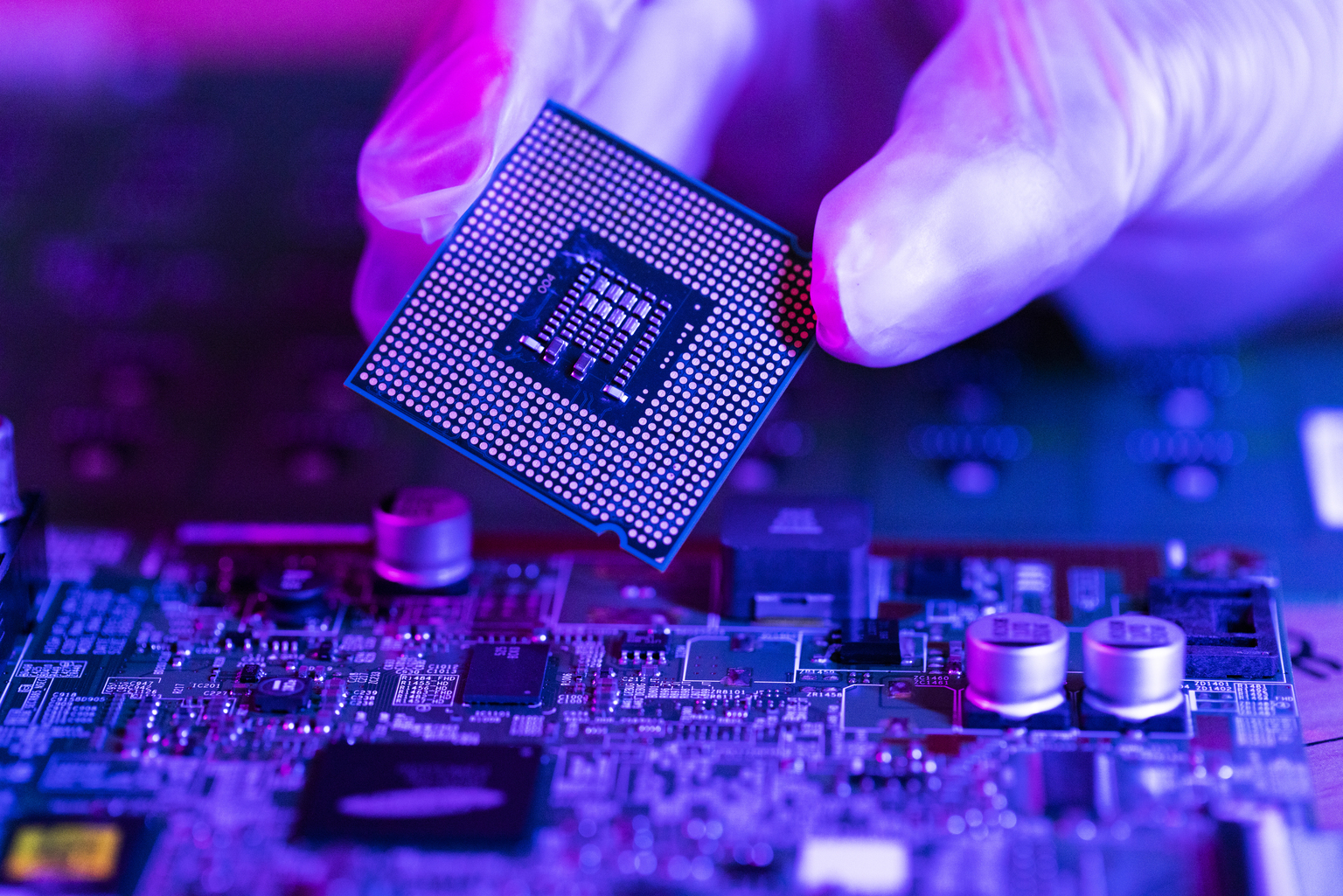
Nvidia to Invest $26 Billion in Open-Source AI Models
Written by Emily J. Thompson, Senior Investment Analyst
Updated: Mar 12 2026
0mins
Source: Benzinga
- Strategic Shift: Nvidia plans to invest $26 billion over the next five years to develop open-source AI models, marking a significant shift from its core chip business to a broader AI focus aimed at enhancing developer transparency and efficiency through an open platform.
- Market Dominance: Currently, Nvidia holds over 80% of the global AI chip market, and by expanding into AI model development, the company aims to set industry standards while boosting demand for its hardware, further solidifying its market position.
- Revenue Potential: Analysts estimate that if Nvidia maintains its hardware dominance and captures 10% of the foundational AI model market, this strategy could generate an additional $50 billion in annual revenue within three years, showcasing the substantial potential of its business model.
- Technological Leadership: Nvidia executives state that this investment aligns with the company's core interests and will inform next-generation hardware architecture, ensuring the company remains at the forefront of AI technology.
Trade with 70% Backtested Accuracy
Stop guessing "Should I Buy NVDA?" and start using high-conviction signals backed by rigorous historical data.
Sign up today to access powerful investing tools and make smarter, data-driven decisions.
Analyst Views on NVDA
Wall Street analysts forecast NVDA stock price to rise
41 Analyst Rating
39 Buy
1 Hold
1 Sell
Strong Buy
Current: 219.510

Low
200.00
Averages
264.97
High
352.00
Current: 219.510
Low
200.00
Averages
264.97
High
352.00
About NVDA
NVIDIA Corporation is an artificial intelligence (AI) infrastructure company. The Company is engaged in accelerated computing to help solve the challenging computational problems. Its segments include Compute & Networking and Graphics. The Compute & Networking segment includes its Data Center accelerated computing and networking platforms and AI solutions and software, and automotive platforms and autonomous and electric vehicle solutions, including software. The Graphics segment includes GeForce GPUs for gaming and personal computers (PCs), and Quadro/NVIDIA RTX GPUs for enterprise workstation graphics. Its technology stack includes the foundational NVIDIA CUDA development platform that runs on all NVIDIA GPUs, as well as hundreds of domain-specific software libraries, frameworks, algorithms, software development kits (SDKs), and application programming interfaces (APIs). Its platforms address four markets, which include Data Center, Gaming, Professional Visualization, and Automotive.
About the author

Emily J. Thompson
Emily J. Thompson, a Chartered Financial Analyst (CFA) with 12 years in investment research, graduated with honors from the Wharton School. Specializing in industrial and technology stocks, she provides in-depth analysis for Intellectia’s earnings and market brief reports.
Nvidia Announces $80 Billion Stock Buyback Amid AI Growth

- Earnings Beat: Nvidia's first-quarter results exceeded Wall Street expectations, showcasing robust growth in its data center business amid accelerating AI infrastructure investments, which reflects management's confidence in future revenue and profit expansion.
- Massive Buyback Authorization: The board approved an additional $80 billion stock repurchase program, indicating management's belief that the current stock price is undervalued and aiming to enhance shareholder confidence through capital return.
- Historical Buyback Trends: Over the past year, Nvidia has authorized more than $25 billion in stock buybacks, demonstrating a consistent capital return strategy, particularly returning over $41.1 billion to shareholders through buybacks and dividends in fiscal 2026.
- Attractive Market Valuation: With a current P/E ratio of 25 times expected earnings, Nvidia appears relatively undervalued compared to historical premiums during AI expansion phases, making the buyback decision not just a capital return but a strong signal of future growth potential.
See More

SpaceX IPO Expected to Be Largest in History
- Massive Capital Raise: SpaceX aims to raise approximately $75 billion through its IPO, with a valuation between $1.75 trillion and $2 trillion, positioning it as potentially the largest IPO in history and attracting significant investor interest.
- Infrastructure Supplier Dependence: While SpaceX's IPO garners attention, history indicates that infrastructure suppliers like Nvidia often achieve higher long-term returns, highlighting the market's ongoing demand for essential technology support.
- Clear Funding Utilization: The IPO proceeds will be directed towards expanding the Starlink network, enhancing Starship reusability, and designing data centers that could be deployed in orbit, all of which require substantial GPU support, thereby reinforcing the partnership with Nvidia.
- Expected Market Volatility: SpaceX stock is anticipated to experience typical post-IPO volatility, particularly after lock-up periods expire when insiders may begin to take profits, while Nvidia could benefit from the influx of capital due to its dominant position in AI infrastructure.
See More

AI Infrastructure Drives Surge in Related Stocks


- Astera Labs Growth Momentum: Astera Labs reported a 93% year-over-year revenue surge to $308.4 million in Q1, with adjusted EPS rising 84.8% to $0.61, and expects Q2 revenue to increase by 15% to 18% sequentially, indicating strong demand and market positioning in AI infrastructure.
- Marvell Technology Outlook: Marvell anticipates a more than 30% year-over-year revenue growth to nearly $11 billion in fiscal 2027, with a further 40% increase projected for fiscal 2028, showcasing robust growth potential in custom AI chips and high-speed connectivity markets.
- Credo Technology Expansion: Credo's revenue surged 201% year-over-year to $407 million in Q3 of fiscal 2026, with Q4 revenue guidance between $425 million and $435 million, reflecting ongoing demand and market expansion in cloud AI infrastructure.
- Investor Confidence Boost: Nvidia's $2 billion investment in Marvell underscores its strategic value in AI infrastructure, and as demand for efficient connectivity technologies rises, related stocks may experience significant upward momentum.
See More

Nvidia Continues to Exceed Expectations with Record Growth

- Record Revenue: Nvidia reported a record revenue of $81.6 billion for fiscal Q1 2027, representing an 85% year-over-year increase and marking 14 consecutive quarters of revenue growth, highlighting its robust performance and sustained demand in the AI sector.
- Surge in Data Center Revenue: Data center revenue, which now constitutes the bulk of Nvidia's earnings, rose 92% year-over-year to $75.2 billion, indicating the company's leadership in cloud computing and AI infrastructure, further solidifying its market share.
- High Profit Margins Maintained: Nvidia's recent gross margin of 74.9% demonstrates its ability to maintain efficient cost control and profitability while experiencing rapid growth, enhancing investor confidence in its future prospects.
- Analysts Remain Bullish: Despite market skepticism regarding Nvidia's market cap, 52 out of 54 analysts rate the stock as a buy, with an average price target of $299, indicating a potential 35% upside from current levels and reflecting optimism about its future performance.
See More

Absci Corp: The Future Potential of Drug Discovery


- Innovative Drug Discovery Platform: Absci Corp utilizes its Integrated Drug Creation platform to leverage generative AI for designing potential protein-based drugs, aiming to rapidly transform disease targets into viable biologic drug sequences, which is expected to significantly enhance drug development efficiency and reduce R&D costs.
- Strong Partner Network: Absci has established strategic collaborations with top pharmaceutical companies and tech-driven biology firms like Merck and PrecisionLife, which not only bolsters the credibility of its technology but also provides robust support for future drug development initiatives.
- Building Own Drug Pipeline: In addition to offering services, Absci is advancing its own pipeline of AI-designed biologic drug candidates, and if any of these projects successfully navigate clinical trials, it could yield substantial royalty income and product economics, further enhancing its market position.
- Long-Term Investment Value: Despite the challenges inherent in drug discovery, Absci's business model and technological platform have the potential to generate multiple drugs over the next decade, prompting investors to focus on its long-term growth potential rather than short-term fluctuations.
See More

Nvidia's Strong Growth Persists Amid Overvaluation Claims
- Significant Revenue Growth: Nvidia's latest earnings report reveals a record revenue of $81.6 billion for Q1 2027, marking an 85% year-over-year increase and achieving 14 consecutive quarters of revenue growth, showcasing its robust performance in the AI sector.
- Surge in Data Center Revenue: Data center revenue, which constitutes the bulk of Nvidia's earnings, soared by 92% year-over-year to $75.2 billion, further solidifying its leadership position in the high-margin market.
- Relatively Reasonable Valuation: Despite Nvidia's market cap exceeding $5 trillion, its forward P/E ratio stands at 25 times, significantly lower than AMD's 61 times and Broadcom's 37 times, indicating investment attractiveness amid strong profitability.
- Analysts Remain Bullish: Among the 54 analysts covering Nvidia, 52 have rated it a buy, with an average price target of $299, suggesting a 35% upside from the current stock price, reflecting market confidence in its future growth.
See More
Nvidia Announces $80 Billion Stock Buyback Amid AI Growth
- Earnings Beat: Nvidia's first-quarter results exceeded Wall Street expectations, showcasing robust growth in its data center business amid accelerating AI infrastructure investments, which reflects management's confidence in future revenue and profit expansion.
- Massive Buyback Authorization: The board approved an additional $80 billion stock repurchase program, indicating management's belief that the current stock price is undervalued and aiming to enhance shareholder confidence through capital return.
- Historical Buyback Trends: Over the past year, Nvidia has authorized more than $25 billion in stock buybacks, demonstrating a consistent capital return strategy, particularly returning over $41.1 billion to shareholders through buybacks and dividends in fiscal 2026.
- Attractive Market Valuation: With a current P/E ratio of 25 times expected earnings, Nvidia appears relatively undervalued compared to historical premiums during AI expansion phases, making the buyback decision not just a capital return but a strong signal of future growth potential.
See More
SpaceX IPO Expected to Be Largest in History
- Massive Capital Raise: SpaceX aims to raise approximately $75 billion through its IPO, with a valuation between $1.75 trillion and $2 trillion, positioning it as potentially the largest IPO in history and attracting significant investor interest.
- Infrastructure Supplier Dependence: While SpaceX's IPO garners attention, history indicates that infrastructure suppliers like Nvidia often achieve higher long-term returns, highlighting the market's ongoing demand for essential technology support.
- Clear Funding Utilization: The IPO proceeds will be directed towards expanding the Starlink network, enhancing Starship reusability, and designing data centers that could be deployed in orbit, all of which require substantial GPU support, thereby reinforcing the partnership with Nvidia.
- Expected Market Volatility: SpaceX stock is anticipated to experience typical post-IPO volatility, particularly after lock-up periods expire when insiders may begin to take profits, while Nvidia could benefit from the influx of capital due to its dominant position in AI infrastructure.
See More
AI Infrastructure Drives Surge in Related Stocks
- Astera Labs Growth Momentum: Astera Labs reported a 93% year-over-year revenue surge to $308.4 million in Q1, with adjusted EPS rising 84.8% to $0.61, and expects Q2 revenue to increase by 15% to 18% sequentially, indicating strong demand and market positioning in AI infrastructure.
- Marvell Technology Outlook: Marvell anticipates a more than 30% year-over-year revenue growth to nearly $11 billion in fiscal 2027, with a further 40% increase projected for fiscal 2028, showcasing robust growth potential in custom AI chips and high-speed connectivity markets.
- Credo Technology Expansion: Credo's revenue surged 201% year-over-year to $407 million in Q3 of fiscal 2026, with Q4 revenue guidance between $425 million and $435 million, reflecting ongoing demand and market expansion in cloud AI infrastructure.
- Investor Confidence Boost: Nvidia's $2 billion investment in Marvell underscores its strategic value in AI infrastructure, and as demand for efficient connectivity technologies rises, related stocks may experience significant upward momentum.
See More
Nvidia Continues to Exceed Expectations with Record Growth
- Record Revenue: Nvidia reported a record revenue of $81.6 billion for fiscal Q1 2027, representing an 85% year-over-year increase and marking 14 consecutive quarters of revenue growth, highlighting its robust performance and sustained demand in the AI sector.
- Surge in Data Center Revenue: Data center revenue, which now constitutes the bulk of Nvidia's earnings, rose 92% year-over-year to $75.2 billion, indicating the company's leadership in cloud computing and AI infrastructure, further solidifying its market share.
- High Profit Margins Maintained: Nvidia's recent gross margin of 74.9% demonstrates its ability to maintain efficient cost control and profitability while experiencing rapid growth, enhancing investor confidence in its future prospects.
- Analysts Remain Bullish: Despite market skepticism regarding Nvidia's market cap, 52 out of 54 analysts rate the stock as a buy, with an average price target of $299, indicating a potential 35% upside from current levels and reflecting optimism about its future performance.
See More
Absci Corp: The Future Potential of Drug Discovery
- Innovative Drug Discovery Platform: Absci Corp utilizes its Integrated Drug Creation platform to leverage generative AI for designing potential protein-based drugs, aiming to rapidly transform disease targets into viable biologic drug sequences, which is expected to significantly enhance drug development efficiency and reduce R&D costs.
- Strong Partner Network: Absci has established strategic collaborations with top pharmaceutical companies and tech-driven biology firms like Merck and PrecisionLife, which not only bolsters the credibility of its technology but also provides robust support for future drug development initiatives.
- Building Own Drug Pipeline: In addition to offering services, Absci is advancing its own pipeline of AI-designed biologic drug candidates, and if any of these projects successfully navigate clinical trials, it could yield substantial royalty income and product economics, further enhancing its market position.
- Long-Term Investment Value: Despite the challenges inherent in drug discovery, Absci's business model and technological platform have the potential to generate multiple drugs over the next decade, prompting investors to focus on its long-term growth potential rather than short-term fluctuations.
See More
Nvidia's Strong Growth Persists Amid Overvaluation Claims
- Significant Revenue Growth: Nvidia's latest earnings report reveals a record revenue of $81.6 billion for Q1 2027, marking an 85% year-over-year increase and achieving 14 consecutive quarters of revenue growth, showcasing its robust performance in the AI sector.
- Surge in Data Center Revenue: Data center revenue, which constitutes the bulk of Nvidia's earnings, soared by 92% year-over-year to $75.2 billion, further solidifying its leadership position in the high-margin market.
- Relatively Reasonable Valuation: Despite Nvidia's market cap exceeding $5 trillion, its forward P/E ratio stands at 25 times, significantly lower than AMD's 61 times and Broadcom's 37 times, indicating investment attractiveness amid strong profitability.
- Analysts Remain Bullish: Among the 54 analysts covering Nvidia, 52 have rated it a buy, with an average price target of $299, suggesting a 35% upside from the current stock price, reflecting market confidence in its future growth.
See More