McDonald's Non-GAAP EPS of $3.22 falls short by $0.11, with revenue of $7.08B missing expectations by $10M
Written by Emily J. Thompson, Senior Investment Analyst
Updated: Nov 05 2025
0mins
Source: SeekingAlpha
Earnings Performance: McDonald's reported Q3 Non-GAAP EPS of $3.22, missing expectations by $0.11, with revenue of $7.08 billion, also falling short by $10 million.
Sales Growth: Global comparable sales increased by 3.6%, with U.S. sales up 2.4%, International Operated Markets up 4.3%, and International Developmental Licensed Markets up 4.7%.
Systemwide Sales: The company achieved over $36 billion in global systemwide sales for the quarter, marking an 8% increase year-over-year, with loyalty member sales reaching approximately $34 billion over the past year.
Market Reaction: Following the earnings report, McDonald's shares fell by 2% in after-hours trading, amid discussions of its strategic business model and potential risks.
Trade with 70% Backtested Accuracy
Stop guessing "Should I Buy MCD?" and start using high-conviction signals backed by rigorous historical data.
Sign up today to access powerful investing tools and make smarter, data-driven decisions.
Analyst Views on MCD
Wall Street analysts forecast MCD stock price to rise
23 Analyst Rating
12 Buy
11 Hold
0 Sell
Moderate Buy
Current: 279.500

Low
300.00
Averages
337.63
High
375.00
Current: 279.500
Low
300.00
Averages
337.63
High
375.00
About MCD
McDonald's Corporation is a global foodservice retailer. Its segment includes U.S., International Operated Markets, and International Developmental Licensed Markets & Corporate. The U.S. segment is its largest market and is 95% franchised. The International Operated Markets segment comprises markets or countries in which it operates and franchises restaurants, including Australia, Canada, France, Germany, Italy, Poland, Spain, and the United Kingdom. This segment is 89% franchised. The International Developmental Licensed Markets & Corporate segment comprises development licensee and affiliate markets, including equity method investments in China and Japan. This segment is 99% franchised. Its menu features hamburgers and cheeseburgers, the Big Mac, the Quarter Pounder with Cheese, the Filet-O-Fish, and several chicken sandwiches, such as the McChicken and McCrispy as well as Chicken McNuggets, Fries, shakes, sundaes, cookies, soft drinks, coffee, and other beverages.
About the author

Emily J. Thompson
Emily J. Thompson, a Chartered Financial Analyst (CFA) with 12 years in investment research, graduated with honors from the Wharton School. Specializing in industrial and technology stocks, she provides in-depth analysis for Intellectia’s earnings and market brief reports.
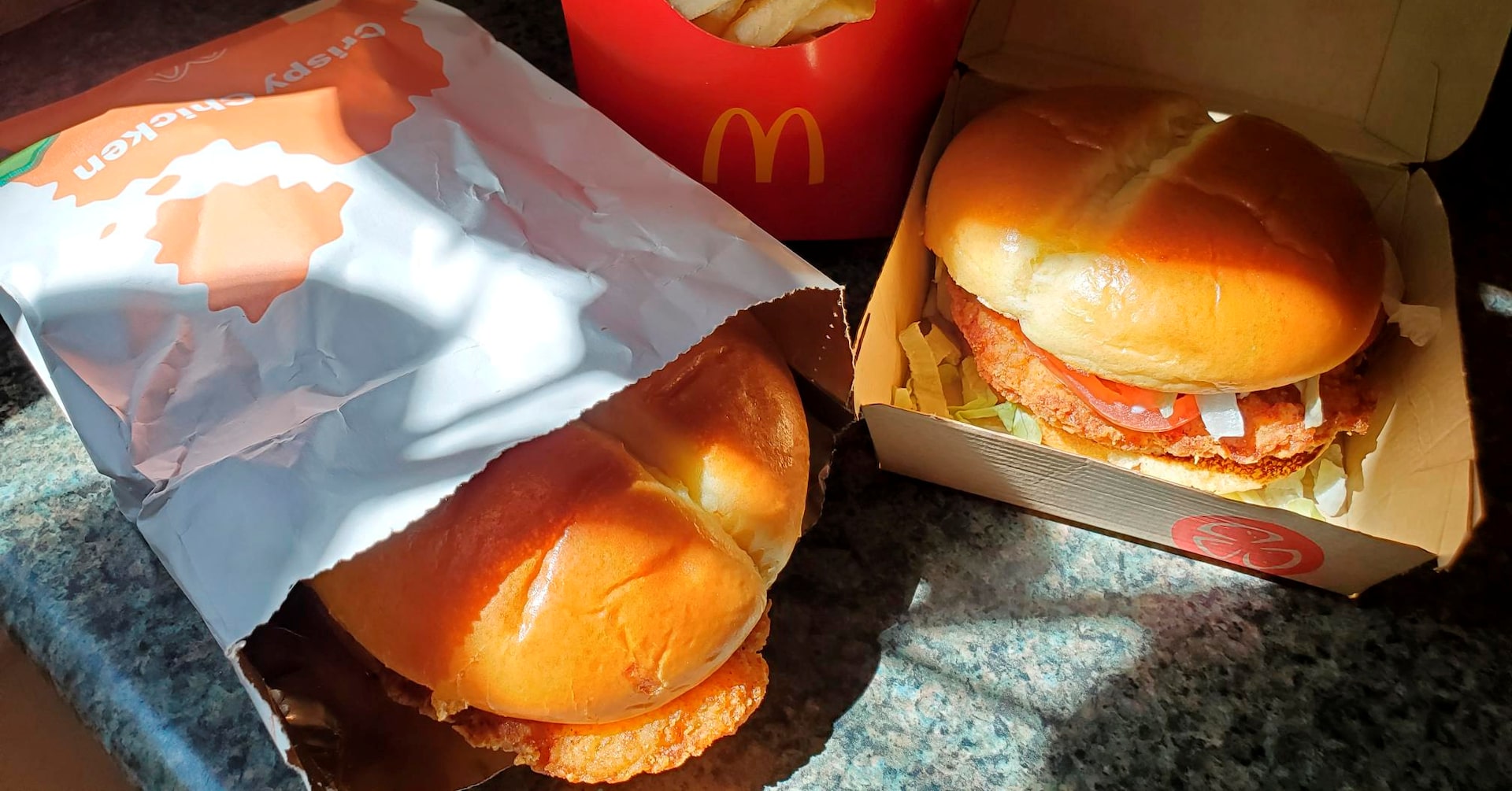
McDonald's Stock Rises as Investors Seek Defensive Assets

- Defensive Asset Appeal: Amid a sell-off in tech stocks, McDonald's shares rose about 4%, reflecting investors' preference for defensive dividend payers, even as its stock is down approximately 8% in 2026.
- Franchise Model Advantage: As of 2025, about 95% of McDonald's 45,356 restaurants are franchised, generating $13.9 billion in profits, which accounts for over 90% of total margins, ensuring stable income streams during economic uncertainty.
- Dividend Record Continuation: McDonald's has raised its dividend for 49 consecutive years, with a current quarterly payout of $1.86 per share, yielding about 2.7%, and if this trend continues, it will mark the 50th increase, a rare milestone among public companies.
- Loyalty Program Effectiveness: Global systemwide sales grew 11% to over $34 billion, with loyalty program members spending over $9 billion across 70 markets, indicating McDonald's ability to attract more customers and maintain stable revenues even in a weak economy.
See More

UBS Recommends Low Volatility Stocks to Stabilize Portfolios

- Strong Market Performance: The S&P 500 index rose 9.6% in the first half of 2026, achieving nearly a 15% increase in the second quarter, marking its best quarterly performance since 2020, despite investors facing turbulence including the onset of the Iran war.
- Low Volatility Stock Recommendations: UBS highlights the lagging performance of low volatility stocks as capital has concentrated in AI-driven sectors, suggesting investors focus on high-quality companies with resilient fundamentals and attractive valuations to mitigate portfolio swings.
- Positive Outlook for Yum Brands: The parent company of Taco Bell and KFC, Yum Brands, is expected to achieve its highest cash flow return on investment by 2027, with plans for international expansion and a KFC loyalty program driving topline growth, and its stock has risen over 10% this year.
- Significant Potential for Lockheed Martin: While UBS maintains a neutral stance on Lockheed Martin, it anticipates a positive reaction to its upcoming second-quarter earnings report, with a $35 billion defense contract potentially boosting 2026 performance, and the stock has increased by about 10%.
See More

Investors Concerned About Returns on AI Spending Amid Market Volatility

- Increased Market Volatility: Investor concerns regarding the returns on AI spending by major tech companies have led to significant market volatility, with the S&P 500 momentum index outperforming the broader market by over 70% since 2024, nearing levels seen during the dot-com bubble of the 1990s.
- Investment Strategy Shift: Jefferies recommends that investors hold high-quality, low-momentum stocks to navigate potential AI-induced market turbulence this summer, emphasizing the selection of companies with market values exceeding $10 billion and free cash flow yields above 3%.
- AI Investment Risks: Jefferies highlights that hyperscalers' capital spending in AI is projected to reach $700 billion, yet rising costs and shifting market sentiment could increase the risks associated with AI-led momentum strategies, which previously included materials and defense stocks before the outbreak of war with Iran.
- Strong Individual Stock Performance: AbbVie is rated as a high-quality stock by Jefferies, with an expected compound annual growth rate of nearly 28% from 2026 to 2027 and first-quarter global net revenues of $15 billion, primarily driven by a $7.3 billion immunology portfolio, while Netflix also features on Jefferies' list despite an 18% decline in its stock price so far in 2026.
See More
Jefferies Recommends Low-Stress Quality Stocks Amid AI Volatility
- AI Investment Risks: Jefferies highlights increasing market volatility due to concerns over AI investments, recommending that investors hold low-stress quality stocks to navigate potential risks, particularly as overinvestment in AI could lead to market corrections.
- Quality Company Screening: The high-quality companies recommended by Jefferies must have market values exceeding $10 billion, solid fundamentals, and long-term free cash flow yields above 3%, while also being valued at less than 20 times expected earnings over the next year to ensure stability in uncertain markets.
- AbbVie Standout Performance: AbbVie is rated as a top-quality stock by Jefferies, with an expected compound annual growth rate of nearly 28% for 2026-2027 and a free cash flow yield of 5.2%, reflecting a strong growth and cash flow combination, reporting $15 billion in global net revenues in Q1, largely driven by a $7.3 billion immunology portfolio.
- Cautious Outlook for Netflix: Although Netflix also received a high-quality score in Jefferies' model, forecasting a 13% revenue growth for Q2, its stock fell 10% in mid-April due to concentrated content spending in the first half, indicating market caution regarding its future performance.
See More

Analysis of Retirement Income Growth Strategies

- Income Growth Potential: Starting with a 3.5% yield and assuming an 8% annual growth, a $35,000 income can grow to approximately $140,000 in 20 years, highlighting the critical importance of compounding effects in long-term retirement income.
- High-Yield Risks: High-yield instruments like mortgage REITs may offer substantial initial income, but as principal erodes, retirees will face significant purchasing power loss over a 25-year retirement, underscoring the need for stable growth investments.
- Advantages of Dividend Growth: Companies like Johnson & Johnson and Procter & Gamble have consistently raised dividends over the past decade, achieving 175% and 70 years of dividend growth respectively, demonstrating the effectiveness of dividend growth strategies in long-term investing.
- Capital Requirement Analysis: To achieve an annual income of $60,000, a 3.5% yield requires approximately $1.714 million in capital, while a 12% yield only needs $500,000; although high yields seem attractive, stable growth investments may prove more advantageous in the long run.
See More
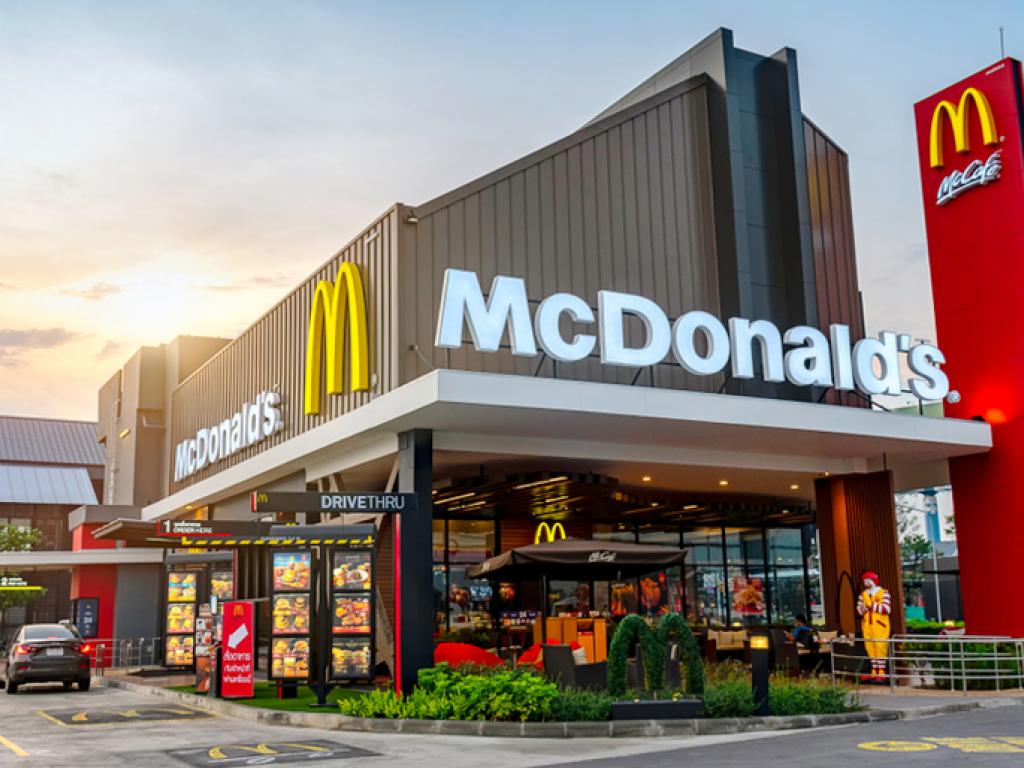
McDonald's Stock Rises 4% Amid Market Shift
- Stock Movement: McDonald's shares rose about 4% on Thursday while the Nasdaq Composite fell 0.8%, indicating a shift in investor preference towards defensive stocks amid tech sell-offs, even though the stock is down approximately 8% in 2026.
- Franchise Model: As of 2025, about 95% of McDonald's 45,356 restaurants are franchised, generating $13.9 billion in margin dollars, which highlights the stability and risk resilience of its revenue model, particularly in uncertain economic times.
- Dividend Record: McDonald's has raised its dividend for 49 consecutive years, with a current quarterly payout of $1.86 per share and a yield of about 2.7%, and is expected to announce its 50th increase this fall, a milestone that attracts income-focused investors due to its rarity among public companies.
- Loyalty Program: The loyalty program has generated over $9 billion in spending across 70 markets, demonstrating customer retention and competitive strength in a downturn, despite risks from value wars and consumer trade-downs.
See More
McDonald's Stock Rises as Investors Seek Defensive Assets
- Defensive Asset Appeal: Amid a sell-off in tech stocks, McDonald's shares rose about 4%, reflecting investors' preference for defensive dividend payers, even as its stock is down approximately 8% in 2026.
- Franchise Model Advantage: As of 2025, about 95% of McDonald's 45,356 restaurants are franchised, generating $13.9 billion in profits, which accounts for over 90% of total margins, ensuring stable income streams during economic uncertainty.
- Dividend Record Continuation: McDonald's has raised its dividend for 49 consecutive years, with a current quarterly payout of $1.86 per share, yielding about 2.7%, and if this trend continues, it will mark the 50th increase, a rare milestone among public companies.
- Loyalty Program Effectiveness: Global systemwide sales grew 11% to over $34 billion, with loyalty program members spending over $9 billion across 70 markets, indicating McDonald's ability to attract more customers and maintain stable revenues even in a weak economy.
See More
UBS Recommends Low Volatility Stocks to Stabilize Portfolios
- Strong Market Performance: The S&P 500 index rose 9.6% in the first half of 2026, achieving nearly a 15% increase in the second quarter, marking its best quarterly performance since 2020, despite investors facing turbulence including the onset of the Iran war.
- Low Volatility Stock Recommendations: UBS highlights the lagging performance of low volatility stocks as capital has concentrated in AI-driven sectors, suggesting investors focus on high-quality companies with resilient fundamentals and attractive valuations to mitigate portfolio swings.
- Positive Outlook for Yum Brands: The parent company of Taco Bell and KFC, Yum Brands, is expected to achieve its highest cash flow return on investment by 2027, with plans for international expansion and a KFC loyalty program driving topline growth, and its stock has risen over 10% this year.
- Significant Potential for Lockheed Martin: While UBS maintains a neutral stance on Lockheed Martin, it anticipates a positive reaction to its upcoming second-quarter earnings report, with a $35 billion defense contract potentially boosting 2026 performance, and the stock has increased by about 10%.
See More
Investors Concerned About Returns on AI Spending Amid Market Volatility
- Increased Market Volatility: Investor concerns regarding the returns on AI spending by major tech companies have led to significant market volatility, with the S&P 500 momentum index outperforming the broader market by over 70% since 2024, nearing levels seen during the dot-com bubble of the 1990s.
- Investment Strategy Shift: Jefferies recommends that investors hold high-quality, low-momentum stocks to navigate potential AI-induced market turbulence this summer, emphasizing the selection of companies with market values exceeding $10 billion and free cash flow yields above 3%.
- AI Investment Risks: Jefferies highlights that hyperscalers' capital spending in AI is projected to reach $700 billion, yet rising costs and shifting market sentiment could increase the risks associated with AI-led momentum strategies, which previously included materials and defense stocks before the outbreak of war with Iran.
- Strong Individual Stock Performance: AbbVie is rated as a high-quality stock by Jefferies, with an expected compound annual growth rate of nearly 28% from 2026 to 2027 and first-quarter global net revenues of $15 billion, primarily driven by a $7.3 billion immunology portfolio, while Netflix also features on Jefferies' list despite an 18% decline in its stock price so far in 2026.
See More
Jefferies Recommends Low-Stress Quality Stocks Amid AI Volatility
- AI Investment Risks: Jefferies highlights increasing market volatility due to concerns over AI investments, recommending that investors hold low-stress quality stocks to navigate potential risks, particularly as overinvestment in AI could lead to market corrections.
- Quality Company Screening: The high-quality companies recommended by Jefferies must have market values exceeding $10 billion, solid fundamentals, and long-term free cash flow yields above 3%, while also being valued at less than 20 times expected earnings over the next year to ensure stability in uncertain markets.
- AbbVie Standout Performance: AbbVie is rated as a top-quality stock by Jefferies, with an expected compound annual growth rate of nearly 28% for 2026-2027 and a free cash flow yield of 5.2%, reflecting a strong growth and cash flow combination, reporting $15 billion in global net revenues in Q1, largely driven by a $7.3 billion immunology portfolio.
- Cautious Outlook for Netflix: Although Netflix also received a high-quality score in Jefferies' model, forecasting a 13% revenue growth for Q2, its stock fell 10% in mid-April due to concentrated content spending in the first half, indicating market caution regarding its future performance.
See More
Analysis of Retirement Income Growth Strategies
- Income Growth Potential: Starting with a 3.5% yield and assuming an 8% annual growth, a $35,000 income can grow to approximately $140,000 in 20 years, highlighting the critical importance of compounding effects in long-term retirement income.
- High-Yield Risks: High-yield instruments like mortgage REITs may offer substantial initial income, but as principal erodes, retirees will face significant purchasing power loss over a 25-year retirement, underscoring the need for stable growth investments.
- Advantages of Dividend Growth: Companies like Johnson & Johnson and Procter & Gamble have consistently raised dividends over the past decade, achieving 175% and 70 years of dividend growth respectively, demonstrating the effectiveness of dividend growth strategies in long-term investing.
- Capital Requirement Analysis: To achieve an annual income of $60,000, a 3.5% yield requires approximately $1.714 million in capital, while a 12% yield only needs $500,000; although high yields seem attractive, stable growth investments may prove more advantageous in the long run.
See More
McDonald's Stock Rises 4% Amid Market Shift
- Stock Movement: McDonald's shares rose about 4% on Thursday while the Nasdaq Composite fell 0.8%, indicating a shift in investor preference towards defensive stocks amid tech sell-offs, even though the stock is down approximately 8% in 2026.
- Franchise Model: As of 2025, about 95% of McDonald's 45,356 restaurants are franchised, generating $13.9 billion in margin dollars, which highlights the stability and risk resilience of its revenue model, particularly in uncertain economic times.
- Dividend Record: McDonald's has raised its dividend for 49 consecutive years, with a current quarterly payout of $1.86 per share and a yield of about 2.7%, and is expected to announce its 50th increase this fall, a milestone that attracts income-focused investors due to its rarity among public companies.
- Loyalty Program: The loyalty program has generated over $9 billion in spending across 70 markets, demonstrating customer retention and competitive strength in a downturn, despite risks from value wars and consumer trade-downs.
See More