Nelnet Campus Commerce Advances Project Horizon Following Successful Virtual Client Summit
Project Horizon Initiative: Nelnet Campus Commerce announced significant updates to its payment technology during the 2025 Virtual Client Summit, focusing on Project Horizon, a multi-year initiative aimed at modernizing campus payment solutions for higher education institutions.
Innovative Features: Key updates include enhanced payment plans for flexibility, improvements to Nelnet Notify for personalized communication, and streamlined scholarship management to assist institutions and students facing financial pressures.
Collaborative Approach: The initiative emphasizes collaboration with client institutions through advisory boards and community engagement, ensuring that product designs meet the evolving needs of campuses.
Future-Focused Solutions: Project Horizon aims to transform payment technology and support models, with a commitment to student success and a partnership-driven approach to enhance the financial journey for students and institutions alike.
Trade with 70% Backtested Accuracy
Analyst Views on NNI

About NNI
About the author


Urgent Changes to Parent Loan Repayment Plans

- Repayment Plan Changes: Starting in July, Parent PLUS loan borrowers will lose access to income-driven repayment plans due to Trump's One Big Beautiful Bill Act, affecting approximately 3.6 million borrowers and over $114 billion in debt, leading to increased repayment burdens.
- Consolidation Opportunity: Borrowers can maintain access to IDR options by consolidating their Parent PLUS loans into a Direct Consolidation Loan by April, and experts recommend starting this process immediately to ensure completion before the July 1 deadline.
- Reduced Repayment Options: Parent borrowers who do not consolidate will face fewer repayment choices, with existing borrowers retaining access to the Standard Repayment Plan, while new borrowers will only have the new Tiered Standard Repayment Plan available, which does not offer loan forgiveness.
- Income Impact Analysis: For parent borrowers earning under $30,000 annually, the Income-Based Repayment plan results in a $0 monthly payment, while those earning $50,000 would pay $146 monthly, compared to a potential $432 under the new Tiered Standard Plan, highlighting the advantages of IDR plans.

Student Loan SAVE Plan Set to End Soon

- End of SAVE Plan: The Trump administration's announcement to terminate the SAVE plan affects approximately 7.5 million borrowers, who will receive guidance on enrolling in a new repayment plan, highlighting the legal challenges that led to the plan's blockage by a federal appeals court, impacting borrowers' repayment options and financial planning.
- Borrower Deadline: Borrowers must select a new repayment plan by July 1, 2026, as communicated by the Department of Education, with those failing to do so automatically placed into the Standard Repayment Plan, which may result in higher monthly payments than under SAVE.
- Interest Resumption Impact: With interest resuming for SAVE borrowers in August 2024, the average loan balance of $57,000 at a 6.7% interest rate means borrowers have seen their debt increase by over $2,500 since interest accrual resumed, exacerbating their financial burden.
- Diverse Repayment Options: Borrowers can enroll in existing income-driven repayment plans or wait for the new Repayment Assistance Plan, which will set monthly payments between 1% and 10% of income, demonstrating the government's flexibility in adjusting student loan policies to meet borrower needs.

End of SAVE Plan Leaves Borrowers Facing Growing Debt
- Termination of SAVE Plan: A federal appeals court has ordered the end of the SAVE plan, leaving over 7.2 million borrowers facing increasing debt, as they have been in forbearance since July 2024 without progress towards loan forgiveness.
- Debt Growth Risk: The average SAVE enrollee has a loan balance of approximately $57,000 with a 6.7% interest rate, and since interest resumed in August, their debt is projected to have increased by over $2,500, exacerbating financial strain on borrowers.
- Challenges in Applying for New Plans: With the U.S. Department of Education's limited capacity to process applications, borrowers who wait until the end of the SAVE plan to apply for new income-driven repayment options may face longer wait times, increasing their financial risks.
- Cost of Switching Repayment Plans: While the Income-Based Repayment (IBR) plan is viewed as a better option, borrowers switching from SAVE could see their monthly payments double, adding further financial burden to those already under stress.
U.S. Treasury Takes Over Student Loan Collections
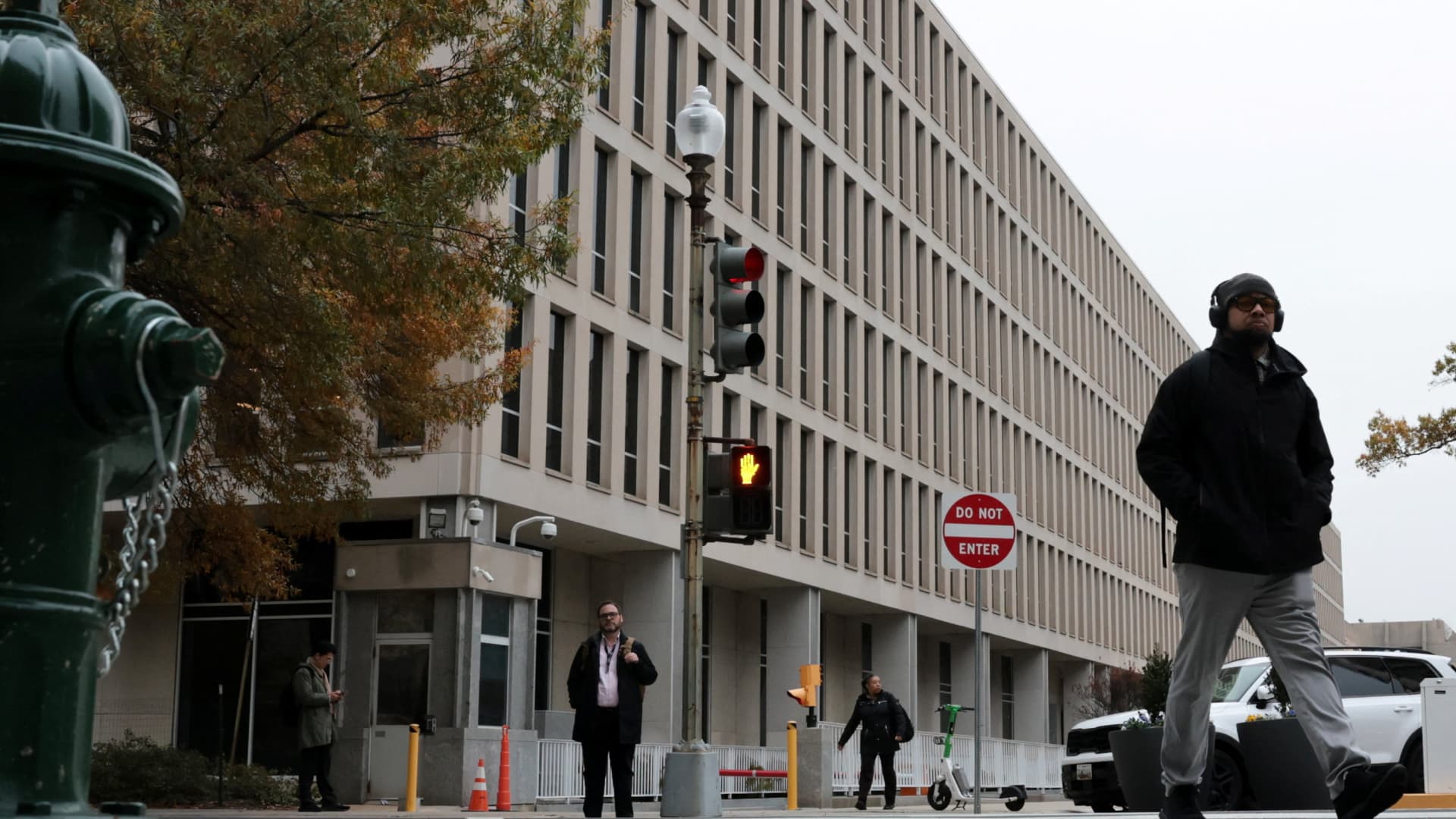
- Treasury's New Role: The U.S. Treasury will take over the collection of nearly $1.7 trillion in federal student loans, providing 'operational support' for approximately 42 million borrowers, marking a significant reform by the Trump administration that may lead to further decentralization of education management.
- Impact on Defaulted Borrowers: Currently, around 9 million borrowers are in default, and the Treasury's involvement may increase uncertainty for these borrowers, although experts note that the Treasury's collection efficiency may be lower than that of private companies, prompting borrowers to monitor their repayment history closely.
- Policy Context: The Trump administration emphasizes that the Treasury has the unique experience and capability to manage this massive debt portfolio, aiming to clean up years of mismanagement; however, borrower reactions to this transition are marked by concern and anxiety.
- Borrower Rights Protection: Despite the change in management, borrowers' rights remain protected, and experts advise borrowers to download their loan data to prevent information loss while also keeping an eye on future Treasury support measures for non-defaulted loans.

Trump Signs Executive Orders on Higher Education Amid Loan Backlog
- Loan Application Backlog: As of the end of February, over 576,000 federal student loan borrowers are still awaiting processing for income-driven repayment plan applications, indicating significant inefficiencies within the Department of Education that could exacerbate financial pressures on borrowers.
- Public Service Loan Forgiveness: An additional 88,170 borrowers are pending responses on their Public Service Loan Forgiveness buyback applications, a program designed to cancel debt for non-profit and government workers, highlighting the complexities and delays in government student loan relief efforts.
- Repayment Plan Changes: The Trump administration's policy shifts may impact existing repayment plans, particularly with the impending cancellation of the SAVE plan, which is expected to increase repayment burdens on borrowers and further strain their financial situations.
- Rising Default Rates: By December 2025, approximately 9 million borrowers were in default, with 42% of federal student loan borrowers reporting that their monthly payments hinder their ability to meet basic needs, underscoring the severe challenges posed by the current economic climate for borrowers.
U.S. Department of Education Reduces Oversight of Student Loan Servicers
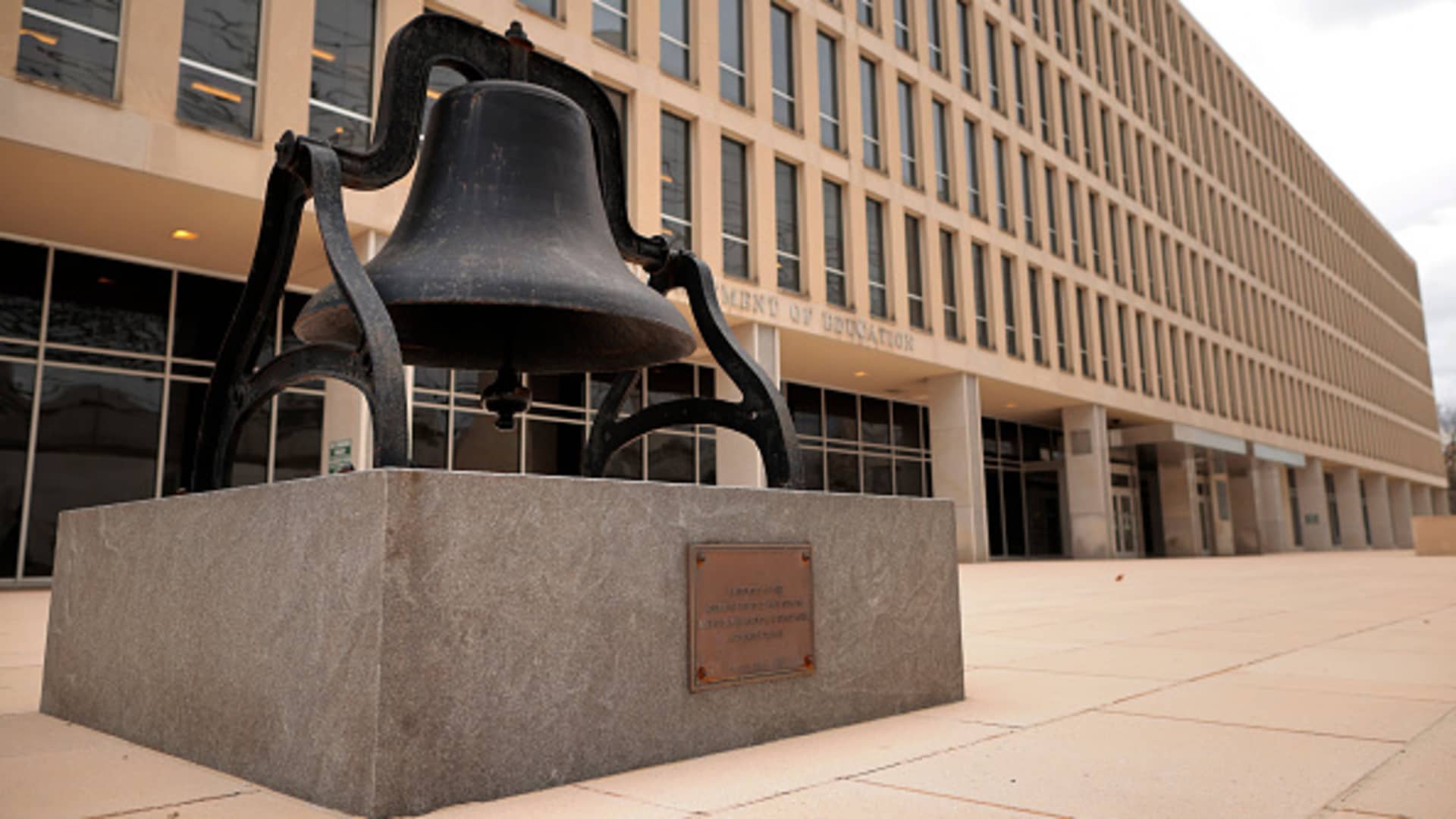
- Reduced Oversight: In February 2025, the U.S. Department of Education ceased assessing student loan servicers on accuracy and call quality, which may lead to inaccuracies in borrower records, potentially affecting 43 million borrowers with incorrect repayment statuses or overbilling risks.
- Staff Reductions: The Trump administration's cut of the Education Department's staff to 777 from 1,433 significantly diminishes the Federal Student Aid Office's capacity to effectively oversee loan servicers, undermining borrower protections.
- Borrower Challenges Intensified: The lack of oversight could result in borrowers making poor decisions regarding repayment plans, risking disqualification from forgiveness programs and defaulting, exacerbating the existing $1.6 trillion student debt crisis in the U.S.
- Recurring Historical Issues: Student loan servicers have faced long-standing criticism for misleading borrowers and failing to provide adequate support, and the Trump administration's policy changes may worsen these issues, negatively impacting borrowers' financial situations and repayment capabilities.
Urgent Changes to Parent Loan Repayment Plans
- Repayment Plan Changes: Starting in July, Parent PLUS loan borrowers will lose access to income-driven repayment plans due to Trump's One Big Beautiful Bill Act, affecting approximately 3.6 million borrowers and over $114 billion in debt, leading to increased repayment burdens.
- Consolidation Opportunity: Borrowers can maintain access to IDR options by consolidating their Parent PLUS loans into a Direct Consolidation Loan by April, and experts recommend starting this process immediately to ensure completion before the July 1 deadline.
- Reduced Repayment Options: Parent borrowers who do not consolidate will face fewer repayment choices, with existing borrowers retaining access to the Standard Repayment Plan, while new borrowers will only have the new Tiered Standard Repayment Plan available, which does not offer loan forgiveness.
- Income Impact Analysis: For parent borrowers earning under $30,000 annually, the Income-Based Repayment plan results in a $0 monthly payment, while those earning $50,000 would pay $146 monthly, compared to a potential $432 under the new Tiered Standard Plan, highlighting the advantages of IDR plans.
Student Loan SAVE Plan Set to End Soon
- End of SAVE Plan: The Trump administration's announcement to terminate the SAVE plan affects approximately 7.5 million borrowers, who will receive guidance on enrolling in a new repayment plan, highlighting the legal challenges that led to the plan's blockage by a federal appeals court, impacting borrowers' repayment options and financial planning.
- Borrower Deadline: Borrowers must select a new repayment plan by July 1, 2026, as communicated by the Department of Education, with those failing to do so automatically placed into the Standard Repayment Plan, which may result in higher monthly payments than under SAVE.
- Interest Resumption Impact: With interest resuming for SAVE borrowers in August 2024, the average loan balance of $57,000 at a 6.7% interest rate means borrowers have seen their debt increase by over $2,500 since interest accrual resumed, exacerbating their financial burden.
- Diverse Repayment Options: Borrowers can enroll in existing income-driven repayment plans or wait for the new Repayment Assistance Plan, which will set monthly payments between 1% and 10% of income, demonstrating the government's flexibility in adjusting student loan policies to meet borrower needs.
End of SAVE Plan Leaves Borrowers Facing Growing Debt
- Termination of SAVE Plan: A federal appeals court has ordered the end of the SAVE plan, leaving over 7.2 million borrowers facing increasing debt, as they have been in forbearance since July 2024 without progress towards loan forgiveness.
- Debt Growth Risk: The average SAVE enrollee has a loan balance of approximately $57,000 with a 6.7% interest rate, and since interest resumed in August, their debt is projected to have increased by over $2,500, exacerbating financial strain on borrowers.
- Challenges in Applying for New Plans: With the U.S. Department of Education's limited capacity to process applications, borrowers who wait until the end of the SAVE plan to apply for new income-driven repayment options may face longer wait times, increasing their financial risks.
- Cost of Switching Repayment Plans: While the Income-Based Repayment (IBR) plan is viewed as a better option, borrowers switching from SAVE could see their monthly payments double, adding further financial burden to those already under stress.
U.S. Treasury Takes Over Student Loan Collections
- Treasury's New Role: The U.S. Treasury will take over the collection of nearly $1.7 trillion in federal student loans, providing 'operational support' for approximately 42 million borrowers, marking a significant reform by the Trump administration that may lead to further decentralization of education management.
- Impact on Defaulted Borrowers: Currently, around 9 million borrowers are in default, and the Treasury's involvement may increase uncertainty for these borrowers, although experts note that the Treasury's collection efficiency may be lower than that of private companies, prompting borrowers to monitor their repayment history closely.
- Policy Context: The Trump administration emphasizes that the Treasury has the unique experience and capability to manage this massive debt portfolio, aiming to clean up years of mismanagement; however, borrower reactions to this transition are marked by concern and anxiety.
- Borrower Rights Protection: Despite the change in management, borrowers' rights remain protected, and experts advise borrowers to download their loan data to prevent information loss while also keeping an eye on future Treasury support measures for non-defaulted loans.
Trump Signs Executive Orders on Higher Education Amid Loan Backlog
- Loan Application Backlog: As of the end of February, over 576,000 federal student loan borrowers are still awaiting processing for income-driven repayment plan applications, indicating significant inefficiencies within the Department of Education that could exacerbate financial pressures on borrowers.
- Public Service Loan Forgiveness: An additional 88,170 borrowers are pending responses on their Public Service Loan Forgiveness buyback applications, a program designed to cancel debt for non-profit and government workers, highlighting the complexities and delays in government student loan relief efforts.
- Repayment Plan Changes: The Trump administration's policy shifts may impact existing repayment plans, particularly with the impending cancellation of the SAVE plan, which is expected to increase repayment burdens on borrowers and further strain their financial situations.
- Rising Default Rates: By December 2025, approximately 9 million borrowers were in default, with 42% of federal student loan borrowers reporting that their monthly payments hinder their ability to meet basic needs, underscoring the severe challenges posed by the current economic climate for borrowers.
U.S. Department of Education Reduces Oversight of Student Loan Servicers
- Reduced Oversight: In February 2025, the U.S. Department of Education ceased assessing student loan servicers on accuracy and call quality, which may lead to inaccuracies in borrower records, potentially affecting 43 million borrowers with incorrect repayment statuses or overbilling risks.
- Staff Reductions: The Trump administration's cut of the Education Department's staff to 777 from 1,433 significantly diminishes the Federal Student Aid Office's capacity to effectively oversee loan servicers, undermining borrower protections.
- Borrower Challenges Intensified: The lack of oversight could result in borrowers making poor decisions regarding repayment plans, risking disqualification from forgiveness programs and defaulting, exacerbating the existing $1.6 trillion student debt crisis in the U.S.
- Recurring Historical Issues: Student loan servicers have faced long-standing criticism for misleading borrowers and failing to provide adequate support, and the Trump administration's policy changes may worsen these issues, negatively impacting borrowers' financial situations and repayment capabilities.