Most Active Stocks After Hours on November 11, 2025: GRAB, HBAN, EXPI, NU, VXUS, NEE, MSFT, ACHR, SGRY, CMG, CVE, CNH


NASDAQ 100 After Hours Performance: The NASDAQ 100 After Hours Indicator rose by 32.91 to 25,566.4, with a total after-hours trading volume of 146,884,449 shares.
Active Stocks Overview: Notable active stocks include Grab Holdings (GRAB) up slightly, Huntington Bancshares (HBAN) unchanged, and eXp World Holdings (EXPI) also unchanged, with various trading volumes reported.
Earnings Forecasts and Recommendations: Companies like Microsoft (MSFT) and Huntington Bancshares (HBAN) have seen positive revisions in their earnings forecasts, with current recommendations generally in the "buy range."
Stock Price Movements: NextEra Energy (NEE) and Archer Aviation (ACHR) experienced slight increases, while Cenovus Energy (CVE) saw a decrease, reflecting varied market responses among different stocks.
Trade with 70% Backtested Accuracy
Analyst Views on CMG

About CMG
About the author

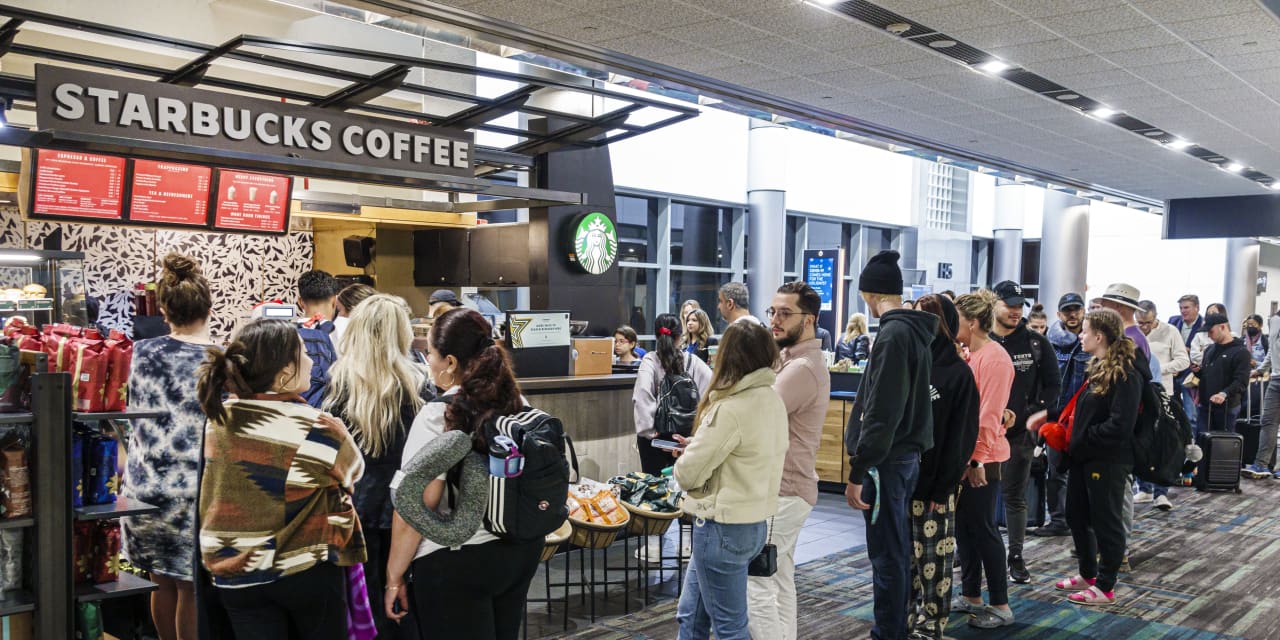
Investment Choices: Comparing Dutch Bros and Starbucks


- Starbucks Market Position: Starbucks operates over 41,000 locations globally, generating $9.5 billion in revenue in Q2 2026, with same-store sales rising 6.2%, indicating its strong influence in the coffee market, though growth potential is limited.
- Dutch Bros Growth Potential: With approximately 1,200 locations in the U.S., Dutch Bros opened 41 new stores in Q1 2026, achieving a 16% year-over-year increase in locations, showcasing its robust expansion momentum and potential for greater market share.
- Chipotle Value Investment: Chipotle has around 4,100 locations globally, and despite a modest 0.5% same-store sales growth in Q1, overall sales increased by 7%, indicating growth potential even in challenging times, making it a suitable pairing with Dutch Bros for investment.
- Diversity in Asset Allocation: Opting to invest in both Dutch Bros and Chipotle instead of solely in Starbucks allows for portfolio diversification, combining growth and value investments, thereby optimizing the efficiency of capital allocation.

Investment Choices in the Coffee Market
- Starbucks Market Position: Starbucks operates over 41,000 locations globally, generating $9.5 billion in revenue for Q2 2026, with same-store sales rising 6.2%, indicating strong competitive strength in the coffee market; however, the opening of only 11 new stores suggests challenges in expansion.
- Rapid Growth of Dutch Bros: Dutch Bros has approximately 1,200 locations across 25 U.S. states, opening 41 new stores in Q1 2026 and achieving a 16% year-over-year increase in locations, showcasing its robust growth potential and the likelihood of reaching a quarter of Starbucks's size in the future.
- Chipotle's Turnaround Potential: Chipotle operates around 4,100 locations globally, with same-store sales rising only 0.5% and earnings down nearly 18% in Q1, yet overall sales increased by 7%, indicating growth potential despite current challenges, making it appealing for value investors.
- Attractive Asset Allocation: Opting to invest in both Dutch Bros and Chipotle instead of solely Starbucks allows for diversification, providing a growth investment alongside a value investment for the same capital, appealing to investors looking to mitigate risk.

Trump Accounts Gain Support from Major Companies


- Increased Corporate Support: Major companies, including Goldman Sachs and Morgan Stanley, have pledged to match the federal $1,000 contribution for employees' children’s Trump Accounts, aiming to promote early wealth accumulation and enhance financial security for families.
- Government Funding Initiative: The U.S. Treasury provides a $1,000 initial deposit for tax-deferred Trump Accounts opened for children born between 2025 and 2028, further incentivizing family investment and promoting wealth management for children.
- Additional Funding Opportunities: Children born between 2016 and 2024 may qualify for a $250 contribution if they live in areas with a median income of $150,000 or less, stemming from a $6.25 billion pledge by tech CEO Michael Dell and his wife.
- Innovative Philanthropic Model: Altimeter Capital CEO Brad Gerstner noted that the launch of Trump Accounts unlocks a new form of philanthropy, with expectations of more companies joining in, and many announcements to follow, further promoting the adoption of children’s investment accounts.

Wendy's Stock Soars 50% Amid Meme Stock Frenzy


- Stock Surge: Wendy's stock surged by as much as 50% due to increased interest from Reddit traders, despite the company facing declining same-store sales and brand issues, highlighting the volatility driven by investor sentiment.
- Industry Competitors: While Wendy's struggles, other strong stocks in the restaurant sector, such as Toast, have shown a 26% year-over-year increase in annual recurring revenue (ARR) and are utilized in over 171,000 restaurant locations, indicating a robust competitive advantage.
- Profitability Growth: Toast's latest quarterly report reveals a 26% year-over-year ARR growth and strong profitability, with its stock price approximately 45% below its 52-week high, suggesting it could be an attractive investment opportunity.
- Starbucks Recovery: Under Brian Niccol's leadership, Starbucks has implemented the

Wendy's Stock Soars 50% Amid Meme Stock Frenzy
- Significant Stock Volatility: Wendy's stock surged by up to 50% due to interest from Reddit traders, despite facing declining same-store sales and brand issues, indicating the risks associated with retail investors chasing short-term volatility.
- Strong Performance of Toast: In the latest quarter, Toast's annual recurring revenue grew by 26% year-over-year and demonstrated strong profitability, despite heightened concerns about AI disruption, as its usage in over 171,000 restaurants highlights its competitive moat.
- Successful Transformation at Starbucks: Under Brian Niccol's leadership, Starbucks has implemented the 'Back to Starbucks' initiative, significantly improving service efficiency, with a recent quarter showing a 32% year-over-year EPS growth and an expected comparable sales growth of at least 5%, indicating a recovery in growth momentum.
- Investment Strategy Advice: While chasing meme stocks like Wendy's may seem appealing, the volatility of short-term trading often leads to losses; investors are advised to focus on long-term opportunities with improving fundamentals for more stable returns.

Surge in Options Trading Volume for Visa and Chipotle


- Visa Options Volume: Visa Inc saw options trading volume of 47,268 contracts, equating to approximately 4.7 million shares, representing 53.1% of its average daily trading volume of 8.9 million shares over the past month, indicating strong market interest in its future performance.
- High-Frequency Trading Insight: Within Visa, the $360 strike call option stands out with 23,290 contracts traded today, representing about 2.3 million shares, suggesting investor expectations for a price increase in the future.
- Chipotle Options Activity: Chipotle Mexican Grill Inc experienced options trading volume of 116,221 contracts, approximately 11.6 million shares, accounting for 50.3% of its average daily trading volume of 23.1 million shares over the past month, reflecting active trading sentiment in the market.
- Put Option Interest: For Chipotle, the $25 strike put option saw a trading volume of 98,022 contracts, representing around 9.8 million shares, highlighting investor concerns regarding potential downside risks in its stock price.
Investment Choices: Comparing Dutch Bros and Starbucks
- Starbucks Market Position: Starbucks operates over 41,000 locations globally, generating $9.5 billion in revenue in Q2 2026, with same-store sales rising 6.2%, indicating its strong influence in the coffee market, though growth potential is limited.
- Dutch Bros Growth Potential: With approximately 1,200 locations in the U.S., Dutch Bros opened 41 new stores in Q1 2026, achieving a 16% year-over-year increase in locations, showcasing its robust expansion momentum and potential for greater market share.
- Chipotle Value Investment: Chipotle has around 4,100 locations globally, and despite a modest 0.5% same-store sales growth in Q1, overall sales increased by 7%, indicating growth potential even in challenging times, making it a suitable pairing with Dutch Bros for investment.
- Diversity in Asset Allocation: Opting to invest in both Dutch Bros and Chipotle instead of solely in Starbucks allows for portfolio diversification, combining growth and value investments, thereby optimizing the efficiency of capital allocation.
Investment Choices in the Coffee Market
- Starbucks Market Position: Starbucks operates over 41,000 locations globally, generating $9.5 billion in revenue for Q2 2026, with same-store sales rising 6.2%, indicating strong competitive strength in the coffee market; however, the opening of only 11 new stores suggests challenges in expansion.
- Rapid Growth of Dutch Bros: Dutch Bros has approximately 1,200 locations across 25 U.S. states, opening 41 new stores in Q1 2026 and achieving a 16% year-over-year increase in locations, showcasing its robust growth potential and the likelihood of reaching a quarter of Starbucks's size in the future.
- Chipotle's Turnaround Potential: Chipotle operates around 4,100 locations globally, with same-store sales rising only 0.5% and earnings down nearly 18% in Q1, yet overall sales increased by 7%, indicating growth potential despite current challenges, making it appealing for value investors.
- Attractive Asset Allocation: Opting to invest in both Dutch Bros and Chipotle instead of solely Starbucks allows for diversification, providing a growth investment alongside a value investment for the same capital, appealing to investors looking to mitigate risk.
Trump Accounts Gain Support from Major Companies
- Increased Corporate Support: Major companies, including Goldman Sachs and Morgan Stanley, have pledged to match the federal $1,000 contribution for employees' children’s Trump Accounts, aiming to promote early wealth accumulation and enhance financial security for families.
- Government Funding Initiative: The U.S. Treasury provides a $1,000 initial deposit for tax-deferred Trump Accounts opened for children born between 2025 and 2028, further incentivizing family investment and promoting wealth management for children.
- Additional Funding Opportunities: Children born between 2016 and 2024 may qualify for a $250 contribution if they live in areas with a median income of $150,000 or less, stemming from a $6.25 billion pledge by tech CEO Michael Dell and his wife.
- Innovative Philanthropic Model: Altimeter Capital CEO Brad Gerstner noted that the launch of Trump Accounts unlocks a new form of philanthropy, with expectations of more companies joining in, and many announcements to follow, further promoting the adoption of children’s investment accounts.
Wendy's Stock Soars 50% Amid Meme Stock Frenzy
- Stock Surge: Wendy's stock surged by as much as 50% due to increased interest from Reddit traders, despite the company facing declining same-store sales and brand issues, highlighting the volatility driven by investor sentiment.
- Industry Competitors: While Wendy's struggles, other strong stocks in the restaurant sector, such as Toast, have shown a 26% year-over-year increase in annual recurring revenue (ARR) and are utilized in over 171,000 restaurant locations, indicating a robust competitive advantage.
- Profitability Growth: Toast's latest quarterly report reveals a 26% year-over-year ARR growth and strong profitability, with its stock price approximately 45% below its 52-week high, suggesting it could be an attractive investment opportunity.
- Starbucks Recovery: Under Brian Niccol's leadership, Starbucks has implemented the
Wendy's Stock Soars 50% Amid Meme Stock Frenzy
- Significant Stock Volatility: Wendy's stock surged by up to 50% due to interest from Reddit traders, despite facing declining same-store sales and brand issues, indicating the risks associated with retail investors chasing short-term volatility.
- Strong Performance of Toast: In the latest quarter, Toast's annual recurring revenue grew by 26% year-over-year and demonstrated strong profitability, despite heightened concerns about AI disruption, as its usage in over 171,000 restaurants highlights its competitive moat.
- Successful Transformation at Starbucks: Under Brian Niccol's leadership, Starbucks has implemented the 'Back to Starbucks' initiative, significantly improving service efficiency, with a recent quarter showing a 32% year-over-year EPS growth and an expected comparable sales growth of at least 5%, indicating a recovery in growth momentum.
- Investment Strategy Advice: While chasing meme stocks like Wendy's may seem appealing, the volatility of short-term trading often leads to losses; investors are advised to focus on long-term opportunities with improving fundamentals for more stable returns.
Surge in Options Trading Volume for Visa and Chipotle
- Visa Options Volume: Visa Inc saw options trading volume of 47,268 contracts, equating to approximately 4.7 million shares, representing 53.1% of its average daily trading volume of 8.9 million shares over the past month, indicating strong market interest in its future performance.
- High-Frequency Trading Insight: Within Visa, the $360 strike call option stands out with 23,290 contracts traded today, representing about 2.3 million shares, suggesting investor expectations for a price increase in the future.
- Chipotle Options Activity: Chipotle Mexican Grill Inc experienced options trading volume of 116,221 contracts, approximately 11.6 million shares, accounting for 50.3% of its average daily trading volume of 23.1 million shares over the past month, reflecting active trading sentiment in the market.
- Put Option Interest: For Chipotle, the $25 strike put option saw a trading volume of 98,022 contracts, representing around 9.8 million shares, highlighting investor concerns regarding potential downside risks in its stock price.