

Micron Technology, Nike, FedEx And Other Big Stocks Moving Lower In Friday's Pre-Market Session
Written by Emily J. Thompson, Senior Investment Analyst
Updated: Mar 21 2025
0mins


Source: Benzinga
U.S. Stock Market Overview: U.S. stock futures are down, with the Dow futures dropping around 100 points. Micron Technology reported strong second-quarter earnings but saw its shares fall 2.6% in pre-market trading.
Other Notable Stock Movements: Several companies experienced significant declines in pre-market trading, including InnovAge Holding Corp (-20%), MAC Copper Limited (-14.8%), and FedEx Corporation (-7.7%), despite some reporting better-than-expected earnings.
Trade with 70% Backtested Accuracy
Stop guessing "Should I Buy NKE?" and start using high-conviction signals backed by rigorous historical data.
Sign up today to access powerful investing tools and make smarter, data-driven decisions.
Analyst Views on NKE
Wall Street analysts forecast NKE stock price to rise
21 Analyst Rating
14 Buy
7 Hold
0 Sell
Moderate Buy
Current: 43.060

Low
62.00
Averages
76.11
High
110.00
Current: 43.060
Low
62.00
Averages
76.11
High
110.00
About NKE
NIKE, Inc. is engaged in the designing, marketing and distributing of athletic footwear, apparel, equipment and accessories and services for sports and fitness activities. The Company's operating segments include North America; Europe, Middle East & Africa (EMEA); Greater China; and Asia Pacific & Latin America (APLA). It sells a line of equipment and accessories under the NIKE Brand name, including bags, socks, sport balls, eyewear, timepieces, digital devices, bats, gloves, protective equipment and other equipment designed for sports activities. It also designs products specifically for the Jordan Brand and Converse. The Jordan Brand designs, distributes and licenses athletic and casual footwear, apparel and accessories predominantly focused on basketball performance and culture using the Jumpman trademark. The Company also designs, distributes and licenses casual sneakers, apparel and accessories under the Chuck Taylor, All Star, One Star, Star Chevron and Jack Purcell trademarks.
About the author

Emily J. Thompson
Emily J. Thompson, a Chartered Financial Analyst (CFA) with 12 years in investment research, graduated with honors from the Wharton School. Specializing in industrial and technology stocks, she provides in-depth analysis for Intellectia’s earnings and market brief reports.
U.S. Stocks Rise Post-Holiday Amid Labor Data and Tech Volatility

- Weak Job Data: The U.S. added only 57,000 jobs in June, missing expectations, while the unemployment rate unexpectedly fell to 4.2%, indicating ongoing uncertainty in the labor market that could influence future monetary policy decisions.
- Meta's Cloud Expansion: Meta Platforms is building a cloud business to monetize its excess AI computing capacity, aiming to compete with major cloud providers like Amazon, Microsoft, and Google, which could significantly enhance its revenue streams.
- Comcast Split Plan: Comcast announced plans to split into two publicly traded companies, with NBCUniversal becoming independent and focusing on media assets, while the remaining Comcast will concentrate on broadband and wireless services, potentially strengthening their competitive positions.
- Nike Tariff Refund: Nike expects to receive $986 million in tariff refunds, significantly boosting its quarterly net income, demonstrating the company's agility in navigating policy changes and its overall financial health.
See More

Wall Street Kicks Off Q3 with Mixed Results


- Market Overview: Wall Street kicked off Q3 with mixed results after a strong first half in 2026, as the S&P 500 remained flat while the Dow reached a record close during a holiday-shortened week, indicating market sensitivity to economic data.
- Tech Stock Volatility: The Nasdaq faced back-to-back losses with semiconductor stocks dropping 6.3% on Wednesday and 5.4% on Thursday, reflecting investor caution despite an overall weekly market uptick.
- AI Boosts Cybersecurity Stocks: Cybersecurity stocks surged due to the AI boom, with Palo Alto Networks and CrowdStrike gaining 14.5% and 10.7% respectively, showcasing increased investor confidence in cybersecurity investments.
- Meta's Cloud Business Outlook: Meta Platforms announced plans to launch a cloud infrastructure business, leading to an over 8% jump in shares on Wednesday, indicating the company is addressing investor concerns about its capital expenditures by seeking new revenue streams through AI computing power sales.
See More

Halper Sadeh LLC Investigates Nike Executives' Fiduciary Duties
- Shareholder Rights Investigation: Halper Sadeh LLC is investigating whether certain executives at Nike, Inc. breached their fiduciary duties, which could impact corporate governance and shareholder rights.
- Legal Fee Arrangement: The firm operates on a contingency fee basis, meaning shareholders will not incur out-of-pocket legal expenses, thereby reducing financial barriers to participation and encouraging more shareholders to get involved.
- Importance of Shareholder Participation: Involvement from shareholders can drive improvements in company policies and oversight mechanisms, enhancing transparency and accountability, which ultimately boosts shareholder value.
- Global Investor Support: Halper Sadeh LLC represents investors worldwide, focusing on implementing corporate reforms and recovering millions for defrauded investors, showcasing their expertise in securities fraud and corporate misconduct.
See More

U.S. Stocks Show Strong Performance in First Week of July Trading

- Strong Stock Performance: The Dow Jones Industrial Average reached an all-time high on Thursday, rising 1.3% for the week, while the S&P 500 and Nasdaq Composite increased by 1.2% and 1.6%, respectively, indicating a robust market rebound and investor confidence.
- Significant Quarterly Gains: The S&P 500 and Nasdaq recorded their largest quarterly gains since 2020 in the second quarter, reflecting strong economic recovery momentum, particularly as the small-cap Russell 2000 posted its biggest first-half gain since 1991, showcasing optimism towards small businesses.
- Impact of Employment Data: Although the U.S. economy added 57,000 jobs in June, significantly below the expected 115,000, this data bolstered investor expectations that the Fed may hesitate to raise rates in the near term, providing short-term support for the stock market.
- Cautious Future Outlook: Despite a strong first half, analysts express skepticism about further upside in the second half, with forecasts suggesting the S&P 500 will rise about 4% to 7,807 by 2026, reflecting expectations for strong corporate earnings and productivity gains.
See More
7-Eleven Sues Nike Over Air Max 95 Trademark Infringement
- Trademark Infringement Lawsuit: 7-Eleven has filed a lawsuit against Nike in federal court in Texas, alleging that the upcoming Air Max 95 sneaker infringes its trademark due to a design resembling the convenience store's signature orange, green, and red branding, which could mislead consumers into thinking the shoe is associated with 7-Eleven.
- Release Date Connection: The shoe is set to launch on July 11, coinciding with 7-Eleven Day and the retailer's annual Free Slurpee Day promotion, which heightens the risk of consumer confusion and could negatively impact 7-Eleven's brand image.
- Trademark Registration History: 7-Eleven asserts that it has utilized the tricolor design for decades and holds multiple trademark registrations, emphasizing its legal rights to protect its brand identity from infringement.
- Lawsuit Demands: The retailer seeks to block the sales of the sneaker, recall products already distributed, and recover monetary damages along with Nike's profits from the footwear, demonstrating its commitment to safeguarding its brand rights.
See More

Cisco Systems Declines 1.8% Amid Dow Performance


- Stock Performance: Cisco Systems is down 1.8% today, making it the worst-performing component of the Dow, reflecting market concerns about its short-term outlook, which could impact investor confidence.
- Year-to-Date Gains: Despite today's decline, Cisco has gained 49.2% year-to-date, indicating strong performance over the past year and suggesting potential for long-term growth in the company.
- Market Dynamics: Other Dow components are also moving, with Caterpillar down 1.5% and Nike up 3.2%, indicating varied market reactions to different companies, which may influence portfolio allocation strategies.
- Investor Sentiment: The decline in Cisco's stock may prompt investors to reassess its future performance, especially amid overall market volatility, potentially leading to capital outflows.
See More
U.S. Stocks Rise Post-Holiday Amid Labor Data and Tech Volatility
- Weak Job Data: The U.S. added only 57,000 jobs in June, missing expectations, while the unemployment rate unexpectedly fell to 4.2%, indicating ongoing uncertainty in the labor market that could influence future monetary policy decisions.
- Meta's Cloud Expansion: Meta Platforms is building a cloud business to monetize its excess AI computing capacity, aiming to compete with major cloud providers like Amazon, Microsoft, and Google, which could significantly enhance its revenue streams.
- Comcast Split Plan: Comcast announced plans to split into two publicly traded companies, with NBCUniversal becoming independent and focusing on media assets, while the remaining Comcast will concentrate on broadband and wireless services, potentially strengthening their competitive positions.
- Nike Tariff Refund: Nike expects to receive $986 million in tariff refunds, significantly boosting its quarterly net income, demonstrating the company's agility in navigating policy changes and its overall financial health.
See More
Wall Street Kicks Off Q3 with Mixed Results
- Market Overview: Wall Street kicked off Q3 with mixed results after a strong first half in 2026, as the S&P 500 remained flat while the Dow reached a record close during a holiday-shortened week, indicating market sensitivity to economic data.
- Tech Stock Volatility: The Nasdaq faced back-to-back losses with semiconductor stocks dropping 6.3% on Wednesday and 5.4% on Thursday, reflecting investor caution despite an overall weekly market uptick.
- AI Boosts Cybersecurity Stocks: Cybersecurity stocks surged due to the AI boom, with Palo Alto Networks and CrowdStrike gaining 14.5% and 10.7% respectively, showcasing increased investor confidence in cybersecurity investments.
- Meta's Cloud Business Outlook: Meta Platforms announced plans to launch a cloud infrastructure business, leading to an over 8% jump in shares on Wednesday, indicating the company is addressing investor concerns about its capital expenditures by seeking new revenue streams through AI computing power sales.
See More
Halper Sadeh LLC Investigates Nike Executives' Fiduciary Duties
- Shareholder Rights Investigation: Halper Sadeh LLC is investigating whether certain executives at Nike, Inc. breached their fiduciary duties, which could impact corporate governance and shareholder rights.
- Legal Fee Arrangement: The firm operates on a contingency fee basis, meaning shareholders will not incur out-of-pocket legal expenses, thereby reducing financial barriers to participation and encouraging more shareholders to get involved.
- Importance of Shareholder Participation: Involvement from shareholders can drive improvements in company policies and oversight mechanisms, enhancing transparency and accountability, which ultimately boosts shareholder value.
- Global Investor Support: Halper Sadeh LLC represents investors worldwide, focusing on implementing corporate reforms and recovering millions for defrauded investors, showcasing their expertise in securities fraud and corporate misconduct.
See More
U.S. Stocks Show Strong Performance in First Week of July Trading
- Strong Stock Performance: The Dow Jones Industrial Average reached an all-time high on Thursday, rising 1.3% for the week, while the S&P 500 and Nasdaq Composite increased by 1.2% and 1.6%, respectively, indicating a robust market rebound and investor confidence.
- Significant Quarterly Gains: The S&P 500 and Nasdaq recorded their largest quarterly gains since 2020 in the second quarter, reflecting strong economic recovery momentum, particularly as the small-cap Russell 2000 posted its biggest first-half gain since 1991, showcasing optimism towards small businesses.
- Impact of Employment Data: Although the U.S. economy added 57,000 jobs in June, significantly below the expected 115,000, this data bolstered investor expectations that the Fed may hesitate to raise rates in the near term, providing short-term support for the stock market.
- Cautious Future Outlook: Despite a strong first half, analysts express skepticism about further upside in the second half, with forecasts suggesting the S&P 500 will rise about 4% to 7,807 by 2026, reflecting expectations for strong corporate earnings and productivity gains.
See More
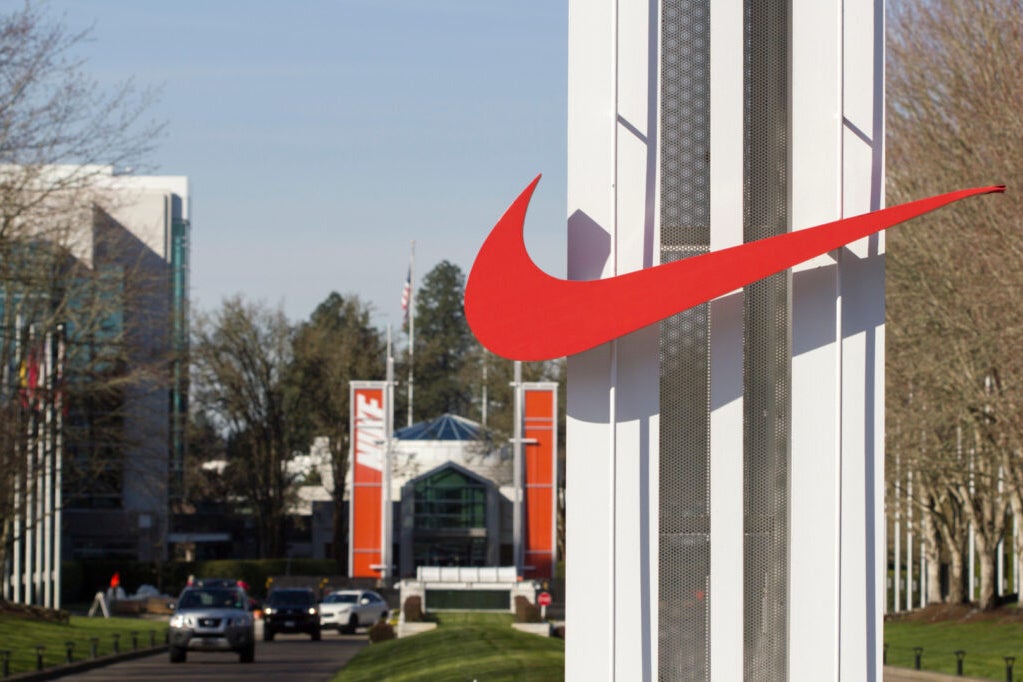
7-Eleven Sues Nike Over Air Max 95 Trademark Infringement
- Trademark Infringement Lawsuit: 7-Eleven has filed a lawsuit against Nike in federal court in Texas, alleging that the upcoming Air Max 95 sneaker infringes its trademark due to a design resembling the convenience store's signature orange, green, and red branding, which could mislead consumers into thinking the shoe is associated with 7-Eleven.
- Release Date Connection: The shoe is set to launch on July 11, coinciding with 7-Eleven Day and the retailer's annual Free Slurpee Day promotion, which heightens the risk of consumer confusion and could negatively impact 7-Eleven's brand image.
- Trademark Registration History: 7-Eleven asserts that it has utilized the tricolor design for decades and holds multiple trademark registrations, emphasizing its legal rights to protect its brand identity from infringement.
- Lawsuit Demands: The retailer seeks to block the sales of the sneaker, recall products already distributed, and recover monetary damages along with Nike's profits from the footwear, demonstrating its commitment to safeguarding its brand rights.
See More
Cisco Systems Declines 1.8% Amid Dow Performance
- Stock Performance: Cisco Systems is down 1.8% today, making it the worst-performing component of the Dow, reflecting market concerns about its short-term outlook, which could impact investor confidence.
- Year-to-Date Gains: Despite today's decline, Cisco has gained 49.2% year-to-date, indicating strong performance over the past year and suggesting potential for long-term growth in the company.
- Market Dynamics: Other Dow components are also moving, with Caterpillar down 1.5% and Nike up 3.2%, indicating varied market reactions to different companies, which may influence portfolio allocation strategies.
- Investor Sentiment: The decline in Cisco's stock may prompt investors to reassess its future performance, especially amid overall market volatility, potentially leading to capital outflows.
See More





