Market Watch: Meta Partners with Nebius for AI Capacity
Written by Emily J. Thompson, Senior Investment Analyst
Updated: Mar 16 2026
0mins

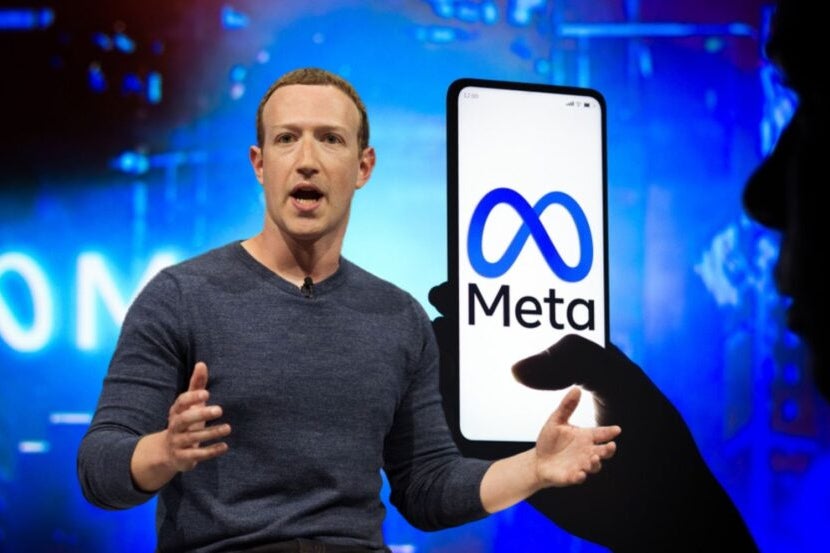
Should l Buy META?
Source: CNBC
- Meta and Nebius Partnership: Meta Platforms has signed a five-year deal with cloud company Nebius, potentially worth up to $27 billion, indicating a strategic investment in AI computing capacity as Meta plans to utilize Nvidia's next-generation Vera Rubin platform.
- Layoff Plans Impact: Meta's potential 20% workforce reduction aims to balance AI spending, estimated to save between $5 billion and $6 billion, which, while not significantly impacting this year's expenses, is expected to boost earnings next year, reflecting the company's focus on cost control.
- Micron's New Facility: Micron is planning to build a new manufacturing facility for leading-edge DRAM products in Taiwan to address the supply crunch caused by the AI boom, showcasing the company's proactive expansion strategy in the global semiconductor market.
- Eaton Acquisition Impact: Jefferies reinstated coverage of Eaton with a buy rating, highlighting that its acquisition of Boyd Thermal will enhance Eaton's exposure to AI-related business, indicating market confidence in electrical equipment suppliers' roles in emerging technologies.
Trade with 70% Backtested Accuracy
Stop guessing "Should I Buy META?" and start using high-conviction signals backed by rigorous historical data.
Sign up today to access powerful investing tools and make smarter, data-driven decisions.
Analyst Views on META
Wall Street analysts forecast META stock price to rise
44 Analyst Rating
37 Buy
6 Hold
1 Sell
Strong Buy
Current: 670.910

Low
655.15
Averages
824.71
High
1117
Current: 670.910
Low
655.15
Averages
824.71
High
1117
About META
Meta Platforms, Inc. is building human connections, powered by artificial intelligence and immersive technologies. The Company's products enable people to connect and share with friends and family through mobile devices, personal computers, virtual reality (VR) and mixed reality (MR) headsets, augmented reality (AR), and wearables. It also helps people discover and learn about what is going on in the world around them, enabling people to share their experiences, ideas, photos, videos, and other content with audiences ranging from their closest family members and friends to the public at large. The Company's segments include Family of Apps (FoA) and Reality Labs (RL). FoA segment includes Facebook, Instagram, Messenger, WhatsApp and Threads. RL segment includes its virtual, augmented, and mixed reality related consumer hardware, software and content. Its product offerings in VR include its Meta Quest devices, as well as software and content available through the Meta Horizon Store.
About the author

Emily J. Thompson
Emily J. Thompson, a Chartered Financial Analyst (CFA) with 12 years in investment research, graduated with honors from the Wharton School. Specializing in industrial and technology stocks, she provides in-depth analysis for Intellectia’s earnings and market brief reports.
Meta Begins $1 Billion Data Center Construction in Oklahoma

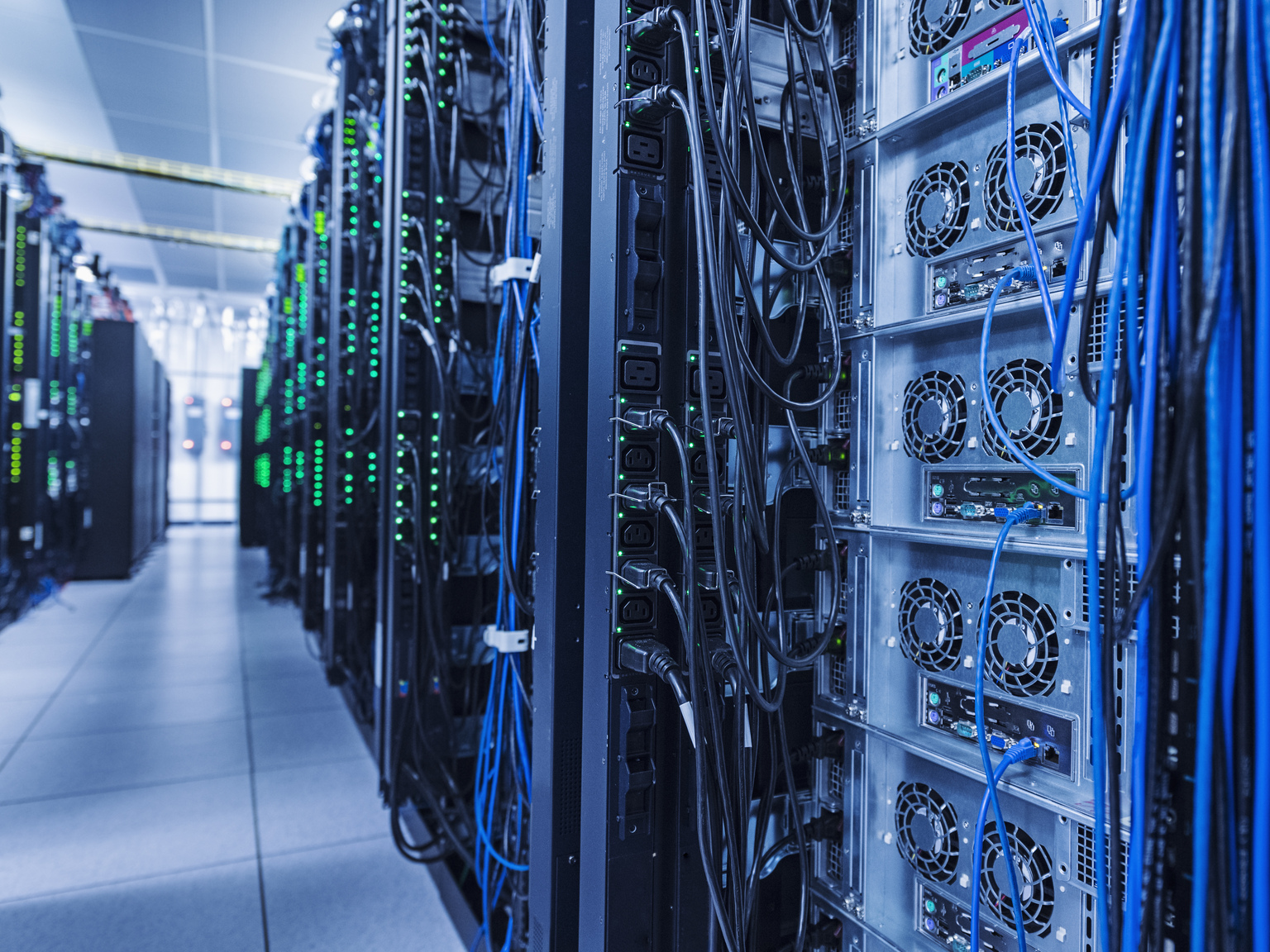
- Massive Investment: Meta has commenced construction on a new data center in Tulsa, Oklahoma, with a project value exceeding $1 billion, aimed at bolstering its AI infrastructure to meet the growing demand for computing power.
- Intensifying Industry Competition: As Meta accelerates its data center development, competition with other Big Tech firms intensifies, particularly in the pursuit of superintelligence technologies, highlighting the company's commitment to future technological advancements.
- Rising Environmental Concerns: Despite the critical need for expanded data centers to enhance computing capabilities, increasing pushback from environmental and consumer groups against energy-intensive expansions may impact the project's sustainability and social responsibility.
- Strategic Implications: This investment not only strengthens infrastructure but also represents a key move for Meta to solidify its market position in the global tech race, indicating a long-term commitment to future technology landscapes.
See More
Meta Invests Over $1 Billion in New Oklahoma Data Center
- Data Center Construction: Meta has commenced the construction of a new data center in Tulsa, Oklahoma, with an investment exceeding $1 billion, aimed at accelerating AI infrastructure expansion and enhancing computing capacity, reflecting the company's ambitions in the superintelligence domain.
- Infrastructure Investment: In addition to the data center, Meta is investing over $25 million in local infrastructure improvements, including roads and water facilities, further driving regional economic development and enhancing community service levels.
- Job Creation: The project is expected to employ over 1,000 construction workers at its peak, and once operational, the data center will create approximately 100 long-term jobs, boosting the local job market's vitality.
- Global Expansion: The Tulsa data center marks Meta's 28th facility in the U.S. and 32nd worldwide, highlighting the company's ongoing efforts to expand its global data center network to meet the increasing demand for computing resources.
See More

Issues in Enforcing Australia's Teen Social Media Ban Highlight Platform Shortcomings

- Application Issues: The Age Verification Providers Association (AVPA) highlights that the problems in enforcing Australia's teen social media ban stem from the application of technology rather than its capability, indicating a need for stronger enforcement and expectations.
- Regulatory Investigations Intensify: Australia's eSafety Commissioner is investigating Meta's Facebook and Instagram, Google's YouTube, TikTok, and Snap for suspected breaches of the law prohibiting users under 16, with potential fines reaching A$49.5 million.
- Compliance Gaps: Despite regulatory data showing millions of suspected under-age accounts have been removed since the law's enactment, persistent issues remain, such as failures to verify age at account setup, indicating a lack of effective enforcement at critical points.
- Technology vs. Behavior: The AVPA report suggests that while age assurance technology can operate accurately, social media platforms fail to apply these tools consistently at key moments like account registration, indicating that platform behavior significantly impacts compliance more than technological limitations.
See More

Trump Extends Iran Ceasefire Deadline Amid Market Uncertainty

- Ceasefire Extension: President Trump has extended the Iran ceasefire deadline by two weeks, a move that may exacerbate uncertainty in the Middle East conflict as Tehran shows reluctance to engage in diplomatic efforts, potentially impacting global market sentiment.
- Tariff Policy Impact: Trump expressed hope that U.S. companies that have not sought refunds for his tariffs will adhere to a 'no take back' policy, despite the Supreme Court ruling the tariffs illegal; major firms like Apple and Amazon have yet to file for refunds, which could affect their future financial performance.
- Market Reaction: Following Trump's announcement of the ceasefire extension, U.S. stock index futures rose, despite a lower close on Tuesday, while crude oil prices increased, indicating market sensitivity to developments in the Middle East.
- Aviation Industry Outlook: United Airlines has slashed its 2026 earnings outlook due to supply chain issues stemming from the Middle East conflict, reflecting the direct impact of soaring fuel prices on the airline industry and potentially leading to broader industry adjustments.
See More

The Future of Tech Stocks: Challenges and Opportunities for the Magnificent Seven

- Poor Performance of Magnificent Seven: In the first quarter, every stock in the Magnificent Seven experienced negative growth, with declines ranging from 6% to 23%, reflecting a significant drop in investor confidence in growth stocks amid uncertainties like the Iran conflict.
- Challenging Market Environment: The war in Iran has driven up oil prices and complicated industrial supply deliveries, exacerbating investor concerns about tech stocks, particularly regarding the future returns of AI investments.
- Historical Performance Review: Despite facing challenges, the Magnificent Seven has achieved triple or quadruple-digit growth over the past 20 years, with historical data indicating that quality tech stocks tend to rebound quickly, providing hope for shareholders.
- Diversification Investment Strategy: While the Magnificent Seven remains a key growth driver, other strong tech companies like Broadcom and Oracle are also showing impressive growth, suggesting that investors should consider diversifying their portfolios to capture broader market opportunities amid the AI boom.
See More

Magnificent Seven Tech Stocks Struggle in Q1
- Q1 Performance Decline: In the first quarter of 2023, all Magnificent Seven tech stocks experienced negative performance, with declines ranging from 6% to 23%, indicating a waning investor confidence in high-growth stocks amid escalating uncertainties from the Iran conflict.
- Investor Hesitation: Concerns over AI investment levels have led investors to hesitate before buying these previously high-performing tech stocks, resulting in a cooling of enthusiasm for the Magnificent Seven and impacting their stock price stability and future growth expectations.
- Historical Performance Review: Despite facing short-term challenges, these tech giants have shown triple or quadruple-digit growth over the past 20 years, rebounding from crises, which reinforces shareholder confidence in their long-term growth potential.
- Diversification Strategy: While the Magnificent Seven remains a focal point, other strong tech players like Broadcom and Oracle are also delivering impressive growth, suggesting that investors should consider diversification to capture broader market opportunities.
See More
Meta Begins $1 Billion Data Center Construction in Oklahoma
- Massive Investment: Meta has commenced construction on a new data center in Tulsa, Oklahoma, with a project value exceeding $1 billion, aimed at bolstering its AI infrastructure to meet the growing demand for computing power.
- Intensifying Industry Competition: As Meta accelerates its data center development, competition with other Big Tech firms intensifies, particularly in the pursuit of superintelligence technologies, highlighting the company's commitment to future technological advancements.
- Rising Environmental Concerns: Despite the critical need for expanded data centers to enhance computing capabilities, increasing pushback from environmental and consumer groups against energy-intensive expansions may impact the project's sustainability and social responsibility.
- Strategic Implications: This investment not only strengthens infrastructure but also represents a key move for Meta to solidify its market position in the global tech race, indicating a long-term commitment to future technology landscapes.
See More
Meta Invests Over $1 Billion in New Oklahoma Data Center
- Data Center Construction: Meta has commenced the construction of a new data center in Tulsa, Oklahoma, with an investment exceeding $1 billion, aimed at accelerating AI infrastructure expansion and enhancing computing capacity, reflecting the company's ambitions in the superintelligence domain.
- Infrastructure Investment: In addition to the data center, Meta is investing over $25 million in local infrastructure improvements, including roads and water facilities, further driving regional economic development and enhancing community service levels.
- Job Creation: The project is expected to employ over 1,000 construction workers at its peak, and once operational, the data center will create approximately 100 long-term jobs, boosting the local job market's vitality.
- Global Expansion: The Tulsa data center marks Meta's 28th facility in the U.S. and 32nd worldwide, highlighting the company's ongoing efforts to expand its global data center network to meet the increasing demand for computing resources.
See More
Issues in Enforcing Australia's Teen Social Media Ban Highlight Platform Shortcomings
- Application Issues: The Age Verification Providers Association (AVPA) highlights that the problems in enforcing Australia's teen social media ban stem from the application of technology rather than its capability, indicating a need for stronger enforcement and expectations.
- Regulatory Investigations Intensify: Australia's eSafety Commissioner is investigating Meta's Facebook and Instagram, Google's YouTube, TikTok, and Snap for suspected breaches of the law prohibiting users under 16, with potential fines reaching A$49.5 million.
- Compliance Gaps: Despite regulatory data showing millions of suspected under-age accounts have been removed since the law's enactment, persistent issues remain, such as failures to verify age at account setup, indicating a lack of effective enforcement at critical points.
- Technology vs. Behavior: The AVPA report suggests that while age assurance technology can operate accurately, social media platforms fail to apply these tools consistently at key moments like account registration, indicating that platform behavior significantly impacts compliance more than technological limitations.
See More
Trump Extends Iran Ceasefire Deadline Amid Market Uncertainty
- Ceasefire Extension: President Trump has extended the Iran ceasefire deadline by two weeks, a move that may exacerbate uncertainty in the Middle East conflict as Tehran shows reluctance to engage in diplomatic efforts, potentially impacting global market sentiment.
- Tariff Policy Impact: Trump expressed hope that U.S. companies that have not sought refunds for his tariffs will adhere to a 'no take back' policy, despite the Supreme Court ruling the tariffs illegal; major firms like Apple and Amazon have yet to file for refunds, which could affect their future financial performance.
- Market Reaction: Following Trump's announcement of the ceasefire extension, U.S. stock index futures rose, despite a lower close on Tuesday, while crude oil prices increased, indicating market sensitivity to developments in the Middle East.
- Aviation Industry Outlook: United Airlines has slashed its 2026 earnings outlook due to supply chain issues stemming from the Middle East conflict, reflecting the direct impact of soaring fuel prices on the airline industry and potentially leading to broader industry adjustments.
See More
The Future of Tech Stocks: Challenges and Opportunities for the Magnificent Seven
- Poor Performance of Magnificent Seven: In the first quarter, every stock in the Magnificent Seven experienced negative growth, with declines ranging from 6% to 23%, reflecting a significant drop in investor confidence in growth stocks amid uncertainties like the Iran conflict.
- Challenging Market Environment: The war in Iran has driven up oil prices and complicated industrial supply deliveries, exacerbating investor concerns about tech stocks, particularly regarding the future returns of AI investments.
- Historical Performance Review: Despite facing challenges, the Magnificent Seven has achieved triple or quadruple-digit growth over the past 20 years, with historical data indicating that quality tech stocks tend to rebound quickly, providing hope for shareholders.
- Diversification Investment Strategy: While the Magnificent Seven remains a key growth driver, other strong tech companies like Broadcom and Oracle are also showing impressive growth, suggesting that investors should consider diversifying their portfolios to capture broader market opportunities amid the AI boom.
See More
Magnificent Seven Tech Stocks Struggle in Q1
- Q1 Performance Decline: In the first quarter of 2023, all Magnificent Seven tech stocks experienced negative performance, with declines ranging from 6% to 23%, indicating a waning investor confidence in high-growth stocks amid escalating uncertainties from the Iran conflict.
- Investor Hesitation: Concerns over AI investment levels have led investors to hesitate before buying these previously high-performing tech stocks, resulting in a cooling of enthusiasm for the Magnificent Seven and impacting their stock price stability and future growth expectations.
- Historical Performance Review: Despite facing short-term challenges, these tech giants have shown triple or quadruple-digit growth over the past 20 years, rebounding from crises, which reinforces shareholder confidence in their long-term growth potential.
- Diversification Strategy: While the Magnificent Seven remains a focal point, other strong tech players like Broadcom and Oracle are also delivering impressive growth, suggesting that investors should consider diversification to capture broader market opportunities.
See More