Kuwait Cuts Oil Production Amid Storage Shortage
Written by Emily J. Thompson, Senior Investment Analyst
Updated: 2 days ago
0mins
Should l Buy JPM?
Source: Benzinga
- Production Cuts: Kuwait, a key OPEC member, has begun scaling back production at some oil fields due to a lack of storage space, with further reductions anticipated in the next 12 days to prevent storage capacity from being reached.
- Domestic Consumption Focus: The country is contemplating additional cuts to its production and refining capacity, which would prioritize domestic consumption, potentially impacting its supply capabilities in the international market.
- Global Supply Risks: The ongoing conflict in the Middle East has led to Kuwait's storage crisis, with reports of oil tanker attacks and potential blockades creating uncertainty in the stability of the global oil market, which could result in price hikes and supply disruptions.
- Iraq's Production Impact: Concurrently, Iraq has reduced its oil production by over half, including a cut of 700,000 barrels per day from the Rumaila field, a last-resort measure that risks long-term damage and high restart costs.
Trade with 70% Backtested Accuracy
Stop guessing "Should I Buy JPM?" and start using high-conviction signals backed by rigorous historical data.
Sign up today to access powerful investing tools and make smarter, data-driven decisions.
Analyst Views on JPM
Wall Street analysts forecast JPM stock price to rise
19 Analyst Rating
11 Buy
7 Hold
1 Sell
Moderate Buy
Current: 289.480

Low
260.00
Averages
341.38
High
400.00
Current: 289.480
Low
260.00
Averages
341.38
High
400.00
About JPM
JPMorgan Chase & Co. is a financial holding company. The Company is engaged in investment banking, financial services for consumers and small businesses, commercial banking, financial transaction processing and asset management. The Company operates through three segments: Consumer & Community Banking (CCB), Commercial & Investment Bank (CIB), and Asset & Wealth Management (AWM). Its CCB segment offers products and services to consumers and small businesses through bank branches, ATMs, digital and telephone banking. Its CIB segment consists of banking and payments and markets and securities services, and offers a suite of investment banking, lending, payments, market-making, financing, custody and securities products and services to a global base of corporate and institutional clients. AWM segment offers investment and wealth management solutions. It offers multi-asset investment management solutions, retirement products and services, brokerage, custody, estate planning, and others.
About the author

Emily J. Thompson
Emily J. Thompson, a Chartered Financial Analyst (CFA) with 12 years in investment research, graduated with honors from the Wharton School. Specializing in industrial and technology stocks, she provides in-depth analysis for Intellectia’s earnings and market brief reports.
Federal Reserve Chair Nominee Faces Blockage

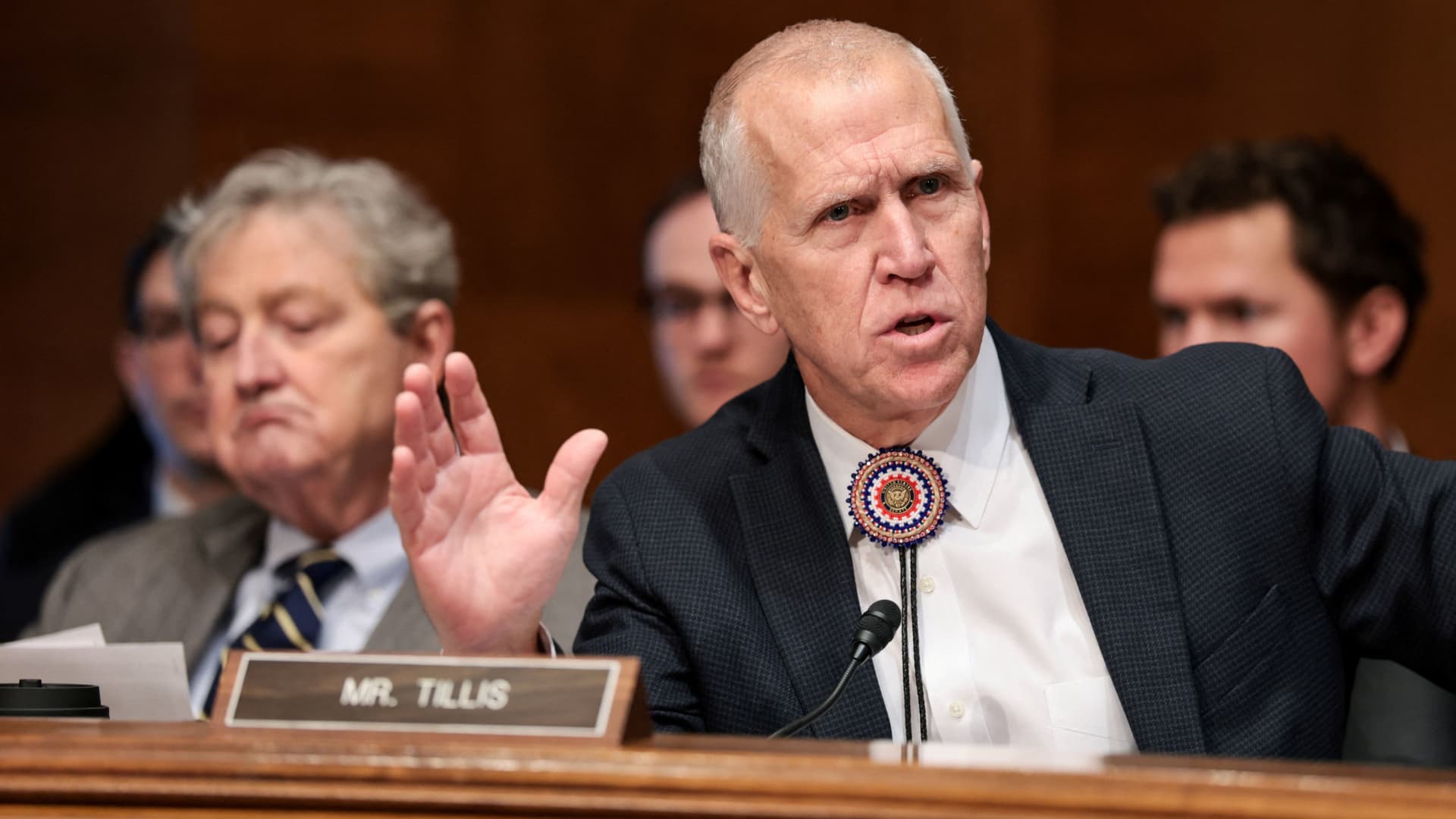
- Nomination Blockage: Federal Reserve chair nominee Kevin Warsh is set to meet with Senator Thom Tillis, who is blocking his nomination due to objections over President Trump's attacks on the central bank, highlighting the political dynamics affecting the nomination process.
- Investigation Impact: Tillis has stated he will not vote to confirm any Fed nominees until the Department of Justice drops its criminal investigation into current chair Jerome Powell, a stance that could delay Warsh's nomination and impact the stability of Fed leadership.
- Interest Rate Outlook: Powell's term ends on May 15, although he can remain on the Fed board until 2028, with the current benchmark interest rate at 3.5%-3.75%, while Trump desires a reduction to 1% or lower, indicating a divergence in policy direction.
- Market Expectations: Despite oil disruptions from the Iran war prompting some Fed officials to question the feasibility of further rate cuts, investors overwhelmingly expect the Fed to keep rates steady in next week's meeting, reflecting uncertainty in future policy actions.
See More

Vertiv's Surge in Data Center Cooling Market

- Institutional Investment Surge: Since Q3 2025, 920 institutional investors have opened or expanded positions in Vertiv, with BlackRock and State Street increasing their stakes by 2.38% and 2.29%, respectively, indicating strong confidence in the company's growth prospects.
- Strong Financial Performance: In 2025, Vertiv's net sales reached $10.23 billion, a 26% increase year-over-year, exceeding guidance by $30 million, reflecting robust demand for data center cooling infrastructure.
- Profitability Improvement: Vertiv's adjusted EPS grew by 47% year-over-year, with projections for 2026 EPS to hit $6.15, showcasing the company's sustained growth potential in the AI-driven market.
- Attractive Valuation: Although the current P/E ratio stands at 73.24, down from 75.74 in 2024, its PEG ratio of 0.80 suggests that Vertiv's stock remains undervalued, attracting investor interest amid anticipated future earnings growth.
See More

Dimon Warns of Rising Risks in Financial Markets

- Market Risk Warning: JPMorgan CEO Jamie Dimon highlighted that the current financial environment mirrors pre-2008 crisis conditions, with high asset prices and increased risk-taking potentially leading to instability in the markets.
- Concerns Over Borrowing: Dimon noted that the financial industry is becoming comfortable with high leverage and heavy borrowing, recalling similar patterns from 2005 to 2007, indicating that market participants may overlook risks in pursuit of short-term gains.
- Geopolitical Risks: While increased government spending and deregulation may support short-term economic growth, Dimon warned that geopolitical uncertainty and global trade tensions pose longer-term threats that need to be addressed.
- System Safety Recommendations: Dimon suggested that the Federal Reserve's large balance sheet could be improved by changing post-failure rules to enhance the safety of the financial system, thereby reducing panic associated with bank failures.
See More
Surge in Demand for Vertiv's Cooling Systems
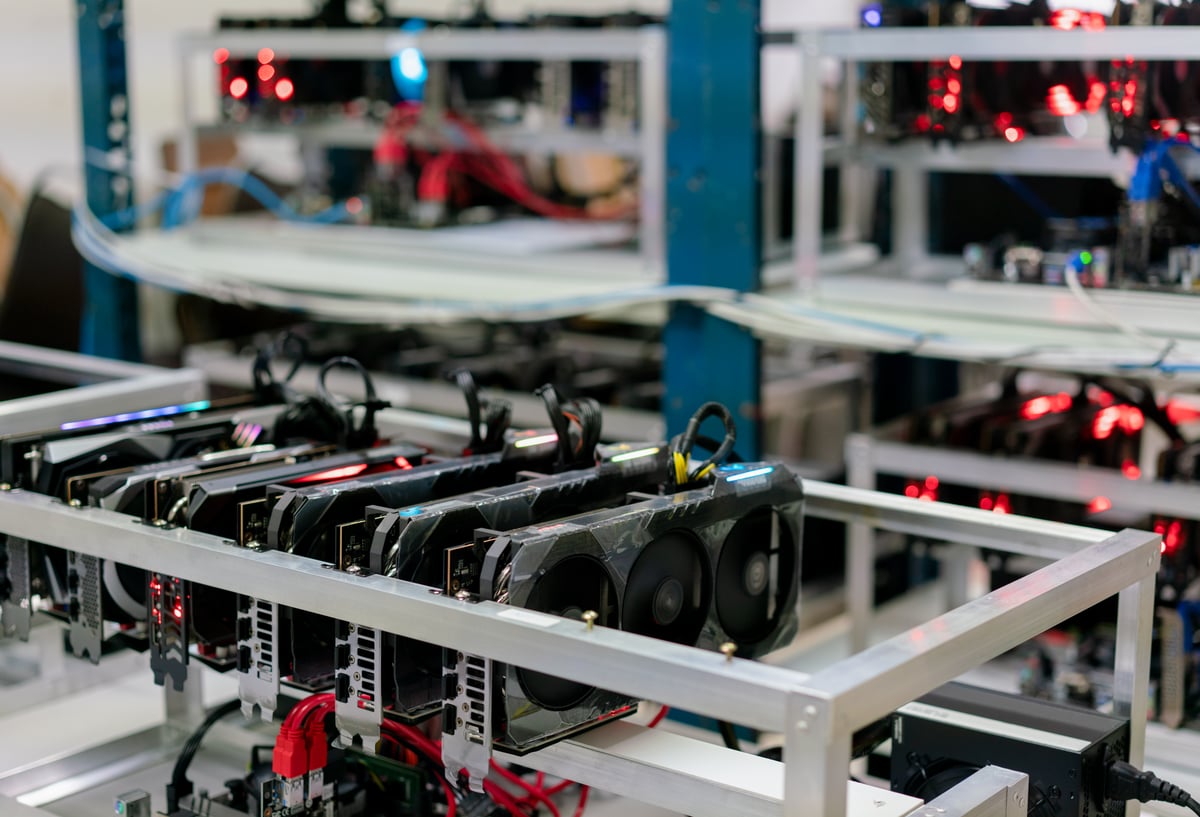
- Investment Surge: Institutional investors are flocking to Vertiv due to skyrocketing demand for cooling systems in data centers, with 920 institutions opening or expanding positions as of September 30, 2025, indicating strong market confidence in its future growth.
- Strong Financial Performance: Vertiv's net sales reached $10.23 billion in 2025, a 26% increase year-over-year, exceeding guidance by $30 million, showcasing its robust competitiveness in the rapidly growing AI infrastructure market.
- Profitability Improvement: In Q4 2025, Vertiv's adjusted EPS surged 47% to $1.36, with projections for 2026 indicating a continued growth of 28%, further solidifying its leadership position in the industry.
- Reasonable Market Valuation: Although Vertiv's current P/E ratio stands at 73.24, down from 75.74 in 2024, its PEG ratio of 0.80 suggests that the stock remains undervalued in light of anticipated future earnings growth, attracting more investor interest.
See More
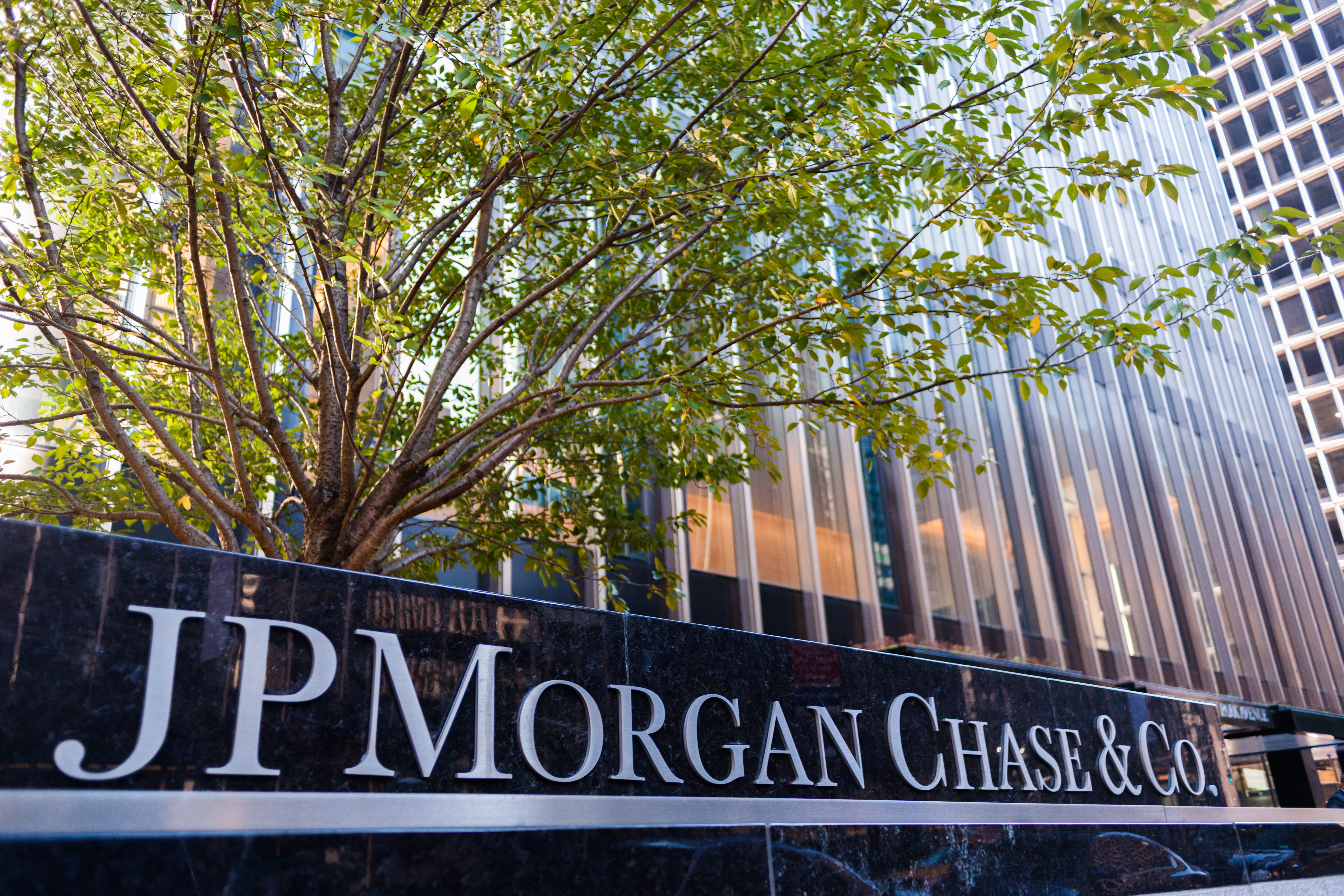
Judge Rules Employees Can Sue JPMorgan Chase Over CVS Payments
- Lawsuit Ruling: A judge has ruled that employees can sue JPMorgan Chase, accusing the bank of allowing unauthorized excessive payments to CVS Caremark, which allegedly violates the Employee Retirement Income Security Act of 1974.
- Drug Price Increases: The complaint alleges that JPMorgan permitted CVS Caremark to raise prices on 366 generic drugs by an average of 211%, resulting in some employees paying more than uninsured patients, significantly impacting their financial burden.
- Fiduciary Duty Dispute: Although the judge stated that JPMorgan did not breach fiduciary duties of loyalty and prudence, employees can still pursue claims regarding mismanagement of health and prescription benefits, leading to overpayments for drugs and premiums.
- Client Relationship Impact: With CVS Health being an investment banking client of JPMorgan, this lawsuit could affect the bank's relationships with partners, potentially impacting its reputation and business strategy in the financial services market.
See More
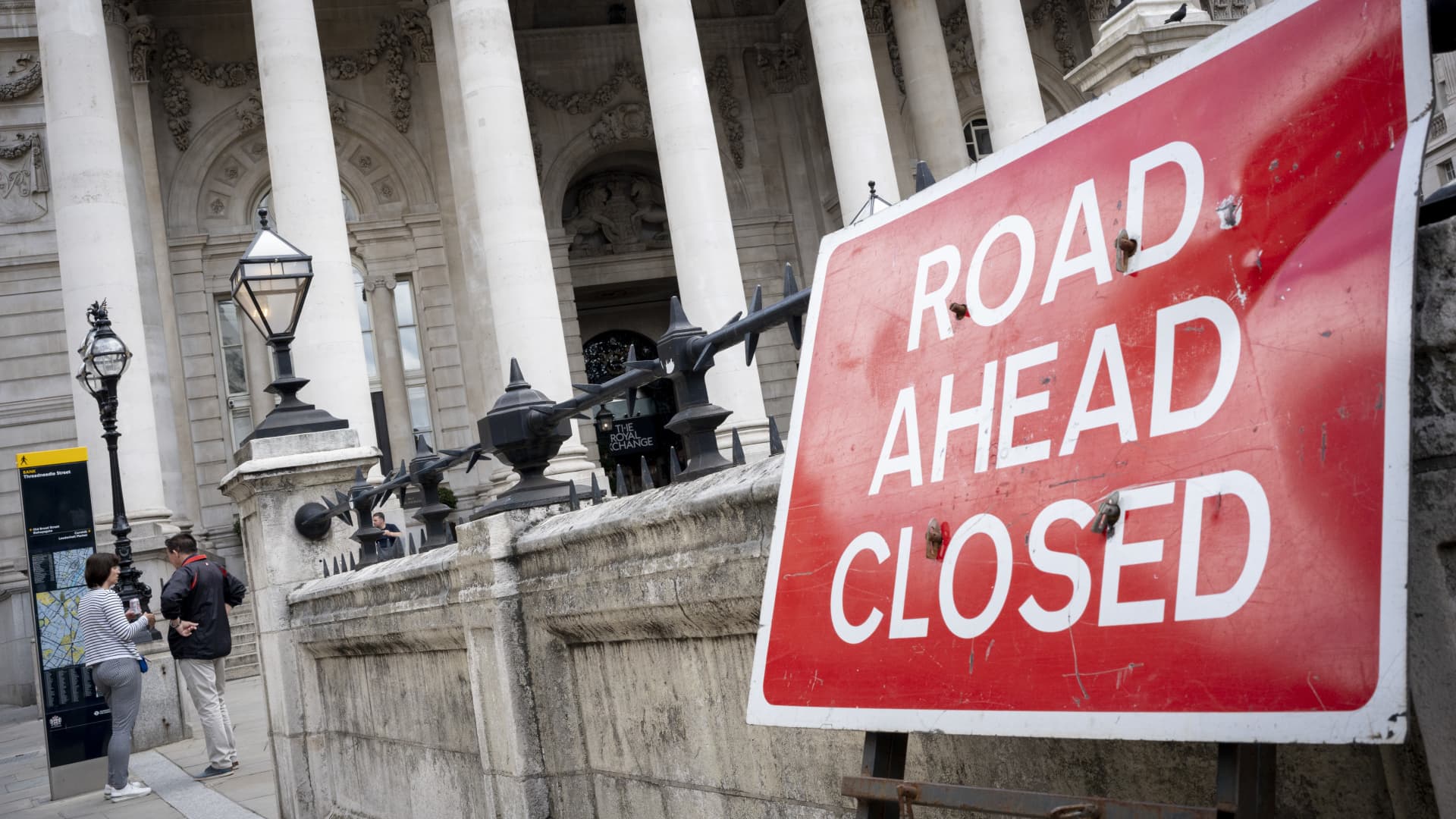
Bank of England Rate Decision Affected by Geopolitical Tensions

- Rate Adjustment Delay: Geopolitical tensions from the Iran war have led economists to predict that the Bank of England will postpone its planned rate cut in March, with the next potential cut now expected in the first half of 2026, reflecting concerns over economic growth.
- Energy Price Shock: The UK is highly sensitive to fluctuations in energy prices, importing about 40% of its oil and 60% of its natural gas, and the current rise in energy prices may lead to higher living costs for consumers, exacerbating inflationary pressures.
- Inflation Trend Changes: Although January's inflation rate has dropped to 3%, the volatility in energy prices presents new inflation challenges for the Bank of England, which may need to reassess its monetary policy in response to ongoing economic pressures.
- Government Monitoring Measures: The UK government has stated it will closely monitor oil and gas prices and is committed to protecting national energy security, although it emphasizes that energy prices are determined by international markets, raising concerns about potential increases in household energy bills in the future.
See More
Federal Reserve Chair Nominee Faces Blockage
- Nomination Blockage: Federal Reserve chair nominee Kevin Warsh is set to meet with Senator Thom Tillis, who is blocking his nomination due to objections over President Trump's attacks on the central bank, highlighting the political dynamics affecting the nomination process.
- Investigation Impact: Tillis has stated he will not vote to confirm any Fed nominees until the Department of Justice drops its criminal investigation into current chair Jerome Powell, a stance that could delay Warsh's nomination and impact the stability of Fed leadership.
- Interest Rate Outlook: Powell's term ends on May 15, although he can remain on the Fed board until 2028, with the current benchmark interest rate at 3.5%-3.75%, while Trump desires a reduction to 1% or lower, indicating a divergence in policy direction.
- Market Expectations: Despite oil disruptions from the Iran war prompting some Fed officials to question the feasibility of further rate cuts, investors overwhelmingly expect the Fed to keep rates steady in next week's meeting, reflecting uncertainty in future policy actions.
See More
Vertiv's Surge in Data Center Cooling Market
- Institutional Investment Surge: Since Q3 2025, 920 institutional investors have opened or expanded positions in Vertiv, with BlackRock and State Street increasing their stakes by 2.38% and 2.29%, respectively, indicating strong confidence in the company's growth prospects.
- Strong Financial Performance: In 2025, Vertiv's net sales reached $10.23 billion, a 26% increase year-over-year, exceeding guidance by $30 million, reflecting robust demand for data center cooling infrastructure.
- Profitability Improvement: Vertiv's adjusted EPS grew by 47% year-over-year, with projections for 2026 EPS to hit $6.15, showcasing the company's sustained growth potential in the AI-driven market.
- Attractive Valuation: Although the current P/E ratio stands at 73.24, down from 75.74 in 2024, its PEG ratio of 0.80 suggests that Vertiv's stock remains undervalued, attracting investor interest amid anticipated future earnings growth.
See More
Dimon Warns of Rising Risks in Financial Markets
- Market Risk Warning: JPMorgan CEO Jamie Dimon highlighted that the current financial environment mirrors pre-2008 crisis conditions, with high asset prices and increased risk-taking potentially leading to instability in the markets.
- Concerns Over Borrowing: Dimon noted that the financial industry is becoming comfortable with high leverage and heavy borrowing, recalling similar patterns from 2005 to 2007, indicating that market participants may overlook risks in pursuit of short-term gains.
- Geopolitical Risks: While increased government spending and deregulation may support short-term economic growth, Dimon warned that geopolitical uncertainty and global trade tensions pose longer-term threats that need to be addressed.
- System Safety Recommendations: Dimon suggested that the Federal Reserve's large balance sheet could be improved by changing post-failure rules to enhance the safety of the financial system, thereby reducing panic associated with bank failures.
See More
Surge in Demand for Vertiv's Cooling Systems
- Investment Surge: Institutional investors are flocking to Vertiv due to skyrocketing demand for cooling systems in data centers, with 920 institutions opening or expanding positions as of September 30, 2025, indicating strong market confidence in its future growth.
- Strong Financial Performance: Vertiv's net sales reached $10.23 billion in 2025, a 26% increase year-over-year, exceeding guidance by $30 million, showcasing its robust competitiveness in the rapidly growing AI infrastructure market.
- Profitability Improvement: In Q4 2025, Vertiv's adjusted EPS surged 47% to $1.36, with projections for 2026 indicating a continued growth of 28%, further solidifying its leadership position in the industry.
- Reasonable Market Valuation: Although Vertiv's current P/E ratio stands at 73.24, down from 75.74 in 2024, its PEG ratio of 0.80 suggests that the stock remains undervalued in light of anticipated future earnings growth, attracting more investor interest.
See More
Judge Rules Employees Can Sue JPMorgan Chase Over CVS Payments
- Lawsuit Ruling: A judge has ruled that employees can sue JPMorgan Chase, accusing the bank of allowing unauthorized excessive payments to CVS Caremark, which allegedly violates the Employee Retirement Income Security Act of 1974.
- Drug Price Increases: The complaint alleges that JPMorgan permitted CVS Caremark to raise prices on 366 generic drugs by an average of 211%, resulting in some employees paying more than uninsured patients, significantly impacting their financial burden.
- Fiduciary Duty Dispute: Although the judge stated that JPMorgan did not breach fiduciary duties of loyalty and prudence, employees can still pursue claims regarding mismanagement of health and prescription benefits, leading to overpayments for drugs and premiums.
- Client Relationship Impact: With CVS Health being an investment banking client of JPMorgan, this lawsuit could affect the bank's relationships with partners, potentially impacting its reputation and business strategy in the financial services market.
See More
Bank of England Rate Decision Affected by Geopolitical Tensions
- Rate Adjustment Delay: Geopolitical tensions from the Iran war have led economists to predict that the Bank of England will postpone its planned rate cut in March, with the next potential cut now expected in the first half of 2026, reflecting concerns over economic growth.
- Energy Price Shock: The UK is highly sensitive to fluctuations in energy prices, importing about 40% of its oil and 60% of its natural gas, and the current rise in energy prices may lead to higher living costs for consumers, exacerbating inflationary pressures.
- Inflation Trend Changes: Although January's inflation rate has dropped to 3%, the volatility in energy prices presents new inflation challenges for the Bank of England, which may need to reassess its monetary policy in response to ongoing economic pressures.
- Government Monitoring Measures: The UK government has stated it will closely monitor oil and gas prices and is committed to protecting national energy security, although it emphasizes that energy prices are determined by international markets, raising concerns about potential increases in household energy bills in the future.
See More