Kinectrics Partners with UKAEA to Build H3AT Tritium Loop Facility
Written by Emily J. Thompson, Senior Investment Analyst
Updated: Mar 16 2026
0mins
Should l Buy BWXT?
Source: Globenewswire
- Partnership Announcement: Kinectrics has been selected as the design and fabrication partner for the UKAEA-Eni H3AT Tritium Loop Facility, which is expected to become the world's largest tritium fuel cycle facility by 2030, marking a significant advancement for the company in the nuclear energy sector.
- Technical Expertise: Kinectrics' extensive experience in tritium handling technologies, including the recovery of tritium from gas waste streams and tritiated water, will provide critical support for the project, ensuring the safety and viability of future fusion power plants.
- Government Investment: The Canadian government has announced investments of up to $15 million through the Federal Economic Development Agency for Southern Ontario and Natural Resources Canada to support Kinectrics' public-private collaboration, further advancing tritium infrastructure development and promoting the safe development of clean energy.
- International Collaboration: This partnership not only strengthens the ties between Canada and the UK in the field of fusion energy but also enhances the status of Culham Campus as a global hub for fusion research and development, driving innovation and application of tritium technologies.
Trade with 70% Backtested Accuracy
Stop guessing "Should I Buy BWXT?" and start using high-conviction signals backed by rigorous historical data.
Sign up today to access powerful investing tools and make smarter, data-driven decisions.
Analyst Views on BWXT
Wall Street analysts forecast BWXT stock price to rise
7 Analyst Rating
5 Buy
2 Hold
0 Sell
Moderate Buy
Current: 202.590

Low
195.00
Averages
216.00
High
230.00
Current: 202.590
Low
195.00
Averages
216.00
High
230.00
About BWXT
BWX Technologies, Inc. is a specialty manufacturer of nuclear components, a developer of nuclear technologies and a service provider. The Company also provides special nuclear materials processing, environmental site restoration services, products, and services. Its Government Operations segment manufactures naval nuclear reactors, including related nuclear fuel, for the United States Naval Nuclear Propulsion Program for use in submarines and aircraft carriers. It also fabricates fuel-bearing precision components that range in weight from a few grams to hundreds of tons, manufactures electromechanical equipment, and performs design, manufacturing, inspection, assembly, and testing activities. The Company is also a provider of advanced specialty materials, fabrication, and high-strength alloy manufacturing. Its Commercial Operations segment designs and manufactures commercial nuclear steam generators, heat exchangers, pressure vessels, reactor components, and other auxiliary equipment.
About the author

Emily J. Thompson
Emily J. Thompson, a Chartered Financial Analyst (CFA) with 12 years in investment research, graduated with honors from the Wharton School. Specializing in industrial and technology stocks, she provides in-depth analysis for Intellectia’s earnings and market brief reports.

NuScale's Small Modular Reactor Approved by NRC

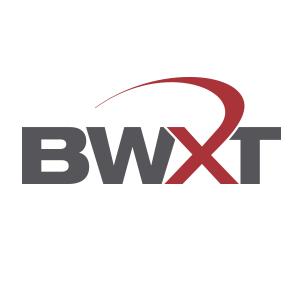
- Regulatory Approval: NuScale's small modular reactor (SMR) has received approval from the U.S. Nuclear Regulatory Commission (NRC), making it the only approved SMR, which marks a significant milestone for the company and could pave the way for future commercialization.
- Project Partnership: NuScale has partnered with the Tennessee Valley Authority (TVA) to deploy 6 gigawatts of SMR across seven states, backed by a $400 million grant, with commercial operations targeted for early next decade, significantly enhancing the company's market position and revenue potential.
- Revenue Volatility: While NuScale expects to generate $63.1 million in revenue from its ongoing project with Romania's RoPower between Q2 2024 and Q4 2025, its revenue is dependent on project continuity and has shown a declining trend in 2025, indicating risks in revenue stability.
- Investment Risks: Although NuScale is at the forefront of SMR technology deployment, its reliance on irregular revenue streams and investor funding necessitates cautious consideration of its speculative investment potential, particularly over the next few years.
See More
Renewed Interest in Small Modular Reactors for AI Power Needs
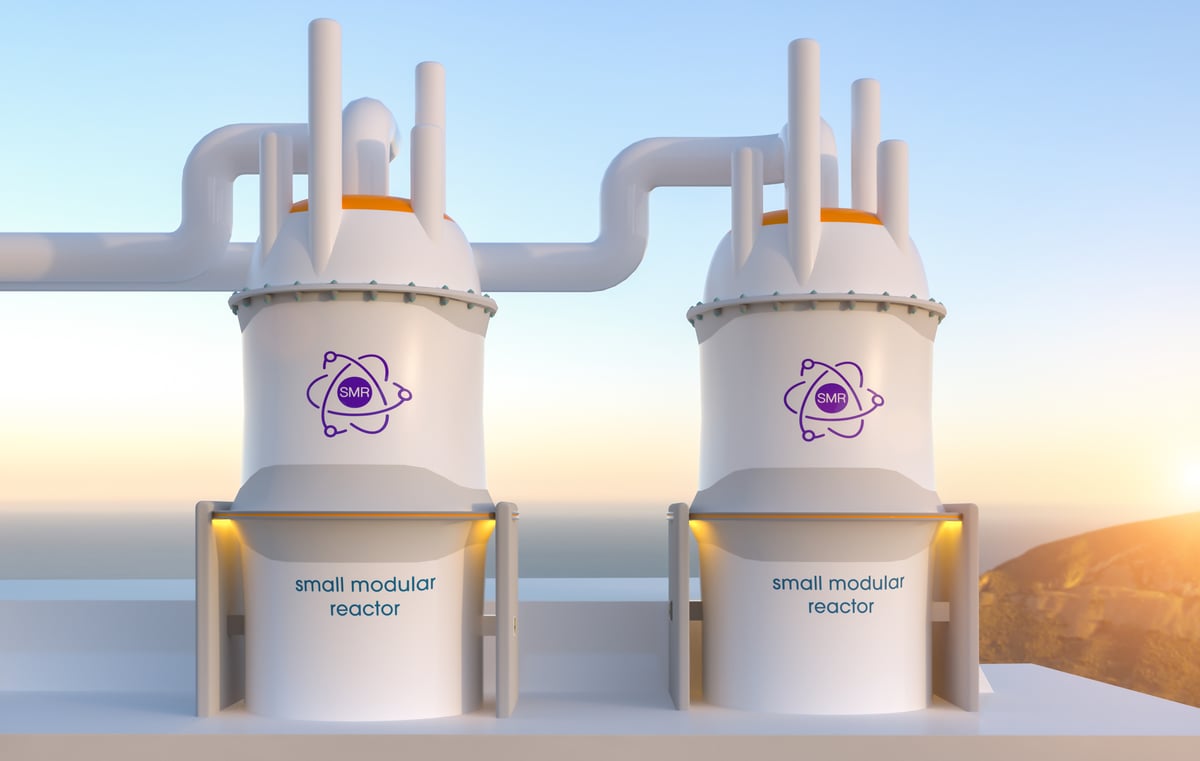
- Rise of Small Modular Reactors: Small Modular Reactors (SMRs) are gaining attention for their smaller footprint, capable of providing stable power near data centers to meet the energy demands of artificial intelligence, presenting significant market potential.
- NuScale's Leading Position: NuScale Power has been awarded a $400 million grant by the Tennessee Valley Authority (TVA) to deploy 6 gigawatts of SMR across seven states, becoming the only SMR approved by the U.S. Nuclear Regulatory Commission, with commercial operations targeted for early next decade.
- Revenue Volatility Risk: Although NuScale generated $63.1 million in revenue from its project with Romania's RoPower, its revenue has declined quarter-over-quarter in 2025, highlighting a heavy reliance on investor funding and government projects, which increases investment risk.
- Market Outlook and Investment Considerations: While NuScale is at the forefront of SMR technology, the instability of its revenue necessitates cautious investment, positioning it as a speculative play for the next few years, especially before the technology is commercialized.
See More

NASA Revamps Space Exploration Plans Under Jared Isaacman


- Artemis Program Relaunch: NASA is set to implement the Artemis program over the next five years, with phase one costing $10 billion and involving at least 30 robotic lunar missions, culminating in a crewed moon landing in 2028, marking a significant return to lunar exploration for the U.S.
- Private Space Station Development: NASA plans to support private companies in building commercial space stations, with a government-owned core module to be attached to the existing International Space Station, ensuring safety before allowing independent operations, thus advancing the commercialization of low Earth orbit.
- Nuclear Spacecraft Initiative: NASA aims to launch the first nuclear-powered interplanetary spacecraft, Space Reactor-1 Freedom, in 2028, equipped with a 25-kilowatt nuclear reactor to explore Mars, showcasing NASA's innovative direction in space technology.
- International Collaboration and Infrastructure: In phases two and three of the Artemis program, NASA will collaborate with international partners to build lunar infrastructure, with total costs projected to reach $20 billion, laying a solid foundation for future lunar exploration.
See More
NASA's New Plans: Returning to the Moon and Exploring Mars
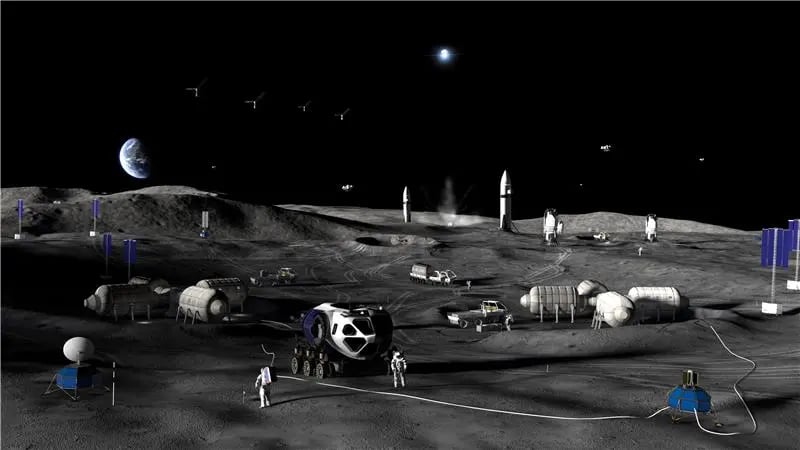
- Artemis Program Relaunch: NASA's new Artemis project is divided into three phases, with the first phase aiming to land two astronauts on the moon by 2028 at an estimated total cost of $20 billion, marking a significant return for the U.S. in space exploration.
- Robotic Mission Expansion: In phase one, NASA will conduct at least 30 robotic missions, utilizing Intuitive Machines' Nova-D lander for cargo delivery and equipment testing, supporting future lunar base construction and further advancing commercial space endeavors.
- International Space Station Plans: NASA will continue to support the construction of private commercial space stations, planning to attach a government-owned core module to the existing ISS to ensure safety and facilitate the formation of independent space stations, demonstrating ongoing commitment to low Earth orbit.
- Mars Exploration New Power: NASA plans to launch the first nuclear-powered interplanetary spacecraft, Space Reactor-1 Freedom, in 2028, carrying a 25-kilowatt nuclear reactor to Mars to deliver multiple drones for exploration, representing a significant advancement in space exploration technology.
See More

U.S. Nuclear Supply Chains Shift from Policy to Permitting


- Project Advancement: Eagle Nuclear Energy Corp. has engaged SLR International Corporation as the lead permitting manager for the Aurora Uranium Project, which is the largest conventional uranium deposit in the U.S. with 32.75 million pounds indicated and 4.98 million pounds inferred, positioning the company for leadership in the domestic uranium market.
- Market Demand: The U.S. imports approximately 95% of its uranium, and with increasing reactor demand and AI-driven power infrastructure developments, spot uranium prices are nearing $90 per pound, highlighting the urgent need for domestic uranium supply.
- Technological Edge: Eagle is the first domestic uranium explorer with exclusive Small Modular Reactor technology to list on a U.S. exchange, integrating fuel supply with reactor deployment capabilities, which may secure a significant position in the future nuclear energy market.
- Industry Participation: Eagle joined the Uranium Producers of America in March 2026, and its CEO rang the Nasdaq Opening Bell on March 11, marking the successful public listing through a business combination with Spring Valley Acquisition Corp. II, further enhancing its industry influence.
See More

U.S. Nuclear Supply Chains Shift from Policy to Permitting

- Uranium Project Progress: Eagle Nuclear Energy Corp. has engaged SLR International Corporation as the lead permitting manager for the Aurora Uranium Project, which is the largest conventional uranium deposit in the U.S. with 32.75 million pounds indicated and 4.98 million pounds inferred, positioning the company for leadership in the domestic uranium market.
- Rising Market Demand: The U.S. imports approximately 95% of its uranium, and with increasing reactor demand, spot uranium prices are nearing $90 per pound, reflecting the tightening domestic supply chain and the urgent need for energy independence.
- Technological Innovation Advantage: Eagle is the first domestic uranium explorer with exclusive Small Modular Reactor technology to list on a U.S. exchange, combining fuel supply with reactor deployment, which may secure a significant position in the future nuclear energy market.
- Industry Collaboration and Development: Eagle joined the Uranium Producers of America in March 2026, and its CEO rang the Nasdaq Opening Bell, marking a successful entry into public markets and further enhancing its influence in the nuclear energy sector.
See More
NuScale's Small Modular Reactor Approved by NRC
- Regulatory Approval: NuScale's small modular reactor (SMR) has received approval from the U.S. Nuclear Regulatory Commission (NRC), making it the only approved SMR, which marks a significant milestone for the company and could pave the way for future commercialization.
- Project Partnership: NuScale has partnered with the Tennessee Valley Authority (TVA) to deploy 6 gigawatts of SMR across seven states, backed by a $400 million grant, with commercial operations targeted for early next decade, significantly enhancing the company's market position and revenue potential.
- Revenue Volatility: While NuScale expects to generate $63.1 million in revenue from its ongoing project with Romania's RoPower between Q2 2024 and Q4 2025, its revenue is dependent on project continuity and has shown a declining trend in 2025, indicating risks in revenue stability.
- Investment Risks: Although NuScale is at the forefront of SMR technology deployment, its reliance on irregular revenue streams and investor funding necessitates cautious consideration of its speculative investment potential, particularly over the next few years.
See More
Renewed Interest in Small Modular Reactors for AI Power Needs
- Rise of Small Modular Reactors: Small Modular Reactors (SMRs) are gaining attention for their smaller footprint, capable of providing stable power near data centers to meet the energy demands of artificial intelligence, presenting significant market potential.
- NuScale's Leading Position: NuScale Power has been awarded a $400 million grant by the Tennessee Valley Authority (TVA) to deploy 6 gigawatts of SMR across seven states, becoming the only SMR approved by the U.S. Nuclear Regulatory Commission, with commercial operations targeted for early next decade.
- Revenue Volatility Risk: Although NuScale generated $63.1 million in revenue from its project with Romania's RoPower, its revenue has declined quarter-over-quarter in 2025, highlighting a heavy reliance on investor funding and government projects, which increases investment risk.
- Market Outlook and Investment Considerations: While NuScale is at the forefront of SMR technology, the instability of its revenue necessitates cautious investment, positioning it as a speculative play for the next few years, especially before the technology is commercialized.
See More
NASA Revamps Space Exploration Plans Under Jared Isaacman
- Artemis Program Relaunch: NASA is set to implement the Artemis program over the next five years, with phase one costing $10 billion and involving at least 30 robotic lunar missions, culminating in a crewed moon landing in 2028, marking a significant return to lunar exploration for the U.S.
- Private Space Station Development: NASA plans to support private companies in building commercial space stations, with a government-owned core module to be attached to the existing International Space Station, ensuring safety before allowing independent operations, thus advancing the commercialization of low Earth orbit.
- Nuclear Spacecraft Initiative: NASA aims to launch the first nuclear-powered interplanetary spacecraft, Space Reactor-1 Freedom, in 2028, equipped with a 25-kilowatt nuclear reactor to explore Mars, showcasing NASA's innovative direction in space technology.
- International Collaboration and Infrastructure: In phases two and three of the Artemis program, NASA will collaborate with international partners to build lunar infrastructure, with total costs projected to reach $20 billion, laying a solid foundation for future lunar exploration.
See More
NASA's New Plans: Returning to the Moon and Exploring Mars
- Artemis Program Relaunch: NASA's new Artemis project is divided into three phases, with the first phase aiming to land two astronauts on the moon by 2028 at an estimated total cost of $20 billion, marking a significant return for the U.S. in space exploration.
- Robotic Mission Expansion: In phase one, NASA will conduct at least 30 robotic missions, utilizing Intuitive Machines' Nova-D lander for cargo delivery and equipment testing, supporting future lunar base construction and further advancing commercial space endeavors.
- International Space Station Plans: NASA will continue to support the construction of private commercial space stations, planning to attach a government-owned core module to the existing ISS to ensure safety and facilitate the formation of independent space stations, demonstrating ongoing commitment to low Earth orbit.
- Mars Exploration New Power: NASA plans to launch the first nuclear-powered interplanetary spacecraft, Space Reactor-1 Freedom, in 2028, carrying a 25-kilowatt nuclear reactor to Mars to deliver multiple drones for exploration, representing a significant advancement in space exploration technology.
See More
U.S. Nuclear Supply Chains Shift from Policy to Permitting
- Project Advancement: Eagle Nuclear Energy Corp. has engaged SLR International Corporation as the lead permitting manager for the Aurora Uranium Project, which is the largest conventional uranium deposit in the U.S. with 32.75 million pounds indicated and 4.98 million pounds inferred, positioning the company for leadership in the domestic uranium market.
- Market Demand: The U.S. imports approximately 95% of its uranium, and with increasing reactor demand and AI-driven power infrastructure developments, spot uranium prices are nearing $90 per pound, highlighting the urgent need for domestic uranium supply.
- Technological Edge: Eagle is the first domestic uranium explorer with exclusive Small Modular Reactor technology to list on a U.S. exchange, integrating fuel supply with reactor deployment capabilities, which may secure a significant position in the future nuclear energy market.
- Industry Participation: Eagle joined the Uranium Producers of America in March 2026, and its CEO rang the Nasdaq Opening Bell on March 11, marking the successful public listing through a business combination with Spring Valley Acquisition Corp. II, further enhancing its industry influence.
See More
U.S. Nuclear Supply Chains Shift from Policy to Permitting
- Uranium Project Progress: Eagle Nuclear Energy Corp. has engaged SLR International Corporation as the lead permitting manager for the Aurora Uranium Project, which is the largest conventional uranium deposit in the U.S. with 32.75 million pounds indicated and 4.98 million pounds inferred, positioning the company for leadership in the domestic uranium market.
- Rising Market Demand: The U.S. imports approximately 95% of its uranium, and with increasing reactor demand, spot uranium prices are nearing $90 per pound, reflecting the tightening domestic supply chain and the urgent need for energy independence.
- Technological Innovation Advantage: Eagle is the first domestic uranium explorer with exclusive Small Modular Reactor technology to list on a U.S. exchange, combining fuel supply with reactor deployment, which may secure a significant position in the future nuclear energy market.
- Industry Collaboration and Development: Eagle joined the Uranium Producers of America in March 2026, and its CEO rang the Nasdaq Opening Bell, marking a successful entry into public markets and further enhancing its influence in the nuclear energy sector.
See More