Key Research Insights on Broadcom, Oracle, and Cisco Systems


Zacks Research Daily Highlights: The article features research reports on 16 major stocks, including Broadcom, Oracle, and Cisco, along with a unique focus on micro-cap stock United-Guardian. The reports are selected from around 70 published by the Zacks analyst team.
Broadcom's Performance: Broadcom has shown strong growth, particularly in AI semiconductors, but faces challenges with contracting gross margins and high debt levels.
Oracle's Growth: Oracle reported a 12% year-over-year revenue increase, driven by cloud services, and expects significant capital expenditures for infrastructure expansion.
Cisco's Business Model Shift: Cisco has transitioned to a subscription-based revenue model, enhancing its portfolio through acquisitions, but is experiencing sluggish sales in its networking segment due to competition and demand issues.
Trade with 70% Backtested Accuracy
Analyst Views on MRNA

About MRNA
About the author


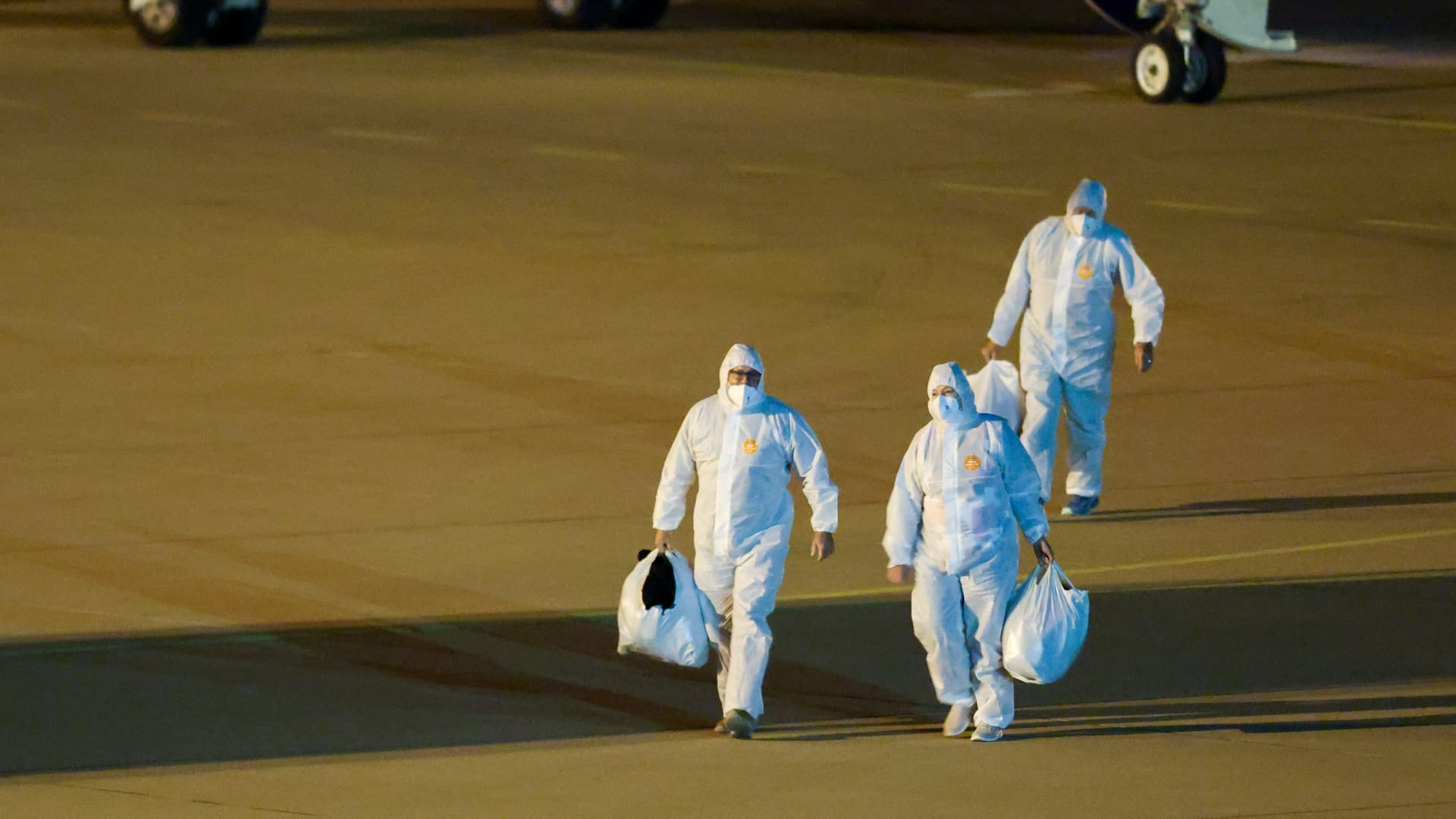
Cruise Ship Hantavirus Outbreak Raises Concerns

- Outbreak Overview: As of Tuesday, the WHO reported 11 cases linked to the cruise ship hantavirus outbreak, with 9 confirmed cases including 3 deaths, although no positive cases have been found in the U.S., indicating a potential threat.
- Public Health Risk: While the risk of hantavirus transmission is low, primarily spread through contact with infected wild rodents, experts warn that the cruise ship environment may exacerbate the risk of virus transmission, especially in confined spaces.
- CDC Response Capability: Experts point out that the CDC's delayed response to the outbreak, coupled with a lack of effective leadership and resources, may hinder the U.S.'s ability to respond to future infectious disease threats, particularly after staffing cuts and strained relations with the WHO.
- Future Outbreak Preparedness: Public health experts emphasize that the current outbreak exposes vulnerabilities in the U.S. public health infrastructure, calling for a restoration of the CDC's expertise and resources to effectively respond to potentially more transmissible pathogens in the future.
Hantavirus Outbreak Raises Public Health Concerns

- Outbreak Overview: As of Tuesday, the WHO reported 11 cases linked to the hantavirus outbreak, with 9 confirmed cases including 3 deaths; while no positive cases have been found in the U.S., public concern is rising significantly.
- Monitoring Measures: In the U.S., 18 individuals are being monitored across Nebraska and Atlanta for potential exposure, and although more cases may emerge, experts assert that the risk remains low due to the hantavirus's limited transmissibility.
- CDC Response Capability: While the CDC appears to have the outbreak under control, experts warn that past cuts to the agency and the withdrawal from the WHO may undermine the U.S.'s ability to respond to future infectious disease threats, especially against more contagious pathogens.
- Vaccine Development Progress: Moderna's shares surged approximately 12% after confirming it is researching a potential vaccine for hantavirus, although specific treatments are still years away, this development may provide hope for future public health responses.
FDA Commissioner's Departure Triggers Biotech Market Reactions


- Leadership Change: The departure of FDA Commissioner Marty Makary is perceived as a positive signal for the biotech sector, although analysts warn that the industry may face pressure until a permanent replacement is found, potentially leading to market volatility.
- Market Reaction: The Nasdaq biotechnology index rose 1% on Tuesday, reflecting an initial positive response from investors to Makary's exit, particularly following his public disagreements with drugmakers like Replimune and Moderna.
- Increased Uncertainty: Analysts caution that the ongoing leadership vacuum at the FDA could result in more delays and unpredictability, diminishing the agency's ability to provide guidance and credible policy commitments, thereby impacting the investability of the biopharma ecosystem.
- Stock Performance: Shares of uniQure and Replimune rose by 5% and nearly 10%, respectively, indicating market optimism regarding new leadership, although Makary's departure also introduces uncertainty within the industry.

Hantavirus Outbreak Sparks Rally in Biotech Stocks

- Impact Assessment: The recent hantavirus outbreak on a cruise ship has sparked a rally in the biotech sector; however, due to its transmission primarily through contact and a much lower contagion rate compared to COVID-19, the market for hantavirus vaccines may be limited, affecting the long-term profitability of related companies.
- Predicting Winners: Even if the situation worsens, it remains challenging for investors to identify which companies will successfully develop hantavirus vaccines, as historical data shows that even major pharmaceutical firms like Sanofi and Merck failed to dominate the COVID-19 vaccine market, highlighting the complexities of investment risks.
- Return on Investment Risks: Even if investors choose companies that successfully develop vaccines, market-beating returns are not guaranteed; data indicates that companies like Pfizer and Moderna, which excelled during the COVID-19 peak, have underperformed the S&P 500 since then, reflecting market uncertainties.
- Potential Investment Opportunities: Despite challenges, Moderna and Pfizer are still considered attractive vaccine manufacturers; Moderna has been working on a hantavirus vaccine and has a promising pipeline, while Pfizer's replenished pipeline and upcoming pivotal trials make it a stock worth serious consideration for long-term returns.
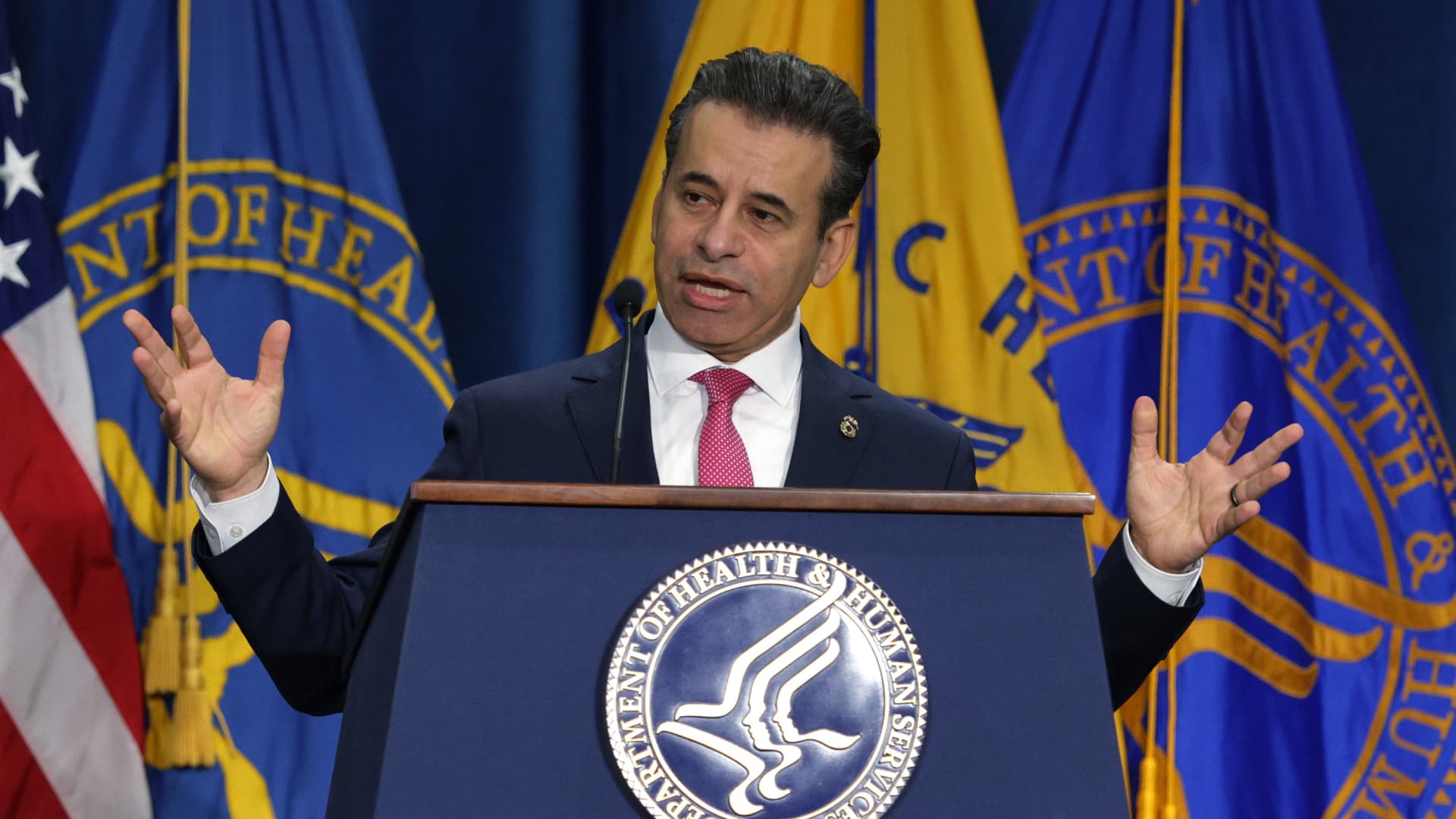
FDA Commissioner Makary Resigns Amid Controversy
- Makary Resignation: FDA Commissioner Marty Makary resigned on December 18, 2025, concluding a controversial tenure marked by criticism over the government's COVID-19 response and drug approval processes, which drew backlash from various stakeholders.
- Acting Commissioner Appointment: President Trump announced that Kyle Diamantas will temporarily take over as acting commissioner, having previously served as the top food official at the FDA, and will need to navigate the complex drug approval landscape left by Makary.
- Internal Turmoil Intensifies: Under Makary's leadership, staff morale at the FDA plummeted due to layoffs and departures, notably that of cancer regulator Richard Pazdur, leading to increased distrust in leadership and impacting the agency's stability.
- Drug Approval Controversies: During Makary's tenure, the FDA rejected several rare disease treatments, raising concerns within the pharmaceutical industry, particularly as negotiations for the reauthorization of the Prescription Drug User Fee Act highlighted the industry's sensitivity to leadership changes at the FDA.
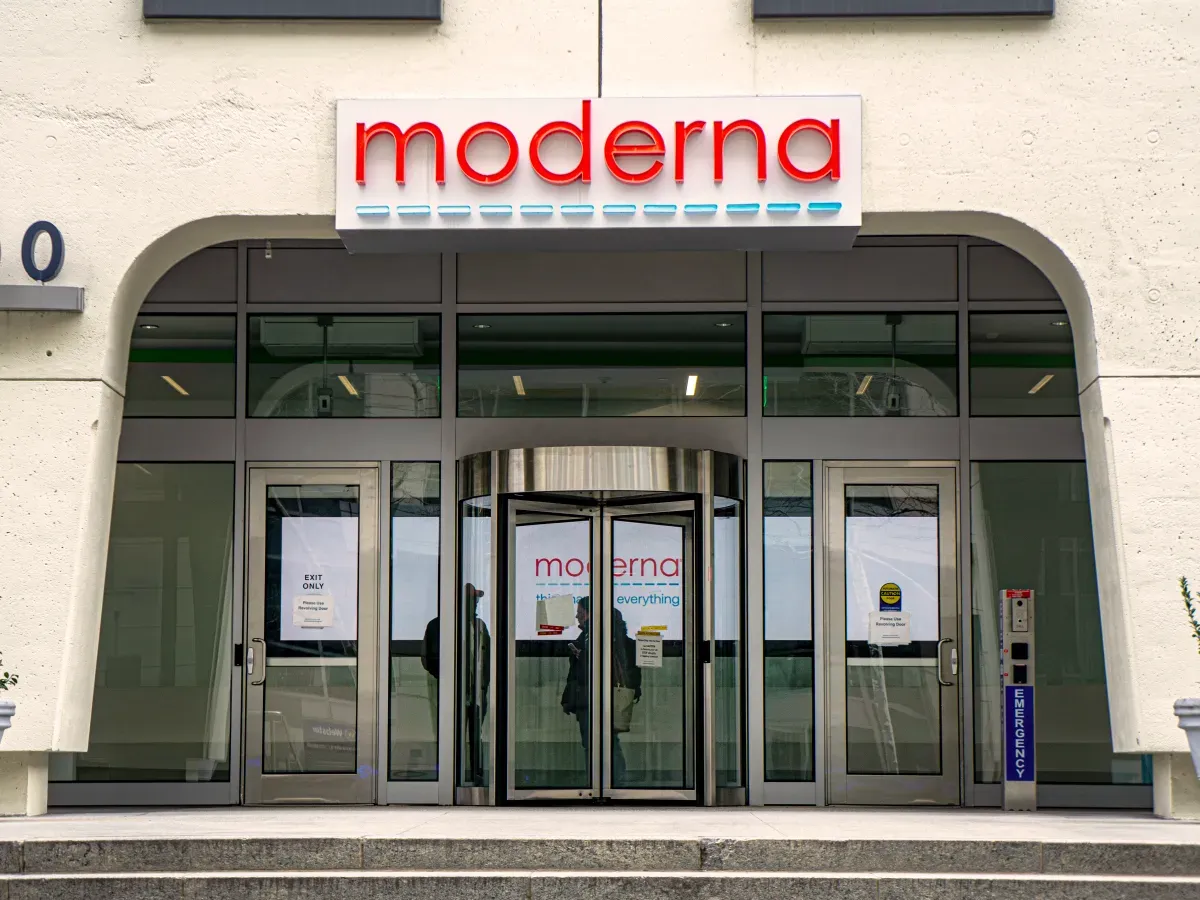
Moderna Pursues mRNA Vaccines for Hantaviruses
- Vaccine Development Progress: Moderna confirmed it is pursuing early-stage research into mRNA vaccines for hantaviruses, which began prior to the identification of the cruise ship cluster, indicating the company's proactive approach to emerging viral threats.
- Clinical Trial Status: No hantavirus vaccine is currently approved globally, and Moderna's candidates have not yet entered human clinical trials, suggesting that market expectations for its vaccine will require time for validation.
- Market Reaction: Following the diagnosis of a hantavirus infection in an American citizen, Moderna's shares rose as much as 7% on Monday but closed down 3%, reflecting profit-taking by investors after a 20% increase the previous week.
- Investor Sentiment Shift: On Stocktwits, retail sentiment around MRNA jumped from 'bullish' to 'extremely bullish' over the past 24 hours, indicating strong market interest and anticipation for the company's future vaccine development efforts.
Cruise Ship Hantavirus Outbreak Raises Concerns
- Outbreak Overview: As of Tuesday, the WHO reported 11 cases linked to the cruise ship hantavirus outbreak, with 9 confirmed cases including 3 deaths, although no positive cases have been found in the U.S., indicating a potential threat.
- Public Health Risk: While the risk of hantavirus transmission is low, primarily spread through contact with infected wild rodents, experts warn that the cruise ship environment may exacerbate the risk of virus transmission, especially in confined spaces.
- CDC Response Capability: Experts point out that the CDC's delayed response to the outbreak, coupled with a lack of effective leadership and resources, may hinder the U.S.'s ability to respond to future infectious disease threats, particularly after staffing cuts and strained relations with the WHO.
- Future Outbreak Preparedness: Public health experts emphasize that the current outbreak exposes vulnerabilities in the U.S. public health infrastructure, calling for a restoration of the CDC's expertise and resources to effectively respond to potentially more transmissible pathogens in the future.
Hantavirus Outbreak Raises Public Health Concerns
- Outbreak Overview: As of Tuesday, the WHO reported 11 cases linked to the hantavirus outbreak, with 9 confirmed cases including 3 deaths; while no positive cases have been found in the U.S., public concern is rising significantly.
- Monitoring Measures: In the U.S., 18 individuals are being monitored across Nebraska and Atlanta for potential exposure, and although more cases may emerge, experts assert that the risk remains low due to the hantavirus's limited transmissibility.
- CDC Response Capability: While the CDC appears to have the outbreak under control, experts warn that past cuts to the agency and the withdrawal from the WHO may undermine the U.S.'s ability to respond to future infectious disease threats, especially against more contagious pathogens.
- Vaccine Development Progress: Moderna's shares surged approximately 12% after confirming it is researching a potential vaccine for hantavirus, although specific treatments are still years away, this development may provide hope for future public health responses.
FDA Commissioner's Departure Triggers Biotech Market Reactions
- Leadership Change: The departure of FDA Commissioner Marty Makary is perceived as a positive signal for the biotech sector, although analysts warn that the industry may face pressure until a permanent replacement is found, potentially leading to market volatility.
- Market Reaction: The Nasdaq biotechnology index rose 1% on Tuesday, reflecting an initial positive response from investors to Makary's exit, particularly following his public disagreements with drugmakers like Replimune and Moderna.
- Increased Uncertainty: Analysts caution that the ongoing leadership vacuum at the FDA could result in more delays and unpredictability, diminishing the agency's ability to provide guidance and credible policy commitments, thereby impacting the investability of the biopharma ecosystem.
- Stock Performance: Shares of uniQure and Replimune rose by 5% and nearly 10%, respectively, indicating market optimism regarding new leadership, although Makary's departure also introduces uncertainty within the industry.
Hantavirus Outbreak Sparks Rally in Biotech Stocks
- Impact Assessment: The recent hantavirus outbreak on a cruise ship has sparked a rally in the biotech sector; however, due to its transmission primarily through contact and a much lower contagion rate compared to COVID-19, the market for hantavirus vaccines may be limited, affecting the long-term profitability of related companies.
- Predicting Winners: Even if the situation worsens, it remains challenging for investors to identify which companies will successfully develop hantavirus vaccines, as historical data shows that even major pharmaceutical firms like Sanofi and Merck failed to dominate the COVID-19 vaccine market, highlighting the complexities of investment risks.
- Return on Investment Risks: Even if investors choose companies that successfully develop vaccines, market-beating returns are not guaranteed; data indicates that companies like Pfizer and Moderna, which excelled during the COVID-19 peak, have underperformed the S&P 500 since then, reflecting market uncertainties.
- Potential Investment Opportunities: Despite challenges, Moderna and Pfizer are still considered attractive vaccine manufacturers; Moderna has been working on a hantavirus vaccine and has a promising pipeline, while Pfizer's replenished pipeline and upcoming pivotal trials make it a stock worth serious consideration for long-term returns.
FDA Commissioner Makary Resigns Amid Controversy
- Makary Resignation: FDA Commissioner Marty Makary resigned on December 18, 2025, concluding a controversial tenure marked by criticism over the government's COVID-19 response and drug approval processes, which drew backlash from various stakeholders.
- Acting Commissioner Appointment: President Trump announced that Kyle Diamantas will temporarily take over as acting commissioner, having previously served as the top food official at the FDA, and will need to navigate the complex drug approval landscape left by Makary.
- Internal Turmoil Intensifies: Under Makary's leadership, staff morale at the FDA plummeted due to layoffs and departures, notably that of cancer regulator Richard Pazdur, leading to increased distrust in leadership and impacting the agency's stability.
- Drug Approval Controversies: During Makary's tenure, the FDA rejected several rare disease treatments, raising concerns within the pharmaceutical industry, particularly as negotiations for the reauthorization of the Prescription Drug User Fee Act highlighted the industry's sensitivity to leadership changes at the FDA.
Moderna Pursues mRNA Vaccines for Hantaviruses
- Vaccine Development Progress: Moderna confirmed it is pursuing early-stage research into mRNA vaccines for hantaviruses, which began prior to the identification of the cruise ship cluster, indicating the company's proactive approach to emerging viral threats.
- Clinical Trial Status: No hantavirus vaccine is currently approved globally, and Moderna's candidates have not yet entered human clinical trials, suggesting that market expectations for its vaccine will require time for validation.
- Market Reaction: Following the diagnosis of a hantavirus infection in an American citizen, Moderna's shares rose as much as 7% on Monday but closed down 3%, reflecting profit-taking by investors after a 20% increase the previous week.
- Investor Sentiment Shift: On Stocktwits, retail sentiment around MRNA jumped from 'bullish' to 'extremely bullish' over the past 24 hours, indicating strong market interest and anticipation for the company's future vaccine development efforts.