Joby Aviation Outshines Archer in eVTOL Air Taxi Race
Written by Emily J. Thompson, Senior Investment Analyst
Updated: Mar 18 2026
0mins

Source: Fool
- Project Selection Outcome: The U.S. Department of Transportation and FAA selected eight proposals from over 30 submissions, with both Joby and Archer named as partners in multiple projects, highlighting their competitiveness in the eVTOL sector.
- Joby's Advantage: Joby stands out with additional partnerships in Utah and North Carolina, beyond the three projects it shares with Archer, indicating its leading position in the market.
- Technology Application: Joby plans to leverage its Superpilot autonomous flight technology to enhance the applications of its eVTOL aircraft, which not only strengthens its technological capabilities but also lays a foundation for future market expansion.
- Market Reaction: Following the announcement, Joby's stock rose by 2.9%, while Archer's fell by 2.2%, reflecting investor confidence in Joby's prospects in the electric air taxi market.
Trade with 70% Backtested Accuracy
Stop guessing "Should I Buy JOBY?" and start using high-conviction signals backed by rigorous historical data.
Sign up today to access powerful investing tools and make smarter, data-driven decisions.
Analyst Views on JOBY
Wall Street analysts forecast JOBY stock price to rise
6 Analyst Rating
1 Buy
3 Hold
2 Sell
Hold
Current: 8.100

Low
8.00
Averages
15.67
High
22.00
Current: 8.100
Low
8.00
Averages
15.67
High
22.00
About JOBY
Joby Aviation, Inc. is a transportation company developing an all-electric, vertical take-off and landing air taxi. The Company is engaged in designing and testing a piloted all-electric, vertical take-off and landing (eVTOL) aircraft. The Joby eVTOL is designed to transport a pilot and up to four passengers or an expected payload of up to 1,000 pounds at speeds of up to 200 miles per hour (mph). The aircraft is optimized for urban routes, with a target range of up to 100 miles on a single charge. The Company plans to manufacture, own and operate its aircraft itself, building a vertically integrated transportation company that delivers transportation services to customers, including government agencies such as the United States Air Force (USAF) through sales or contracted operations, and to individual end-users through a convenient app-based aerial ridesharing service. It also offers a network of terminals and loyal flyers in markets like New York and in Southern Europe.
About the author

Emily J. Thompson
Emily J. Thompson, a Chartered Financial Analyst (CFA) with 12 years in investment research, graduated with honors from the Wharton School. Specializing in industrial and technology stocks, she provides in-depth analysis for Intellectia’s earnings and market brief reports.

Joby Aviation's First eVTOL Aircraft Successfully Takes Flight

- Significant Milestone: Joby's N547JX aircraft has successfully taken flight, marking the initiation of its eVTOL test fleet, which is crucial for obtaining FAA approval for commercial operations, even as the stock has dropped 17% since the announcement.
- Complex Approval Process: The FAA's approval process consists of five phases, with Joby completing the Design Assessment in February 2024, and now needing to conduct internal testing and produce test aircraft for Type Inspection Authorization (TIA) testing to meet stringent safety standards.
- Testing Phase Challenges: The TIA testing is the most rigorous phase of FAA evaluations, where any design flaws or production issues could lead to years of delays, similar to the experience of the Boeing 777-9, which adds volatility to Joby's stock and necessitates caution from investors.
- Investment Risk Advisory: Although Joby's shares are currently trading below their initial 2021 price and are 58% off their 2025 highs, the regulatory risks involved mean that only investors with a high risk tolerance should consider investing in the company.
See More
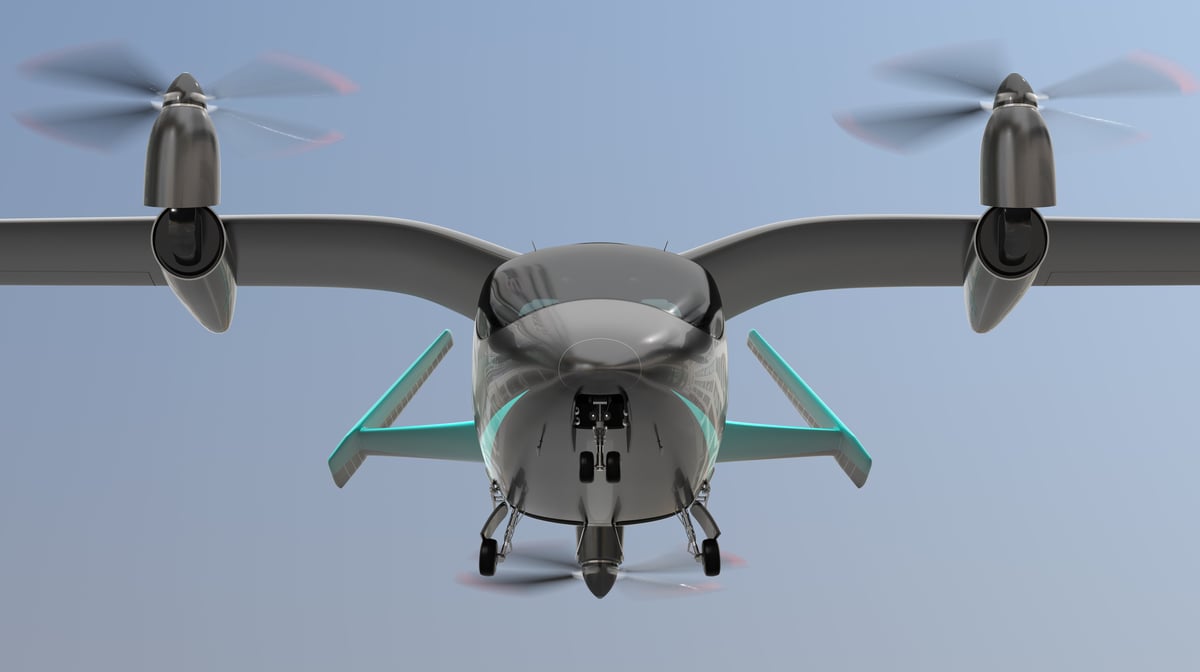
Joby Aviation's First eVTOL Aircraft Takes Flight, Crucial for FAA Approval
- Crucial FAA Approval: Joby's N547JX is the first prototype of its electric vertical takeoff and landing (eVTOL) aircraft to successfully take flight, marking a significant step in the FAA's complex five-phase approval process, which is essential for launching its U.S. air taxi service.
- Design Assessment Completed: The company completed the Design Assessment phase in February 2024, and now must conduct internal testing and produce test aircraft equipped with specialized sensors to gather data for the rigorous Type Inspection Authorization (TIA) tests required by the FAA.
- Negative Market Reaction: Despite the successful flight of N547JX being a critical milestone, Joby's stock has fallen 17% since the announcement, reflecting market concerns over the lengthy FAA approval process and potential design flaws, leading to increased volatility in the stock price.
- Investment Risk Advisory: Joby's shares are currently trading below their initial 2021 price and are down 58% from their 2025 highs, suggesting a potential buying opportunity for pro-eVTOL investors, but the unpredictable nature of the approval process necessitates a high risk tolerance among investors.
See More

Increasing Competition in Space Investments and Nuclear Power Prospects


- Rising Competition in Space: Over the past decade, the space industry has rapidly evolved from just two companies to numerous startups, particularly with the rise of SpaceX, driving demand for low-cost rocket launches, and the global space economy is projected to grow to about $2 trillion by 2035, indicating significant investment potential.
- Market Saturation Risks: Despite the promising outlook for the space sector, competition in communications and imaging is overly saturated, with many new entrants facing survival challenges, particularly as the number of satellites increases, leading to limited market opportunities and potential profitability issues for some companies.
- Nuclear Investment Surge: The growing demand for sustainable energy has attracted substantial investment in the nuclear sector, especially in the development of small modular reactors (SMRs), although historically, nuclear projects often exceed budgets and face delays, leading investors to remain cautious about future prospects.
- Uncertain Profitability Models: In both the space and nuclear sectors, many startups are not yet profitable, prompting investors to focus on financial flexibility and long-term sustainability, especially when market demand and technology maturity remain unclear.
See More

Intensifying Competition in Space and Nuclear Investments
- Space Industry Competition: The space sector has rapidly evolved from just two companies a decade ago to numerous startups, highlighted by Sierra Space's recent funding round valuing it at $8 billion, indicating strong market interest in space investments, although intense competition will pressure successful companies.
- Nuclear Renaissance Potential: With increasing demand for sustainable energy, the nuclear sector is attracting significant investment, particularly in the development of small modular reactors (SMRs), which, despite high costs and technical challenges, are expected to meet ongoing market demand and potentially yield long-term returns for investors.
- Investor Caution Advised: Analysts emphasize that investors in the space and nuclear sectors should focus on companies with financial flexibility and sustainable business models, especially in the absence of profits, as only those with strong funding support and unique competitive advantages are likely to survive in the future market.
- Market Consolidation Likely: As more players enter the space and nuclear industries, a trend toward market consolidation is becoming evident, with analysts suggesting that while many startups are emerging, not all will succeed, leading to a clear differentiation between future winners and losers.
See More

Vertical Aerospace Issues 'Going Concern' Warning: Implications for eVTOL Stock.


- Stock Performance: Vertical Aerospace's stock experienced a decline on Tuesday following the announcement of a smaller-than-expected full-year loss.
- Future Funding Plans: The company is planning to raise additional funds in 2026.
See More

Vertical Aerospace, an eVTOL Manufacturer, Seeks Funding as Stock Prices Decline.

- Stock Performance: Vertical Aerospace's stock experienced a decline on Tuesday following the announcement of a smaller-than-expected full-year loss.
- Future Funding Plans: The company is planning to raise additional funds in 2026.
See More
Joby Aviation's First eVTOL Aircraft Successfully Takes Flight
- Significant Milestone: Joby's N547JX aircraft has successfully taken flight, marking the initiation of its eVTOL test fleet, which is crucial for obtaining FAA approval for commercial operations, even as the stock has dropped 17% since the announcement.
- Complex Approval Process: The FAA's approval process consists of five phases, with Joby completing the Design Assessment in February 2024, and now needing to conduct internal testing and produce test aircraft for Type Inspection Authorization (TIA) testing to meet stringent safety standards.
- Testing Phase Challenges: The TIA testing is the most rigorous phase of FAA evaluations, where any design flaws or production issues could lead to years of delays, similar to the experience of the Boeing 777-9, which adds volatility to Joby's stock and necessitates caution from investors.
- Investment Risk Advisory: Although Joby's shares are currently trading below their initial 2021 price and are 58% off their 2025 highs, the regulatory risks involved mean that only investors with a high risk tolerance should consider investing in the company.
See More
Joby Aviation's First eVTOL Aircraft Takes Flight, Crucial for FAA Approval
- Crucial FAA Approval: Joby's N547JX is the first prototype of its electric vertical takeoff and landing (eVTOL) aircraft to successfully take flight, marking a significant step in the FAA's complex five-phase approval process, which is essential for launching its U.S. air taxi service.
- Design Assessment Completed: The company completed the Design Assessment phase in February 2024, and now must conduct internal testing and produce test aircraft equipped with specialized sensors to gather data for the rigorous Type Inspection Authorization (TIA) tests required by the FAA.
- Negative Market Reaction: Despite the successful flight of N547JX being a critical milestone, Joby's stock has fallen 17% since the announcement, reflecting market concerns over the lengthy FAA approval process and potential design flaws, leading to increased volatility in the stock price.
- Investment Risk Advisory: Joby's shares are currently trading below their initial 2021 price and are down 58% from their 2025 highs, suggesting a potential buying opportunity for pro-eVTOL investors, but the unpredictable nature of the approval process necessitates a high risk tolerance among investors.
See More
Increasing Competition in Space Investments and Nuclear Power Prospects
- Rising Competition in Space: Over the past decade, the space industry has rapidly evolved from just two companies to numerous startups, particularly with the rise of SpaceX, driving demand for low-cost rocket launches, and the global space economy is projected to grow to about $2 trillion by 2035, indicating significant investment potential.
- Market Saturation Risks: Despite the promising outlook for the space sector, competition in communications and imaging is overly saturated, with many new entrants facing survival challenges, particularly as the number of satellites increases, leading to limited market opportunities and potential profitability issues for some companies.
- Nuclear Investment Surge: The growing demand for sustainable energy has attracted substantial investment in the nuclear sector, especially in the development of small modular reactors (SMRs), although historically, nuclear projects often exceed budgets and face delays, leading investors to remain cautious about future prospects.
- Uncertain Profitability Models: In both the space and nuclear sectors, many startups are not yet profitable, prompting investors to focus on financial flexibility and long-term sustainability, especially when market demand and technology maturity remain unclear.
See More
Intensifying Competition in Space and Nuclear Investments
- Space Industry Competition: The space sector has rapidly evolved from just two companies a decade ago to numerous startups, highlighted by Sierra Space's recent funding round valuing it at $8 billion, indicating strong market interest in space investments, although intense competition will pressure successful companies.
- Nuclear Renaissance Potential: With increasing demand for sustainable energy, the nuclear sector is attracting significant investment, particularly in the development of small modular reactors (SMRs), which, despite high costs and technical challenges, are expected to meet ongoing market demand and potentially yield long-term returns for investors.
- Investor Caution Advised: Analysts emphasize that investors in the space and nuclear sectors should focus on companies with financial flexibility and sustainable business models, especially in the absence of profits, as only those with strong funding support and unique competitive advantages are likely to survive in the future market.
- Market Consolidation Likely: As more players enter the space and nuclear industries, a trend toward market consolidation is becoming evident, with analysts suggesting that while many startups are emerging, not all will succeed, leading to a clear differentiation between future winners and losers.
See More
Vertical Aerospace Issues 'Going Concern' Warning: Implications for eVTOL Stock.
- Stock Performance: Vertical Aerospace's stock experienced a decline on Tuesday following the announcement of a smaller-than-expected full-year loss.
- Future Funding Plans: The company is planning to raise additional funds in 2026.
See More
Vertical Aerospace, an eVTOL Manufacturer, Seeks Funding as Stock Prices Decline.
- Stock Performance: Vertical Aerospace's stock experienced a decline on Tuesday following the announcement of a smaller-than-expected full-year loss.
- Future Funding Plans: The company is planning to raise additional funds in 2026.
See More