IYF, KKR, MCO, HOOD: ETF Outflow Alert
Written by Emily J. Thompson, Senior Investment Analyst
Updated: Aug 13 2025
0mins


Source: NASDAQ.COM
Stock Performance Overview: IYF's share price is currently at $123.54, close to its 52-week high of $124.56 and significantly above its low of $95.34, indicating strong performance in the market.
ETF Trading Dynamics: ETFs trade like stocks but involve "units" that can be created or destroyed based on investor demand, affecting the underlying holdings and potentially impacting individual components within the ETFs.
Trade with 70% Backtested Accuracy
Stop guessing "Should I Buy HOOD?" and start using high-conviction signals backed by rigorous historical data.
Sign up today to access powerful investing tools and make smarter, data-driven decisions.
Analyst Views on HOOD
Wall Street analysts forecast HOOD stock price to rise
20 Analyst Rating
16 Buy
4 Hold
0 Sell
Strong Buy
Current: 108.650

Low
130.00
Averages
156.24
High
181.00
Current: 108.650
Low
130.00
Averages
156.24
High
181.00
About HOOD
Robinhood Markets, Inc. is focused on providing financial services offering retail brokerage, crypto, advisory, digital banking services, and private markets access to investors. Its offerings include Brokerage, Robinhood Crypto, Custody, Robinhood Wallet, Robinhood Gold, and Robinhood Gold Card. Brokerage services include investing, options trading, fractional trading, recurring investment, access to investing on margin, fully paid securities lending, cash sweep, instant withdrawals, Robinhood retirement, 24-hour market, joint investing accounts, and event contracts. It also offers a variety of ways for its customers to grow their financial knowledge, including Robinhood Learn, In-App Education, Newsfeeds, Sherwood Snacks, and Crypto Learn and Earn. It also operates regulated crypto platforms including Bitbuy and Coinsquare. Its self-clearing system, order routing system, data platform, and other back-end infrastructure allow its customers to focus on investing, saving and spending.
About the author

Emily J. Thompson
Emily J. Thompson, a Chartered Financial Analyst (CFA) with 12 years in investment research, graduated with honors from the Wharton School. Specializing in industrial and technology stocks, she provides in-depth analysis for Intellectia’s earnings and market brief reports.

2026 FIFA World Cup Drives Surge in Prediction Market Trading

- Surge in Trading Volume: During the 2026 FIFA World Cup, Kalshi's notional trading volume exceeded $31 billion in June, representing a more than 70% increase from May's $17.9 billion, highlighting the tournament's significant impact on online prediction markets.
- Polymarket Sets Records: Polymarket's international event contract trading reached a record high of over $10.8 billion in June, reversing the downward trend seen in April and May, indicating robust market demand.
- Rothera's Emergence: Rothera achieved $2 billion in notional trading volume in June, accounting for 7% of U.S. prediction market volume, showcasing new market opportunities driven by the World Cup, particularly with support from Robinhood.
- Rising Open Interest: Kalshi's open interest surpassed $1 billion, while Polymarket's approached $400 million, reflecting heightened investor activity and the overall health of the market during the World Cup period.
See More

Eightco Financial Update: $386 Million in Assets

- Portfolio Overview: As of July 1, 2026, Eightco Holdings reports a total asset value of approximately $386 million, including $90 million in indirect shares of OpenAI, $18 million in Beast Industries, 283.4 million WLD, and $149 million in cash, showcasing a robust positioning in the digital asset sector.
- WLD Listing Impact: The listing of Worldcoin (WLD) on Robinhood is expected to provide easier access for millions of users, potentially boosting liquidity and market acceptance of WLD, thereby enhancing the asset value of Eightco.
- Investment Strategy: Eightco's indirect investments in OpenAI and Beast Industries account for 23% and 5% of its asset portfolio respectively, indicating a strategic focus on artificial intelligence and the creator economy, aiming to capitalize on innovation trends over the next decade.
- Market Outlook: The investment portfolio of Eightco not only reflects a commitment to AI, digital identity, and the creator economy but also indicates the company's potential to address deepfake issues through
See More
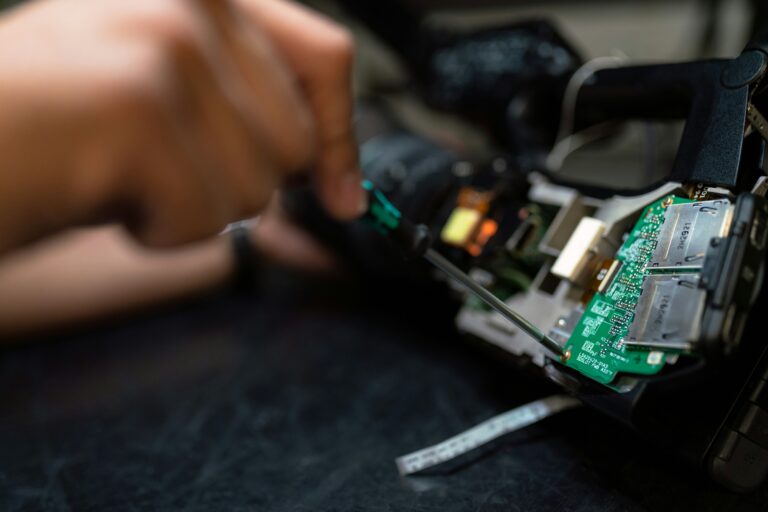
Market Gains Strong but Sandisk and AI Stocks Sell Off

- Strong Market Performance: Despite the overall stock market achieving significant gains this week, investor optimism remains high, indicating potential economic recovery.
- Sandisk Sell-Off: However, stocks related to AI, including Sandisk, experienced notable sell-offs on Thursday, putting pressure on their prices and reflecting short-term concerns in the tech sector.
- Investor Sentiment Fluctuation: This price volatility may impact investor confidence in the technology sector, particularly in AI, potentially leading to capital outflows and market instability.
- Uncertain Future Outlook: While the overall market is performing well, the pullback in individual stocks may affect broader investment strategies, prompting investors to carefully assess risks and returns.
See More

Investment Opportunities in OpenAI and Anthropic Before IPOs
- IPO Timeline: OpenAI and Anthropic filed confidential S-1 registration statements with the SEC on May 22 and June 1, respectively, with expected public offerings in late 2026 or early 2027, providing investors with a chance to position themselves early.
- Valuation and Market Potential: OpenAI is valued at $852 billion after its latest funding round and aims for a $1 trillion IPO, reflecting a 50x price-to-earnings ratio based on its projected $20 billion annualized revenue in 2025, indicating both significant market potential and inherent risks.
- Diverse Investment Channels: Investors can gain pre-IPO exposure to OpenAI and Anthropic through secondary markets, special purpose vehicles (SPVs), and mutual funds, but these methods carry hidden risks that could lead to substantial losses for investors.
- Market Reaction and Risks: While there is considerable excitement surrounding the IPOs of both companies, their high valuations and potential financial losses could lead to a decline in stock prices post-IPO, necessitating careful evaluation of investment timing and strategies.
See More
OpenAI and Anthropic Plan IPOs in 2026-2027

- Valuation and Market Expectations: OpenAI is valued at $852 billion after its latest funding round and aims for a $1 trillion IPO, which would be 50 times its projected $20 billion annualized revenue by the end of 2025; Anthropic, valued at $965 billion, would see a $1 trillion IPO at 111 times its $9 billion annualized revenue, indicating extremely high market expectations for both companies.
- Limited Share Supply: Both companies plan to float only 5%-10% of their shares in their IPOs, and this limited supply, combined with market hype and pent-up demand, could lead to a rapid surge in stock prices post-IPO, despite their already high valuations, necessitating careful risk assessment by investors.
- Investment Channels and Risks: Accredited investors can purchase shares of OpenAI and Anthropic through secondary marketplaces like Forge Global and EquityZen or via special-purpose vehicles (SPVs) for indirect exposure, but both companies are aggressively cracking down on these secondary sales, which could render purchased shares worthless before the IPO, highlighting the need for caution.
- Wisdom in Waiting for IPO: While OpenAI and Anthropic will attract significant attention upon going public, the market's focus on their steep valuations and net losses may lead to a price drop, suggesting that investors might find better opportunities to buy shares after the IPO rather than before.
See More

AMD Joins Robinhood's Top Stocks Amid Surge in AI Demand

- Surge in AI Demand: AMD has become the ninth most held stock on Robinhood due to its strong performance in the CPU market, with a stock price increase of approximately 154% in 2023, reflecting the positive impact of widespread AI technology adoption on its business.
- Data Center Revenue Surge: AMD's Q1 2026 results show a 57% year-over-year increase in its data center division revenue, nearing $5.7 billion, indicating strong demand for CPUs driven by AI adoption, further solidifying its market position.
- Analyst Optimism: Cantor Fitzgerald analyst C.J. Muse raised AMD's price target by $200 to $700, suggesting a 34% upside potential, with expectations that supply chain constraints will drive total industry revenue to approximately $3 trillion by 2029.
- Cautious Market Sentiment: Despite AMD's benefits from the rise of agentic AI, the current price-to-earnings ratio of 70 indicates a potentially frothy market, leading to recommendations for investors to adopt a dollar-cost averaging strategy to mitigate risks.
See More
2026 FIFA World Cup Drives Surge in Prediction Market Trading
- Surge in Trading Volume: During the 2026 FIFA World Cup, Kalshi's notional trading volume exceeded $31 billion in June, representing a more than 70% increase from May's $17.9 billion, highlighting the tournament's significant impact on online prediction markets.
- Polymarket Sets Records: Polymarket's international event contract trading reached a record high of over $10.8 billion in June, reversing the downward trend seen in April and May, indicating robust market demand.
- Rothera's Emergence: Rothera achieved $2 billion in notional trading volume in June, accounting for 7% of U.S. prediction market volume, showcasing new market opportunities driven by the World Cup, particularly with support from Robinhood.
- Rising Open Interest: Kalshi's open interest surpassed $1 billion, while Polymarket's approached $400 million, reflecting heightened investor activity and the overall health of the market during the World Cup period.
See More
Eightco Financial Update: $386 Million in Assets
- Portfolio Overview: As of July 1, 2026, Eightco Holdings reports a total asset value of approximately $386 million, including $90 million in indirect shares of OpenAI, $18 million in Beast Industries, 283.4 million WLD, and $149 million in cash, showcasing a robust positioning in the digital asset sector.
- WLD Listing Impact: The listing of Worldcoin (WLD) on Robinhood is expected to provide easier access for millions of users, potentially boosting liquidity and market acceptance of WLD, thereby enhancing the asset value of Eightco.
- Investment Strategy: Eightco's indirect investments in OpenAI and Beast Industries account for 23% and 5% of its asset portfolio respectively, indicating a strategic focus on artificial intelligence and the creator economy, aiming to capitalize on innovation trends over the next decade.
- Market Outlook: The investment portfolio of Eightco not only reflects a commitment to AI, digital identity, and the creator economy but also indicates the company's potential to address deepfake issues through
See More
Market Gains Strong but Sandisk and AI Stocks Sell Off
- Strong Market Performance: Despite the overall stock market achieving significant gains this week, investor optimism remains high, indicating potential economic recovery.
- Sandisk Sell-Off: However, stocks related to AI, including Sandisk, experienced notable sell-offs on Thursday, putting pressure on their prices and reflecting short-term concerns in the tech sector.
- Investor Sentiment Fluctuation: This price volatility may impact investor confidence in the technology sector, particularly in AI, potentially leading to capital outflows and market instability.
- Uncertain Future Outlook: While the overall market is performing well, the pullback in individual stocks may affect broader investment strategies, prompting investors to carefully assess risks and returns.
See More
Investment Opportunities in OpenAI and Anthropic Before IPOs
- IPO Timeline: OpenAI and Anthropic filed confidential S-1 registration statements with the SEC on May 22 and June 1, respectively, with expected public offerings in late 2026 or early 2027, providing investors with a chance to position themselves early.
- Valuation and Market Potential: OpenAI is valued at $852 billion after its latest funding round and aims for a $1 trillion IPO, reflecting a 50x price-to-earnings ratio based on its projected $20 billion annualized revenue in 2025, indicating both significant market potential and inherent risks.
- Diverse Investment Channels: Investors can gain pre-IPO exposure to OpenAI and Anthropic through secondary markets, special purpose vehicles (SPVs), and mutual funds, but these methods carry hidden risks that could lead to substantial losses for investors.
- Market Reaction and Risks: While there is considerable excitement surrounding the IPOs of both companies, their high valuations and potential financial losses could lead to a decline in stock prices post-IPO, necessitating careful evaluation of investment timing and strategies.
See More
OpenAI and Anthropic Plan IPOs in 2026-2027
- Valuation and Market Expectations: OpenAI is valued at $852 billion after its latest funding round and aims for a $1 trillion IPO, which would be 50 times its projected $20 billion annualized revenue by the end of 2025; Anthropic, valued at $965 billion, would see a $1 trillion IPO at 111 times its $9 billion annualized revenue, indicating extremely high market expectations for both companies.
- Limited Share Supply: Both companies plan to float only 5%-10% of their shares in their IPOs, and this limited supply, combined with market hype and pent-up demand, could lead to a rapid surge in stock prices post-IPO, despite their already high valuations, necessitating careful risk assessment by investors.
- Investment Channels and Risks: Accredited investors can purchase shares of OpenAI and Anthropic through secondary marketplaces like Forge Global and EquityZen or via special-purpose vehicles (SPVs) for indirect exposure, but both companies are aggressively cracking down on these secondary sales, which could render purchased shares worthless before the IPO, highlighting the need for caution.
- Wisdom in Waiting for IPO: While OpenAI and Anthropic will attract significant attention upon going public, the market's focus on their steep valuations and net losses may lead to a price drop, suggesting that investors might find better opportunities to buy shares after the IPO rather than before.
See More
AMD Joins Robinhood's Top Stocks Amid Surge in AI Demand
- Surge in AI Demand: AMD has become the ninth most held stock on Robinhood due to its strong performance in the CPU market, with a stock price increase of approximately 154% in 2023, reflecting the positive impact of widespread AI technology adoption on its business.
- Data Center Revenue Surge: AMD's Q1 2026 results show a 57% year-over-year increase in its data center division revenue, nearing $5.7 billion, indicating strong demand for CPUs driven by AI adoption, further solidifying its market position.
- Analyst Optimism: Cantor Fitzgerald analyst C.J. Muse raised AMD's price target by $200 to $700, suggesting a 34% upside potential, with expectations that supply chain constraints will drive total industry revenue to approximately $3 trillion by 2029.
- Cautious Market Sentiment: Despite AMD's benefits from the rise of agentic AI, the current price-to-earnings ratio of 70 indicates a potentially frothy market, leading to recommendations for investors to adopt a dollar-cost averaging strategy to mitigate risks.
See More