Ireland's Regulator Investigates X Platform Over Data Compliance
- Data Compliance Inquiry: Ireland's Data Protection Commission has initiated an investigation into X platform, focusing on its compliance with obligations regarding the processing of EU users' personal data, particularly concerning the sexualized images generated by the Grok AI chatbot, which could impact its operational compliance in the EU.
- GDPR Compliance Review: The inquiry will assess X platform's adherence to fundamental obligations under the GDPR framework, with Deputy Commissioner Graham Doyle emphasizing that the DPC, as the Lead Supervisory Authority for XIUC across the EU/EEA, will conduct a large-scale review to ensure user data security.
- Deepfake Technology Risks: Last month, the European Commission launched an investigation into xAI, the developer of the Grok chatbot, for generating non-consensual sexualized deepfakes of women and minors, violating the Digital Services Act, highlighting the increasing regulatory scrutiny on AI technologies.
- UK Regulatory Involvement: The UK's Ofcom has also launched a similar probe into Grok, reflecting the growing concern among international regulatory bodies regarding AI-generated content, which may lead to stricter compliance requirements for X platform, potentially affecting its market reputation and user trust.
Trade with 70% Backtested Accuracy
Analyst Views on TSLA

About TSLA
About the author


Tesla Sales Decline Raises Concerns Over Future Products

- Declining Sales: Tesla delivered 1.79 million EVs in 2024, a 1% decline from the previous year, and further dropped to 1.63 million in 2025, marking a 9% year-over-year decrease, which led to a 10% drop in automotive revenue and a staggering 47% plunge in earnings per share (EPS) for 2025.
- Increased Market Competition: Tesla plans to discontinue the Model X and Model S in 2026 to focus on higher-volume models like the Model Y and Model 3, yet faces intensified competition from low-cost manufacturers like BYD, which has rapidly gained market share.
- Future Product Uncertainty: While Tesla's Cybercab robotaxi and Optimus humanoid robot are seen as promising future products, the current approval of FSD technology only in Texas poses significant delays for broader rollout, potentially impacting future revenue streams.
- Valuation Concerns: With a price-to-earnings ratio of 377, Tesla's stock is significantly overvalued compared to other trillion-dollar companies, and if EV sales continue to decline or if there are delays in new product launches, a 34% drop in stock price could lead to Tesla exiting the $1 trillion club by 2026.
SpaceX's IPO Might Be the Largest in History—Here’s What We Understand
SpaceX IPO Rumors: Speculation is growing around SpaceX's potential initial public offering (IPO), expected to be announced by mid-2026, with valuation estimates around $1.5 trillion, making it one of the largest IPOs in history.
Starlink's Role: Starlink, a major business line for SpaceX, is crucial for generating steady cash flow, which could help fund SpaceX's ambitious launch plans and reduce reliance on external financing.
Market Position: SpaceX commands a significant share of the commercial space industry, with estimates suggesting it holds 70-80% of the market, and is on track to exceed its previous launch records.
AI Integration: The recent acquisition of xAI, a startup developing advanced AI models, aligns with SpaceX's goals to enhance operational efficiency and leverage AI for future space missions, including plans for lunar and Martian exploration.
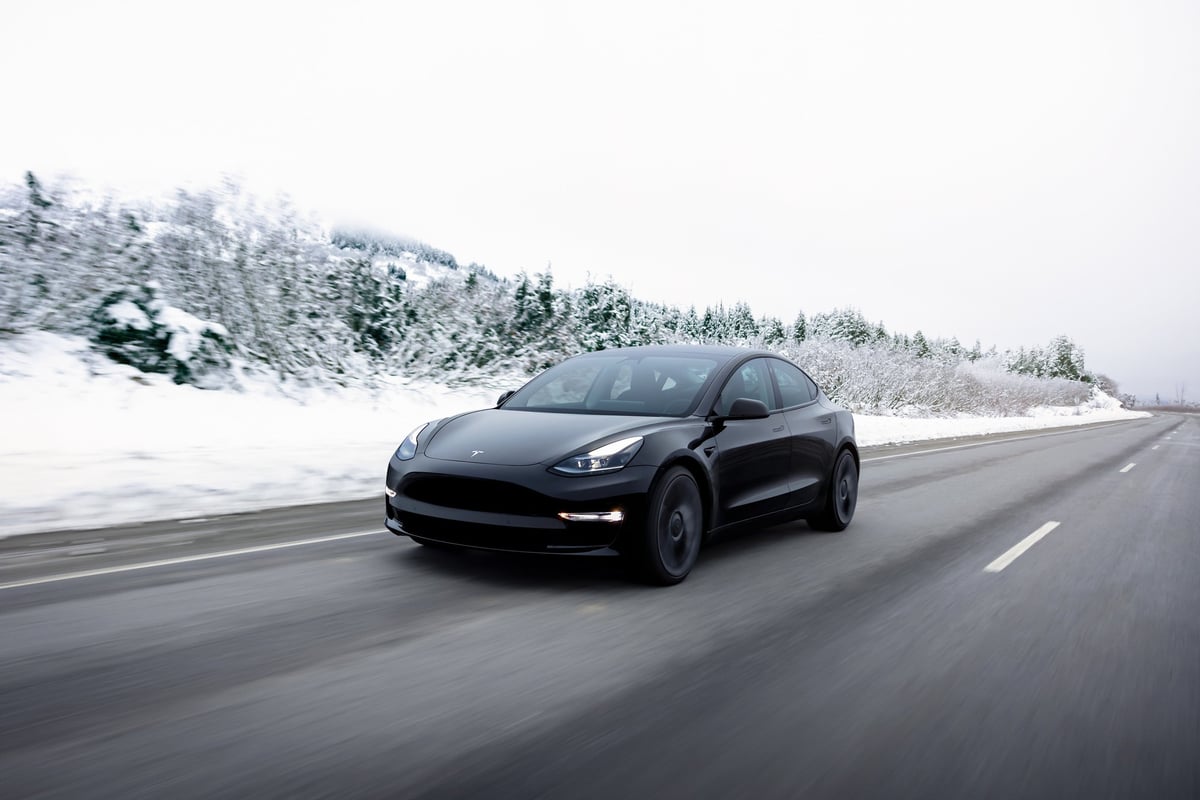
Tesla Faces Valuation Crisis Amid Declining Sales
- Declining Sales: Tesla delivered 1.79 million EVs in 2024, a 1% decline, followed by a sharper 9% drop to 1.63 million in 2025, leading to a 10% decrease in automotive revenue and a staggering 47% plunge in earnings per share (EPS), highlighting the weakness in its core business.
- Increased Market Competition: Tesla plans to discontinue the Model X and Model S in 2026 to focus on more competitive, lower-priced models like the Model Y and Model 3, in response to market encroachment from low-cost manufacturers like BYD, which outsold Tesla globally for the first time in 2025.
- Future Product Uncertainty: While Tesla's Cybercab and Optimus robots are seen as future growth opportunities, the FSD technology is currently only approved for use in Austin, Texas, and broader rollout faces strict regulations, potentially delaying product launches and impacting investor confidence.
- Significant Valuation Risks: With a price-to-earnings ratio of 377, Tesla's stock is vastly overvalued compared to the Nasdaq-100 index; a 34% decline in stock price would drop it out of the $1 trillion club, with significant risks of adjustment if EV sales continue to decline or product rollouts are delayed.
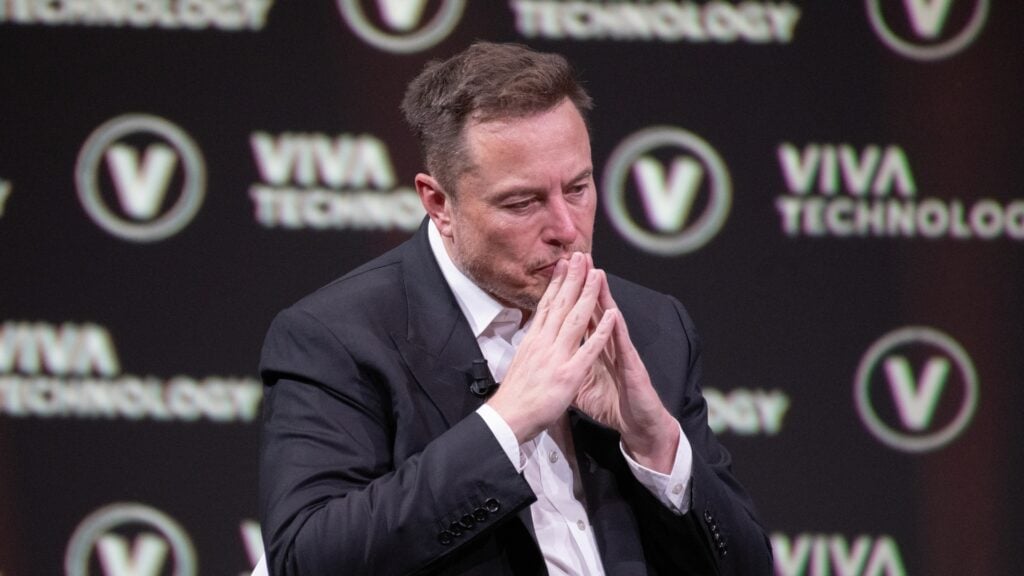
Musk Discusses Trillion-Dollar Fortune and SpaceX IPO
- Wealth Composition Insight: In an interview with entrepreneur Peter Diamandis, Musk explained that his trillion-dollar fortune represents ownership stakes in companies he built, emphasizing that wealth is more complex than just cash in a bank, which highlights the success and innovation of his business models.
- Global Billionaire Status: According to Forbes' latest billionaire list, Musk's net worth has surpassed $800 billion, making him the first person to reach this milestone and surpassing 693 other billionaires, further solidifying his leadership position in the global wealth rankings.
- SpaceX IPO Prospects: As SpaceX gears up for an IPO this year, Musk's wealth and the company's valuation will be influenced by market reactions, which could not only bring in substantial funding but also enhance its competitiveness in the commercial space sector.
- Tesla Compensation Incentives: Tesla's new pay package for Musk is tied to several milestones, including the delivery of 20 million vehicles, reflecting the company's confidence in future growth while also showcasing Musk's pivotal role in driving innovation and expansion within the company.
Tesla vs. Rivian: Analyzing Electric Vehicle Market Dynamics

- Rivian's Financial Struggles: In Q4 2025, Rivian reported $1.29 billion in revenue, a 25.4% decline year-over-year, with automotive revenue plummeting 45%, indicating significant pressure on its core business, although its software services segment grew 109% to $447 million, suggesting early success in diversification.
- Tesla's Delivery Decline: Tesla delivered 418,227 vehicles in Q4 2025, a 16% year-over-year drop, with total deliveries for the year down about 9% to 1.63 million, reflecting weakness in its automotive market, despite a 29% growth in its energy storage business during the same quarter, showcasing resilience through diversification.
- Future Delivery Expectations: Rivian anticipates deliveries between 62,000 and 67,000 units in 2026, translating to an approximate 53% year-over-year growth at the midpoint, indicating strong long-term demand despite short-term challenges, while Tesla relies on its substantial cash flow and diversified business to navigate market fluctuations.
- Investor Confidence Divergence: Despite both companies facing high valuation pressures, Tesla's market cap stands at around $1.5 trillion with a net income of only $3.8 billion, yet investors remain optimistic about its future software and autonomous driving potential, while Rivian must overcome its $3.6 billion net loss to bolster market confidence.

Rivian Achieves First Year of Positive Gross Profit
- Rivian Profit Milestone: In 2025, Rivian achieved its first full year of positive gross profit, generating $120 million in Q4 with a 9% gross margin, marking a significant advancement in profitability despite a 45% year-over-year decline in automotive revenue.
- Tesla Delivery Decline: Tesla's total vehicle deliveries for 2025 were approximately 1.63 million, reflecting a 9% year-over-year drop, with Q4 deliveries at 418,227 units, indicating substantial pressure on car sales amid high interest rates and cautious consumer behavior.
- Software and Energy Growth: Tesla's energy storage segment deployed a record 14.2 gigawatt-hours in Q4, a 29% year-over-year increase, while its Full Self-Driving subscriptions reached 1.1 million, up 38% year-over-year, showcasing strong performance in diversifying revenue streams.
- Market Valuation Pressure: Despite Rivian's progress in profitability, it reported a net loss of $3.6 billion in 2025, while Tesla's market cap stands at around $1.5 trillion, with investors pricing in expectations for a recovery in automotive sales and significant growth in software profits, indicating high valuation pressures for both companies.
Tesla Sales Decline Raises Concerns Over Future Products
- Declining Sales: Tesla delivered 1.79 million EVs in 2024, a 1% decline from the previous year, and further dropped to 1.63 million in 2025, marking a 9% year-over-year decrease, which led to a 10% drop in automotive revenue and a staggering 47% plunge in earnings per share (EPS) for 2025.
- Increased Market Competition: Tesla plans to discontinue the Model X and Model S in 2026 to focus on higher-volume models like the Model Y and Model 3, yet faces intensified competition from low-cost manufacturers like BYD, which has rapidly gained market share.
- Future Product Uncertainty: While Tesla's Cybercab robotaxi and Optimus humanoid robot are seen as promising future products, the current approval of FSD technology only in Texas poses significant delays for broader rollout, potentially impacting future revenue streams.
- Valuation Concerns: With a price-to-earnings ratio of 377, Tesla's stock is significantly overvalued compared to other trillion-dollar companies, and if EV sales continue to decline or if there are delays in new product launches, a 34% drop in stock price could lead to Tesla exiting the $1 trillion club by 2026.
SpaceX's IPO Might Be the Largest in History—Here’s What We Understand
SpaceX IPO Rumors: Speculation is growing around SpaceX's potential initial public offering (IPO), expected to be announced by mid-2026, with valuation estimates around $1.5 trillion, making it one of the largest IPOs in history.
Starlink's Role: Starlink, a major business line for SpaceX, is crucial for generating steady cash flow, which could help fund SpaceX's ambitious launch plans and reduce reliance on external financing.
Market Position: SpaceX commands a significant share of the commercial space industry, with estimates suggesting it holds 70-80% of the market, and is on track to exceed its previous launch records.
AI Integration: The recent acquisition of xAI, a startup developing advanced AI models, aligns with SpaceX's goals to enhance operational efficiency and leverage AI for future space missions, including plans for lunar and Martian exploration.
Tesla Faces Valuation Crisis Amid Declining Sales
- Declining Sales: Tesla delivered 1.79 million EVs in 2024, a 1% decline, followed by a sharper 9% drop to 1.63 million in 2025, leading to a 10% decrease in automotive revenue and a staggering 47% plunge in earnings per share (EPS), highlighting the weakness in its core business.
- Increased Market Competition: Tesla plans to discontinue the Model X and Model S in 2026 to focus on more competitive, lower-priced models like the Model Y and Model 3, in response to market encroachment from low-cost manufacturers like BYD, which outsold Tesla globally for the first time in 2025.
- Future Product Uncertainty: While Tesla's Cybercab and Optimus robots are seen as future growth opportunities, the FSD technology is currently only approved for use in Austin, Texas, and broader rollout faces strict regulations, potentially delaying product launches and impacting investor confidence.
- Significant Valuation Risks: With a price-to-earnings ratio of 377, Tesla's stock is vastly overvalued compared to the Nasdaq-100 index; a 34% decline in stock price would drop it out of the $1 trillion club, with significant risks of adjustment if EV sales continue to decline or product rollouts are delayed.
Musk Discusses Trillion-Dollar Fortune and SpaceX IPO
- Wealth Composition Insight: In an interview with entrepreneur Peter Diamandis, Musk explained that his trillion-dollar fortune represents ownership stakes in companies he built, emphasizing that wealth is more complex than just cash in a bank, which highlights the success and innovation of his business models.
- Global Billionaire Status: According to Forbes' latest billionaire list, Musk's net worth has surpassed $800 billion, making him the first person to reach this milestone and surpassing 693 other billionaires, further solidifying his leadership position in the global wealth rankings.
- SpaceX IPO Prospects: As SpaceX gears up for an IPO this year, Musk's wealth and the company's valuation will be influenced by market reactions, which could not only bring in substantial funding but also enhance its competitiveness in the commercial space sector.
- Tesla Compensation Incentives: Tesla's new pay package for Musk is tied to several milestones, including the delivery of 20 million vehicles, reflecting the company's confidence in future growth while also showcasing Musk's pivotal role in driving innovation and expansion within the company.
Tesla vs. Rivian: Analyzing Electric Vehicle Market Dynamics
- Rivian's Financial Struggles: In Q4 2025, Rivian reported $1.29 billion in revenue, a 25.4% decline year-over-year, with automotive revenue plummeting 45%, indicating significant pressure on its core business, although its software services segment grew 109% to $447 million, suggesting early success in diversification.
- Tesla's Delivery Decline: Tesla delivered 418,227 vehicles in Q4 2025, a 16% year-over-year drop, with total deliveries for the year down about 9% to 1.63 million, reflecting weakness in its automotive market, despite a 29% growth in its energy storage business during the same quarter, showcasing resilience through diversification.
- Future Delivery Expectations: Rivian anticipates deliveries between 62,000 and 67,000 units in 2026, translating to an approximate 53% year-over-year growth at the midpoint, indicating strong long-term demand despite short-term challenges, while Tesla relies on its substantial cash flow and diversified business to navigate market fluctuations.
- Investor Confidence Divergence: Despite both companies facing high valuation pressures, Tesla's market cap stands at around $1.5 trillion with a net income of only $3.8 billion, yet investors remain optimistic about its future software and autonomous driving potential, while Rivian must overcome its $3.6 billion net loss to bolster market confidence.
Rivian Achieves First Year of Positive Gross Profit
- Rivian Profit Milestone: In 2025, Rivian achieved its first full year of positive gross profit, generating $120 million in Q4 with a 9% gross margin, marking a significant advancement in profitability despite a 45% year-over-year decline in automotive revenue.
- Tesla Delivery Decline: Tesla's total vehicle deliveries for 2025 were approximately 1.63 million, reflecting a 9% year-over-year drop, with Q4 deliveries at 418,227 units, indicating substantial pressure on car sales amid high interest rates and cautious consumer behavior.
- Software and Energy Growth: Tesla's energy storage segment deployed a record 14.2 gigawatt-hours in Q4, a 29% year-over-year increase, while its Full Self-Driving subscriptions reached 1.1 million, up 38% year-over-year, showcasing strong performance in diversifying revenue streams.
- Market Valuation Pressure: Despite Rivian's progress in profitability, it reported a net loss of $3.6 billion in 2025, while Tesla's market cap stands at around $1.5 trillion, with investors pricing in expectations for a recovery in automotive sales and significant growth in software profits, indicating high valuation pressures for both companies.