Iran Threatens Attacks on U.S. Tech Firms Including Oracle
Written by Emily J. Thompson, Senior Investment Analyst
Updated: Apr 04 2026
0mins


Should l Buy ORCL?
Source: Newsfilter
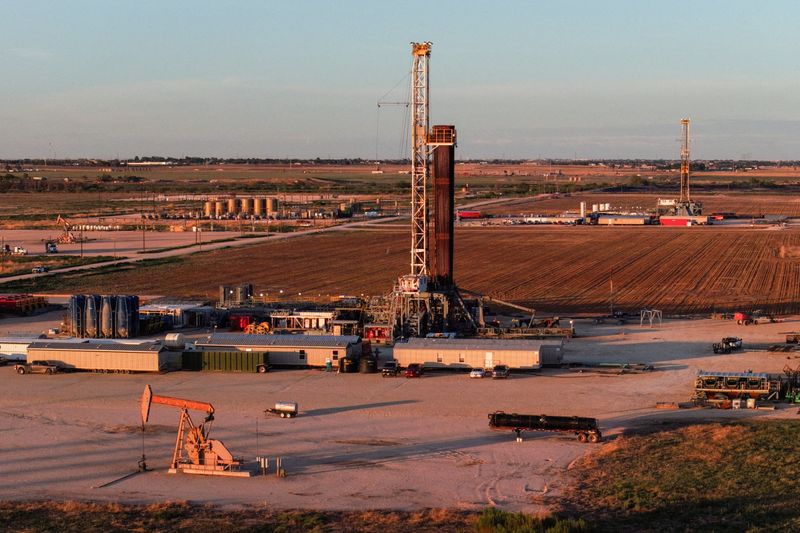
- Incident Overview: Oracle's building in Dubai sustained minor damage from debris due to an aerial interception, with no injuries reported; however, this incident highlights escalating tensions in the Middle East that could impact Oracle's operational safety in the region.
- Threats to Tech Companies: Iran's Revolutionary Guard has designated 18 U.S. tech firms, including Oracle, as 'legitimate targets' in retaliation for U.S. and Israeli strikes, which raises the operational risks for these companies in the Middle East.
- Rising Cybersecurity Risks: As threats against tech companies escalate, risk management expert James Henderson notes that tech assets are now viewed as integral to the conflict, suggesting future attacks may target data centers and cloud platforms, increasing security vulnerabilities in the industry.
- Historical Context: Iran previously attacked Amazon Web Services data centers in early March, causing outages in various apps and digital services in the UAE, and a repeat of such incidents could severely impact Oracle and other tech firms' operations.
Trade with 70% Backtested Accuracy
Stop guessing "Should I Buy ORCL?" and start using high-conviction signals backed by rigorous historical data.
Sign up today to access powerful investing tools and make smarter, data-driven decisions.
Analyst Views on ORCL
Wall Street analysts forecast ORCL stock price to rise
34 Analyst Rating
25 Buy
9 Hold
0 Sell
Moderate Buy
Current: 194.590

Low
180.00
Averages
309.59
High
400.00
Current: 194.590
Low
180.00
Averages
309.59
High
400.00
About ORCL
Oracle Corporation offers integrated suites of applications plus secure, autonomous infrastructure in the Oracle Cloud. The Company operates through three businesses: cloud and license, hardware and service. Its cloud and license business is engaged in the sale, marketing and delivery of its enterprise applications and infrastructure technologies through cloud and on-premise deployment models including its cloud services and license support offerings, and its cloud license and on-premise license offerings. Its hardware business provides infrastructure technologies including Oracle Engineered Systems, servers, storage, industry-specific hardware, operating systems, virtualization, management and other hardware-related software to support diverse IT environments. Its services business provides services to customers and partners to help maximize the performance of their investments in Oracle applications and infrastructure technologies.
About the author

Emily J. Thompson
Emily J. Thompson, a Chartered Financial Analyst (CFA) with 12 years in investment research, graduated with honors from the Wharton School. Specializing in industrial and technology stocks, she provides in-depth analysis for Intellectia’s earnings and market brief reports.

Tech Stocks Propel S&P 500 Growth Amid AI Boom


- Surge in AI Infrastructure Investment: Tech giants like Amazon, Alphabet, Microsoft, and Meta plan to invest nearly $700 billion in AI infrastructure by 2026 to meet current customer commitments, which will drive future revenue growth for these companies.
- Strong Demand for Cloud Services: Amazon forecasts capital spending of $200 billion in 2023 to support its AWS customers, indicating that the cloud services market's ongoing expansion will yield substantial profits for the company.
- Valuation Discounts for AI Stocks: According to Morningstar, AI stocks are currently trading at their largest discount in seven years, attracting investor interest in the growth potential of these infrastructure companies, which is expected to boost market performance.
- Earnings Growth Expectations: Strong performances from Alphabet, Amazon, and Meta have pushed S&P 500 earnings growth to over 27%, the highest level since 2021, demonstrating the positive impact of AI technology on corporate profitability.
See More

Tech Giants to Invest $700 Billion in AI by 2026
- AI Infrastructure Investment: Tech giants like Amazon, Alphabet, Microsoft, and Meta plan to invest nearly $700 billion in AI infrastructure by 2026, a massive investment that not only meets current customer demands but also drives future revenue growth.
- Surge in Cloud Services Demand: Amazon forecasts capital spending of $200 billion this year to support its AWS customers, indicating a rapid increase in demand for cloud services, which is expected to significantly boost the company's revenue.
- Industry Profit Growth: Alphabet, Amazon, and Meta have propelled S&P 500 earnings growth to over 27%, the highest level since 2021, demonstrating the positive impact of AI technology on corporate profitability.
- AI Stock Valuation Decline: According to Morningstar, AI stocks are currently trading at their largest discount in seven years, providing a great opportunity for investors to enter the market, which is expected to attract more capital into the AI infrastructure sector.
See More

Alphabet Surpasses Nvidia in Market Cap Amid AI Boom


- Market Cap Milestone: Alphabet briefly surpassed Nvidia in after-hours trading with a market cap of $4.8 trillion, reflecting strong performance in the AI sector, particularly after a 160% stock price increase over the past year, which has significantly boosted market confidence in its future prospects.
- Cloud Business Surge: Google Cloud's backlog nearly doubled to $462 billion, with analysts attributing this growth primarily to a $200 billion deal with Anthropic, indicating Google's competitive edge and profitability in AI infrastructure.
- Investment Concerns: Despite strong cloud performance, analysts express concerns over reliance on Anthropic, which could account for over 40% of future contracted revenue, reminiscent of Oracle's situation, potentially impacting investor confidence.
- Capital Expenditure Plans: Google projects capital expenditures of up to $190 billion for 2025, more than double that of 2024, with analysts noting that this spending will be crucial for sustained competition in AI, but it also introduces risks that need to be addressed at the upcoming Google I/O conference.
See More

Alphabet Briefly Surpasses Nvidia in Market Cap Amid AI Optimism
- Market Cap Shift: Alphabet briefly surpassed Nvidia in after-hours trading, reaching a market cap of $4.8 trillion, reflecting strong market confidence in its AI capabilities, particularly in cloud computing and proprietary models.
- Cloud Growth Surge: Alphabet's cloud backlog nearly doubled to $462 billion, indicating robust growth potential in AI-related businesses, with analysts suggesting this will provide a solid foundation for future revenue increases.
- Investor Confidence: JPMorgan named Alphabet as their “top overall pick” in the tech sector, highlighting its leading position in the AI market and profitability, signaling optimistic expectations for its future performance.
- Risk Warning: Despite the market's optimism, analysts express concerns over Anthropic's $200 billion cloud commitment, which could represent over 40% of Alphabet's future contracted revenue, cautioning investors about potential concentration risks.
See More
Nvidia Leads AI Infrastructure Investment Surge

- Stable Market Share: Nvidia maintained an 86% market share in AI accelerator sales in 2025, demonstrating its strong competitive position despite ASIC competition, as its GPUs remain the industry standard in AI workloads.
- Surge in Capital Expenditures: Wall Street analysts now forecast that capital expenditures among the top five hyperscalers will increase nearly 80% to $805 billion in 2026, exceeding previous estimates, which will directly boost demand for Nvidia's GPUs.
- Future Valuation Potential: Brad Gerstner, founder of Altimeter Capital, believes Nvidia is severely undervalued and could reach a market cap of $10 trillion, implying about 100% upside, reflecting the market's underestimation of AI infrastructure demand.
- Rapid Product Iteration: Nvidia plans to shorten its GPU update cycle to 12-18 months, compared to the typical 3-5 years for custom chips, a strategy that will help maintain its technological edge and further solidify its market position in the coming years.
See More

Nvidia's Dominance in AI Market Remains Unchallenged
- Stable Market Share: Nvidia maintains an 86% market share in AI accelerator sales for 2025, demonstrating its strong competitive position in the AI sector despite customers gradually adopting ASICs, which have not dented its dominance.
- Surge in Capital Expenditure: Morgan Stanley forecasts that capital expenditures among the top five hyperscalers will increase nearly 80% to $805 billion by 2026, which will further drive demand for Nvidia's GPUs and solidify its status as the industry standard.
- Optimistic Future Valuation: Altimeter Capital's CEO Brad Gerstner believes Nvidia will become the first $10 trillion company, while I/O Fund's Beth Kindig predicts a market cap of $20 trillion by 2030, indicating significant upside potential for shareholders.
- Accelerated Technology Update Cycle: Nvidia plans to shorten its GPU update cycle to 12-18 months, compared to competitors' 3-5 year cycles, a strategy that will help it maintain a leading edge in a rapidly evolving market and enhance its market appeal.
See More
Tech Stocks Propel S&P 500 Growth Amid AI Boom
- Surge in AI Infrastructure Investment: Tech giants like Amazon, Alphabet, Microsoft, and Meta plan to invest nearly $700 billion in AI infrastructure by 2026 to meet current customer commitments, which will drive future revenue growth for these companies.
- Strong Demand for Cloud Services: Amazon forecasts capital spending of $200 billion in 2023 to support its AWS customers, indicating that the cloud services market's ongoing expansion will yield substantial profits for the company.
- Valuation Discounts for AI Stocks: According to Morningstar, AI stocks are currently trading at their largest discount in seven years, attracting investor interest in the growth potential of these infrastructure companies, which is expected to boost market performance.
- Earnings Growth Expectations: Strong performances from Alphabet, Amazon, and Meta have pushed S&P 500 earnings growth to over 27%, the highest level since 2021, demonstrating the positive impact of AI technology on corporate profitability.
See More
Tech Giants to Invest $700 Billion in AI by 2026
- AI Infrastructure Investment: Tech giants like Amazon, Alphabet, Microsoft, and Meta plan to invest nearly $700 billion in AI infrastructure by 2026, a massive investment that not only meets current customer demands but also drives future revenue growth.
- Surge in Cloud Services Demand: Amazon forecasts capital spending of $200 billion this year to support its AWS customers, indicating a rapid increase in demand for cloud services, which is expected to significantly boost the company's revenue.
- Industry Profit Growth: Alphabet, Amazon, and Meta have propelled S&P 500 earnings growth to over 27%, the highest level since 2021, demonstrating the positive impact of AI technology on corporate profitability.
- AI Stock Valuation Decline: According to Morningstar, AI stocks are currently trading at their largest discount in seven years, providing a great opportunity for investors to enter the market, which is expected to attract more capital into the AI infrastructure sector.
See More
Alphabet Surpasses Nvidia in Market Cap Amid AI Boom
- Market Cap Milestone: Alphabet briefly surpassed Nvidia in after-hours trading with a market cap of $4.8 trillion, reflecting strong performance in the AI sector, particularly after a 160% stock price increase over the past year, which has significantly boosted market confidence in its future prospects.
- Cloud Business Surge: Google Cloud's backlog nearly doubled to $462 billion, with analysts attributing this growth primarily to a $200 billion deal with Anthropic, indicating Google's competitive edge and profitability in AI infrastructure.
- Investment Concerns: Despite strong cloud performance, analysts express concerns over reliance on Anthropic, which could account for over 40% of future contracted revenue, reminiscent of Oracle's situation, potentially impacting investor confidence.
- Capital Expenditure Plans: Google projects capital expenditures of up to $190 billion for 2025, more than double that of 2024, with analysts noting that this spending will be crucial for sustained competition in AI, but it also introduces risks that need to be addressed at the upcoming Google I/O conference.
See More
Alphabet Briefly Surpasses Nvidia in Market Cap Amid AI Optimism
- Market Cap Shift: Alphabet briefly surpassed Nvidia in after-hours trading, reaching a market cap of $4.8 trillion, reflecting strong market confidence in its AI capabilities, particularly in cloud computing and proprietary models.
- Cloud Growth Surge: Alphabet's cloud backlog nearly doubled to $462 billion, indicating robust growth potential in AI-related businesses, with analysts suggesting this will provide a solid foundation for future revenue increases.
- Investor Confidence: JPMorgan named Alphabet as their “top overall pick” in the tech sector, highlighting its leading position in the AI market and profitability, signaling optimistic expectations for its future performance.
- Risk Warning: Despite the market's optimism, analysts express concerns over Anthropic's $200 billion cloud commitment, which could represent over 40% of Alphabet's future contracted revenue, cautioning investors about potential concentration risks.
See More
Nvidia Leads AI Infrastructure Investment Surge
- Stable Market Share: Nvidia maintained an 86% market share in AI accelerator sales in 2025, demonstrating its strong competitive position despite ASIC competition, as its GPUs remain the industry standard in AI workloads.
- Surge in Capital Expenditures: Wall Street analysts now forecast that capital expenditures among the top five hyperscalers will increase nearly 80% to $805 billion in 2026, exceeding previous estimates, which will directly boost demand for Nvidia's GPUs.
- Future Valuation Potential: Brad Gerstner, founder of Altimeter Capital, believes Nvidia is severely undervalued and could reach a market cap of $10 trillion, implying about 100% upside, reflecting the market's underestimation of AI infrastructure demand.
- Rapid Product Iteration: Nvidia plans to shorten its GPU update cycle to 12-18 months, compared to the typical 3-5 years for custom chips, a strategy that will help maintain its technological edge and further solidify its market position in the coming years.
See More
Nvidia's Dominance in AI Market Remains Unchallenged
- Stable Market Share: Nvidia maintains an 86% market share in AI accelerator sales for 2025, demonstrating its strong competitive position in the AI sector despite customers gradually adopting ASICs, which have not dented its dominance.
- Surge in Capital Expenditure: Morgan Stanley forecasts that capital expenditures among the top five hyperscalers will increase nearly 80% to $805 billion by 2026, which will further drive demand for Nvidia's GPUs and solidify its status as the industry standard.
- Optimistic Future Valuation: Altimeter Capital's CEO Brad Gerstner believes Nvidia will become the first $10 trillion company, while I/O Fund's Beth Kindig predicts a market cap of $20 trillion by 2030, indicating significant upside potential for shareholders.
- Accelerated Technology Update Cycle: Nvidia plans to shorten its GPU update cycle to 12-18 months, compared to competitors' 3-5 year cycles, a strategy that will help it maintain a leading edge in a rapidly evolving market and enhance its market appeal.
See More