Intensive Use of AI Leads to Decreased Productivity Among Workers: Here's the Explanation.
Written by Emily J. Thompson, Senior Investment Analyst
Updated: 5 days ago
0mins
Should l Buy ADP?
Source: Barron's
- AI and Efficiency: The primary goal of artificial intelligence is to enhance efficiency in various tasks.
- Worker Sentiment: Recent data indicates that workers who frequently use generative AI report feeling less productive.
Trade with 70% Backtested Accuracy
Stop guessing "Should I Buy ADP?" and start using high-conviction signals backed by rigorous historical data.
Sign up today to access powerful investing tools and make smarter, data-driven decisions.
Analyst Views on ADP
Wall Street analysts forecast ADP stock price to rise
12 Analyst Rating
2 Buy
7 Hold
3 Sell
Hold
Current: 201.250

Low
230.00
Averages
276.83
High
332.00
Current: 201.250
Low
230.00
Averages
276.83
High
332.00
About ADP
Automatic Data Processing, Inc. is a provider of cloud-based human capital management (HCM) solutions. Its segments include Employer Services and Professional Employer Organization (PEO). Its Employer Services segment serves clients ranging from single-employee small businesses to large enterprises with tens of thousands of employees around the world, offering a range of technology-based HCM solutions, including its cloud-based platforms, and human resource outsourcing (HRO) (other than PEO) solutions. Its offerings include Payroll Services, Benefits Administration, Talent Management, HR Management, Workforce Management, Compliance Services, Insurance Services and Retirement Services. Its PEO business, called ADP TotalSource, provides clients with guidance, technology, comprehensive employee benefits, risk management, safety, and workers’ compensation program. Its compensation management software supports the compensation planning needs.
About the author

Emily J. Thompson
Emily J. Thompson, a Chartered Financial Analyst (CFA) with 12 years in investment research, graduated with honors from the Wharton School. Specializing in industrial and technology stocks, she provides in-depth analysis for Intellectia’s earnings and market brief reports.
Software Stocks Decline, Hardware Takes a Bigger Hit: Key Insights for the AI Market Era.


- AI's Impact on Software Industry: The ongoing debate about the extent of artificial intelligence's disruption in the software industry is expected to continue for years.
- Investor Optimism: Despite uncertainties, investors showed increased optimism towards the software sector on Thursday.
See More
Software Stocks Climb While Hardware Declines: Key Insights for the Stock Market in the Age of AI.
- AI's Impact on Software Industry: The ongoing debate about the extent of artificial intelligence's disruption in the software industry is expected to continue for years.
- Investor Optimism: Despite uncertainties, investors showed increased optimism towards the software sector on Thursday.
See More

Intensive Use of AI Leads to Decreased Productivity Among Workers: Here's the Explanation.

- AI and Efficiency: The primary goal of artificial intelligence is to enhance efficiency in various tasks.
- Worker Sentiment: Recent data indicates that workers who frequently use generative AI report feeling less productive.
See More
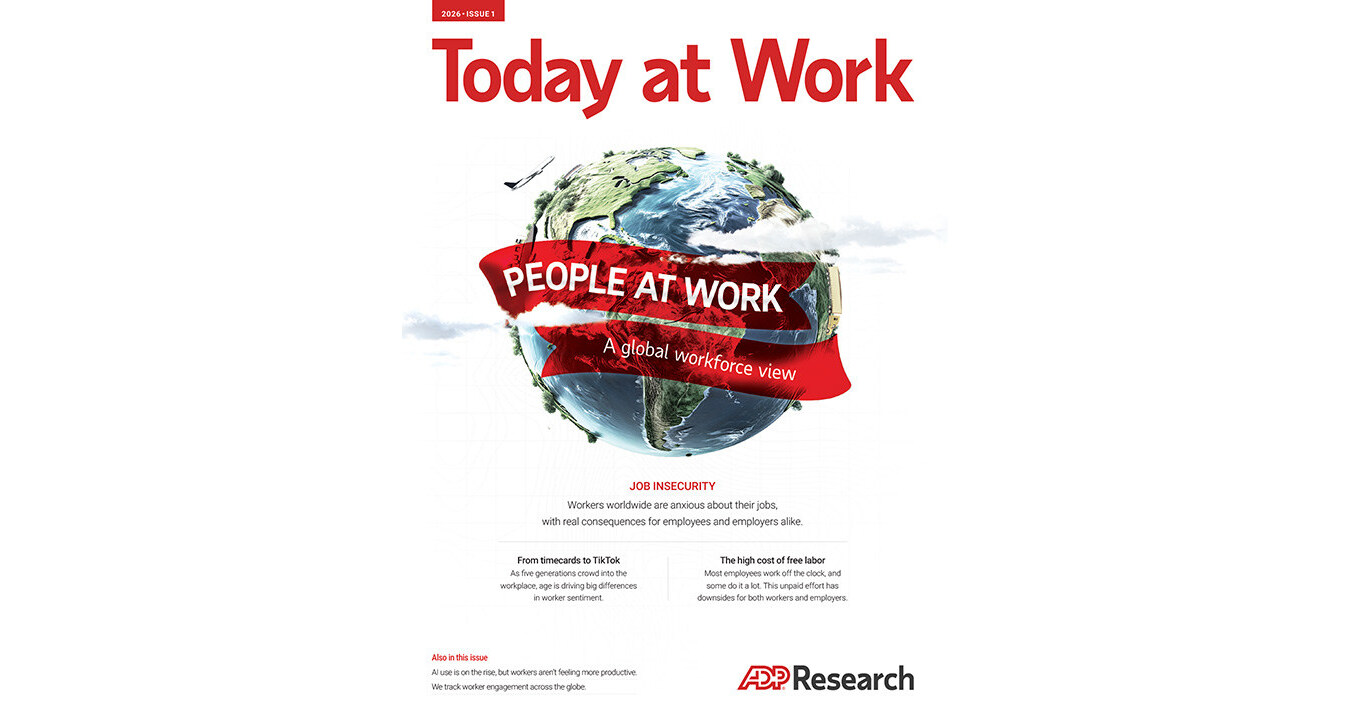
Global Workforce Sentiment Survey Reveals AI Challenges
- Job Security Concerns: According to ADP Research, only 22% of global workers strongly agreed that their jobs are safe from elimination, with anxiety particularly pronounced among lower-paid, repetitive task workers, indicating a pressing need for employers to rethink talent strategies to enhance employee confidence.
- AI Usage and Engagement: The survey found that employees who frequently use AI are more likely to feel confident about job security, with 53% of workers fully engaged when they perceive employer investment, compared to only 12% who feel disengaged without such investment, highlighting opportunities for employers to enhance skill development.
- Challenges of a Multi-Generational Workforce: For the first time, five generations are working together, with only 18% of workers aged 55 to 64 and 19% of those 65+ feeling they have the skills to advance, compared to 29% of younger workers, suggesting a need for targeted skill development across age groups.
- Prevalence of Unpaid Work: ADP's research indicates that 62% of workers put in up to five hours of unpaid work each week, while 38% exceed six hours, reflecting significant pressure on employees regarding work-life balance, necessitating employer action to improve efficiency and employee satisfaction.
See More
U.S. Private Sector Job Growth Slows
- Job Growth Data: For the four weeks ending March 7, 2026, U.S. private employers added an average of 10,000 jobs per week, indicating a moderate growth trend in the labor market, although changes from previous weeks were minimal.
- Four-Week Moving Average: The NER Pulse data shows a moving average of 9,000 jobs for the week ending February 28 and 14,750 for February 21, suggesting fluctuations in job growth that could impact confidence in economic recovery.
- Data Release Frequency: The NER Pulse is published every Tuesday at 8:15 a.m., providing estimates of week-over-week employment changes based on ADP's high-frequency data, ensuring timeliness and accuracy to support decision-making for policymakers and businesses.
- Future Release Schedule: The next NER Pulse will be released on April 7, 2026, with ADP Research collaborating with the Stanford Digital Economy Lab to enhance work productivity through data-driven insights, reflecting ADP's leadership in employment data.
See More

U.S. Private Sector Job Growth Slows
- Job Growth Data: For the four weeks ending March 7, 2026, U.S. private employers added an average of 10,000 jobs per week, indicating stability in the labor market, although the growth rate has slowed compared to previous weeks.
- Data Source and Adjustments: These figures come from the NER Pulse, which utilizes ADP's high-frequency data and is seasonally adjusted; despite a two-week lag, they provide crucial insights into real-time employment trends.
- Release Frequency and Transparency: The NER Pulse is published every Tuesday at 8:15 a.m., offering 12 weeks of historical data to ensure market participants can access the latest employment dynamics, thereby enhancing decision-making transparency.
- Future Release Plans: The next NER Pulse will be released on April 7, 2026, with ADP Research collaborating with the Stanford Digital Economy Lab to provide data-driven insights that help businesses and policymakers make more informed decisions.
See More
Software Stocks Decline, Hardware Takes a Bigger Hit: Key Insights for the AI Market Era.
- AI's Impact on Software Industry: The ongoing debate about the extent of artificial intelligence's disruption in the software industry is expected to continue for years.
- Investor Optimism: Despite uncertainties, investors showed increased optimism towards the software sector on Thursday.
See More
Software Stocks Climb While Hardware Declines: Key Insights for the Stock Market in the Age of AI.
- AI's Impact on Software Industry: The ongoing debate about the extent of artificial intelligence's disruption in the software industry is expected to continue for years.
- Investor Optimism: Despite uncertainties, investors showed increased optimism towards the software sector on Thursday.
See More
Intensive Use of AI Leads to Decreased Productivity Among Workers: Here's the Explanation.
- AI and Efficiency: The primary goal of artificial intelligence is to enhance efficiency in various tasks.
- Worker Sentiment: Recent data indicates that workers who frequently use generative AI report feeling less productive.
See More
Global Workforce Sentiment Survey Reveals AI Challenges
- Job Security Concerns: According to ADP Research, only 22% of global workers strongly agreed that their jobs are safe from elimination, with anxiety particularly pronounced among lower-paid, repetitive task workers, indicating a pressing need for employers to rethink talent strategies to enhance employee confidence.
- AI Usage and Engagement: The survey found that employees who frequently use AI are more likely to feel confident about job security, with 53% of workers fully engaged when they perceive employer investment, compared to only 12% who feel disengaged without such investment, highlighting opportunities for employers to enhance skill development.
- Challenges of a Multi-Generational Workforce: For the first time, five generations are working together, with only 18% of workers aged 55 to 64 and 19% of those 65+ feeling they have the skills to advance, compared to 29% of younger workers, suggesting a need for targeted skill development across age groups.
- Prevalence of Unpaid Work: ADP's research indicates that 62% of workers put in up to five hours of unpaid work each week, while 38% exceed six hours, reflecting significant pressure on employees regarding work-life balance, necessitating employer action to improve efficiency and employee satisfaction.
See More
U.S. Private Sector Job Growth Slows
- Job Growth Data: For the four weeks ending March 7, 2026, U.S. private employers added an average of 10,000 jobs per week, indicating a moderate growth trend in the labor market, although changes from previous weeks were minimal.
- Four-Week Moving Average: The NER Pulse data shows a moving average of 9,000 jobs for the week ending February 28 and 14,750 for February 21, suggesting fluctuations in job growth that could impact confidence in economic recovery.
- Data Release Frequency: The NER Pulse is published every Tuesday at 8:15 a.m., providing estimates of week-over-week employment changes based on ADP's high-frequency data, ensuring timeliness and accuracy to support decision-making for policymakers and businesses.
- Future Release Schedule: The next NER Pulse will be released on April 7, 2026, with ADP Research collaborating with the Stanford Digital Economy Lab to enhance work productivity through data-driven insights, reflecting ADP's leadership in employment data.
See More
U.S. Private Sector Job Growth Slows
- Job Growth Data: For the four weeks ending March 7, 2026, U.S. private employers added an average of 10,000 jobs per week, indicating stability in the labor market, although the growth rate has slowed compared to previous weeks.
- Data Source and Adjustments: These figures come from the NER Pulse, which utilizes ADP's high-frequency data and is seasonally adjusted; despite a two-week lag, they provide crucial insights into real-time employment trends.
- Release Frequency and Transparency: The NER Pulse is published every Tuesday at 8:15 a.m., offering 12 weeks of historical data to ensure market participants can access the latest employment dynamics, thereby enhancing decision-making transparency.
- Future Release Plans: The next NER Pulse will be released on April 7, 2026, with ADP Research collaborating with the Stanford Digital Economy Lab to provide data-driven insights that help businesses and policymakers make more informed decisions.
See More