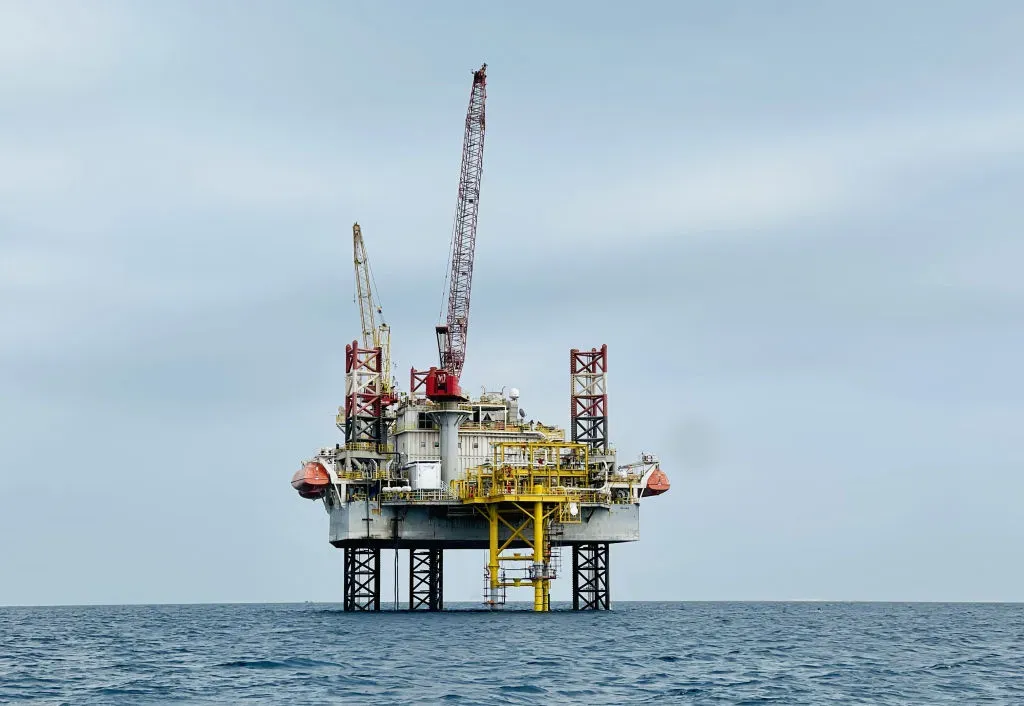
Indonesia Energy plans to commence drilling two wells at Kruh Block
Drilling Plans: Indonesia Energy plans to drill two wells, Kruh-29 and West Kruh-5, in the Kruh Block starting in Q4 2025, utilizing a 750 horsepower rig to minimize costs.
Regulatory Approval and Logistics: The drilling locations have received approval from Indonesian authorities, with preparations for land acquisition and vendor tenders underway, aiming for production by year-end 2025.
Trade with 70% Backtested Accuracy
Analyst Views on INDO
About INDO
About the author


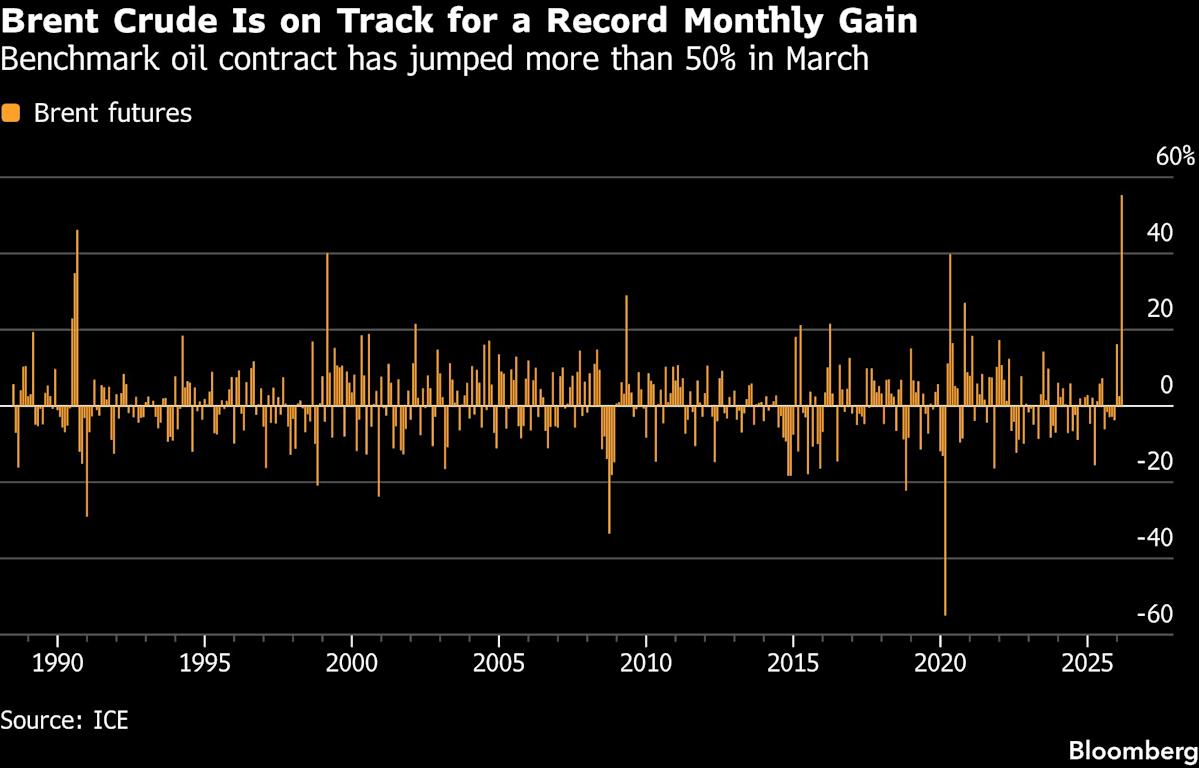
Brent Oil Prices Surge Amid Middle East Conflict


- Oil Price Surge: Brent crude oil prices climbed to $116.75, a 3.7% increase, and are on track for a record monthly gain after a 60% rise in March, significantly enhancing profit expectations for oil companies.
- Geopolitical Risks Escalate: The market's concerns over global energy supply have intensified due to missile launches by Houthi militants towards Israel and Iran's restrictions on traffic through the Strait of Hormuz, potentially leading to further oil price increases that could impact global economic stability.
- U.S. Troop Deployment Impact: The U.S. has reportedly deployed thousands of additional troops to the region, raising the risk of ground operations, while plans to extract nearly 1,000 pounds of enriched uranium from Iran could keep U.S. forces inside the country for days, extending the conflict timeline and increasing market uncertainty.
- Investor Sentiment Shift: Despite strong performance in oil stocks amid rising prices, retail sentiment towards energy stocks is largely bearish, with BATL's stock surging 382% over the past year, indicating a divergence in market views on high-risk investments.
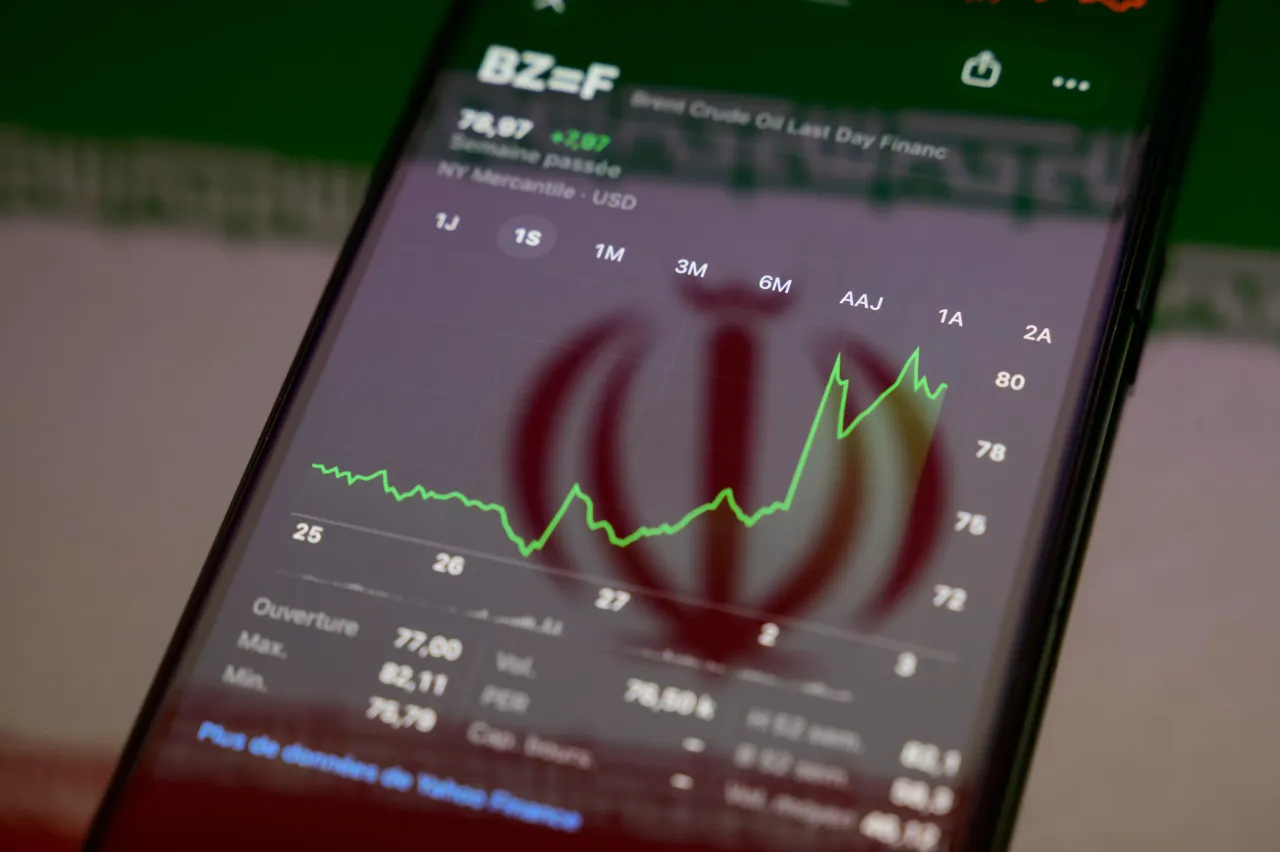
Oil Prices Surge Amid Geopolitical Tensions and Market Reactions
- Oil Price Surge: Brent crude prices are nearing $110 per barrel, with a cumulative increase of about 51% in March, primarily due to the near-closure of the Strait of Hormuz, which has severely disrupted global energy flows, driving up crude and refined product prices and indicating high market sensitivity to Middle Eastern tensions.
- Market Reactions: In premarket trading, Battalion Oil (BATL) rose over 10%, the United States Oil Fund (USO) gained about 2%, while Indonesia Energy (INDO) and EON Resources (EONR) slipped over 1%, reflecting investor concerns over potential escalation of conflict in the region.
- Geopolitical Risks: Trump extended the deadline for strikes on Iranian energy infrastructure by 10 days to April 6, which has reduced immediate escalation risks but has not increased expectations for a deal, indicating a cautious investor sentiment regarding future developments.
- Long-term Forecast: Macquarie estimates that the conflict could last until June, with oil prices potentially soaring to $200 per barrel if the Strait of Hormuz remains closed, highlighting the persistent risk premium in energy markets and the potential for significant declines in global oil demand.

USO, BATL, TPET Gain in Premarket as Brent Approaches Record Month – Macquarie Warns of $200 Oil Risk Amid Ongoing Iran Conflict

Oil Market Trends: Batallion Oil (BATL) rose over 10% in premarket trading, while the US Oil Fund (USO) gained about 2%. Brent crude is on track for a record monthly gain in March, up approximately 51%, due to disruptions in global energy flows from the Strait of Hormuz.
Geopolitical Tensions: President Trump extended the deadline for potential strikes on Iran's energy infrastructure by 10 days, allowing more time for diplomatic efforts amid ongoing regional conflicts, including attacks on Iranian facilities by Israel.
Market Reactions: Major oil stocks and index funds traded mostly higher as crude prices increased, driven by traders' concerns over the potential for military action in the Middle East, which has kept oil markets on edge.
Future Projections: Analysts estimate a 60% probability that the conflict could conclude by the end of March, but there remains a 40% chance of a prolonged conflict lasting into June, which could drive oil prices up to $200 per barrel if the Strait of Hormuz remains closed.
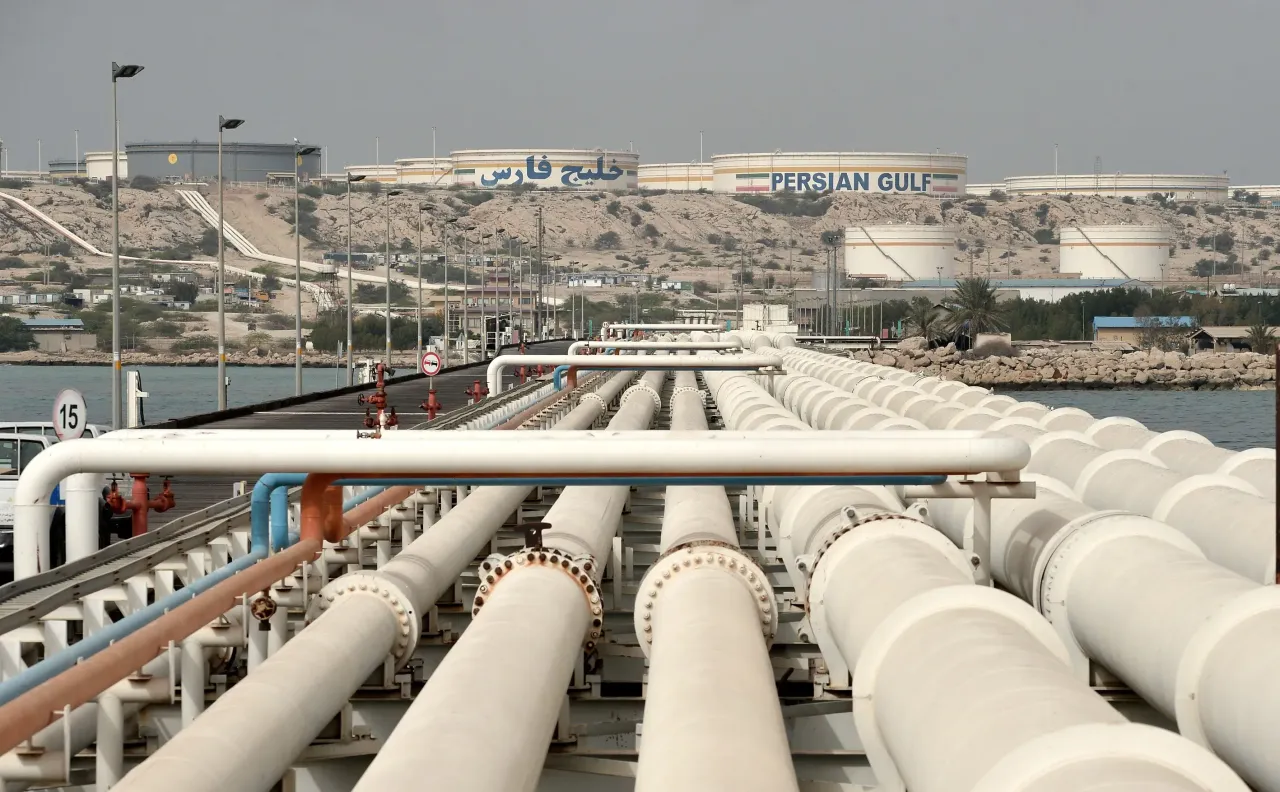
Oil Prices Set for Largest Monthly Gain Since 1990
- Oil Price Surge: Brent crude is nearing $105 per barrel and West Texas Intermediate is close to $93, driven by the near-total closure of the Strait of Hormuz, which has led to a significant reduction in global supply, setting the stage for the largest monthly gain since 1990, profoundly impacting the global energy market.
- Geopolitical Risks Intensify: Despite President Trump's claims of ongoing negotiations with Iran, Tehran has rejected proposals and is considering imposing transit fees on vessels, further tightening its grip on the Strait of Hormuz, which could lead to future supply chain instability.
- Positive Market Reaction: In premarket trading, Battalion Oil (BATL) rose about 8%, the United States Oil Fund (USO) gained roughly 3%, and both EON Resources (EONR) and Trio Petroleum (TPET) added around 3%, reflecting investor optimism regarding the rebound in oil prices.
- Supply Risk Alerts: Barclays warns that a prolonged closure of the Strait of Hormuz could remove 13 to 14 million barrels per day from global supply, increasing market sensitivity to disruptions and suggesting that oil prices may rise further in the coming months.
Oil Prices Rise as Brent Holds Above $102 Amid Geopolitical Tensions
- Surge in Oil Prices: Brent crude has surged approximately 40% this month, surpassing $102 per barrel, primarily due to ongoing conflicts in the Strait of Hormuz that have led to output cuts, thereby triggering global energy supply concerns and impacting market expectations.
- Small-Cap Oil Stocks Active: In premarket trading, the United States Oil Fund (USO) rose over 1%, and Indonesia Energy (INDO) added nearly 1%, indicating investor interest in smaller exploration-linked stocks, while larger energy companies like Chevron (CVX) and Halliburton (HAL) showed muted movements.
- Supply Risks Widen: Countries like Chile, Japan, and Thailand have begun implementing measures to address rising fuel prices due to escalating tensions in the Middle East, highlighting growing global market concerns over energy supply chains, particularly with disruptions in the Strait of Hormuz.
- Shifting Market Sentiment: Despite the market's strong reaction to short-term oil price fluctuations, analysts note that the war premium remains embedded, with expectations that oil prices will stay above $100 per barrel in the near term, reflecting concerns over future supply tightness.
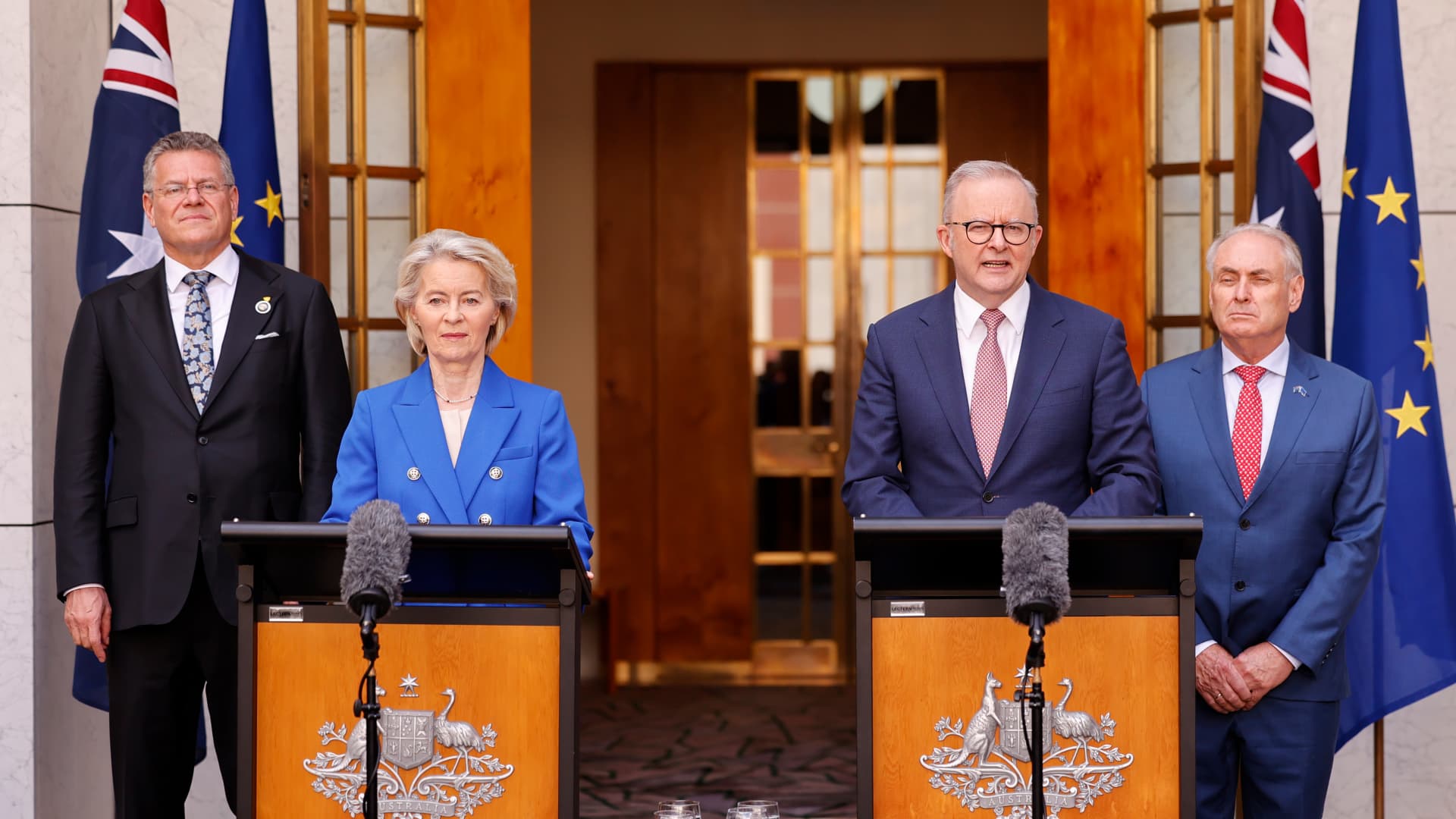
EU and Australia Reach Major Trade Agreement


- Tariff Reductions: The newly reached trade agreement will see the EU eliminate around 98% of tariffs on Australian goods, including wine, dairy, and seafood, while Australia will remove tariffs on over 99% of EU goods, significantly boosting bilateral trade.
- Export Growth Expectations: EU exports to Australia are projected to grow by up to 33% over the next decade, with annual export value reaching €17.7 billion ($20.5 billion), further enhancing the EU's economic influence in the Asia-Pacific region.
- Critical Mineral Supply Assurance: The agreement secures EU access to critical raw materials from Australia, such as aluminum, lithium, and manganese, which are vital for the EU's economic security amid rising global geopolitical uncertainties.
- Investment Growth Potential: According to the Australian government, investment from the EU is expected to increase by over 87%, solidifying the EU's position as Australia's second-largest source of foreign investment and fostering deeper economic integration between the two regions.
Brent Oil Prices Surge Amid Middle East Conflict
- Oil Price Surge: Brent crude oil prices climbed to $116.75, a 3.7% increase, and are on track for a record monthly gain after a 60% rise in March, significantly enhancing profit expectations for oil companies.
- Geopolitical Risks Escalate: The market's concerns over global energy supply have intensified due to missile launches by Houthi militants towards Israel and Iran's restrictions on traffic through the Strait of Hormuz, potentially leading to further oil price increases that could impact global economic stability.
- U.S. Troop Deployment Impact: The U.S. has reportedly deployed thousands of additional troops to the region, raising the risk of ground operations, while plans to extract nearly 1,000 pounds of enriched uranium from Iran could keep U.S. forces inside the country for days, extending the conflict timeline and increasing market uncertainty.
- Investor Sentiment Shift: Despite strong performance in oil stocks amid rising prices, retail sentiment towards energy stocks is largely bearish, with BATL's stock surging 382% over the past year, indicating a divergence in market views on high-risk investments.
Oil Prices Surge Amid Geopolitical Tensions and Market Reactions
- Oil Price Surge: Brent crude prices are nearing $110 per barrel, with a cumulative increase of about 51% in March, primarily due to the near-closure of the Strait of Hormuz, which has severely disrupted global energy flows, driving up crude and refined product prices and indicating high market sensitivity to Middle Eastern tensions.
- Market Reactions: In premarket trading, Battalion Oil (BATL) rose over 10%, the United States Oil Fund (USO) gained about 2%, while Indonesia Energy (INDO) and EON Resources (EONR) slipped over 1%, reflecting investor concerns over potential escalation of conflict in the region.
- Geopolitical Risks: Trump extended the deadline for strikes on Iranian energy infrastructure by 10 days to April 6, which has reduced immediate escalation risks but has not increased expectations for a deal, indicating a cautious investor sentiment regarding future developments.
- Long-term Forecast: Macquarie estimates that the conflict could last until June, with oil prices potentially soaring to $200 per barrel if the Strait of Hormuz remains closed, highlighting the persistent risk premium in energy markets and the potential for significant declines in global oil demand.
USO, BATL, TPET Gain in Premarket as Brent Approaches Record Month – Macquarie Warns of $200 Oil Risk Amid Ongoing Iran Conflict
Oil Market Trends: Batallion Oil (BATL) rose over 10% in premarket trading, while the US Oil Fund (USO) gained about 2%. Brent crude is on track for a record monthly gain in March, up approximately 51%, due to disruptions in global energy flows from the Strait of Hormuz.
Geopolitical Tensions: President Trump extended the deadline for potential strikes on Iran's energy infrastructure by 10 days, allowing more time for diplomatic efforts amid ongoing regional conflicts, including attacks on Iranian facilities by Israel.
Market Reactions: Major oil stocks and index funds traded mostly higher as crude prices increased, driven by traders' concerns over the potential for military action in the Middle East, which has kept oil markets on edge.
Future Projections: Analysts estimate a 60% probability that the conflict could conclude by the end of March, but there remains a 40% chance of a prolonged conflict lasting into June, which could drive oil prices up to $200 per barrel if the Strait of Hormuz remains closed.
Oil Prices Set for Largest Monthly Gain Since 1990
- Oil Price Surge: Brent crude is nearing $105 per barrel and West Texas Intermediate is close to $93, driven by the near-total closure of the Strait of Hormuz, which has led to a significant reduction in global supply, setting the stage for the largest monthly gain since 1990, profoundly impacting the global energy market.
- Geopolitical Risks Intensify: Despite President Trump's claims of ongoing negotiations with Iran, Tehran has rejected proposals and is considering imposing transit fees on vessels, further tightening its grip on the Strait of Hormuz, which could lead to future supply chain instability.
- Positive Market Reaction: In premarket trading, Battalion Oil (BATL) rose about 8%, the United States Oil Fund (USO) gained roughly 3%, and both EON Resources (EONR) and Trio Petroleum (TPET) added around 3%, reflecting investor optimism regarding the rebound in oil prices.
- Supply Risk Alerts: Barclays warns that a prolonged closure of the Strait of Hormuz could remove 13 to 14 million barrels per day from global supply, increasing market sensitivity to disruptions and suggesting that oil prices may rise further in the coming months.
Oil Prices Rise as Brent Holds Above $102 Amid Geopolitical Tensions
- Surge in Oil Prices: Brent crude has surged approximately 40% this month, surpassing $102 per barrel, primarily due to ongoing conflicts in the Strait of Hormuz that have led to output cuts, thereby triggering global energy supply concerns and impacting market expectations.
- Small-Cap Oil Stocks Active: In premarket trading, the United States Oil Fund (USO) rose over 1%, and Indonesia Energy (INDO) added nearly 1%, indicating investor interest in smaller exploration-linked stocks, while larger energy companies like Chevron (CVX) and Halliburton (HAL) showed muted movements.
- Supply Risks Widen: Countries like Chile, Japan, and Thailand have begun implementing measures to address rising fuel prices due to escalating tensions in the Middle East, highlighting growing global market concerns over energy supply chains, particularly with disruptions in the Strait of Hormuz.
- Shifting Market Sentiment: Despite the market's strong reaction to short-term oil price fluctuations, analysts note that the war premium remains embedded, with expectations that oil prices will stay above $100 per barrel in the near term, reflecting concerns over future supply tightness.
EU and Australia Reach Major Trade Agreement
- Tariff Reductions: The newly reached trade agreement will see the EU eliminate around 98% of tariffs on Australian goods, including wine, dairy, and seafood, while Australia will remove tariffs on over 99% of EU goods, significantly boosting bilateral trade.
- Export Growth Expectations: EU exports to Australia are projected to grow by up to 33% over the next decade, with annual export value reaching €17.7 billion ($20.5 billion), further enhancing the EU's economic influence in the Asia-Pacific region.
- Critical Mineral Supply Assurance: The agreement secures EU access to critical raw materials from Australia, such as aluminum, lithium, and manganese, which are vital for the EU's economic security amid rising global geopolitical uncertainties.
- Investment Growth Potential: According to the Australian government, investment from the EU is expected to increase by over 87%, solidifying the EU's position as Australia's second-largest source of foreign investment and fostering deeper economic integration between the two regions.