Indirect Investment Opportunities in NASA


- Investment Limitations: As NASA is a U.S. government agency and not a public company, investors cannot directly purchase its stock, which means they miss out on traditional market returns associated with NASA.
- Indirect Investment Channels: Investors can gain indirect exposure through publicly traded companies like Lockheed Martin (LMT) and Northrop Grumman (NOC), which earn revenue from government contracts and commercial services, showcasing a diversified business model.
- Risks of Pure-Play Space Stocks: Companies like Rocket Lab (RKLB), which focus on small satellite launches, offer higher growth potential but come with increased risk, requiring investors to carefully assess volatility and market demand.
- Diversified Options via Space ETFs: Investors can opt for space-themed exchange-traded funds (ETFs) such as Procure Space ETF and ARK Space Exploration ETF, which hold stocks of various aerospace and defense companies, providing broader market exposure without relying on a single entity.
Trade with 70% Backtested Accuracy
Analyst Views on BA

About BA
About the author


Rheinmetall Projects 45% Sales Growth in 2023 Amid Defense Spending Surge

- Sales Growth Outlook: Rheinmetall anticipates a sales increase of 40% to 45% in 2023, reaching between €14 billion and €14.5 billion, reflecting a surge in global demand for military equipment, particularly in the context of the Ukraine war, showcasing the company's strong position in the defense market.
- Record Order Backlog: The company's order backlog has reached a record high of €63.8 billion, a 36% increase year-over-year, indicating that Rheinmetall will have ample production capacity to meet the rising defense demands in the coming years, further solidifying its market leadership.
- Profitability Improvement: The operating margin is expected to rise to around 19% in 2026 from 18.5% in 2025, which not only reflects the company's success in cost control and efficiency improvements but also enhances shareholder return expectations, boosting market confidence.
- Positive Market Reaction: Despite 2025 sales of €9.94 billion falling short of expectations, Rheinmetall's stock has surged approximately 540% over the past three years, demonstrating investor confidence in its long-term growth potential, especially against the backdrop of increased European defense spending.
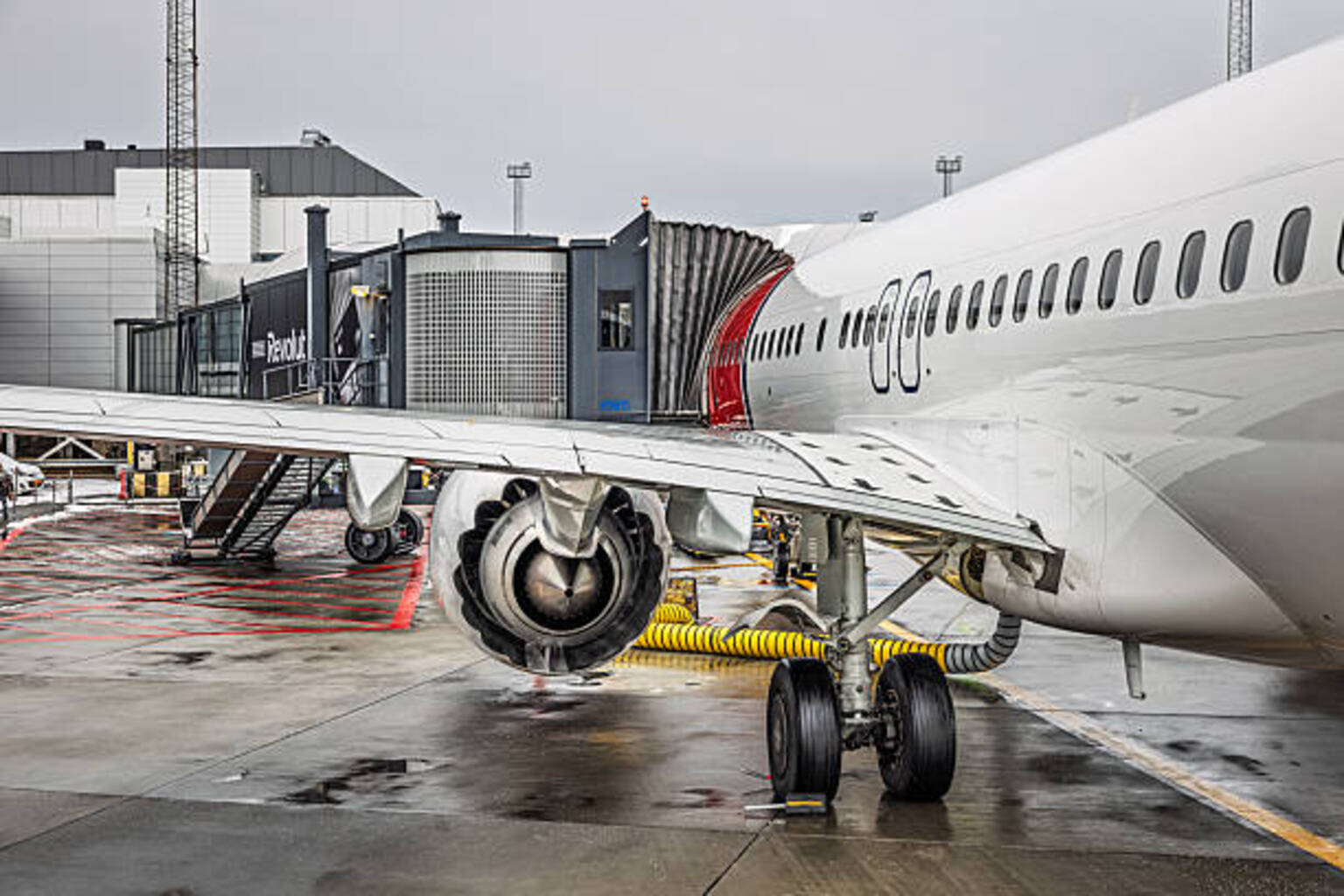
Boeing 737 Max Deliveries Delayed Due to Wiring Defect
- Delivery Delays: Boeing (BA) announced that a wiring defect on some 737 Max aircraft will delay a portion of deliveries, although the company expects to meet its full-year delivery goal, with the issue stemming from minor scratches caused by a machining error affecting quality standards.
- Production Continues: Despite the defect, production of the 737 Max continues at the current pace, with affected aircraft undergoing rework expected to take only a few days, thereby minimizing the impact on delivery schedules.
- Orders and Deliveries: Boeing delivered 51 commercial aircraft in February, marking its strongest monthly result since 2017, and secured 21 gross aircraft orders, although six were cancellations, resulting in six net orders, indicating resilience in market demand.
- Potential Major Sale: Boeing is nearing a significant potential sale of about 500 737 Max jets, which could be announced during Donald Trump's planned visit to Beijing, although the agreement has not yet been finalized, potentially providing crucial support for the company's financial recovery.

FTAI Aviation Shares Surge 12.3% Amid Strong Market Performance

- Stock Performance: FTAI Aviation shares rose by 12.3% in February, continuing a remarkable 178% increase over the past year and a 38% rise in 2026, reflecting strong market performance and heightened investor confidence.
- Strong Market Demand: FTAI's core aviation market is thriving, particularly with its new FTAI Power business aimed at converting CFM56 engines into power turbines for data centers, with management confirming preparations for the first product delivery in Q4 2026.
- Growing Maintenance Spending: CEO Joseph Adams indicated that total industry maintenance spending is expected to rise from $22 billion to $25 billion by 2026, as airlines increasingly opt to extend the life of existing fleets rather than retire older aircraft, solidifying FTAI's market position.
- Strategic Partnership Agreement: FTAI signed a multi-year agreement with CFM International to provide component and service support for CFM56 engines, which, while seemingly counterintuitive, helps extend engine life and ensures FTAI has access to necessary parts, enhancing its competitive edge in the market.

Boeing Records Highest February Deliveries Since 2017, But Faces One Issue.

- Delivery Performance: Boeing's delivery numbers are showing relative strength, indicating a positive trend in their operations.
- Supply Chain Challenges: Ongoing supply issues are expected to continue impacting the company's stock performance negatively.

Boeing Postpones 737 Deliveries Due to 'Scratched Wiring' Issue: Implications for Stock Performance.


Boeing's Delivery Performance: Boeing's delivery numbers are showing relative strength, indicating a positive trend in their operations.
737 MAX Wiring Issue: A wiring issue with the 737 MAX is expected to pose challenges for Boeing's stock performance.
Investor Sentiment: Investors are particularly sensitive to any problems related to Boeing's single-aisle jet, reflecting the importance of this model to the company's reputation and financial health.
Market Impact: The combination of strong delivery numbers and the wiring issue may create mixed signals for investors regarding Boeing's future performance.

G7 DECLARATION: BACKING THE ADOPTION OF PROACTIVE STEPS TO TACKLE THE SITUATION, INCLUDING UTILIZING STRATEGIC RESERVES

- Support for Proactive Measures: The statement emphasizes the need for proactive measures to address the current situation effectively.
- Use of Strategic Reserves: It highlights the importance of utilizing strategic reserves as part of the response strategy.
Rheinmetall Projects 45% Sales Growth in 2023 Amid Defense Spending Surge
- Sales Growth Outlook: Rheinmetall anticipates a sales increase of 40% to 45% in 2023, reaching between €14 billion and €14.5 billion, reflecting a surge in global demand for military equipment, particularly in the context of the Ukraine war, showcasing the company's strong position in the defense market.
- Record Order Backlog: The company's order backlog has reached a record high of €63.8 billion, a 36% increase year-over-year, indicating that Rheinmetall will have ample production capacity to meet the rising defense demands in the coming years, further solidifying its market leadership.
- Profitability Improvement: The operating margin is expected to rise to around 19% in 2026 from 18.5% in 2025, which not only reflects the company's success in cost control and efficiency improvements but also enhances shareholder return expectations, boosting market confidence.
- Positive Market Reaction: Despite 2025 sales of €9.94 billion falling short of expectations, Rheinmetall's stock has surged approximately 540% over the past three years, demonstrating investor confidence in its long-term growth potential, especially against the backdrop of increased European defense spending.
Boeing 737 Max Deliveries Delayed Due to Wiring Defect
- Delivery Delays: Boeing (BA) announced that a wiring defect on some 737 Max aircraft will delay a portion of deliveries, although the company expects to meet its full-year delivery goal, with the issue stemming from minor scratches caused by a machining error affecting quality standards.
- Production Continues: Despite the defect, production of the 737 Max continues at the current pace, with affected aircraft undergoing rework expected to take only a few days, thereby minimizing the impact on delivery schedules.
- Orders and Deliveries: Boeing delivered 51 commercial aircraft in February, marking its strongest monthly result since 2017, and secured 21 gross aircraft orders, although six were cancellations, resulting in six net orders, indicating resilience in market demand.
- Potential Major Sale: Boeing is nearing a significant potential sale of about 500 737 Max jets, which could be announced during Donald Trump's planned visit to Beijing, although the agreement has not yet been finalized, potentially providing crucial support for the company's financial recovery.
FTAI Aviation Shares Surge 12.3% Amid Strong Market Performance
- Stock Performance: FTAI Aviation shares rose by 12.3% in February, continuing a remarkable 178% increase over the past year and a 38% rise in 2026, reflecting strong market performance and heightened investor confidence.
- Strong Market Demand: FTAI's core aviation market is thriving, particularly with its new FTAI Power business aimed at converting CFM56 engines into power turbines for data centers, with management confirming preparations for the first product delivery in Q4 2026.
- Growing Maintenance Spending: CEO Joseph Adams indicated that total industry maintenance spending is expected to rise from $22 billion to $25 billion by 2026, as airlines increasingly opt to extend the life of existing fleets rather than retire older aircraft, solidifying FTAI's market position.
- Strategic Partnership Agreement: FTAI signed a multi-year agreement with CFM International to provide component and service support for CFM56 engines, which, while seemingly counterintuitive, helps extend engine life and ensures FTAI has access to necessary parts, enhancing its competitive edge in the market.
Boeing Records Highest February Deliveries Since 2017, But Faces One Issue.
- Delivery Performance: Boeing's delivery numbers are showing relative strength, indicating a positive trend in their operations.
- Supply Chain Challenges: Ongoing supply issues are expected to continue impacting the company's stock performance negatively.
Boeing Postpones 737 Deliveries Due to 'Scratched Wiring' Issue: Implications for Stock Performance.
Boeing's Delivery Performance: Boeing's delivery numbers are showing relative strength, indicating a positive trend in their operations.
737 MAX Wiring Issue: A wiring issue with the 737 MAX is expected to pose challenges for Boeing's stock performance.
Investor Sentiment: Investors are particularly sensitive to any problems related to Boeing's single-aisle jet, reflecting the importance of this model to the company's reputation and financial health.
Market Impact: The combination of strong delivery numbers and the wiring issue may create mixed signals for investors regarding Boeing's future performance.
G7 DECLARATION: BACKING THE ADOPTION OF PROACTIVE STEPS TO TACKLE THE SITUATION, INCLUDING UTILIZING STRATEGIC RESERVES
- Support for Proactive Measures: The statement emphasizes the need for proactive measures to address the current situation effectively.
- Use of Strategic Reserves: It highlights the importance of utilizing strategic reserves as part of the response strategy.