HYPE Token Surpasses Bitcoin as $1.5B Hyperliquid Trading Surge Fueled by US-Iran Conflict


Increased Trading Activity: Hyperliquid recorded significantly higher futures trading activity, processing around $1.5 billion during the weekend amid rising tensions between the U.S. and Iran, compared to $1.3 billion the following weekend.
Market Share Growth: Non-crypto assets accounted for about 24% of on-chain derivatives contracts, up from 10% earlier this year, indicating a growing demand for traditional asset exposure through crypto-native infrastructure.
Bitcoin and Altcoin Performance: Bitcoin's price dipped slightly below $70,000, while Hyperliquid's native token (HYPE) outperformed Bitcoin, with a recent price jump of over 7% in 24 hours.
Volatility and Market Sentiment: Despite heightened trading activity, Bitcoin's price remained range-bound, trading between $60,000 and $72,000 for over four weeks, as traders awaited the Federal Reserve's policy decision on March 18.
Trade with 70% Backtested Accuracy
Analyst Views on COIN

About COIN
About the author


Institutional Investors Bullish on Crypto Outlook

- Investor Confidence: A survey by Coinbase and EY-Parthenon reveals that 73% of institutional decision-makers plan to increase their crypto allocations by 2026, with 74% expecting crypto prices to rise in the next 12 months, indicating a growing confidence in the crypto market.
- Regulatory Impact: The SEC and CFTC's new guidance classifying 16 major crypto assets as 'digital commodities' allows assets like XRP and Solana to operate under a lighter regulatory framework, attracting more institutional investors who previously hesitated due to regulatory uncertainties.
- Legislative Catalyst: Although the Clarity Act remains stalled in Congress, its potential passage could set the stage for the future of crypto and drive asset prices higher, while failure to pass may delay progress until after the 2026 midterm elections.
- Tokenization Trend: The survey indicates that many institutional investors are prioritizing asset tokenization capabilities in the near term, with XRP and Solana well-positioned to benefit from this trend, further driving market demand for these cryptocurrencies.

Middle East Tensions Impact Global Markets


- Market Recovery: The S&P 500 Index rose by 0.42%, the Dow Jones Industrial Average increased by 0.64%, and the Nasdaq 100 Index gained 0.32%, indicating a short-term market rebound amid escalating tensions in the Middle East, as investor confidence in future economic growth shows signs of recovery.
- Declining Bond Yields: The 10-year T-note yield fell by 8 basis points to 4.35%, reflecting market concerns that the ongoing war in the Middle East may lead to fuel shortages, thereby suppressing inflation expectations and potentially keeping the Fed from raising interest rates in upcoming meetings.
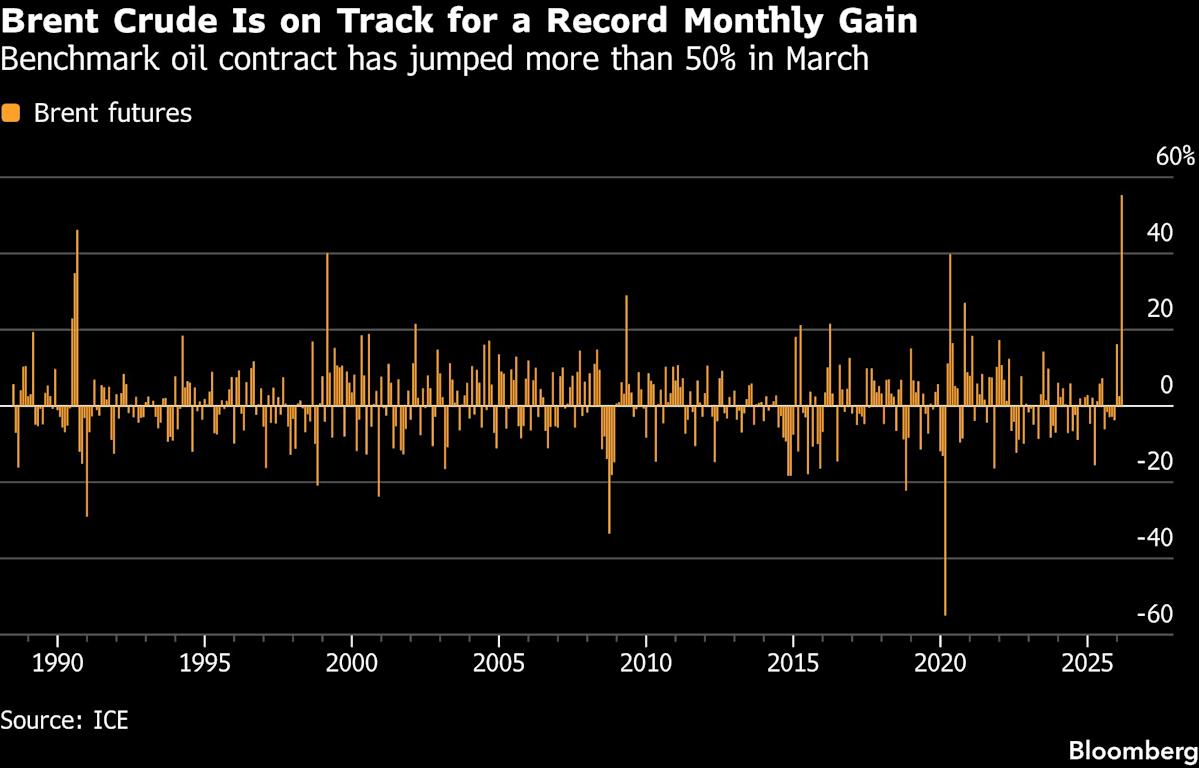
- Rising Oil Prices: Crude oil prices surged over 1% to a three-week high due to Iranian attacks on shipping, with fears that the closure of the Strait of Hormuz could disrupt global oil supplies, potentially driving prices to exceed the 2008 record high.
- Energy Infrastructure Damage: The International Energy Agency reported that more than 40 energy sites across nine Middle Eastern countries have been severely damaged, which could prolong disruptions to global supply chains after the war ends, further impacting international market stability.
Labor Department Proposes Easing 401(k) Alternative Asset Rules

- Proposed Regulation: The U.S. Labor Department has proposed allowing 401(k) plans to more easily include alternative assets such as cryptocurrencies and real estate, responding to President Trump's executive order aimed at enhancing asset diversification for retirement investors, potentially leading to higher returns.
- Safe Harbor Provision: The new rule establishes a 'safe harbor' to protect plan sponsors from litigation risks and outlines six factors to consider when selecting alternative investments, including performance, fees, and liquidity, which may encourage more 401(k) plans to adopt alternative assets.
- Investor Concerns: While the new rule could yield higher returns, some financial advisors express concerns that average 401(k) investors may lack the necessary knowledge and experience to manage these more complex investments, potentially leading to increased risks and costs.
- Policy Context: This proposal is set against the backdrop of the Trump administration's push for broader access to non-traditional asset classes, aiming to counter the cautious stance taken during the Biden administration regarding cryptocurrency investments, reflecting a shift towards greater flexibility and choice for retirement investors.
Bernstein Cuts Price Targets on Robinhood and Coinbase Amid Weak Crypto Sentiment

- Price Target Adjustments: Bernstein lowered the price target for Robinhood from $160 to $130 and for Coinbase from $440 to $330, yet maintained an ‘Outperform’ rating on both stocks, reflecting confidence in their long-term potential despite short-term pressures.
- Market Sentiment Analysis: Amid macroeconomic pressures and weak crypto sentiment, analysts believe both companies may be forming a bottom around the weak first-quarter earnings cycle, suggesting that current market conditions present a good entry point for investors.
- Stock Market Performance: In pre-market trading, both Coinbase and Robinhood stocks rose by 2%, closing at $161 and $66 respectively, indicating sustained investor interest, particularly as retail sentiment around HOOD remained in the ‘bullish’ territory on Stocktwits.
- Industry Outlook: Bernstein noted that despite current market uncertainties, the crypto industry holds significant long-term growth potential, anticipating that overall crypto stocks may bottom out during the upcoming weak first-quarter earnings cycle, indicating that the current weakness is a late-stage correction rather than a long-term decline.

Institutional Investors Bullish on Crypto Outlook

- Investor Confidence Surge: A survey by Coinbase and EY-Parthenon reveals that 73% of institutional decision-makers plan to increase their crypto allocations by 2026, with 74% expecting crypto prices to rise in the next 12 months, indicating strong optimism in the market.
- Regulatory Environment Improvement: The SEC and CFTC have reclassified 16 major crypto assets as 'digital commodities,' meaning assets like XRP and Solana will now face lighter regulations, reducing compliance risks for institutional investors.
- ETF Demand Driving Prices: The survey indicates that 65% of businesses increasing crypto allocations cite regulatory clarity as the top reason, suggesting that institutional investors will likely drive demand for underlying coins through spot crypto ETFs, thereby boosting prices.
- Asset Tokenization Trend: Even if the Clarity Act remains stalled in Congress, the survey shows that institutional investors plan to increase allocations to XRP and Solana by 2026, with a majority prioritizing asset tokenization capabilities, indicating these assets will benefit from this trend moving forward.
Bitmine Holds 4.73 Million ETH, Total Assets Reach $10.7 Billion
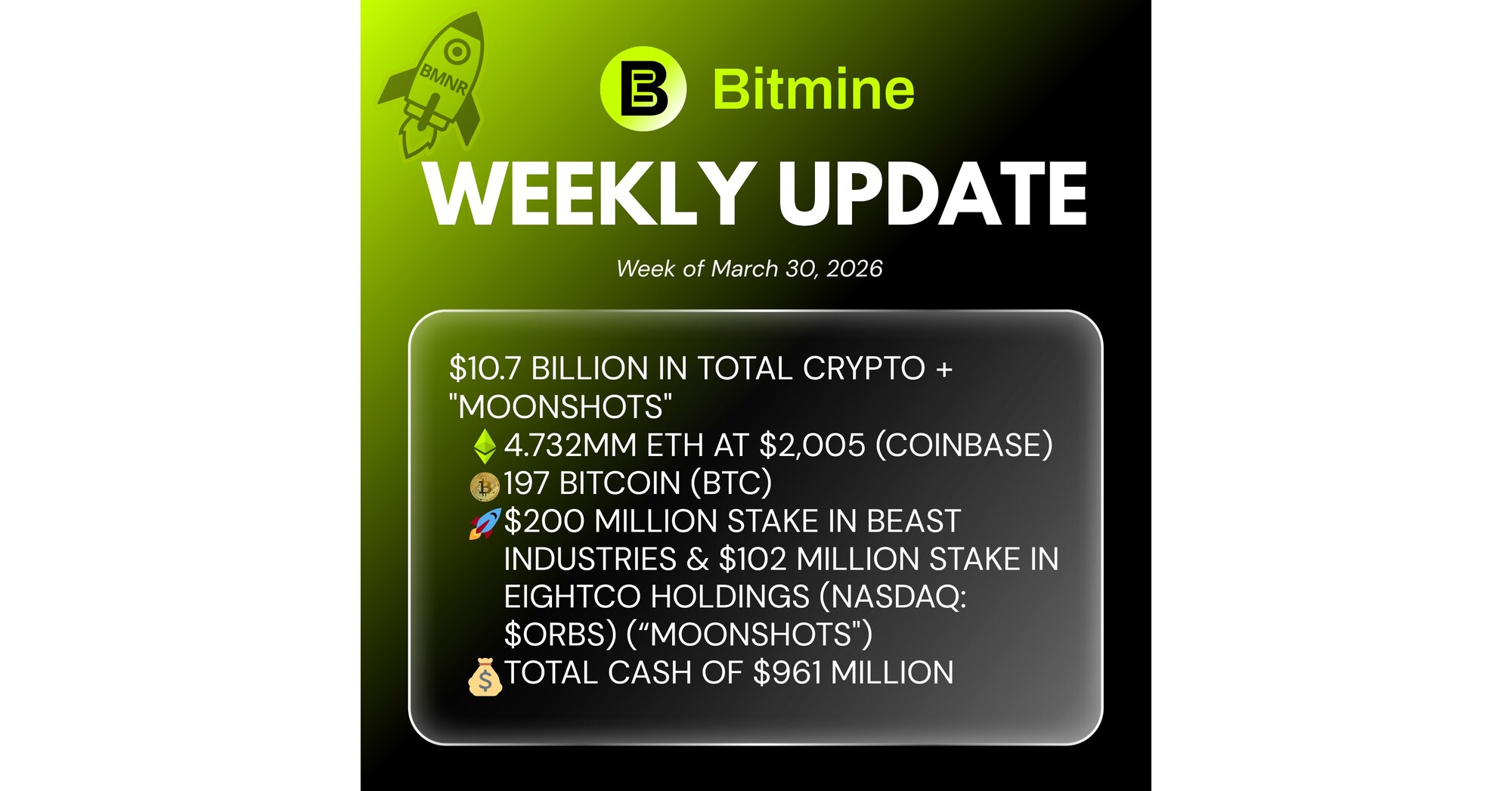
- Significant ETH Holdings: Bitmine's ETH holdings have reached 4.73 million tokens, valued at approximately $6.3 billion, showcasing the company's strong position in the cryptocurrency market and likely attracting more investor interest.
- Staking Revenue Growth: Bitmine has staked 3.14 million ETH on the MAVAN platform, generating an annualized revenue of $177 million, indicating its leadership in crypto asset management and potentially boosting the company's stock price.
- Active Market Trading: With an average daily trading volume of $920 million, Bitmine ranks as the 100th most traded stock in the U.S., reflecting market recognition of its business model and possibly facilitating future financing opportunities.
- Strategic Investor Support: The company has garnered backing from notable institutional investors, including Cathie Wood of ARK, enhancing market confidence and expected to drive Bitmine's further expansion in the ETH market.
Institutional Investors Bullish on Crypto Outlook
- Investor Confidence: A survey by Coinbase and EY-Parthenon reveals that 73% of institutional decision-makers plan to increase their crypto allocations by 2026, with 74% expecting crypto prices to rise in the next 12 months, indicating a growing confidence in the crypto market.
- Regulatory Impact: The SEC and CFTC's new guidance classifying 16 major crypto assets as 'digital commodities' allows assets like XRP and Solana to operate under a lighter regulatory framework, attracting more institutional investors who previously hesitated due to regulatory uncertainties.
- Legislative Catalyst: Although the Clarity Act remains stalled in Congress, its potential passage could set the stage for the future of crypto and drive asset prices higher, while failure to pass may delay progress until after the 2026 midterm elections.
- Tokenization Trend: The survey indicates that many institutional investors are prioritizing asset tokenization capabilities in the near term, with XRP and Solana well-positioned to benefit from this trend, further driving market demand for these cryptocurrencies.
Middle East Tensions Impact Global Markets
- Market Recovery: The S&P 500 Index rose by 0.42%, the Dow Jones Industrial Average increased by 0.64%, and the Nasdaq 100 Index gained 0.32%, indicating a short-term market rebound amid escalating tensions in the Middle East, as investor confidence in future economic growth shows signs of recovery.
- Declining Bond Yields: The 10-year T-note yield fell by 8 basis points to 4.35%, reflecting market concerns that the ongoing war in the Middle East may lead to fuel shortages, thereby suppressing inflation expectations and potentially keeping the Fed from raising interest rates in upcoming meetings.
- Rising Oil Prices: Crude oil prices surged over 1% to a three-week high due to Iranian attacks on shipping, with fears that the closure of the Strait of Hormuz could disrupt global oil supplies, potentially driving prices to exceed the 2008 record high.
- Energy Infrastructure Damage: The International Energy Agency reported that more than 40 energy sites across nine Middle Eastern countries have been severely damaged, which could prolong disruptions to global supply chains after the war ends, further impacting international market stability.
Labor Department Proposes Easing 401(k) Alternative Asset Rules
- Proposed Regulation: The U.S. Labor Department has proposed allowing 401(k) plans to more easily include alternative assets such as cryptocurrencies and real estate, responding to President Trump's executive order aimed at enhancing asset diversification for retirement investors, potentially leading to higher returns.
- Safe Harbor Provision: The new rule establishes a 'safe harbor' to protect plan sponsors from litigation risks and outlines six factors to consider when selecting alternative investments, including performance, fees, and liquidity, which may encourage more 401(k) plans to adopt alternative assets.
- Investor Concerns: While the new rule could yield higher returns, some financial advisors express concerns that average 401(k) investors may lack the necessary knowledge and experience to manage these more complex investments, potentially leading to increased risks and costs.
- Policy Context: This proposal is set against the backdrop of the Trump administration's push for broader access to non-traditional asset classes, aiming to counter the cautious stance taken during the Biden administration regarding cryptocurrency investments, reflecting a shift towards greater flexibility and choice for retirement investors.
Bernstein Cuts Price Targets on Robinhood and Coinbase Amid Weak Crypto Sentiment
- Price Target Adjustments: Bernstein lowered the price target for Robinhood from $160 to $130 and for Coinbase from $440 to $330, yet maintained an ‘Outperform’ rating on both stocks, reflecting confidence in their long-term potential despite short-term pressures.
- Market Sentiment Analysis: Amid macroeconomic pressures and weak crypto sentiment, analysts believe both companies may be forming a bottom around the weak first-quarter earnings cycle, suggesting that current market conditions present a good entry point for investors.
- Stock Market Performance: In pre-market trading, both Coinbase and Robinhood stocks rose by 2%, closing at $161 and $66 respectively, indicating sustained investor interest, particularly as retail sentiment around HOOD remained in the ‘bullish’ territory on Stocktwits.
- Industry Outlook: Bernstein noted that despite current market uncertainties, the crypto industry holds significant long-term growth potential, anticipating that overall crypto stocks may bottom out during the upcoming weak first-quarter earnings cycle, indicating that the current weakness is a late-stage correction rather than a long-term decline.
Institutional Investors Bullish on Crypto Outlook
- Investor Confidence Surge: A survey by Coinbase and EY-Parthenon reveals that 73% of institutional decision-makers plan to increase their crypto allocations by 2026, with 74% expecting crypto prices to rise in the next 12 months, indicating strong optimism in the market.
- Regulatory Environment Improvement: The SEC and CFTC have reclassified 16 major crypto assets as 'digital commodities,' meaning assets like XRP and Solana will now face lighter regulations, reducing compliance risks for institutional investors.
- ETF Demand Driving Prices: The survey indicates that 65% of businesses increasing crypto allocations cite regulatory clarity as the top reason, suggesting that institutional investors will likely drive demand for underlying coins through spot crypto ETFs, thereby boosting prices.
- Asset Tokenization Trend: Even if the Clarity Act remains stalled in Congress, the survey shows that institutional investors plan to increase allocations to XRP and Solana by 2026, with a majority prioritizing asset tokenization capabilities, indicating these assets will benefit from this trend moving forward.
Bitmine Holds 4.73 Million ETH, Total Assets Reach $10.7 Billion
- Significant ETH Holdings: Bitmine's ETH holdings have reached 4.73 million tokens, valued at approximately $6.3 billion, showcasing the company's strong position in the cryptocurrency market and likely attracting more investor interest.
- Staking Revenue Growth: Bitmine has staked 3.14 million ETH on the MAVAN platform, generating an annualized revenue of $177 million, indicating its leadership in crypto asset management and potentially boosting the company's stock price.
- Active Market Trading: With an average daily trading volume of $920 million, Bitmine ranks as the 100th most traded stock in the U.S., reflecting market recognition of its business model and possibly facilitating future financing opportunities.
- Strategic Investor Support: The company has garnered backing from notable institutional investors, including Cathie Wood of ARK, enhancing market confidence and expected to drive Bitmine's further expansion in the ETH market.