Hackers Attack Evertec's Sinqia in $77 Million Pix Breach, Affecting HSBC and Other Banks

Cyber Attack on Brazil's Pix Payment System
Incident Overview: Hackers attempted to steal approximately 420 million reais (around $77 million) from Brazil's Pix payment system, targeting Sinqia, a financial technology provider owned by Evertec (EVTC). The attack involved significant amounts, with about 380 million reais intended for HSBC Holdings Plc and 40 million reais for fintech Artta.
Central Bank Response: The Brazilian central bank intervened swiftly, blocking around 350 million reais before any transfers were completed. HSBC confirmed that no customer accounts or funds were compromised during the incident.
Sinqia's Actions: Sinqia reported that the breach was confined to the Pix system, with no personal data being leaked. The company has taken Pix offline and is in the process of enhancing the system's security controls, planning to relaunch only after regulatory approval.
Ongoing Risks in Financial Sector
Context of the Attack: This incident follows a similar attack on another Pix provider, C&M Software, just two months prior, which also involved substantial financial losses. The repeated breaches underscore the vulnerabilities faced by banks and fintech companies in Brazil as they integrate with instant payment networks.
Evertec's Position: Evertec, which acquired Sinqia in late 2023, remains a crucial player in Brazil's digital banking infrastructure. The company is collaborating with experts and federal police to investigate the recent breach.
Market Implications
Investor Sentiment: While current losses from the attack seem manageable, the frequency of attacks on Pix providers may erode trust in this vital financial tool.
Stock Performance: Evertec holds a Moderate Buy consensus among five analysts, with an average stock price target of $39, indicating a potential upside of 9.30% from its current price.
Trade with 70% Backtested Accuracy
Analyst Views on HSBC
About HSBC
About the author

Investors Move Past Iran War as Markets Hit New Highs

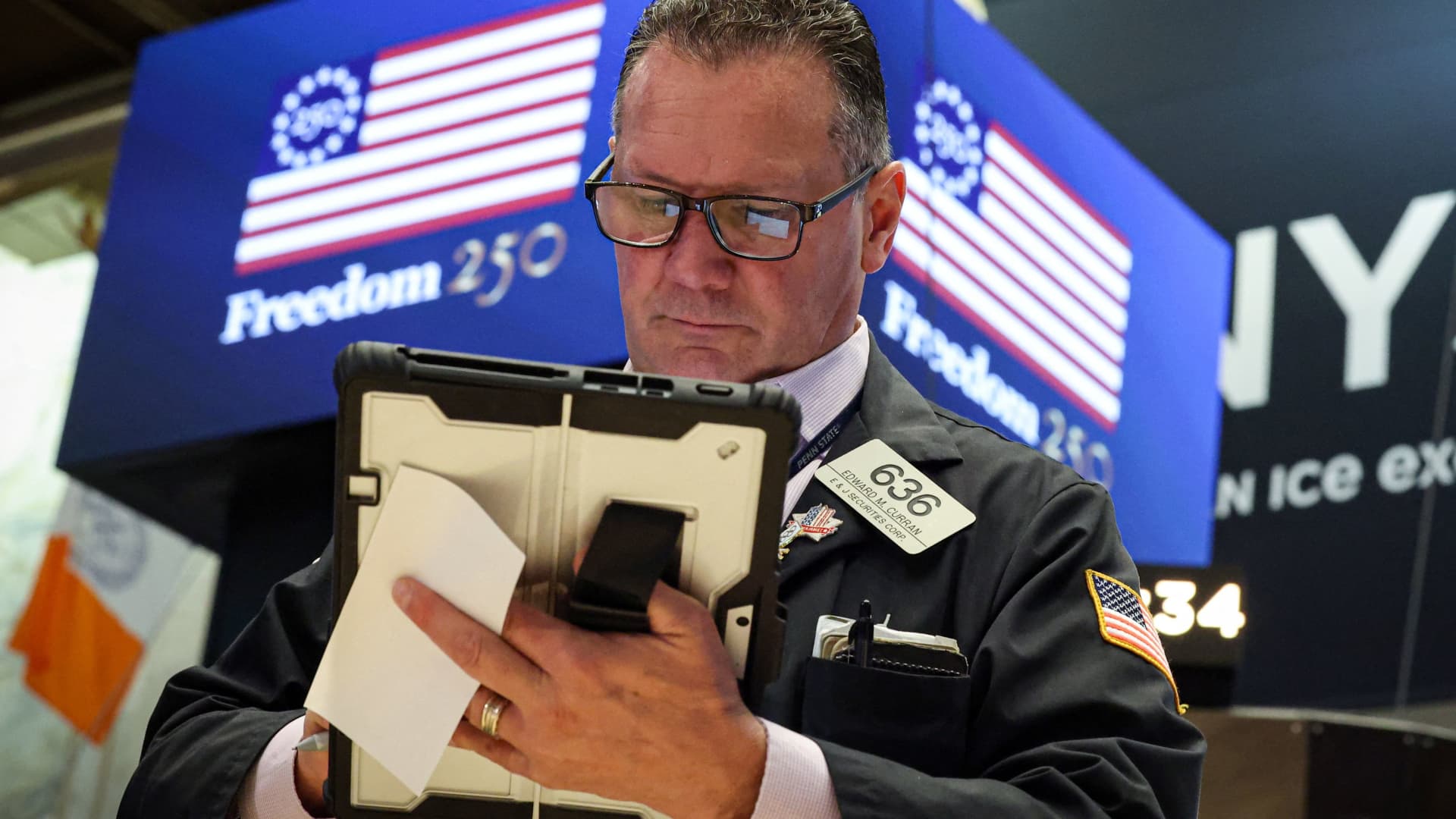
- Market Recovery Trend: Following the ceasefire between the U.S. and Iran, the S&P 500 has completely erased losses since the onset of the Middle East conflict, demonstrating the market's resilience to geopolitical risks and reflecting a restoration of investor confidence.
- Historical Data Support: HSBC's chief multi-asset strategist, Max Kettner, noted that historical data shows losses from initial escalations are typically fully recouped within a week, with the S&P 500 averaging a 2.5% increase one month later, indicating that current market performance aligns with historical patterns.
- Positive Market Sentiment: Despite heightened tensions over the weekend, Kettner emphasized that financial conditions have eased significantly over the past three weeks, and gas prices have dropped considerably, suggesting that market sentiment remains optimistic and investors should seize short-term buying opportunities.
- Clear Investor Signals: Kettner pointed out that despite recent market volatility, the current market sentiment and positioning still send a buy signal, advising investors to act quickly in the upcoming opportunities to capture potential gains.

India's E-commerce Market Experiences Rapid Growth


- Investment Commitment: Amazon's pledge of $35 billion in India last year aims to digitize 12 million small businesses and enhance logistics infrastructure, demonstrating confidence in future market potential despite online shopping accounting for only 1.6% of GDP.
- User Growth Trend: According to Deloitte, India's e-commerce market experienced a compound annual growth of 23% from 2020 to 2025, with projections indicating it will reach $250 billion by 2030, highlighting both user growth and increased spending per shopper.
- Rise of Small City Consumers: Deloitte reports that over 60% of online shoppers come from smaller cities, marking a decisive shift in consumer dynamics and driving e-commerce order growth, indicating a rapid increase in purchasing power among these consumers.
- Quick Commerce Model: Amazon's quick commerce service, Amazon Now, sees a 25% month-over-month order growth, with Prime members tripling their shopping frequency, underscoring the significance of rapid delivery in meeting the demands of consumers in smaller cities.
India's Energy Security Faces Challenges Amid Iran Conflict
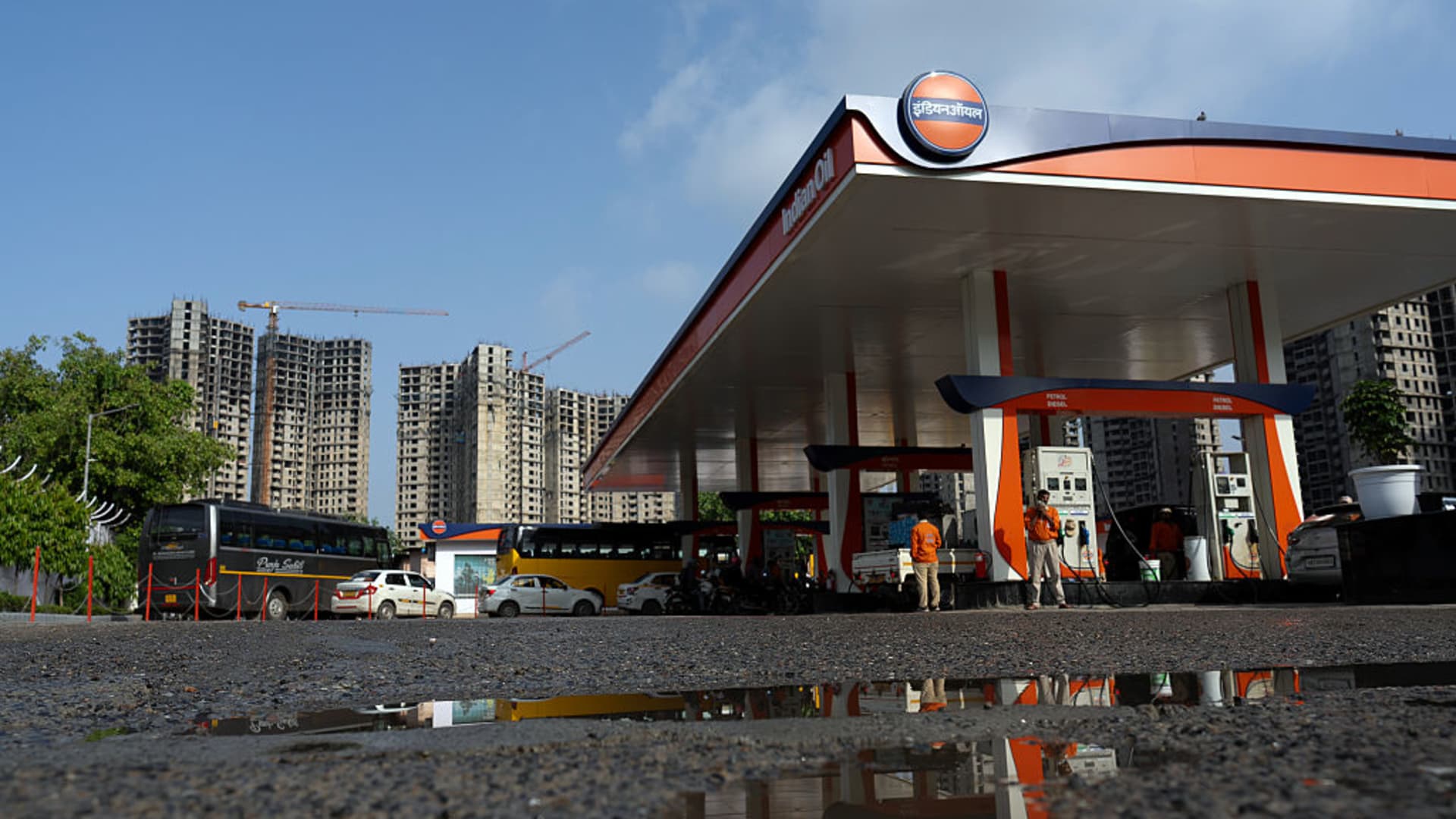
- Supply Squeeze: The U.S. blockade of ships in the Strait of Hormuz has resulted in India losing approximately 3 million barrels per day of Iranian oil, exacerbating its energy security crisis as it struggles to meet its daily requirement of 5.5 million barrels.
- Economic Slowdown: The Purchasing Managers' Index for March fell to its lowest level since October 2022, reflecting the adverse impact of Middle Eastern conflicts and rising energy costs on domestic demand, with the growth forecast for FY2027 facing considerable downside risks.
- Strategic Autonomy Constraints: India's efforts to balance its economic and energy needs are increasingly constrained by U.S. policies, particularly regarding energy supplies, which complicates its trade negotiations and energy procurement strategies.
- Market Uncertainty: While the Indian government claims that refineries are operating normally and crude inventories are adequate, experts warn that the expiration of the U.S. waiver on Russian oil could lead to rising prices, intensifying market pressures and forcing India to rely more on Russian crude amid supply shortages.
HSBC Launches Tokenized Deposit Service in the U.S.
- Service Expansion: HSBC is launching its tokenized deposit service in the U.S., combining the trust of traditional bank deposits with the speed and transparency of blockchain, enabling clients to transfer funds 24/7 and enhancing digital currency accessibility.
- Global Coverage: The service is currently available in Hong Kong, Singapore, Luxembourg, and the UK, supporting multiple currencies including EUR, GBP, HKD, SGD, and USD, showcasing HSBC's strategic positioning in the global digital finance landscape.
- Technological Advantage: By leveraging blockchain technology, HSBC's tokenized deposit service not only improves fund transfer efficiency but also enhances transaction transparency and security, aligning with modern financial market demands for rapid and secure transactions.
- Market Potential: This innovative service is expected to attract more clients seeking digital solutions, further solidifying HSBC's competitive position in the global financial services market, especially as digital currencies gain traction.
HSBC Launches Tokenized Deposit Service in the U.S.
- Service Expansion: HSBC's launch of the Tokenized Deposit Service (TDS) in the U.S. marks a significant expansion of its digital money capabilities, enabling clients to move funds across borders in a compliant environment, thereby enhancing global liquidity management efficiency.
- 24/7 Transfers: TDS facilitates domestic and cross-border transfers 24/7, allowing clients to instantly transfer funds between treasury centers and subsidiaries, which improves working capital management and reduces operational complexity to meet clients' demands for faster, transparent liquidity management.
- Compatibility and Integration: The service is designed to integrate with clients' existing treasury and payment infrastructures, reflecting HSBC's commitment to innovation and compliance standards, aiming to streamline operations by reducing manual processing and enabling straight-through processing.
- Global Strategy: HSBC continues to invest in building an open, interoperable money layer that connects core financial infrastructure with emerging digital networks, supporting various use cases including real-time treasury management and settlement of tokenized assets, further advancing its digital asset strategy.
US Dollar Rises After Failed Iran Talks
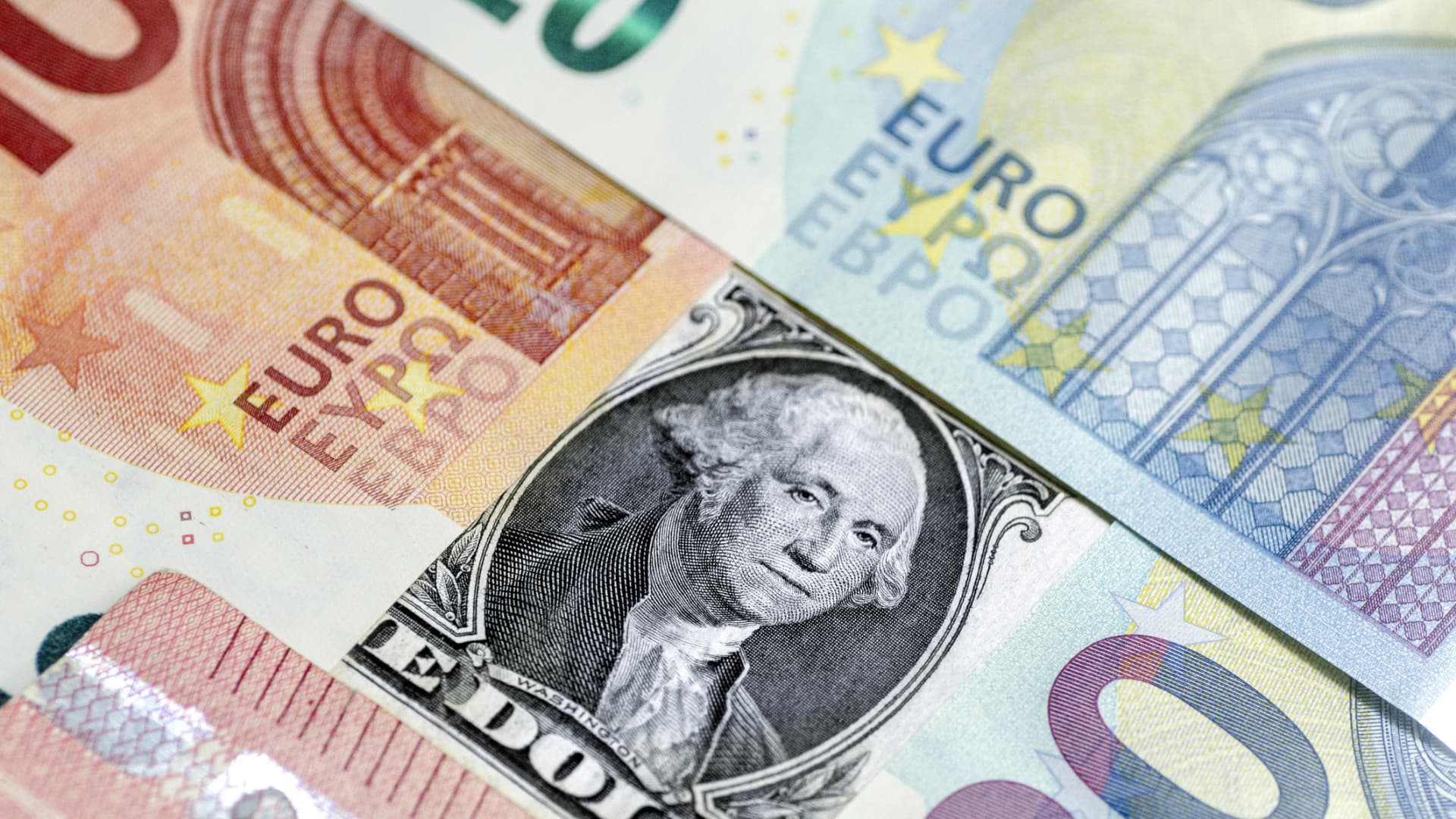
- Dollar Strength: The U.S. dollar rose 0.3% against the Euro to $1.169 and 0.25% against the pound to $1.342 on Monday after failed peace talks between Washington and Tehran, indicating market reactions to geopolitical risks.
- Oil Price Impact: Higher oil prices, a stronger dollar, and tighter U.S. financial conditions have pressured other currencies, with analysts noting that despite a 2% rise in March against a basket of major peers, investors have not flocked to the dollar.
- Fed Policy Constraints: HSBC analysts suggest that while the dollar is strong, the lack of a hiking cycle and clear policy direction from the Fed may lead to a softening of the dollar, reflecting market uncertainty about future economic conditions.
- Gold Market Fluctuations: Traditional safe-haven assets like gold have fallen about 10% since February 28, and analysts believe that a bull run for gold will only resume once hostilities cease, the Strait of Hormuz fully reopens, and oil prices stabilize at reasonable levels.
Investors Move Past Iran War as Markets Hit New Highs
- Market Recovery Trend: Following the ceasefire between the U.S. and Iran, the S&P 500 has completely erased losses since the onset of the Middle East conflict, demonstrating the market's resilience to geopolitical risks and reflecting a restoration of investor confidence.
- Historical Data Support: HSBC's chief multi-asset strategist, Max Kettner, noted that historical data shows losses from initial escalations are typically fully recouped within a week, with the S&P 500 averaging a 2.5% increase one month later, indicating that current market performance aligns with historical patterns.
- Positive Market Sentiment: Despite heightened tensions over the weekend, Kettner emphasized that financial conditions have eased significantly over the past three weeks, and gas prices have dropped considerably, suggesting that market sentiment remains optimistic and investors should seize short-term buying opportunities.
- Clear Investor Signals: Kettner pointed out that despite recent market volatility, the current market sentiment and positioning still send a buy signal, advising investors to act quickly in the upcoming opportunities to capture potential gains.
India's E-commerce Market Experiences Rapid Growth
- Investment Commitment: Amazon's pledge of $35 billion in India last year aims to digitize 12 million small businesses and enhance logistics infrastructure, demonstrating confidence in future market potential despite online shopping accounting for only 1.6% of GDP.
- User Growth Trend: According to Deloitte, India's e-commerce market experienced a compound annual growth of 23% from 2020 to 2025, with projections indicating it will reach $250 billion by 2030, highlighting both user growth and increased spending per shopper.
- Rise of Small City Consumers: Deloitte reports that over 60% of online shoppers come from smaller cities, marking a decisive shift in consumer dynamics and driving e-commerce order growth, indicating a rapid increase in purchasing power among these consumers.
- Quick Commerce Model: Amazon's quick commerce service, Amazon Now, sees a 25% month-over-month order growth, with Prime members tripling their shopping frequency, underscoring the significance of rapid delivery in meeting the demands of consumers in smaller cities.
India's Energy Security Faces Challenges Amid Iran Conflict
- Supply Squeeze: The U.S. blockade of ships in the Strait of Hormuz has resulted in India losing approximately 3 million barrels per day of Iranian oil, exacerbating its energy security crisis as it struggles to meet its daily requirement of 5.5 million barrels.
- Economic Slowdown: The Purchasing Managers' Index for March fell to its lowest level since October 2022, reflecting the adverse impact of Middle Eastern conflicts and rising energy costs on domestic demand, with the growth forecast for FY2027 facing considerable downside risks.
- Strategic Autonomy Constraints: India's efforts to balance its economic and energy needs are increasingly constrained by U.S. policies, particularly regarding energy supplies, which complicates its trade negotiations and energy procurement strategies.
- Market Uncertainty: While the Indian government claims that refineries are operating normally and crude inventories are adequate, experts warn that the expiration of the U.S. waiver on Russian oil could lead to rising prices, intensifying market pressures and forcing India to rely more on Russian crude amid supply shortages.
HSBC Launches Tokenized Deposit Service in the U.S.
- Service Expansion: HSBC is launching its tokenized deposit service in the U.S., combining the trust of traditional bank deposits with the speed and transparency of blockchain, enabling clients to transfer funds 24/7 and enhancing digital currency accessibility.
- Global Coverage: The service is currently available in Hong Kong, Singapore, Luxembourg, and the UK, supporting multiple currencies including EUR, GBP, HKD, SGD, and USD, showcasing HSBC's strategic positioning in the global digital finance landscape.
- Technological Advantage: By leveraging blockchain technology, HSBC's tokenized deposit service not only improves fund transfer efficiency but also enhances transaction transparency and security, aligning with modern financial market demands for rapid and secure transactions.
- Market Potential: This innovative service is expected to attract more clients seeking digital solutions, further solidifying HSBC's competitive position in the global financial services market, especially as digital currencies gain traction.
HSBC Launches Tokenized Deposit Service in the U.S.
- Service Expansion: HSBC's launch of the Tokenized Deposit Service (TDS) in the U.S. marks a significant expansion of its digital money capabilities, enabling clients to move funds across borders in a compliant environment, thereby enhancing global liquidity management efficiency.
- 24/7 Transfers: TDS facilitates domestic and cross-border transfers 24/7, allowing clients to instantly transfer funds between treasury centers and subsidiaries, which improves working capital management and reduces operational complexity to meet clients' demands for faster, transparent liquidity management.
- Compatibility and Integration: The service is designed to integrate with clients' existing treasury and payment infrastructures, reflecting HSBC's commitment to innovation and compliance standards, aiming to streamline operations by reducing manual processing and enabling straight-through processing.
- Global Strategy: HSBC continues to invest in building an open, interoperable money layer that connects core financial infrastructure with emerging digital networks, supporting various use cases including real-time treasury management and settlement of tokenized assets, further advancing its digital asset strategy.
US Dollar Rises After Failed Iran Talks
- Dollar Strength: The U.S. dollar rose 0.3% against the Euro to $1.169 and 0.25% against the pound to $1.342 on Monday after failed peace talks between Washington and Tehran, indicating market reactions to geopolitical risks.
- Oil Price Impact: Higher oil prices, a stronger dollar, and tighter U.S. financial conditions have pressured other currencies, with analysts noting that despite a 2% rise in March against a basket of major peers, investors have not flocked to the dollar.
- Fed Policy Constraints: HSBC analysts suggest that while the dollar is strong, the lack of a hiking cycle and clear policy direction from the Fed may lead to a softening of the dollar, reflecting market uncertainty about future economic conditions.
- Gold Market Fluctuations: Traditional safe-haven assets like gold have fallen about 10% since February 28, and analysts believe that a bull run for gold will only resume once hostilities cease, the Strait of Hormuz fully reopens, and oil prices stabilize at reasonable levels.