Geopolitical Conflict Disrupts Energy Market Outlook
Written by Emily J. Thompson, Senior Investment Analyst
Updated: Mar 21 2026
0mins



Source: Fool
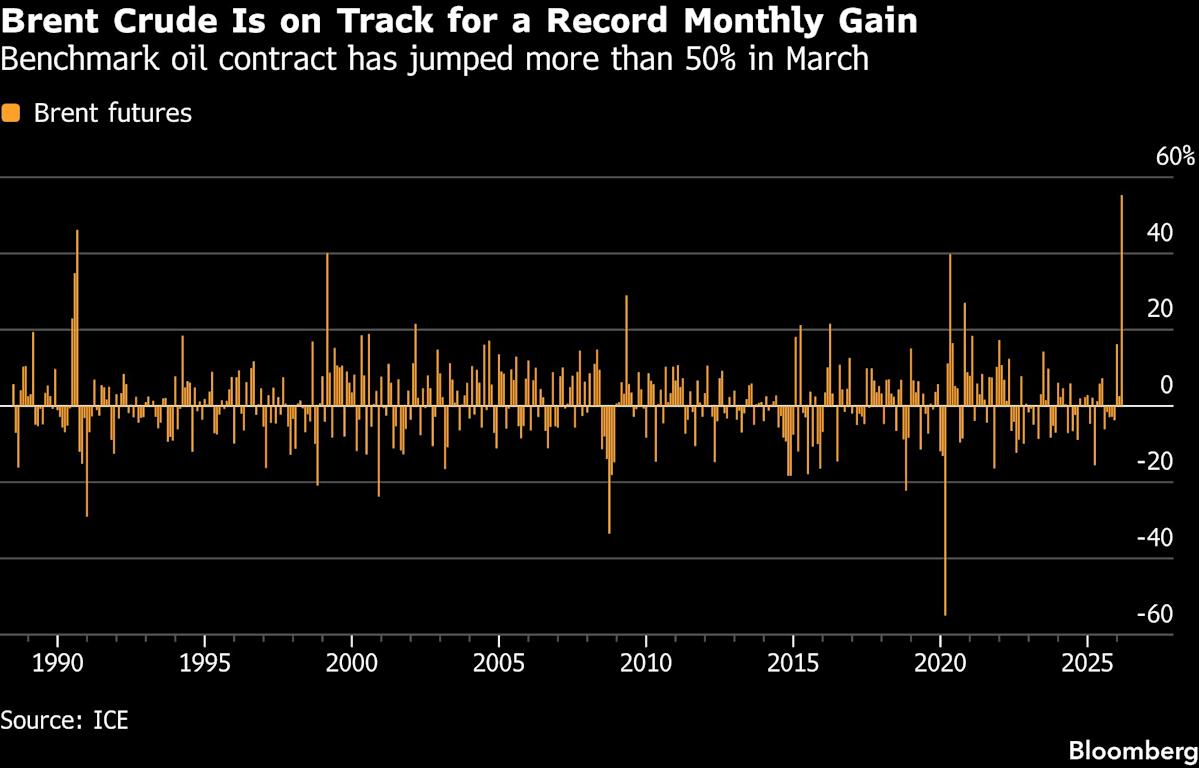
- Stable Oil Price Impact: Current oil prices hover around $100 per barrel, which will significantly benefit upstream energy producers like Devon Energy, leading to strong financial results, especially given its operations in the U.S. far from the Middle East conflict.
- Rising Oil Price Expectations: Should the situation in the Middle East worsen, oil prices could rise to $200 per barrel, further benefiting Devon Energy and Chevron; however, Chevron's downstream operations may limit its profit growth, particularly in refining and chemicals.
- Falling Oil Price Effects: If tensions in the Middle East ease, oil prices may decline, benefiting refiners and chemical companies like Valero and Dow due to lower input costs, while upstream producers like Devon Energy could face earnings pressure, although hedging strategies may mitigate some impacts.
- Midstream Business Advantage: Midstream companies such as Enterprise Products Partners will largely sidestep the volatility of oil prices, as their revenue primarily comes from fees for transporting oil and gas, making demand stability more critical than commodity price fluctuations.
Trade with 70% Backtested Accuracy
Stop guessing "Should I Buy DVN?" and start using high-conviction signals backed by rigorous historical data.
Sign up today to access powerful investing tools and make smarter, data-driven decisions.
Analyst Views on DVN
Wall Street analysts forecast DVN stock price to fall
20 Analyst Rating
18 Buy
2 Hold
0 Sell
Strong Buy
Current: 52.070

Low
41.00
Averages
45.53
High
55.00
Current: 52.070
Low
41.00
Averages
45.53
High
55.00
About DVN
Devon Energy Corporation is an oil and gas producer in the United States with a diversified multi-basin portfolio headlined by an acreage position in the Delaware Basin. The Company is primarily engaged in the exploration, development and production of oil, natural gas and natural gas liquids (NGLs). It owns a portfolio of assets located in the Delaware Basin, Rockies, Eagle Ford and Anadarko Basin. The Delaware Basin operates in southeast New Mexico and across the state line into west Texas. It offers exploration and development opportunities from many geologic reservoirs and play types, including the oil-rich Wolfcamp, Bone Spring, Avalon and Delaware formations. Its Rockies development consists of its Williston Basin and Powder River Basin assets. The Eagle Ford operations are located in Texas' DeWitt and Karnes counties. The Anadarko Basin development is located in western Oklahoma. It has a joint venture with Dow to develop a portion of its Anadarko Basin acreage.
About the author

Emily J. Thompson
Emily J. Thompson, a Chartered Financial Analyst (CFA) with 12 years in investment research, graduated with honors from the Wharton School. Specializing in industrial and technology stocks, she provides in-depth analysis for Intellectia’s earnings and market brief reports.
The Iran Conflict May Persist: Current Investment Opportunities for Success.


- Current Market Status: The Nasdaq is currently in a correction, having dropped over 10% from its recent highs.
- Bear Market Concerns: There are increasing fears that the Nasdaq may soon enter a bear market, defined as a decline of 20%.
- Wall Street Perspective: Despite the downturn, there is a common belief on Wall Street that opportunities for profit exist in other sectors.
- Market Sentiment: The overall sentiment reflects anxiety about the tech-heavy index's performance amidst potential further declines.
See More

Major Stock Indexes Decline Amid Energy Supply Concerns

- Meta Oversold: Meta's relative strength index (RSI) dropped to 22.1 after losing two major court cases and shedding over 11% of its stock last week, indicating a pessimistic market sentiment that may prime it for a near-term rebound.
- Court Rulings Impact: A California jury ruled that Meta and YouTube were liable for harmful addictive features on their platforms affecting minors, with Meta ordered to pay $2.1 million in damages, intensifying investor concerns about its business model.
- Layoff Measures: Meta's layoffs across Facebook, global operations, recruiting, sales, and Reality Labs aim to alleviate investor anxieties over its frequent and costly corporate strategy shifts, potentially impacting its long-term growth prospects.
- Energy Stocks Overbought: Energy companies like APA, with an RSI of 87.8, saw stock prices jump nearly 14% last week due to supply chain disruptions from the Iran war, reflecting strong investor demand for energy stocks, which may face short-term pullback risks.
See More

US Stocks Plunge as Oil Prices Surge Amid Iran Conflict


- Market Decline: The S&P 500 index fell by 1.67%, marking a 7-month low, while the Nasdaq 100 and Dow Jones Industrial Average dropped by 1.93% and 1.73%, respectively, indicating heightened concerns over economic slowdown.
- Oil Price Surge: WTI crude oil prices surged over 5% due to fears surrounding the Iran conflict, which not only exacerbates inflation expectations but may also compel the Federal Reserve to tighten monetary policy, impacting overall economic growth.
- Consumer Sentiment Drop: The University of Michigan's consumer sentiment index was revised down to 53.3 from 55.5, below the expected 54.0, reflecting a pessimistic outlook among consumers regarding future economic conditions, potentially suppressing consumer spending.
- Escalating US-China Trade Tensions: China launched investigations into US trade practices targeting restrictions on Chinese goods, which could further disrupt global supply chains and increase market uncertainty.
See More

US Stocks Decline as Oil Prices Surge Amid Iran Conflict
- Market Sentiment Declines: The S&P 500 and Nasdaq 100 fell by 0.79% and 1.12%, respectively, reaching 6.75-month lows, reflecting investor concerns about the global economic outlook amid escalating tensions in Iran.
- Rising Inflation Expectations: The University of Michigan's consumer sentiment index was revised down to 53.3 from 55.5, below expectations, while 1-year inflation expectations increased to 3.8%, indicating market fears of rising prices that could prompt the Fed to tighten monetary policy.
- Surging Energy Prices: Crude oil prices rose over 3% due to disruptions in global oil supply caused by the Iran conflict, with the IEA warning that the war could cut global oil supply by 8 million barrels per day, exacerbating inflationary pressures.
- US-China Trade Tensions: China launched investigations into US trade practices in retaliation for similar probes by the Trump administration, potentially impacting global supply chains and increasing market uncertainty, further undermining investor confidence.
See More

Entergy Partners with Meta, Stock Surges Over 8%


- Entergy Stock Surge: Entergy's stock jumped over 8% after announcing a partnership with Meta, which is expected to save Louisiana customers approximately $2 billion over 20 years, significantly enhancing the company's competitive position in the energy market.
- Carnival Lowers Profit Guidance: Carnival revised its full-year adjusted profit forecast down to about $2.21 per share from $2.48, resulting in a more than 3% drop in its stock price and causing peers like Norwegian Cruise Line and Royal Caribbean to experience similar declines.
- Meta Stock Decline: Meta's shares fell over 3% due to losing two pivotal court cases and announcing layoffs, leading to an 11% drop over the week, highlighting the legal and operational challenges the company is currently facing.
- Argan Exceeds Earnings Expectations: Argan reported fourth-quarter earnings of $3.47 per share on revenue of $262.1 million, surpassing analyst expectations, which led to a 35% increase in its stock price, showcasing its strong market performance and growth potential.
See More

Global Markets Decline Amid Iran War Risks
- Market Decline: The S&P 500 index fell by 0.74% and the Nasdaq 100 dropped by 0.94%, reflecting investor concerns over the prolonged Iran war, which may impact future investment decisions and market stability.
- Surging Energy Prices: The International Energy Agency warns that the ongoing conflict could disrupt global oil supply by 8 million barrels per day, potentially pushing crude prices above the 2008 record high of nearly $150 per barrel, thereby exacerbating inflationary pressures.
- Rising Bond Yields: The 10-year U.S. Treasury yield reached an 8.25-month high of 4.48%, indicating heightened expectations for future interest rate hikes, which could compel the Federal Reserve to adopt a tighter monetary policy to combat persistent inflation.
- Escalating U.S.-China Trade Tensions: China has launched investigations into U.S. trade practices, targeting restrictions on Chinese goods, which may further escalate trade frictions and disrupt global supply chain stability.
See More
The Iran Conflict May Persist: Current Investment Opportunities for Success.
- Current Market Status: The Nasdaq is currently in a correction, having dropped over 10% from its recent highs.
- Bear Market Concerns: There are increasing fears that the Nasdaq may soon enter a bear market, defined as a decline of 20%.
- Wall Street Perspective: Despite the downturn, there is a common belief on Wall Street that opportunities for profit exist in other sectors.
- Market Sentiment: The overall sentiment reflects anxiety about the tech-heavy index's performance amidst potential further declines.
See More
Major Stock Indexes Decline Amid Energy Supply Concerns
- Meta Oversold: Meta's relative strength index (RSI) dropped to 22.1 after losing two major court cases and shedding over 11% of its stock last week, indicating a pessimistic market sentiment that may prime it for a near-term rebound.
- Court Rulings Impact: A California jury ruled that Meta and YouTube were liable for harmful addictive features on their platforms affecting minors, with Meta ordered to pay $2.1 million in damages, intensifying investor concerns about its business model.
- Layoff Measures: Meta's layoffs across Facebook, global operations, recruiting, sales, and Reality Labs aim to alleviate investor anxieties over its frequent and costly corporate strategy shifts, potentially impacting its long-term growth prospects.
- Energy Stocks Overbought: Energy companies like APA, with an RSI of 87.8, saw stock prices jump nearly 14% last week due to supply chain disruptions from the Iran war, reflecting strong investor demand for energy stocks, which may face short-term pullback risks.
See More
US Stocks Plunge as Oil Prices Surge Amid Iran Conflict
- Market Decline: The S&P 500 index fell by 1.67%, marking a 7-month low, while the Nasdaq 100 and Dow Jones Industrial Average dropped by 1.93% and 1.73%, respectively, indicating heightened concerns over economic slowdown.
- Oil Price Surge: WTI crude oil prices surged over 5% due to fears surrounding the Iran conflict, which not only exacerbates inflation expectations but may also compel the Federal Reserve to tighten monetary policy, impacting overall economic growth.
- Consumer Sentiment Drop: The University of Michigan's consumer sentiment index was revised down to 53.3 from 55.5, below the expected 54.0, reflecting a pessimistic outlook among consumers regarding future economic conditions, potentially suppressing consumer spending.
- Escalating US-China Trade Tensions: China launched investigations into US trade practices targeting restrictions on Chinese goods, which could further disrupt global supply chains and increase market uncertainty.
See More
US Stocks Decline as Oil Prices Surge Amid Iran Conflict
- Market Sentiment Declines: The S&P 500 and Nasdaq 100 fell by 0.79% and 1.12%, respectively, reaching 6.75-month lows, reflecting investor concerns about the global economic outlook amid escalating tensions in Iran.
- Rising Inflation Expectations: The University of Michigan's consumer sentiment index was revised down to 53.3 from 55.5, below expectations, while 1-year inflation expectations increased to 3.8%, indicating market fears of rising prices that could prompt the Fed to tighten monetary policy.
- Surging Energy Prices: Crude oil prices rose over 3% due to disruptions in global oil supply caused by the Iran conflict, with the IEA warning that the war could cut global oil supply by 8 million barrels per day, exacerbating inflationary pressures.
- US-China Trade Tensions: China launched investigations into US trade practices in retaliation for similar probes by the Trump administration, potentially impacting global supply chains and increasing market uncertainty, further undermining investor confidence.
See More
Entergy Partners with Meta, Stock Surges Over 8%
- Entergy Stock Surge: Entergy's stock jumped over 8% after announcing a partnership with Meta, which is expected to save Louisiana customers approximately $2 billion over 20 years, significantly enhancing the company's competitive position in the energy market.
- Carnival Lowers Profit Guidance: Carnival revised its full-year adjusted profit forecast down to about $2.21 per share from $2.48, resulting in a more than 3% drop in its stock price and causing peers like Norwegian Cruise Line and Royal Caribbean to experience similar declines.
- Meta Stock Decline: Meta's shares fell over 3% due to losing two pivotal court cases and announcing layoffs, leading to an 11% drop over the week, highlighting the legal and operational challenges the company is currently facing.
- Argan Exceeds Earnings Expectations: Argan reported fourth-quarter earnings of $3.47 per share on revenue of $262.1 million, surpassing analyst expectations, which led to a 35% increase in its stock price, showcasing its strong market performance and growth potential.
See More
Global Markets Decline Amid Iran War Risks
- Market Decline: The S&P 500 index fell by 0.74% and the Nasdaq 100 dropped by 0.94%, reflecting investor concerns over the prolonged Iran war, which may impact future investment decisions and market stability.
- Surging Energy Prices: The International Energy Agency warns that the ongoing conflict could disrupt global oil supply by 8 million barrels per day, potentially pushing crude prices above the 2008 record high of nearly $150 per barrel, thereby exacerbating inflationary pressures.
- Rising Bond Yields: The 10-year U.S. Treasury yield reached an 8.25-month high of 4.48%, indicating heightened expectations for future interest rate hikes, which could compel the Federal Reserve to adopt a tighter monetary policy to combat persistent inflation.
- Escalating U.S.-China Trade Tensions: China has launched investigations into U.S. trade practices, targeting restrictions on Chinese goods, which may further escalate trade frictions and disrupt global supply chain stability.
See More