

Forget Fed: Why to Buy AI & Chip ETFs Post NVIDIA's Q1 Earnings?

- NVIDIA's Financial Performance: NVIDIA reported strong Q1 financial results, exceeding expectations with increased earnings per share and revenues. The company also provided a positive outlook for the current quarter, leading to a 9.3% increase in shares after hours.
- Strategic Moves by NVIDIA: NVIDIA announced a 10-to-1 stock split and raised its quarterly dividend, aiming to enhance shareholder value and align with its growth trajectory.
- Demand for AI Chips: CEO Jensen Huang highlighted high demand for NVIDIA's AI chips, especially in data centers, despite concerns about transitioning to advanced systems like Blackwell.
- TSMC's Revenue Growth: Taiwanese chipmaker TSMC expects a 10% annual revenue growth in the semiconductor industry, excluding memory chips, driven by AI applications.
- Tech ETF Areas: Various tech ETFs like VanEck Semiconductor ETF (SMH), Global X Robotics & Artificial Intelligence ETF (BOTZ), Spear Alpha ETF (SPRX), First Trust S-Network Future Vehicles & Technology ETF (CARZ), and First Trust NASDAQ Technology Dividend ETF (TDIV) are well-positioned due to AI's growth and other trends.
Trade with 70% Backtested Accuracy
Analyst Views on SMH
About the author

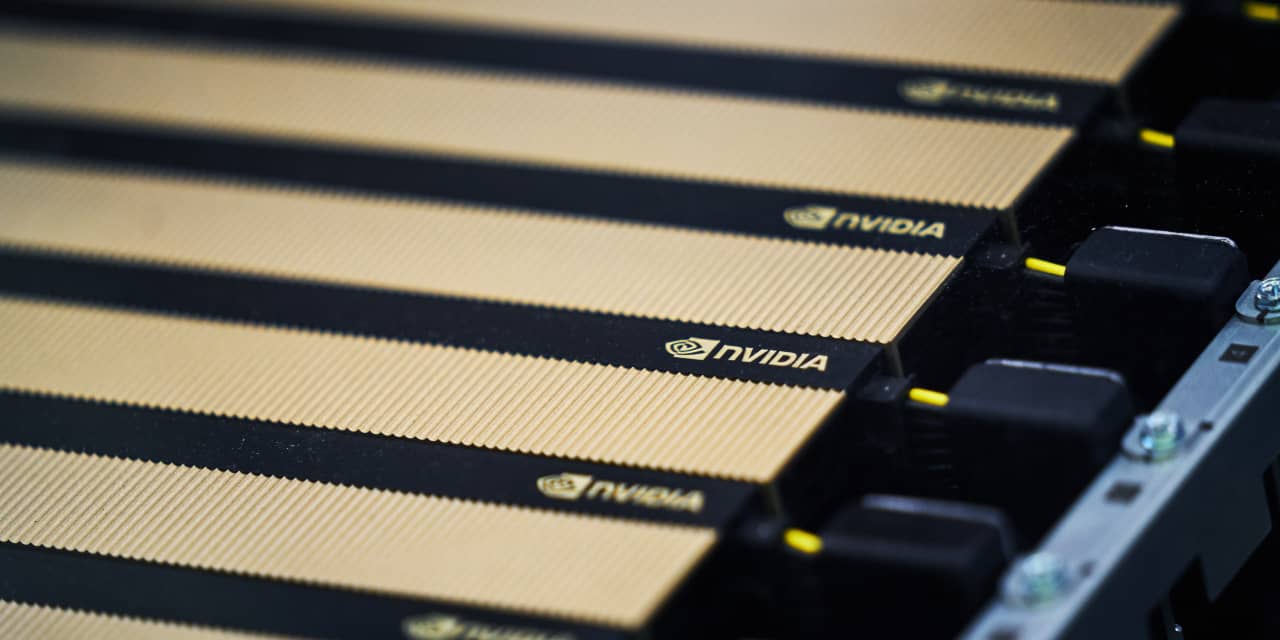
Nvidia Stock's Required Price Movement to Break Free from Its Stagnation


Nvidia Stock Performance: Nvidia's stock experienced a decline for most of Tuesday but managed to end the trading session with a slight increase.
Market Concerns: The fluctuations in Nvidia's stock were influenced by worries regarding the potential escalation of the Iran war.
Trading Range: Despite the slight uptick, Nvidia's stock remains within a nine-month trading range, indicating a lack of significant movement.
Investor Sentiment: The ongoing geopolitical tensions are contributing to uncertainty in the market, affecting investor sentiment towards Nvidia.
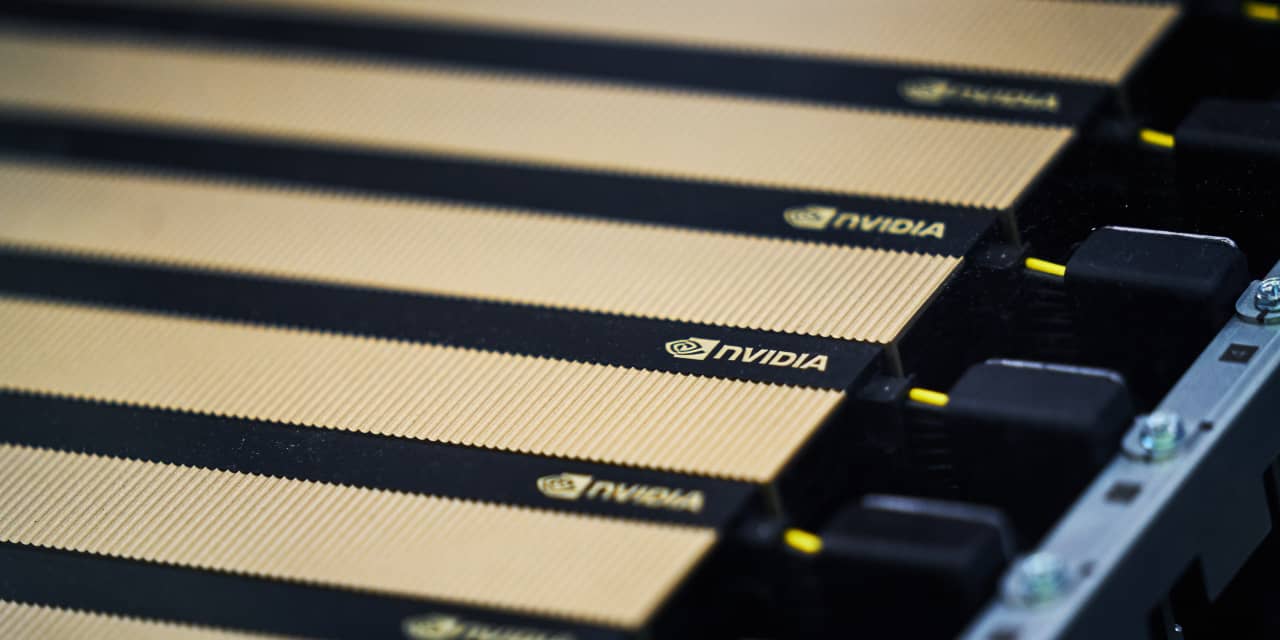
Nvidia Shares Decline Amid Escalating Conflict in Iran


- Nvidia Stock Performance: Nvidia's stock experienced a decline in premarket trading on Tuesday.
- Market Concerns: The drop in stock price is attributed to rising concerns regarding the potential escalation of the Iran war.
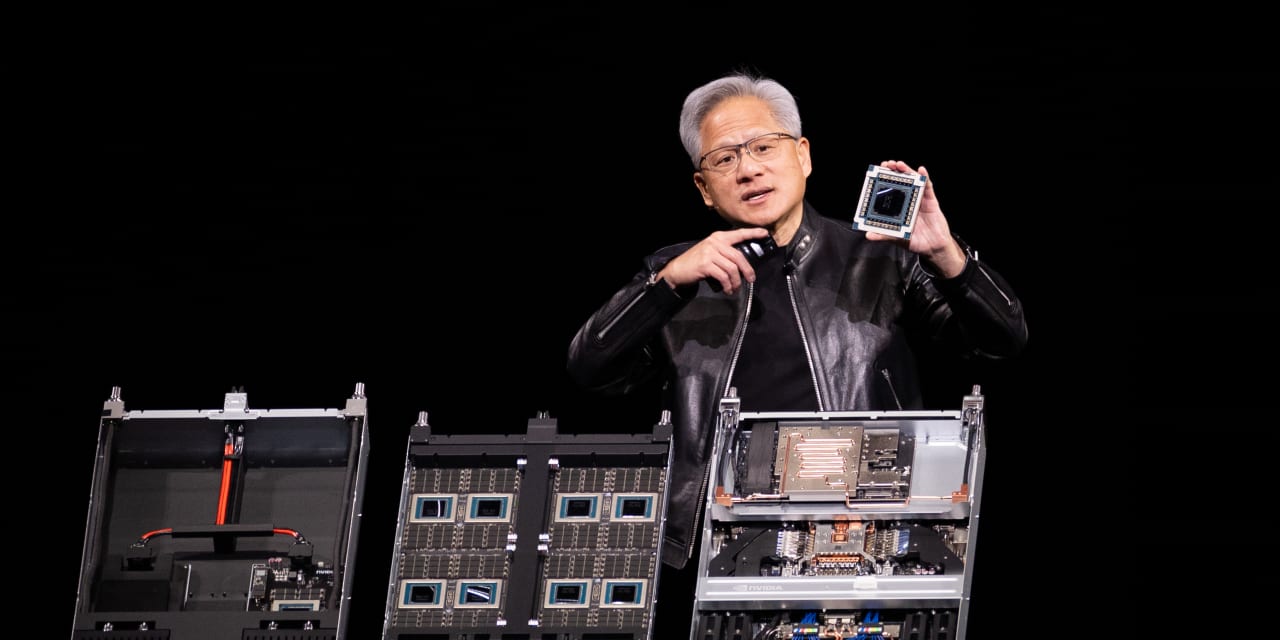
Semiconductor Stocks Are Slowing Down: Insights from Nvidia and Micron Charts.


- Semiconductor Stocks' Role: Semiconductor stocks have been crucial in supporting the technology sector, balancing out weaknesses in other areas.
- Potential Risks: A decline in semiconductor stock performance could jeopardize this support, increasing the risk of a broader market slowdown.
Intel Stock: Factors Behind Today's Share Price Increase

- Stock Performance: Intel's stock experienced a significant increase on Wednesday.
- Market Signals: Investors reacted positively to encouraging signals regarding pricing and demand for Intel's CPUs.

Technology Stocks Begin to Regain Impact: Insights from Alphabet and Micron Charts.

Market Sector Dynamics: A shift in market sector dynamics is occurring, with technology stocks leading the performance among the 11 major groups in the S&P 500 over the past week.
Tech Sector Performance: The technology sector is the only one showing a gain during this period, although it is a modest increase.
Recent Struggles: Despite the recent positive performance, the tech sector has struggled over the past three months, experiencing a decline of more than 5%.
Constructive Start: The recent gain in the tech sector is seen as a constructive start, indicating potential recovery after a challenging period.

Insights from Micron's Stock Chart on the Potential for a Tech Sector Recovery
Market Sector Dynamics: A shift in market sector dynamics may be occurring, with technology stocks showing signs of improvement.
Performance of Technology Stocks: The State Street Technology Select Sector SPDR Fund has been the best-performing sector in the S&P 500 over the past week, despite only a fractional gain.
Recent Struggles: Technology stocks have struggled over the past three months, experiencing a decline of more than 5%.
Positive Outlook: The recent performance of tech stocks is seen as a constructive start, indicating potential recovery after a challenging period.
Nvidia Stock's Required Price Movement to Break Free from Its Stagnation
Nvidia Stock Performance: Nvidia's stock experienced a decline for most of Tuesday but managed to end the trading session with a slight increase.
Market Concerns: The fluctuations in Nvidia's stock were influenced by worries regarding the potential escalation of the Iran war.
Trading Range: Despite the slight uptick, Nvidia's stock remains within a nine-month trading range, indicating a lack of significant movement.
Investor Sentiment: The ongoing geopolitical tensions are contributing to uncertainty in the market, affecting investor sentiment towards Nvidia.
Nvidia Shares Decline Amid Escalating Conflict in Iran
- Nvidia Stock Performance: Nvidia's stock experienced a decline in premarket trading on Tuesday.
- Market Concerns: The drop in stock price is attributed to rising concerns regarding the potential escalation of the Iran war.
Semiconductor Stocks Are Slowing Down: Insights from Nvidia and Micron Charts.
- Semiconductor Stocks' Role: Semiconductor stocks have been crucial in supporting the technology sector, balancing out weaknesses in other areas.
- Potential Risks: A decline in semiconductor stock performance could jeopardize this support, increasing the risk of a broader market slowdown.
Intel Stock: Factors Behind Today's Share Price Increase
- Stock Performance: Intel's stock experienced a significant increase on Wednesday.
- Market Signals: Investors reacted positively to encouraging signals regarding pricing and demand for Intel's CPUs.
Technology Stocks Begin to Regain Impact: Insights from Alphabet and Micron Charts.
Market Sector Dynamics: A shift in market sector dynamics is occurring, with technology stocks leading the performance among the 11 major groups in the S&P 500 over the past week.
Tech Sector Performance: The technology sector is the only one showing a gain during this period, although it is a modest increase.
Recent Struggles: Despite the recent positive performance, the tech sector has struggled over the past three months, experiencing a decline of more than 5%.
Constructive Start: The recent gain in the tech sector is seen as a constructive start, indicating potential recovery after a challenging period.
Insights from Micron's Stock Chart on the Potential for a Tech Sector Recovery
Market Sector Dynamics: A shift in market sector dynamics may be occurring, with technology stocks showing signs of improvement.
Performance of Technology Stocks: The State Street Technology Select Sector SPDR Fund has been the best-performing sector in the S&P 500 over the past week, despite only a fractional gain.
Recent Struggles: Technology stocks have struggled over the past three months, experiencing a decline of more than 5%.
Positive Outlook: The recent performance of tech stocks is seen as a constructive start, indicating potential recovery after a challenging period.





