Foreign IT Stocks Shine in 2026 YTD Performance
Written by Emily J. Thompson, Senior Investment Analyst
Updated: Apr 09 2026
0mins

Should l Buy STX?
Source: seekingalpha
- Japanese Companies Lead: In 2026, foreign IT stocks have shown remarkable performance, with Japanese semiconductor and electronics firms standing out due to surging global demand for advanced packaging, NAND flash memory, and precision instruments, highlighting their market strength and technological advantages.
- Ibiden's Outstanding Performance: Ibiden (IBIDY) tops the list with a year-to-date performance of 190.56%, reflecting its critical role in AI infrastructure development and further solidifying its market leadership.
- Strong Competitors: Following closely are Kioxia Holdings (KXIAY) and Rigaku Holdings (RGAKF), with year-to-date returns of 164.36% and 159.14% respectively, showcasing the robust competitiveness of Japanese firms in the global IT market.
- Other Notable Companies: Seagate Technology (STX) and Tower Semiconductor (TSEM) round out the top five with year-to-date performances of 80.22% and 73.46%, indicating their ongoing growth potential in AI-related technologies and the semiconductor sector.
Trade with 70% Backtested Accuracy
Stop guessing "Should I Buy STX?" and start using high-conviction signals backed by rigorous historical data.
Sign up today to access powerful investing tools and make smarter, data-driven decisions.
Analyst Views on STX
Wall Street analysts forecast STX stock price to fall
18 Analyst Rating
14 Buy
3 Hold
1 Sell
Moderate Buy
Current: 766.440

Low
150.00
Averages
310.39
High
465.00
Current: 766.440
Low
150.00
Averages
310.39
High
465.00
About STX
Seagate Technology Holdings plc provides mass-data storage infrastructure solution. The Company’s principal products are hard disk drives, commonly referred to as disk drives, hard drives (HDDs). In addition to HDDs, the Company produces a range of data storage products, including solid state drives (SSDs), solid state hybrid drives, storage subsystems, as well as a scalable edge-to-cloud mass data platform. Its HDD products are designed for mass capacity storage and legacy markets. Mass capacity storage involves use cases, such as hyperscale data centers and public clouds, as well as emerging use cases. The Company’s HDD and SSD product portfolio includes Serial Advanced Technology Attachment, Serial Attached SCSI and Non-Volatile Memory Express based designs to support a variety of mass capacity and legacy applications. Its systems portfolio includes storage subsystems for enterprises, cloud service providers, scale-out storage servers and original equipment manufacturers.
About the author

Emily J. Thompson
Emily J. Thompson, a Chartered Financial Analyst (CFA) with 12 years in investment research, graduated with honors from the Wharton School. Specializing in industrial and technology stocks, she provides in-depth analysis for Intellectia’s earnings and market brief reports.

Investment Opportunities in Asian Small Caps

- Market Resilience: Amid global economic shifts, Asian markets have shown strong resilience, with Chinese equities advancing and Japan's indices reaching record highs, reflecting optimism in the technology and semiconductor sectors, potentially providing a favorable entry point for investors.
- Small Cap Potential: Cedar Woods Properties is projected to achieve a 30% to 35% NPAT growth for fiscal year 2026, holding a market cap of A$0.35 billion, with over half of its fiscal year 2027 revenue already presold, indicating strong market confidence and future growth potential.
- Strong Financial Performance: Smartgroup's sales grew from A$305.8 million to A$329.31 million in fiscal year 2025, with net income rising from A$75.6 million to A$79.44 million, showcasing growth potential in the financial services sector, further bolstered by insider share purchases that enhance market confidence.
- Coal Sector Dynamics: Semirara Mining and Power reported a Q1 2026 revenue of PHP 15.4 billion, a year-over-year decline, yet coal production increased by 4% due to improved mining conditions, demonstrating growth potential amidst a volatile market environment.
See More
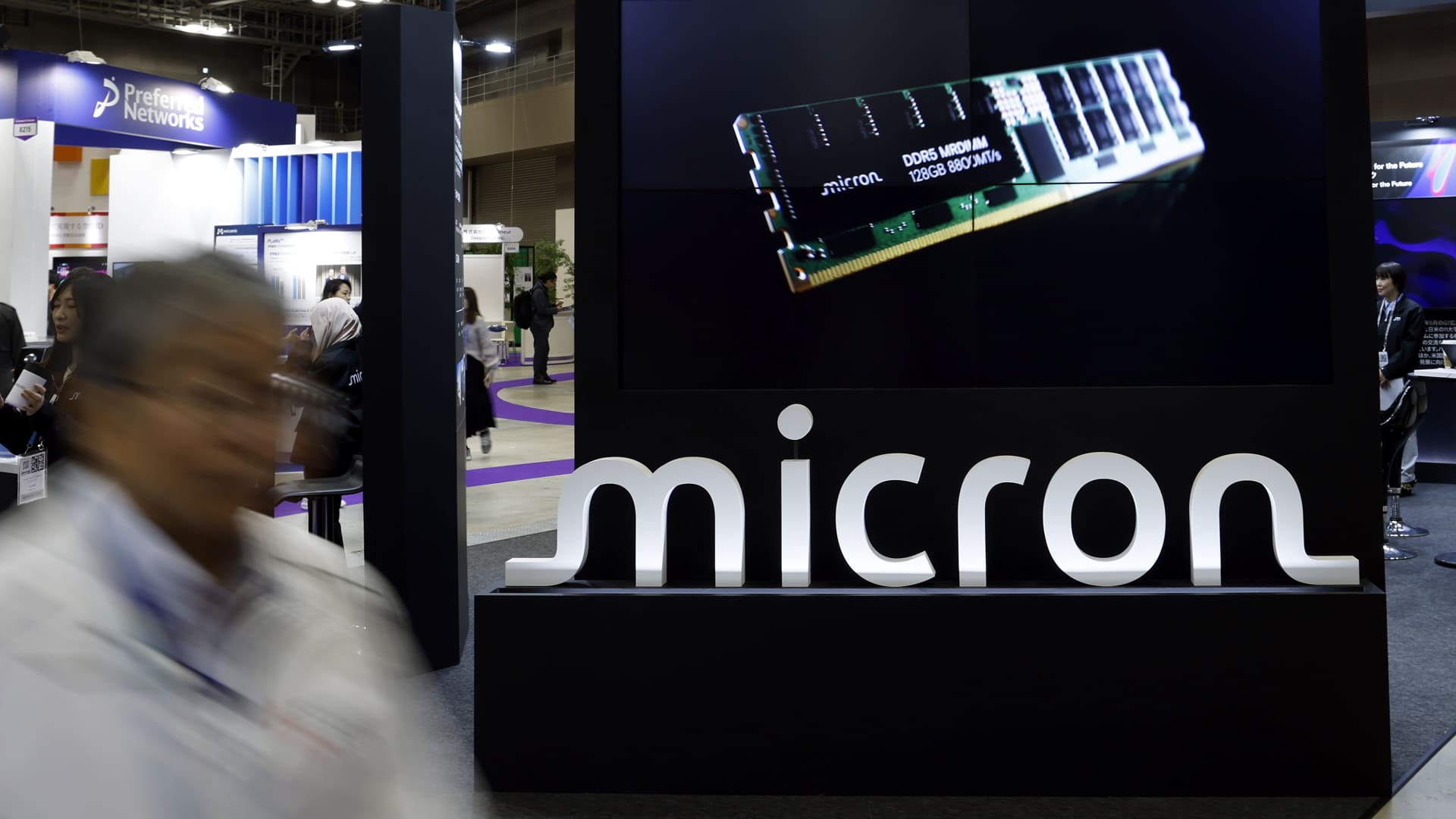
Roundhill Memory ETF DRAM Attracts Over $5 Billion in Investments


- Memory Supercycle: The Roundhill Memory ETF (DRAM) attracted over $5 billion in investments within a month, including $1.1 billion on Thursday alone, indicating strong market demand for memory stocks driven by surging AI computing needs.
- Core Holdings Performance: The ETF's core holdings feature leading memory manufacturers like SK Hynix, Micron, and Samsung, allowing investors to gain broad exposure to these high-growth companies, including those not listed on U.S. exchanges.
- Market Reaction: Micron's stock surged over 200 points in a week, climbing from $542 to $747, reflecting optimistic market expectations for memory product demand, with a price-to-earnings ratio of only 9 times projected earnings for the next 12 months, highlighting its appeal as a quality stock.
- Investment Opportunities: Despite waning interest in data center stocks, investors can still capitalize on potential gains in the memory and cooling sectors by purchasing instruments like the DRAM ETF, especially as major tech companies continue to invest heavily in data centers.
See More

JEPQ ETF 52-Week Price Analysis

- Price Range Analysis: JEPQ ETF's 52-week low is $51.4663 per share, with a high of $60.14, and the latest trade at $59.45 indicates stability and potential investment appeal in the current market environment.
- Technical Analysis Tool: Comparing the latest share price to the 200-day moving average provides valuable insights for investors, aiding in the assessment of the ETF's long-term trends and market performance.
- Unit Trading Mechanism: ETFs trade like stocks, where investors buy and sell 'units' that can be created or destroyed based on investor demand, allowing for flexibility in responding to market changes.
- Liquidity Monitoring: Weekly monitoring of changes in shares outstanding helps identify significant inflows (new units created) or outflows (old units destroyed), which directly impacts the ETF's underlying holdings and its market performance.
See More

Seagate Stock Soars 164% Amid AI Demand Surge
- Earnings Beat: Seagate's fiscal Q3 2026 revenue surged 44% year-over-year to $3.11 billion, with earnings skyrocketing 116%, showcasing its robust performance amid rising storage product prices, further solidifying its leadership in the AI infrastructure market.
- Long-term Supply Agreements: The company has secured supply agreements with nearly all major cloud and hyperscale customers for high-capacity storage products, ensuring sustained revenue growth for 2027 and beyond, indicating its competitive edge in a fierce market.
- Strong Market Demand: Data centers accounted for 80% of Seagate's revenue last quarter, and with the AI server market projected to grow nearly sixfold from 2024 to 2030, the company's growth potential is significant, allowing it to capitalize on storage product shortages to raise prices.
- Future Growth Outlook: Seagate expects adjusted earnings of $5 per share this quarter, nearly double last year's figure, and with a PEG ratio of 0.5, the stock indicates a potential 77% upside in the coming years, attracting continued investor interest.
See More

Seagate's Lead Independent Director Mike Cannon to Retire
- Board Transition: Mike Cannon, Seagate's Lead Independent Director, has announced his retirement effective October 2026, concluding his tenure that began in 2011, which includes significant roles as Lead Independent Director and Board Chair, reflecting the stability of the company's governance structure.
- Industry Contributions: Over his 15 years, Cannon has made substantial contributions to Seagate and the disk drive industry, with his leadership and expertise guiding the company through transformational changes and strategic growth, highlighting his deep impact in the data storage sector.
- Career Background: Prior to joining Seagate, Cannon held executive positions at renowned companies like Boeing and IBM, accumulating extensive industry experience that laid the groundwork for his success at Seagate, thereby enhancing the company's technological capabilities.
- Future Outlook: Cannon expresses confidence in Seagate's future, asserting that the company has built a solid foundation to meet the rapidly growing data storage demands over the next decade, indicating the company's ongoing relevance in the industry.
See More

U.S. Stocks Close Higher, Led by Tech Gains

- Tech Stock Surge: Intel's stock soared over 12% after Apple held exploratory talks with Intel and Samsung Electronics for U.S. processor production, indicating strong market confidence in tech stocks and driving gains across chipmakers.
- Oil Price Decline: WTI crude oil prices fell more than 3% as the ceasefire in the Middle East eased geopolitical risks, providing support for the stock market and reflecting market demand for stability amid fluctuating oil prices.
- New Home Sales Growth: U.S. March new home sales rose 7.4% month-over-month to 682,000, surpassing expectations of 652,000, indicating a robust recovery in the housing market that could bolster economic confidence.
- Positive Earnings Outlook: As of Tuesday, 83% of the 354 S&P 500 companies that reported Q1 earnings exceeded estimates, with projected earnings growth of 12% year-over-year, demonstrating sustained corporate profitability that may further drive stock market gains.
See More
Investment Opportunities in Asian Small Caps
- Market Resilience: Amid global economic shifts, Asian markets have shown strong resilience, with Chinese equities advancing and Japan's indices reaching record highs, reflecting optimism in the technology and semiconductor sectors, potentially providing a favorable entry point for investors.
- Small Cap Potential: Cedar Woods Properties is projected to achieve a 30% to 35% NPAT growth for fiscal year 2026, holding a market cap of A$0.35 billion, with over half of its fiscal year 2027 revenue already presold, indicating strong market confidence and future growth potential.
- Strong Financial Performance: Smartgroup's sales grew from A$305.8 million to A$329.31 million in fiscal year 2025, with net income rising from A$75.6 million to A$79.44 million, showcasing growth potential in the financial services sector, further bolstered by insider share purchases that enhance market confidence.
- Coal Sector Dynamics: Semirara Mining and Power reported a Q1 2026 revenue of PHP 15.4 billion, a year-over-year decline, yet coal production increased by 4% due to improved mining conditions, demonstrating growth potential amidst a volatile market environment.
See More
Roundhill Memory ETF DRAM Attracts Over $5 Billion in Investments
- Memory Supercycle: The Roundhill Memory ETF (DRAM) attracted over $5 billion in investments within a month, including $1.1 billion on Thursday alone, indicating strong market demand for memory stocks driven by surging AI computing needs.
- Core Holdings Performance: The ETF's core holdings feature leading memory manufacturers like SK Hynix, Micron, and Samsung, allowing investors to gain broad exposure to these high-growth companies, including those not listed on U.S. exchanges.
- Market Reaction: Micron's stock surged over 200 points in a week, climbing from $542 to $747, reflecting optimistic market expectations for memory product demand, with a price-to-earnings ratio of only 9 times projected earnings for the next 12 months, highlighting its appeal as a quality stock.
- Investment Opportunities: Despite waning interest in data center stocks, investors can still capitalize on potential gains in the memory and cooling sectors by purchasing instruments like the DRAM ETF, especially as major tech companies continue to invest heavily in data centers.
See More
JEPQ ETF 52-Week Price Analysis
- Price Range Analysis: JEPQ ETF's 52-week low is $51.4663 per share, with a high of $60.14, and the latest trade at $59.45 indicates stability and potential investment appeal in the current market environment.
- Technical Analysis Tool: Comparing the latest share price to the 200-day moving average provides valuable insights for investors, aiding in the assessment of the ETF's long-term trends and market performance.
- Unit Trading Mechanism: ETFs trade like stocks, where investors buy and sell 'units' that can be created or destroyed based on investor demand, allowing for flexibility in responding to market changes.
- Liquidity Monitoring: Weekly monitoring of changes in shares outstanding helps identify significant inflows (new units created) or outflows (old units destroyed), which directly impacts the ETF's underlying holdings and its market performance.
See More
Seagate Stock Soars 164% Amid AI Demand Surge
- Earnings Beat: Seagate's fiscal Q3 2026 revenue surged 44% year-over-year to $3.11 billion, with earnings skyrocketing 116%, showcasing its robust performance amid rising storage product prices, further solidifying its leadership in the AI infrastructure market.
- Long-term Supply Agreements: The company has secured supply agreements with nearly all major cloud and hyperscale customers for high-capacity storage products, ensuring sustained revenue growth for 2027 and beyond, indicating its competitive edge in a fierce market.
- Strong Market Demand: Data centers accounted for 80% of Seagate's revenue last quarter, and with the AI server market projected to grow nearly sixfold from 2024 to 2030, the company's growth potential is significant, allowing it to capitalize on storage product shortages to raise prices.
- Future Growth Outlook: Seagate expects adjusted earnings of $5 per share this quarter, nearly double last year's figure, and with a PEG ratio of 0.5, the stock indicates a potential 77% upside in the coming years, attracting continued investor interest.
See More
Seagate's Lead Independent Director Mike Cannon to Retire
- Board Transition: Mike Cannon, Seagate's Lead Independent Director, has announced his retirement effective October 2026, concluding his tenure that began in 2011, which includes significant roles as Lead Independent Director and Board Chair, reflecting the stability of the company's governance structure.
- Industry Contributions: Over his 15 years, Cannon has made substantial contributions to Seagate and the disk drive industry, with his leadership and expertise guiding the company through transformational changes and strategic growth, highlighting his deep impact in the data storage sector.
- Career Background: Prior to joining Seagate, Cannon held executive positions at renowned companies like Boeing and IBM, accumulating extensive industry experience that laid the groundwork for his success at Seagate, thereby enhancing the company's technological capabilities.
- Future Outlook: Cannon expresses confidence in Seagate's future, asserting that the company has built a solid foundation to meet the rapidly growing data storage demands over the next decade, indicating the company's ongoing relevance in the industry.
See More
U.S. Stocks Close Higher, Led by Tech Gains
- Tech Stock Surge: Intel's stock soared over 12% after Apple held exploratory talks with Intel and Samsung Electronics for U.S. processor production, indicating strong market confidence in tech stocks and driving gains across chipmakers.
- Oil Price Decline: WTI crude oil prices fell more than 3% as the ceasefire in the Middle East eased geopolitical risks, providing support for the stock market and reflecting market demand for stability amid fluctuating oil prices.
- New Home Sales Growth: U.S. March new home sales rose 7.4% month-over-month to 682,000, surpassing expectations of 652,000, indicating a robust recovery in the housing market that could bolster economic confidence.
- Positive Earnings Outlook: As of Tuesday, 83% of the 354 S&P 500 companies that reported Q1 earnings exceeded estimates, with projected earnings growth of 12% year-over-year, demonstrating sustained corporate profitability that may further drive stock market gains.
See More