Foreign Automakers Catch Up with Local Rivals in China
Written by Emily J. Thompson, Senior Investment Analyst
Updated: 3 days ago
0mins


Should l Buy BABA?
Source: CNBC
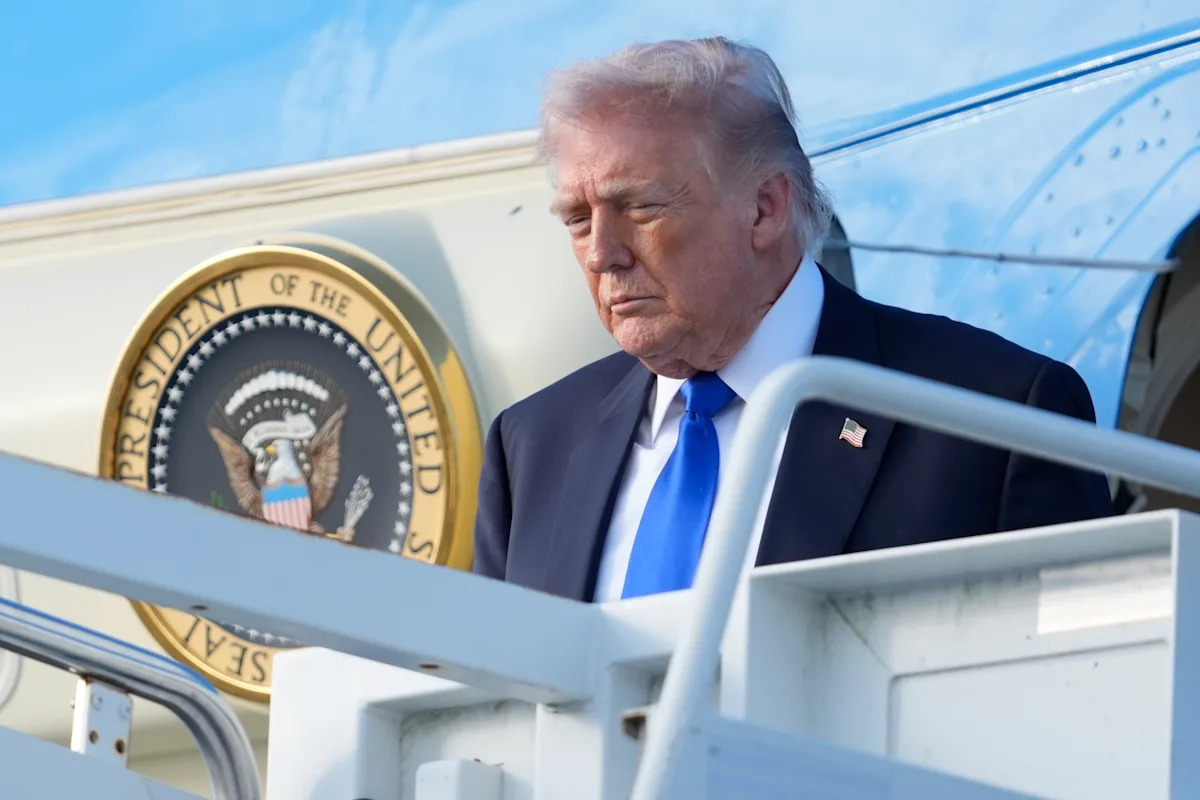
- New Model Launch: General Motors unveiled its first luxury electric SUV VISTIQ with driver-assist technology ahead of the Beijing Auto Show, priced at 468,000 yuan ($68,000), enhancing its competitive edge in the Chinese market through collaboration with local startup Momenta.
- Market Strategy Shift: Hyundai officially launched its all-electric IONIQ brand in China, aiming to reimagine its strategy as its sales share in China fell from 17% to 4%, with potential plans to export the brand to the Asia-Pacific region if successful.
- Technological Collaboration: Volkswagen announced the rollout of AI-powered voice command features in its cars starting in the second half of the year, leveraging technology from Tencent, Alibaba, and Baidu to enhance user experience and strengthen brand appeal in China.
- Sales Target Setting: Beijing Hyundai plans to introduce 20 new models over the next five years with an annual sales target of 500,000 vehicles, demonstrating the commitment of foreign automakers to long-term growth in the Chinese market.
Trade with 70% Backtested Accuracy
Stop guessing "Should I Buy BABA?" and start using high-conviction signals backed by rigorous historical data.
Sign up today to access powerful investing tools and make smarter, data-driven decisions.
Analyst Views on BABA
Wall Street analysts forecast BABA stock price to rise
15 Analyst Rating
15 Buy
0 Hold
0 Sell
Strong Buy
Current: 135.820

Low
180.00
Averages
203.09
High
230.00
Current: 135.820
Low
180.00
Averages
203.09
High
230.00
About BABA
Alibaba Group Holding Ltd is an investment holding company mainly engaged in the provision of technology infrastructure and marketing platforms. The Company operates its business through four segments. The Alibaba China E-commerce Group segment is mainly engaged in E-commerce business, including operating Tmall Supermarket and Tmall Global, providing customer management services, product sales, as well as logistics services. It also operates quick commerce business such as Taobao Instant Commerce and Ele.me, as well as the China commerce wholesale business through 1688.com. The Alibaba International Digital Commerce Group segment is mainly engaged in international commerce retail and wholesale business, operating platforms such as AliExpress, Trendyol, Lazada and Alibaba.com. The Cloud Intelligence Group segment mainly provides public and non-public cloud services. The Other segments primarily include the operations of Freshippo, Cainiao, Alibaba Health and other business.
About the author

Emily J. Thompson
Emily J. Thompson, a Chartered Financial Analyst (CFA) with 12 years in investment research, graduated with honors from the Wharton School. Specializing in industrial and technology stocks, she provides in-depth analysis for Intellectia’s earnings and market brief reports.
Alibaba Launches Happy Horse AI Model in Beta

- Happy Horse AI Model Launch: Alibaba announced the rollout of the Happy Horse AI model in beta on Monday, allowing global creators to access it via the official website or API service on Alibaba Cloud Model Studio, marking a significant step in the company's AI strategy.
- Market Reaction: Despite the excitement surrounding the Happy Horse AI model, Alibaba's shares fell in premarket trading, indicating a lack of immediate investor confidence in the technology's potential impact on the company's performance.
- Global Creator Access: The launch of Happy Horse 1.0 enables creators worldwide to leverage this AI tool, which is expected to drive innovation and efficiency in content creation, thereby enhancing Alibaba's competitiveness in the digital creation space.
- Strategic Implications: This release represents a crucial advancement in Alibaba's AI capabilities and may provide new growth opportunities for the company in the future, particularly as China increasingly prioritizes artificial intelligence development.
See More

China Introduces New Guidelines for Gig Workers' Rights
- New Regulations Introduced: The CPC Central Committee and State Council have issued new guidelines aimed at protecting the rights of 84 million gig workers, including food delivery staff, ride-hailing drivers, and livestreamers, highlighting their indispensable role in economic and social development.
- Wage Protection: The guidelines mandate online platforms to set reasonable wages based on labor intensity and ensure timely and full payments, which is expected to improve the economic conditions of gig workers and enhance overall consumer spending power.
- Improvement of Working Conditions: The regulations emphasize enhancing transparency, standardizing algorithms, ensuring occupational safety, and improving dispute resolution mechanisms, with the goal of significantly improving the working environment for gig workers by 2027, thereby increasing job stability.
- Strengthened Market Regulation: Authorities are directed to crack down on unreasonable charges and abuses of market dominance, ensuring fair competition and promoting the healthy development of the platform economy, which will create better opportunities for gig workers.
See More

SpaceX IPO Could Become Largest in History


- Staggering IPO Valuation: SpaceX aims for an IPO valuation between $1.75 trillion and $2 trillion, potentially raising $75 billion, which could make it the largest IPO in history, nearly three times the amount raised by Saudi Aramco, reflecting immense market interest in the space and AI sectors.
- Massive Market Potential: The global space economy is projected to reach $1.8 trillion by 2035, while AI is expected to create $15.7 trillion in economic value by 2030, indicating that SpaceX's business prospects align closely with these significant market trends, potentially driving long-term growth for the company.
- Historical Caution: Despite the excitement surrounding SpaceX's IPO, historical data shows that since 1999, five major IPOs have averaged a 10% decline six months post-debut, suggesting SpaceX could face a $200 billion market cap loss, urging investors to proceed with caution.
- Significant Valuation Risks: SpaceX's projected price-to-sales ratio of 125 far exceeds the sustainable threshold of 30 seen historically, indicating that if market sentiment shifts, the company could lose over $1 trillion in market value, necessitating close attention to its future financial performance.
See More

SpaceX IPO Could Become Largest in History
- Massive IPO Potential: SpaceX confidentially filed for an IPO on April 1, aiming to raise $75 billion with a market valuation between $1.75 trillion and $2 trillion, which would make it the largest IPO in history, significantly surpassing Saudi Aramco's $29.4 billion.
- Vast Market Opportunities: SpaceX operates in two of the largest global markets, space and artificial intelligence, with McKinsey projecting a $1.8 trillion space economy by 2035 and PwC forecasting AI to generate $15.7 trillion in economic value by 2030, indicating substantial long-term growth potential.
- Historical Cautionary Tale: Despite the excitement surrounding SpaceX's IPO, historical data shows that five major IPOs since 1999 averaged a 10% decline six months post-debut, suggesting a potential $200 billion loss in market cap for SpaceX.
- Valuation Bubble Concerns: With a projected valuation leading to a price-to-sales ratio of 125, far exceeding the sustainable threshold of 30, SpaceX could face over $1 trillion in market cap losses if market sentiment shifts, despite its popularity.
See More

SpaceX and OpenAI Set for Historic IPOs in 2026

- IPO Scale Expectations: SpaceX and OpenAI are planning initial public offerings (IPOs) in 2026, which are expected to be the largest in U.S. history, with SpaceX valued at $1.25 trillion and OpenAI at $852 billion, indicating high market anticipation for both companies.
- Financial Performance Warning: SpaceX reported a $5 billion loss in 2025 despite generating $18 billion in revenue, resulting in a price-to-sales (P/S) ratio of 69, while OpenAI's P/S ratio stands at 65, highlighting profitability challenges under high valuations.
- Historical Performance Analysis: Since 2000, nearly 4,000 companies have gone public in the U.S., averaging a 30% gain on their first trading day; however, stocks from large IPOs typically underperform, with median returns of -11% and -26% over three months and one year, respectively, urging caution among investors.
- Investment Strategy Recommendation: Although the IPOs of SpaceX and OpenAI are highly anticipated, historical data suggests that investors buying large IPO stocks on the first day often face poor long-term returns, advising a wait for a more reasonable entry point before investing.
See More

SpaceX Plans Record IPO Valuation of $1.75 Trillion
- Historic IPO Plans: SpaceX is set to go public within the next few months with an anticipated valuation of $1.75 trillion, making it the largest IPO ever, far surpassing Alibaba's $169 billion market cap at its 2014 debut, highlighting its immense potential in the commercialization of space.
- Market Comparison Analysis: SpaceX's IPO shares similarities with successful cases like Meta and Arm, which experienced initial volatility but ultimately achieved significant growth, suggesting that SpaceX may possess similar long-term growth potential, particularly in satellite internet and launch services.
- Risks and Challenges: Despite SpaceX's technological and market advantages, it faces political risks, especially its reliance on NASA and the U.S. Department of Defense for revenue, which could impact its financial stability, akin to Alibaba's regulatory challenges in China.
- Investor Confidence: Analysts generally view SpaceX's IPO as a potential
See More
Alibaba Launches Happy Horse AI Model in Beta
- Happy Horse AI Model Launch: Alibaba announced the rollout of the Happy Horse AI model in beta on Monday, allowing global creators to access it via the official website or API service on Alibaba Cloud Model Studio, marking a significant step in the company's AI strategy.
- Market Reaction: Despite the excitement surrounding the Happy Horse AI model, Alibaba's shares fell in premarket trading, indicating a lack of immediate investor confidence in the technology's potential impact on the company's performance.
- Global Creator Access: The launch of Happy Horse 1.0 enables creators worldwide to leverage this AI tool, which is expected to drive innovation and efficiency in content creation, thereby enhancing Alibaba's competitiveness in the digital creation space.
- Strategic Implications: This release represents a crucial advancement in Alibaba's AI capabilities and may provide new growth opportunities for the company in the future, particularly as China increasingly prioritizes artificial intelligence development.
See More
China Introduces New Guidelines for Gig Workers' Rights
- New Regulations Introduced: The CPC Central Committee and State Council have issued new guidelines aimed at protecting the rights of 84 million gig workers, including food delivery staff, ride-hailing drivers, and livestreamers, highlighting their indispensable role in economic and social development.
- Wage Protection: The guidelines mandate online platforms to set reasonable wages based on labor intensity and ensure timely and full payments, which is expected to improve the economic conditions of gig workers and enhance overall consumer spending power.
- Improvement of Working Conditions: The regulations emphasize enhancing transparency, standardizing algorithms, ensuring occupational safety, and improving dispute resolution mechanisms, with the goal of significantly improving the working environment for gig workers by 2027, thereby increasing job stability.
- Strengthened Market Regulation: Authorities are directed to crack down on unreasonable charges and abuses of market dominance, ensuring fair competition and promoting the healthy development of the platform economy, which will create better opportunities for gig workers.
See More
SpaceX IPO Could Become Largest in History
- Staggering IPO Valuation: SpaceX aims for an IPO valuation between $1.75 trillion and $2 trillion, potentially raising $75 billion, which could make it the largest IPO in history, nearly three times the amount raised by Saudi Aramco, reflecting immense market interest in the space and AI sectors.
- Massive Market Potential: The global space economy is projected to reach $1.8 trillion by 2035, while AI is expected to create $15.7 trillion in economic value by 2030, indicating that SpaceX's business prospects align closely with these significant market trends, potentially driving long-term growth for the company.
- Historical Caution: Despite the excitement surrounding SpaceX's IPO, historical data shows that since 1999, five major IPOs have averaged a 10% decline six months post-debut, suggesting SpaceX could face a $200 billion market cap loss, urging investors to proceed with caution.
- Significant Valuation Risks: SpaceX's projected price-to-sales ratio of 125 far exceeds the sustainable threshold of 30 seen historically, indicating that if market sentiment shifts, the company could lose over $1 trillion in market value, necessitating close attention to its future financial performance.
See More
SpaceX IPO Could Become Largest in History
- Massive IPO Potential: SpaceX confidentially filed for an IPO on April 1, aiming to raise $75 billion with a market valuation between $1.75 trillion and $2 trillion, which would make it the largest IPO in history, significantly surpassing Saudi Aramco's $29.4 billion.
- Vast Market Opportunities: SpaceX operates in two of the largest global markets, space and artificial intelligence, with McKinsey projecting a $1.8 trillion space economy by 2035 and PwC forecasting AI to generate $15.7 trillion in economic value by 2030, indicating substantial long-term growth potential.
- Historical Cautionary Tale: Despite the excitement surrounding SpaceX's IPO, historical data shows that five major IPOs since 1999 averaged a 10% decline six months post-debut, suggesting a potential $200 billion loss in market cap for SpaceX.
- Valuation Bubble Concerns: With a projected valuation leading to a price-to-sales ratio of 125, far exceeding the sustainable threshold of 30, SpaceX could face over $1 trillion in market cap losses if market sentiment shifts, despite its popularity.
See More
SpaceX and OpenAI Set for Historic IPOs in 2026
- IPO Scale Expectations: SpaceX and OpenAI are planning initial public offerings (IPOs) in 2026, which are expected to be the largest in U.S. history, with SpaceX valued at $1.25 trillion and OpenAI at $852 billion, indicating high market anticipation for both companies.
- Financial Performance Warning: SpaceX reported a $5 billion loss in 2025 despite generating $18 billion in revenue, resulting in a price-to-sales (P/S) ratio of 69, while OpenAI's P/S ratio stands at 65, highlighting profitability challenges under high valuations.
- Historical Performance Analysis: Since 2000, nearly 4,000 companies have gone public in the U.S., averaging a 30% gain on their first trading day; however, stocks from large IPOs typically underperform, with median returns of -11% and -26% over three months and one year, respectively, urging caution among investors.
- Investment Strategy Recommendation: Although the IPOs of SpaceX and OpenAI are highly anticipated, historical data suggests that investors buying large IPO stocks on the first day often face poor long-term returns, advising a wait for a more reasonable entry point before investing.
See More
SpaceX Plans Record IPO Valuation of $1.75 Trillion
- Historic IPO Plans: SpaceX is set to go public within the next few months with an anticipated valuation of $1.75 trillion, making it the largest IPO ever, far surpassing Alibaba's $169 billion market cap at its 2014 debut, highlighting its immense potential in the commercialization of space.
- Market Comparison Analysis: SpaceX's IPO shares similarities with successful cases like Meta and Arm, which experienced initial volatility but ultimately achieved significant growth, suggesting that SpaceX may possess similar long-term growth potential, particularly in satellite internet and launch services.
- Risks and Challenges: Despite SpaceX's technological and market advantages, it faces political risks, especially its reliance on NASA and the U.S. Department of Defense for revenue, which could impact its financial stability, akin to Alibaba's regulatory challenges in China.
- Investor Confidence: Analysts generally view SpaceX's IPO as a potential
See More