Forecast: This Unyielding AI Stock is Expected to Split by 2030
Meta Platforms and Stock Splits: Meta Platforms is the only company in the "Magnificent Seven" that hasn't split its stock, but it is considered a strong candidate for a split by 2030, especially if its share price exceeds $1,000.
Financial Performance: Despite a recent dip in stock price following earnings reports, Meta's sales grew 26% year over year, and its earnings per share would have increased significantly without a one-time tax expense.
AI's Role in Growth: Meta is leveraging artificial intelligence to enhance user engagement and improve advertising tools, which is expected to drive substantial revenue growth in the coming years.
Future Prospects: CEO Mark Zuckerberg envisions AI glasses as a key interaction tool for users, indicating that Meta is poised for significant advancements in AI technology, which could further boost its revenue streams.
Trade with 70% Backtested Accuracy
Analyst Views on META

About META
About the author


WhatsApp Tests Subscription Service for Custom Features

- Subscription Service Testing: Meta's WhatsApp is testing a subscription service that allows users to pay for cosmetic customizations such as ringtones, themes, and icons, similar to features offered on Instagram Plus and Snapchat+, aimed at enhancing user experience and diversifying revenue streams.
- Premium Features: The premium features include expanded pinned chats, custom lists, and new chat themes, with a Meta spokesperson stating that the initial phase will involve a small test to gather feedback and ensure the developed features genuinely meet user needs.
- Revenue Growth Potential: The paid messaging service on WhatsApp has proven lucrative for parent company Meta, with a reported 54% increase in revenue from its family of apps in Q4, indicating strong growth potential, and the WhatsApp Business API is expected to generate approximately $2 billion in annual revenue this year.
- Fast-Growing Segment: As one of Meta's fastest-growing segments, WhatsApp is further solidifying its market position by launching new features and services, reflecting the company's strategic focus on enhancing user engagement and increasing revenue.

Meta Implements New Tracking Software to Enhance AI Capabilities
- Software Deployment: Meta is installing new tracking software on U.S. employees' computers to capture mouse movements, clicks, and keystrokes for training its AI models, indicating the company's ongoing investment and innovation in AI technology.
- Model Capability Enhancement: The tool, named Model Capability Initiative (MCI), aims to improve AI models' performance in simulating human-computer interactions, particularly in dropdown menu selections and keyboard shortcuts, reflecting Meta's focus on enhancing AI work efficiency.
- Increased Data Collection: Meta CTO Andrew Bosworth mentioned in an internal memo that the company would ramp up internal data collection as part of its
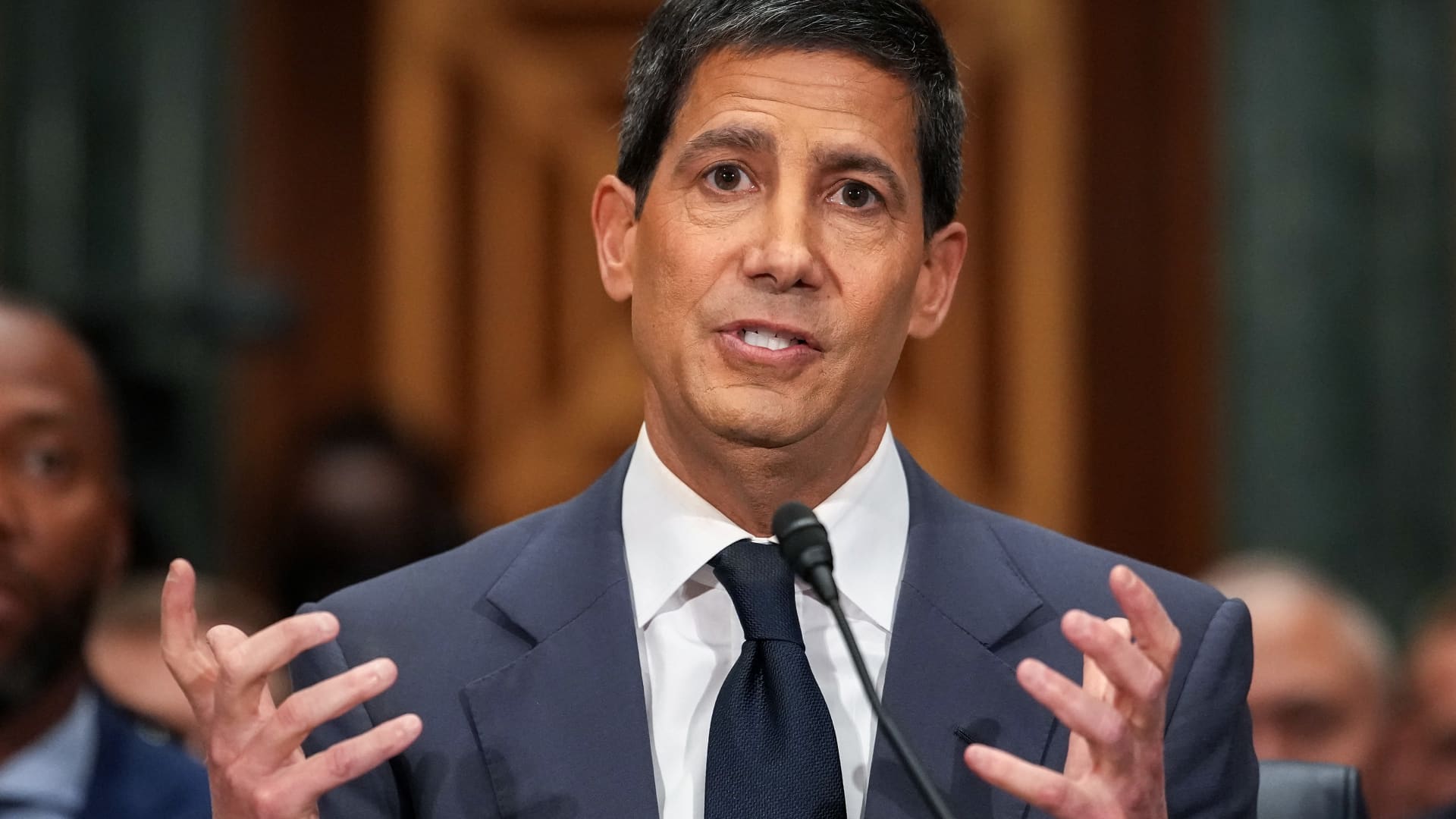
Kevin Warsh's Federal Reserve Reform Plans
- Federal Reserve Reform Plan: Kevin Warsh presented his 'regime change' plan for the Federal Reserve during his Senate confirmation hearing, which includes redefining 'inflation', potentially leading to fundamental changes in the Fed's operations and impacting future monetary policy and interest rate decisions.
- Interest Rate Policy Controversy: Warsh expressed a desire to quickly lower interest rates to 1%, a stance that has sparked dissent within the Fed, although he believes such controversy may aid his reform efforts, reflecting his dissatisfaction with current policies and influence over the market.
- Response to Trump: During the hearing, Warsh attempted to alleviate concerns regarding his relationship with Trump, emphasizing that the president did not specifically instruct him on any interest rate path, indicating his desire to gain trust in terms of independence and transparency.
- Rebuilding Market Confidence: Warsh argues that the Fed has lost credibility, stressing the need for reforms to restore market confidence in the economy, particularly after a prolonged low-interest-rate environment following the 2008 financial crisis, which could affect future economic growth and market stability.

Meta Installs Tracking Software to Enhance AI Models
- Software Deployment: Meta is installing new tracking software on U.S. employees' computers to capture mouse movements, clicks, and keystrokes for training its AI models, indicating the company's ongoing investment and innovation in AI technology.
- Data Collection Purpose: The tool will operate on a list of work-related apps and websites, occasionally taking snapshots of employees' screens to provide context for the models, aiming to improve performance in areas like dropdown menu selection and keyboard shortcut usage.
- Employee Involvement: Meta encourages employees to assist in model improvement through their daily work, emphasizing the importance of real user data for training AI, which not only enhances the utility of the AI but also fosters employee engagement.
- Data Security Measures: A Meta spokesperson stated that the collected data will solely be used for model training and not for performance assessments, with safeguards in place to protect sensitive content, ensuring employee privacy is respected.

Meta's Major Push in AI Infrastructure and Smart Glasses
- AI Infrastructure Investment: Meta is making significant investments in AI infrastructure, which is expected to enhance overall platform performance and user experience, thereby increasing user engagement and driving advertising revenue growth.
- Smart Glasses Strategy: The company's foray into smart glasses may integrate with its AI technologies, creating more appealing products that could further expand market share and enhance brand influence.
- Platform Monetization Potential: Meta's diversified strategy focuses not only on technological innovation but also on monetization capabilities, which is expected to yield substantial long-term benefits, although short-term cost pressures may pose challenges.
- Market Expectation Challenges: While the market remains cautious about Meta's future, if the synergy between AI and smart glasses can quickly materialize, it could exceed market expectations and drive stock price recovery.

Microsoft Lowers Xbox Subscription Costs to Recommit to Gamers

- Subscription Cost Reduction: Microsoft has announced a reduction in the monthly fee for Game Pass Ultimate from $29.99 to $22.99, and for PC Game Pass from $16.49 to $13.99, aiming to attract more players and enhance user satisfaction.
- Content Changes: Upcoming titles in the 'Call of Duty' franchise will no longer be included in the subscriptions, requiring players to purchase them separately at a price of $69.99, which may impact short-term user retention rates.
- Revenue Decline: Although gaming contributed 7% to Microsoft's total revenue in Q4, the segment's revenue fell approximately 10% year-over-year, contrasting sharply with growth in Azure and Microsoft 365, highlighting increased market competition pressures.
- Strategic Restructuring: New gaming chief Asha Sharma indicated that Game Pass had become too expensive, and this adjustment is a direct response to player feedback, reflecting Microsoft's strategic shift in the gaming market aimed at restoring user trust and increasing market share.
WhatsApp Tests Subscription Service for Custom Features
- Subscription Service Testing: Meta's WhatsApp is testing a subscription service that allows users to pay for cosmetic customizations such as ringtones, themes, and icons, similar to features offered on Instagram Plus and Snapchat+, aimed at enhancing user experience and diversifying revenue streams.
- Premium Features: The premium features include expanded pinned chats, custom lists, and new chat themes, with a Meta spokesperson stating that the initial phase will involve a small test to gather feedback and ensure the developed features genuinely meet user needs.
- Revenue Growth Potential: The paid messaging service on WhatsApp has proven lucrative for parent company Meta, with a reported 54% increase in revenue from its family of apps in Q4, indicating strong growth potential, and the WhatsApp Business API is expected to generate approximately $2 billion in annual revenue this year.
- Fast-Growing Segment: As one of Meta's fastest-growing segments, WhatsApp is further solidifying its market position by launching new features and services, reflecting the company's strategic focus on enhancing user engagement and increasing revenue.
Meta Implements New Tracking Software to Enhance AI Capabilities
- Software Deployment: Meta is installing new tracking software on U.S. employees' computers to capture mouse movements, clicks, and keystrokes for training its AI models, indicating the company's ongoing investment and innovation in AI technology.
- Model Capability Enhancement: The tool, named Model Capability Initiative (MCI), aims to improve AI models' performance in simulating human-computer interactions, particularly in dropdown menu selections and keyboard shortcuts, reflecting Meta's focus on enhancing AI work efficiency.
- Increased Data Collection: Meta CTO Andrew Bosworth mentioned in an internal memo that the company would ramp up internal data collection as part of its
Kevin Warsh's Federal Reserve Reform Plans
- Federal Reserve Reform Plan: Kevin Warsh presented his 'regime change' plan for the Federal Reserve during his Senate confirmation hearing, which includes redefining 'inflation', potentially leading to fundamental changes in the Fed's operations and impacting future monetary policy and interest rate decisions.
- Interest Rate Policy Controversy: Warsh expressed a desire to quickly lower interest rates to 1%, a stance that has sparked dissent within the Fed, although he believes such controversy may aid his reform efforts, reflecting his dissatisfaction with current policies and influence over the market.
- Response to Trump: During the hearing, Warsh attempted to alleviate concerns regarding his relationship with Trump, emphasizing that the president did not specifically instruct him on any interest rate path, indicating his desire to gain trust in terms of independence and transparency.
- Rebuilding Market Confidence: Warsh argues that the Fed has lost credibility, stressing the need for reforms to restore market confidence in the economy, particularly after a prolonged low-interest-rate environment following the 2008 financial crisis, which could affect future economic growth and market stability.
Meta Installs Tracking Software to Enhance AI Models
- Software Deployment: Meta is installing new tracking software on U.S. employees' computers to capture mouse movements, clicks, and keystrokes for training its AI models, indicating the company's ongoing investment and innovation in AI technology.
- Data Collection Purpose: The tool will operate on a list of work-related apps and websites, occasionally taking snapshots of employees' screens to provide context for the models, aiming to improve performance in areas like dropdown menu selection and keyboard shortcut usage.
- Employee Involvement: Meta encourages employees to assist in model improvement through their daily work, emphasizing the importance of real user data for training AI, which not only enhances the utility of the AI but also fosters employee engagement.
- Data Security Measures: A Meta spokesperson stated that the collected data will solely be used for model training and not for performance assessments, with safeguards in place to protect sensitive content, ensuring employee privacy is respected.
Meta's Major Push in AI Infrastructure and Smart Glasses
- AI Infrastructure Investment: Meta is making significant investments in AI infrastructure, which is expected to enhance overall platform performance and user experience, thereby increasing user engagement and driving advertising revenue growth.
- Smart Glasses Strategy: The company's foray into smart glasses may integrate with its AI technologies, creating more appealing products that could further expand market share and enhance brand influence.
- Platform Monetization Potential: Meta's diversified strategy focuses not only on technological innovation but also on monetization capabilities, which is expected to yield substantial long-term benefits, although short-term cost pressures may pose challenges.
- Market Expectation Challenges: While the market remains cautious about Meta's future, if the synergy between AI and smart glasses can quickly materialize, it could exceed market expectations and drive stock price recovery.
Microsoft Lowers Xbox Subscription Costs to Recommit to Gamers
- Subscription Cost Reduction: Microsoft has announced a reduction in the monthly fee for Game Pass Ultimate from $29.99 to $22.99, and for PC Game Pass from $16.49 to $13.99, aiming to attract more players and enhance user satisfaction.
- Content Changes: Upcoming titles in the 'Call of Duty' franchise will no longer be included in the subscriptions, requiring players to purchase them separately at a price of $69.99, which may impact short-term user retention rates.
- Revenue Decline: Although gaming contributed 7% to Microsoft's total revenue in Q4, the segment's revenue fell approximately 10% year-over-year, contrasting sharply with growth in Azure and Microsoft 365, highlighting increased market competition pressures.
- Strategic Restructuring: New gaming chief Asha Sharma indicated that Game Pass had become too expensive, and this adjustment is a direct response to player feedback, reflecting Microsoft's strategic shift in the gaming market aimed at restoring user trust and increasing market share.